
For the quality inspection of swivel snap hook (swivel snap hook), it can carry out from the following aspects:
First. appearance and structure inspection
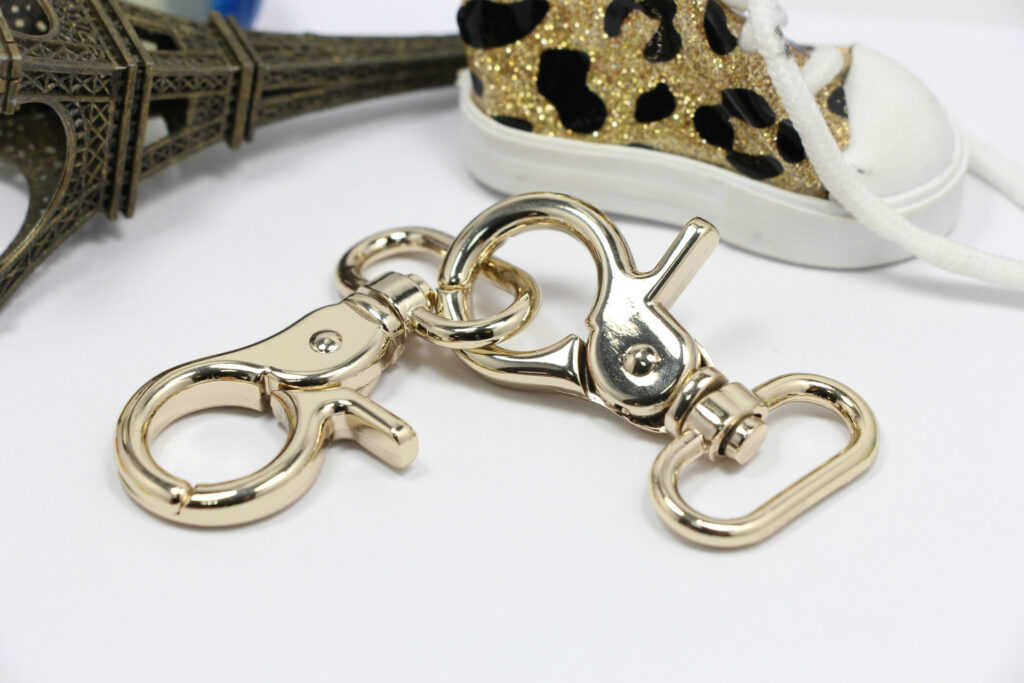
- Appearance inspection:Observe whether the surface of swivel snap hook is smooth, free of rust, scratches, deformation and other defects.Confirm that the rotating part, the swivel snap hook part and the connecting part are intact and free from obvious damage.
- Size Measurement:Use vernier calipers and other measuring tools to measure key dimensions such as the length, width, height, and diameter of the swivel part of the swivel snap hook to ensure compliance with design requirements.
- Structural Inspection:Check whether the structure of the swivel snap hook is solid and whether the connection between the parts is tight.Confirm whether the rotating part is flexible, smooth and free of jamming phenomenon.
Second. material and composition inspection
- Material identification:Determine the material of the swivel snap hook by visual inspection or chemical composition analysis, such as stainless steel, zinc alloy and so on.
- Chemical composition analysis (for metal materials):Use spectrometer and other chemical composition analysis equipment to analyze the composition of metal materials to ensure that the elemental content of the material meets the relevant standards and requirements.
Third, functionality and durability testing
- Latch function test:Test whether the locking function of the swivel snap hook is normal, whether it can lock firmly and unlock easily. Perform locking and unlocking operations several times to assess its reliability and durability.
- Swivel Function Test:Test whether the swivel function of the swivel snap hook is flexible and smooth, without any jamming or abnormal noise.
- Load-bearing capacity test:Apply gradually increasing loads to the swivel snap hook using appropriate test equipment until it reaches its design load-bearing limit. Observe and record the deformation of the swivel snap hook during load bearing, and whether there is any breakage or damage.
- Corrosion Resistance Test (for metallic materials):Place the swivel snap hook in a solution containing corrosive substances (e.g. salt water, acid solution, etc.) to simulate its use in a harsh environment. After a certain period of time remove and check whether there is corrosion on its surface.
- Abrasion resistance test:Use wear test equipment to conduct friction and wear tests on the swivel snap hook, simulating the friction and wear it may experience during use.. Evaluate whether its wear resistance meets the design requirements.
Fourth. safety test
- Edge treatment inspection:Check whether the edges of the swivel snap hooks are round and smooth to avoid scratching the users.
- Hazardous substance test:Conduct hazardous substance testing on the swivel snap hooks, such as lead, mercury, cadmium and other heavy metals, as well as plasticizers and other harmful chemicals. Ensure that the product meets the relevant safety standards and regulatory requirements.
Fifth. packaging and labeling inspection
- Packaging integrity:Inspect the packaging of the swivel snap hook to ensure it is complete and undamaged, preventing product damage during transportation
- Marking clarity:Check whether the product is accompanied by clear brand identification, model identification, instructions for use and so on.Check whether the product packaging contains the necessary safety warnings and precautions.
To summarize, the quality inspection of swivel snap hook needs to be comprehensively considered and evaluated from various aspects, such as appearance and structure, material and composition, functionality and durability, safety, as well as packaging and marking. Through the strict testing process, the reliability and safety of the swivel snap hooks can be ensured in all kinds of use environments.