
Controlling the quality of plating is a complex and detailed process that involves multiple components and factors. The following are some key control measures:
First, the whole process control
The quality of electroplating is affected by the quality of work in each link of the whole process. So, the whole process quality control system should be established from material supply. Pre-plating treatment, electroplating, post-plating treatment to finished product inspection. Each link should be operated in strict accordance with the standard to ensure stable quality.
Second, the establishment of key control points
In the process flow to find out the key links affecting the quality of the plated parts and the recurrence of quality problems in the links. Set up control points to focus on control. For example, in the raw material inspection, etching, plating, hydrogen drive, passivation and other links to set up control points. Clearly specify the control items, content and methods.
Third, the preparation and implementation of process documentation
Different plating parts according to their characteristics to prepare appropriate process documentation. Clear plating solution composition, ratio, process parameters (such as current density, operating temperature, time, pH value, etc.) and operating methods. Process documentation should be strictly audited and approved, and strictly implemented in the production process.

Fourth, the quality control of raw materials
Strict quality standards must be formulated for the chemical raw materials. Metal anodes and other raw materials used in the process. Clearly stipulating the specifications of raw materials, grades, purity levels, the maximum content of impurities allowed, and so on. Raw materials purchased into the factory should be subject to strict acceptance of quality documents and sampling analysis and inspection. Can only be put into storage after passing the acceptance test. Raw materials should be categorized and stored to avoid mixing and pollution.
Fifth. Pre-plating treatment
Pre-plating treatment is one of the key aspects of plating quality. Parts to be plated should be plated according to the technical requirements for acceptance before plating. Should be rejected if it does not meet the requirements. Pre-plating treatment includes stress relief heat treatment, sandblasting, degreasing, etching and other processes. Each of which should be operated in strict accordance with the standards to ensure the quality of treatment.
Sixth, tank liquid control
The preparation, use and maintenance of bath solution has an important impact on the quality of plating. Tank solution should be filtered and replaced regularly to keep clean. In the process of use, according to the consumption of various chemical raw materials should be supplemented and adjusted in a timely manner. so, that the composition of the bath solution to remain within the scope of the process regulations. At the same time, should strengthen the tank liquid routine maintenance, the establishment of routine maintenance record system.
Seven, plating process conditions control
Plating process conditions such as current density, electrolyte temperature, electrolyte mixing and other direct impact on the quality of plating. These process conditions should be strictly controlled to keep them in the most suitable range. For example, too high current density may lead to roughness of the plating layer and the appearance of defects such as pinholes. Electrolyte temperature is too high may lead to reduce the hardness of the plating layer and the formation of coarse crystals and so on.
Eight, post-plating treatment
Post-plating treatment includes cleaning, hydrogen repellent, polishing, passivation, drying and coating processes. These processes have an important impact on the quality and performance of the coating. For example, hydrogen repellent treatment can eliminate the hydrogen embrittlement phenomenon produced in the plating process. passivation treatment can improve the corrosion resistance of the coating. Therefore, the post-plating treatment should be operated in strict accordance with the standards to ensure the quality of treatment.
Nineth. Finished product inspection and labeling
Each plated part after plating treatment should be inspected for appearance, thickness of plated layer, bonding and contact coupling, and records should be made. In the appropriate location does not affect the quality of the plated parts to make a mark or label. It is inconvenient to check and test on the plated parts, allowed in the same batch and process conditions plated on the sample plate.
Ten, environmental conditions control
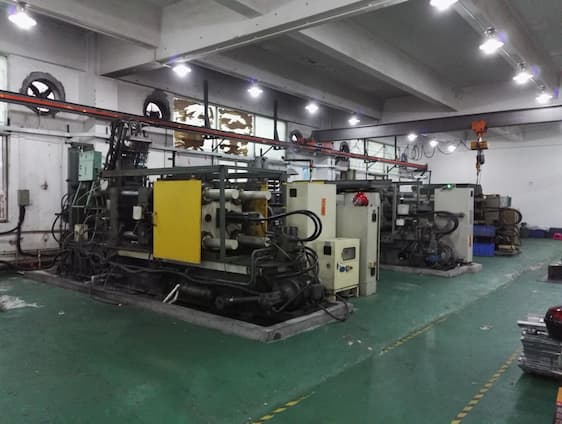
Environmental conditions also have a certain impact on the quality of plating. Should strengthen the plating workshop ventilation and exhaust equipment to maintain air circulation in the workshop and dry. At the same time, should be set to exclude harmful gases and dust equipment to reduce the impact on the quality of plating.
To summarize, controlling the plating quality needs to start from the whole process control, the establishment of key control points, the preparation and implementation of process documents, the quality control of raw materials, pre-plating treatment, bath control, plating process conditions control, post-plating treatment, finished product inspection and labeling, and environmental conditions control and other aspects. Through the strict implementation of these control measures, the stability and reliability of plating quality can be ensured.