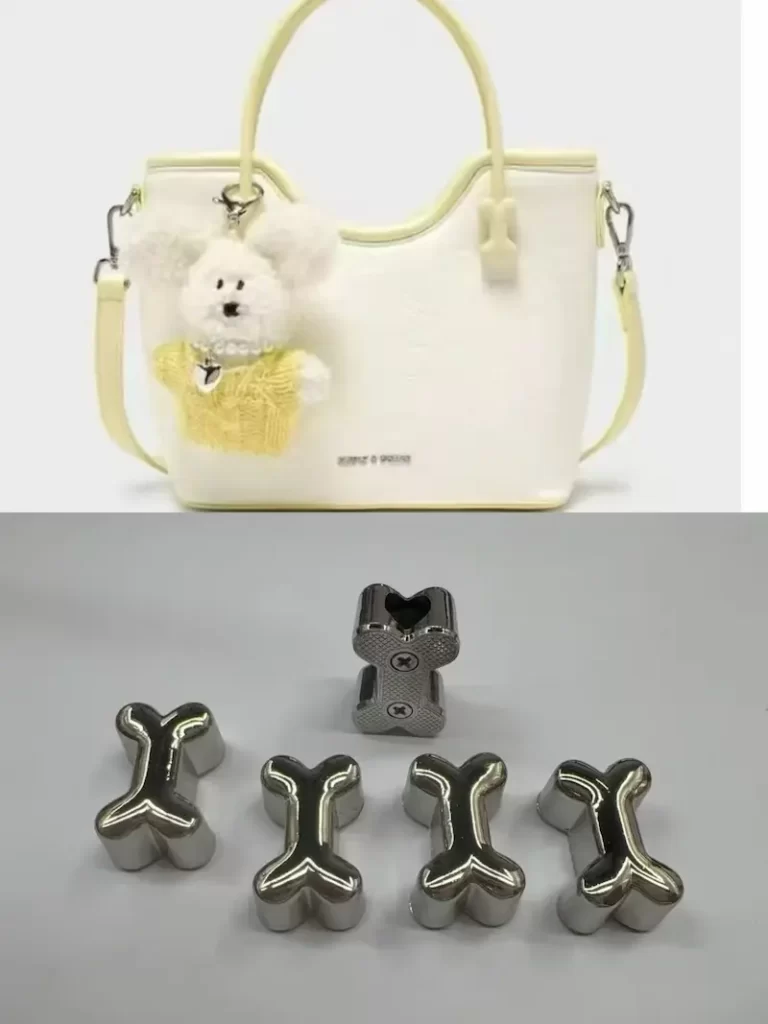
2025 bag Label Materials Guide: Choose the Right Types (Features & Applications)
It’s important to understand that material and manufacturing techniques directly determine a label’s texture, durability, and cost. While metal labels for bag are commonly used for bags, multiple materials and production processes are actually available.
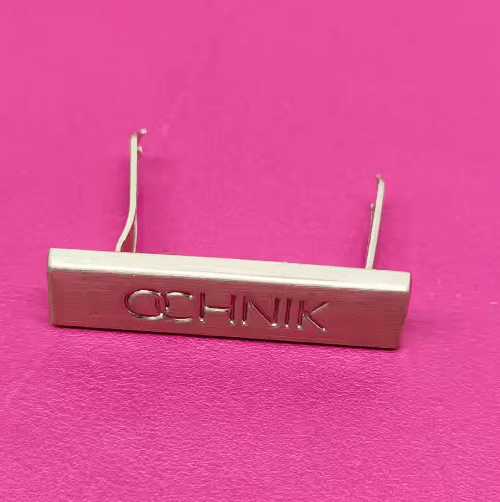
Label Materials: Types, Features, Processes & Applications
| Material Category | Features | Applicable Processes | Application Scenarios |
|---|---|---|---|
| Metal | High-end, durable, strong texture | Stamping, corrosion (etching), laser engraving, electroplating (gold/silver/chrome), wire drawing, sandblasting | Home appliances, tools, automobiles, luxury goods, industrial equipment |
| Plastic | Low cost, rich colors, high plasticity | Injection molding, UV printing, silk screen printing, hot stamping (gold/silver) | Consumer electronics, toys, small home appliances |
| Stainless Steel | Modern, corrosion-resistant, sturdy | Etching and filling, laser engraving, polishing, wire drawing | Medical devices, kitchenware, outdoor equipment, high-end electrical appliances |
| Aluminum | Lightweight, oxidizable for coloring, easy to process | Anodic oxidation (can produce various colors), corrosion, printing | Electronic products, instrument panels, automotive badges |
| Brass/Copper | Vintage, luxurious, good electrical conductivity | Corrosion, electroplating, laser engraving, aging treatment | Audio equipment, furniture, door plates, high-end gifts |
| Acrylic/Glass | Transparent, modern, exquisite | Silk screen printing, UV printing, back engraving | Cosmetics, retail displays, electronics |
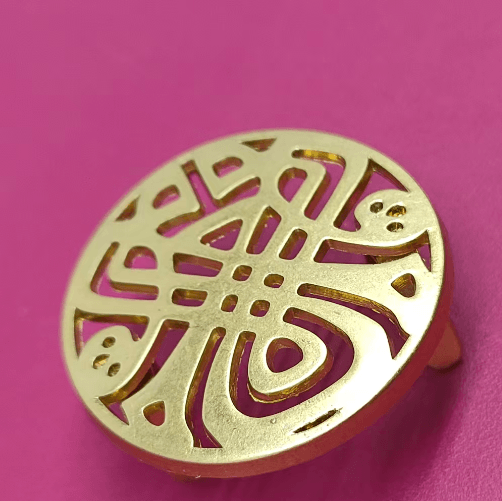
Common Craft Effects:
Embossing/Debossing: Creates raised or recessed text and patterns through stamping or etching, delivering a premium tactile experience.
Enamel Filling: Applies paint into etched or stamped grooves for vibrant, wear-resistant colors.
Brushing/Sandblasting: Surface treatments that produce fine textures, enhancing the metal’s visual depth.
Electroplating: Imparts metallic finishes like gold, rose gold, chrome, and more.
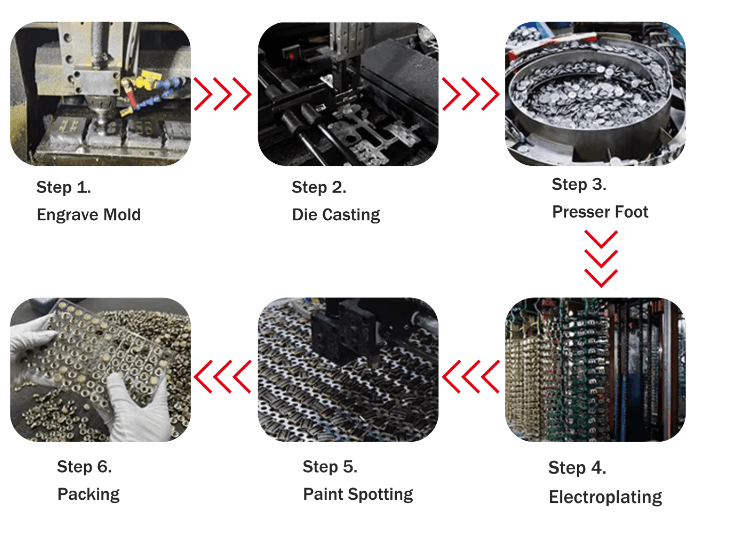
Ultimately, no single material or production technique is universally superior for bag tags. The choice depends on the client’s budget, intended message, brand identity, and other factors. Only through customized design can the optimal material and specific production process be determined.