Handbag‑Hardware Tarnish & Oxidation: Causes, Treatment & Preventive Guidance | OYC Hardware
Metal hardware directly shapes the perceived quality of finished leather‑goods. Even well‑produced metal fittings may suffer tarnish, oxidation and plating fading after long‑term usage, which downgrades the overall visual performance of handbags.
This article analyses root‑causes of hardware tarnish, feasible treatment options and preventive measures, providing practical reference for leather‑goods brands, QC and after‑sales teams. how‑to‑remove‑scratches‑from‑bag‑hardware

1.Root‑Causes Of Hardware Tarnish & Oxidation
Most handbag hardware uses zinc‑alloy, brass or stainless‑steel as base substrate, covered with thin electroplated surface layer to achieve gold‑tone or silver‑tone appearance.
Tarnish is a chemical reaction triggered by oxygen, sulphur and chloride from ambient environment. Sweat salts, cosmetic ingredients, perfume alcohol and acidic moisture will accelerate corrosion. Tarnish does not always equal poor‑quality hardware; thin electroplated layers will degrade under long‑term exposure. Teams should evaluate tarnish severity before selecting any treatment method.
2.Surface Cleaning for Light Tarnish
Use pH‑neutral dedicated metal‑hardware cleaner. Mask surrounding leather area with low‑tack tape in advance to avoid liquid soaking and staining leather. Wipe hardware surface gently with lint‑free cloth dampened by cleaning agent. Avoid heavy soaking hardware assemblies.
3.Polishing Treatment For Surface Dulling
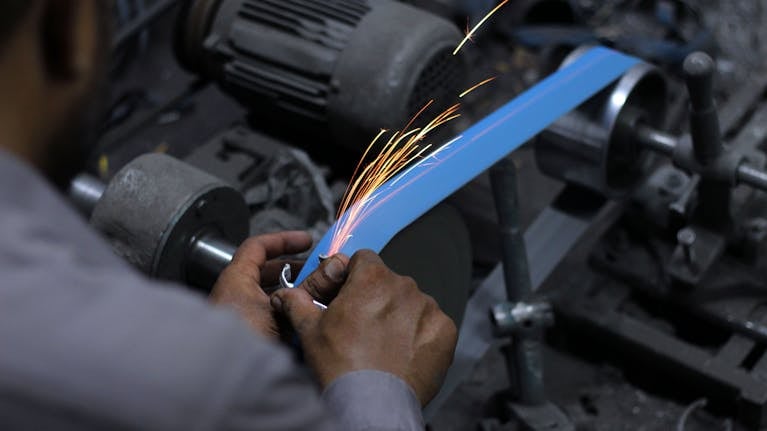
Apply small‑volume professional metal polishing compound onto micro‑fiber polishing cloth, buff tarnished spots gently to restore luster. Thoroughly wipe away all polishing‑compound residue after operation.
⚠️Risk warning: Polishing will consume thin electroplated layers. Excessive buffing will wear away plating and expose base‑metal substrate. Not recommended for hardware with already‑thin plating.
4.Re‑Coloring & Re‑Plating (Factory‑Only Process)
Restoring original metal colour requires industrial electroplating or spray‑painting capacity. This workflow cannot be completed under household conditions; hardware normally needs full disassembly from bag body for factory processing.
⚠️Clear nail‑varnish /nail polish is NOT recommended as hardware protective coating. It will alter original metallic luster; aged varnish is hard to remove and may pull off plating together during peeling.
5.Fine‑Sandpaper Buffing (High‑Risk Operation)
Jewelry‑grade fine sandpaper can smooth minor surface marks. High risk for electroplated hardware. Sanding abrades plating layers, may enlarge damaged area. This approach is not recommended for general bag‑hardware maintenance.
6.Welding & Structural Repair For Broken Hardware
Welding repair applies for physically fractured metal hardware. For gold‑plated fittings, welding work must be followed by subsequent re‑plating to recover surface finish. Welding‑repair is professional‑workshop operation and not suitable for end‑user DIY scenarios. In many cases, matching hardware replacement delivers more stable performance than welding repair.
Handling Scratched Hardware Fittings
Removing scratches from bag hardware is one of the common protection and maintenance methods for bag hardware. Do you know how to remove scratches from bag hardware?
Fine‑Sandpaper Buffing Risk Reminder
For minor scratches on the surface of metal fittings, you can gently sand them using fine sandpaper designed for jewellery. However, this method requires a high degree of precision; the slightest carelessness may cause damage over a larger area, and sanding will also damage the original lustre of the plating.
Nail‑Polish Coating: Not Recommended Preventive Method
Some unofficial guides recommend applying clear nail‑varnish as protective barrier. This method is not recommended for bag‑hardware. It will change original metal gloss; aged varnish becomes brittle and difficult to strip off. When you attempt to remove old nail‑polish, it may tear away parts of electroplated plating and cause permanent hardware damage

8.Preventive Measures To Reduce Hardware Tarnish Risk
No repair method can match the benefits of proper daily maintenance. The following golden rules can effectively slow down the ‘ageing’ of hardware fittings
eep hardware dry: Keep metal fittings away from water, sweat, perfume and cosmetic substances. Immediately wipe dry once hardware gets damp by accident.
Regular dry wiping: For frequently‑used bags, wipe hardware with soft dry lint‑free cloth. For long‑term‑storage goods, wipe hardware before putting into dust‑bag.
Reduce air‑borne corrosion exposure: Store idle handbags inside breathable dust‑bags, lowering contact with sulphide‑containing air. Temporary cling‑film wrapping is only for short‑time transit storage, not long‑term storage.
Strictly restrict unknown cleaning‑chemicals: Do not use silver‑cleaning liquid, strong acid / alkaline agents, or untested metal‑cleaning products. Harsh chemicals will corrode thin electroplated layers and cause permanent damage.
Factory‑level preventive note for brands: Select qualified substrate material, specify reliable electroplating and post‑plating sealing treatment during hardware sourcing; add hardware‑care guidance into product user‑manuals.
FAQ for Handbag‑Hardware Tarnish & Oxidation
Q1: Does hardware tarnish always mean inferior‑quality hardware?
A: Not absolutely. Even well‑plated hardware will gradually tarnish when continuously exposed to sweat, humidity and sulfur‑containing air. But excessive fast‑onset tarnish signals poor plating or sealing quality.
Q2: Can polishing fully bring heavily‑oxidized plated hardware back to factory‑new condition?
A: Only for superficial surface tarnish. Polishing consumes plating material; it cannot recover hardware where plating has already eroded away.
Q3: Why should we avoid clear nail‑polish as hardware protective‑film?
A: Nail varnish alters metal luster. After ageing it becomes hard‑to‑strip and may peel off together with original electroplating, causing permanent hardware damage.
Q4: What factory‑level measures reduce hardware tarnish issues?
A: Choose proper base‑alloy; enforce qualified multi‑layer electroplating; apply post‑plating sealing treatment; define salt‑spray test requirements in technical‑spec documents.
Q5: When should hardware‑replacement be chosen instead of polishing or cleaning?
A: When plating has large‑area peeling, base‑metal is heavily corroded; replacement with matched hardware delivers more reliable long‑term performance.
Conclusion
Hardware tarnish and oxidation result from combined effects of substrate material, plating‑quality, ambient humidity and chemical exposure. Light‑level tarnish can be improved via gentle cleaning or polishing; once plating layer gets eroded, simple surface treatment cannot restore factory‑new condition, re‑plating or hardware replacement become viable options.
For leather‑goods brands and procurement teams: the most efficient solution against tarnish lies at sourcing phase. Reasonable substrate selection, qualified electroplating and post‑plating sealing treatment greatly lower later‑stage oxidation‑related after‑sales complaints. Adding hardware‑care tips inside product manuals also helps guide end‑users.
OYC Hardware supplies stock and custom‑mould bag‑hardware with diverse plating and sealing‑process options for bulk‑order leather‑goods projects
Discuss Your Tarnish‑Resistant Hardware Sourcing Project
- Chat on WhatsApp +86-13924451472
- Submit Your Hardware Requirement