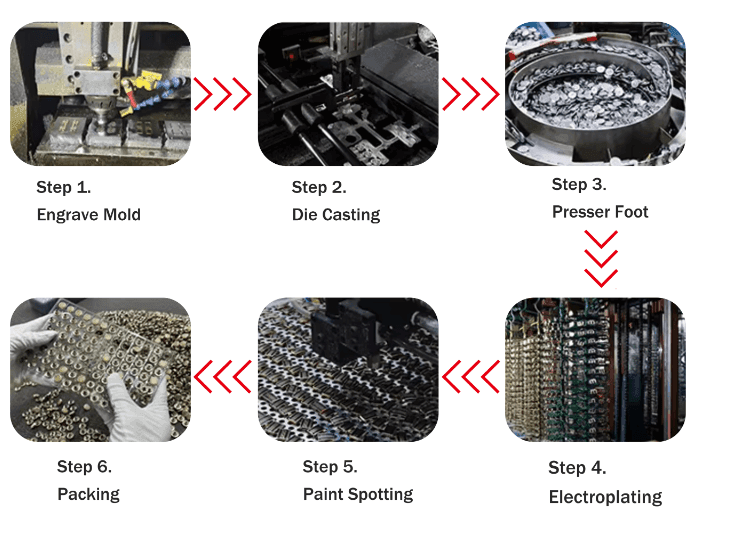
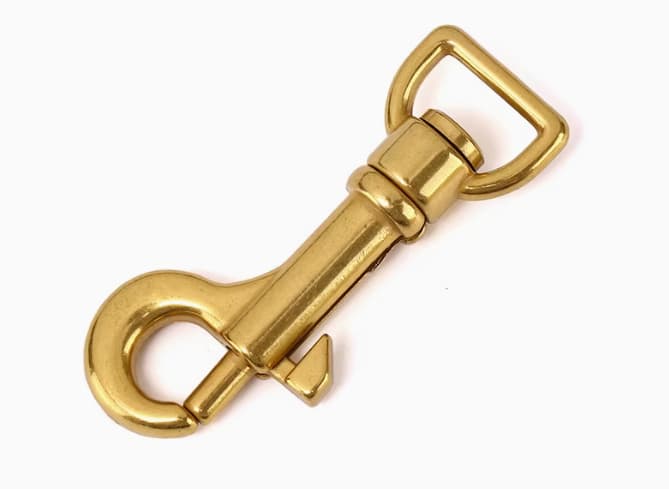
The Complete Process for Custom Moulding of Luggage Hardware: Key Control Points from Design to Mass Production
In the luggage and leather goods industry, small metal hardware parts greatly affect a bag’s feel, durability, and brand image. For factory buyers, leather goods designers, and brand companies, choosing a supplier with custom moulding capabilities helps control costs, ensure quality, and achieve unique designs. However, many buyers first approaching metal hardware moulding do not fully understand the process, lead times, or suitable manufacturing methods. As a result, they face repeated back-and-forth, poor samples, and even delays in mass production.
Drawing on industry standards and practical manufacturing experience, this article systematically outlines the complete process for customising luggage hardware moulds, along with key control points at each stage, to help buyers efficiently bring their projects to fruition.
Why is custom moulding necessary? The limitations of off-the-shelf hardware
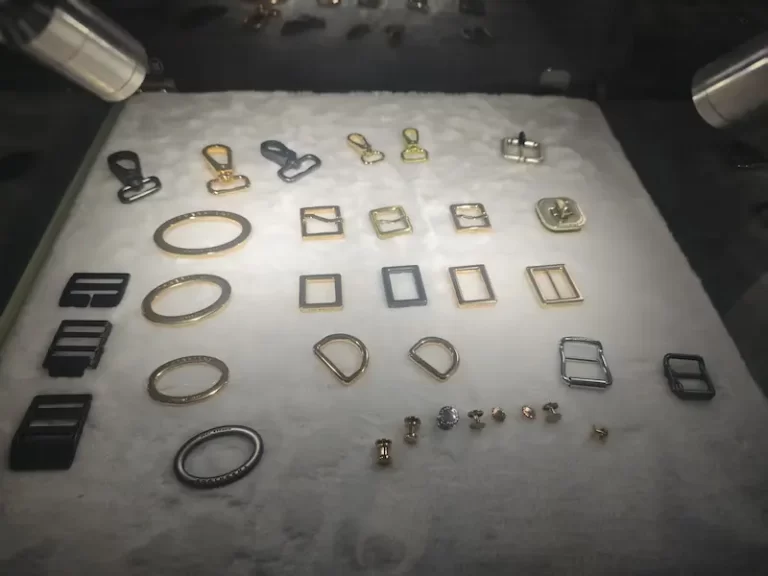
Many luggage manufacturers tend to source off-the-shelf hardware fittings during their early stages, such as standard-sized D-rings, square buckles and dog clips. However, as product lines are upgraded, brands are established, or international clients demand higher standards of environmental certification, off-the-shelf hardware often fails to meet the following requirements:
- Dimensional compatibility: Due to the unique structure of the bag body, the mounting holes or thickness of standard components may be unsuitable
- Distinctive appearance: Brands require exclusive logos, unique designs or brushed surface finishes
- Performance requirements: Metrics such as salt spray test duration, tensile strength and hypoallergenic plating must be individually controlled
- Material substitution: Upgrading from iron components to brass or zinc alloy to enhance corrosion resistance
Custom moulding is not solely suited to large-scale orders from major brands. For medium-volume B2B procurement (3,000–5,000 units per model), the unit cost following moulding can often be kept within a reasonable range, and product consistency is far superior to that of ready-made components sourced across multiple batches.
Six-Step Standard Process for Custom Moulding
Step 1: Requirements Discussion and Drawing Confirmation
The client must provide as complete a set of initial information as possible, including:
- Product application: For which type of bag (women’s handbags, rucksacks, pet carriers, outdoor bags)? Will it be used in load-bearing or decorative areas?
- Reference images or physical samples: If benchmark samples are available, this will expedite communication
- Preliminary dimensional ranges: Length, width, height, wall thickness, mounting hole spacing
- Estimated Quantity: Initial trial production run and subsequent reorder volumes
- International Trade Requirements: Are ROHS environmental testing, REACH or California Proposition 65 compliance required?
At this stage, the manufacturer will provide 2D engineering drawings showing key dimensions and tolerances. The purchaser must carefully check the installation fit dimensions to ensure that the samples can be fitted upon arrival.
Step 2: Recommendations for selecting materials
The choice of material determines the mould design, production lead time and unit cost. Our factory routinely offers the following three types of material:
- Zinc alloy: Excellent flow properties, suitable for complex shapes and precision logos; offers strong adhesion for surface plating, making it the mainstream choice for luggage fasteners, magnetic clasps and nameplates
- Iron (cold-rolled steel): High strength and low cost, suitable for load-bearing components such as dog clips, hanging clasps and D-rings; however, rust prevention depends on the quality of the plating
- Brass: Excellent corrosion resistance, suitable for antique finishes such as patina and black gold. Used for corner pieces and bases on high-end leather goods, though the unit price is higher
Environmentally friendly alloys can be customised to meet international trade requirements, complying with ROHS restrictions on lead, cadmium and mercury
Step 3: Mould Manufacturing
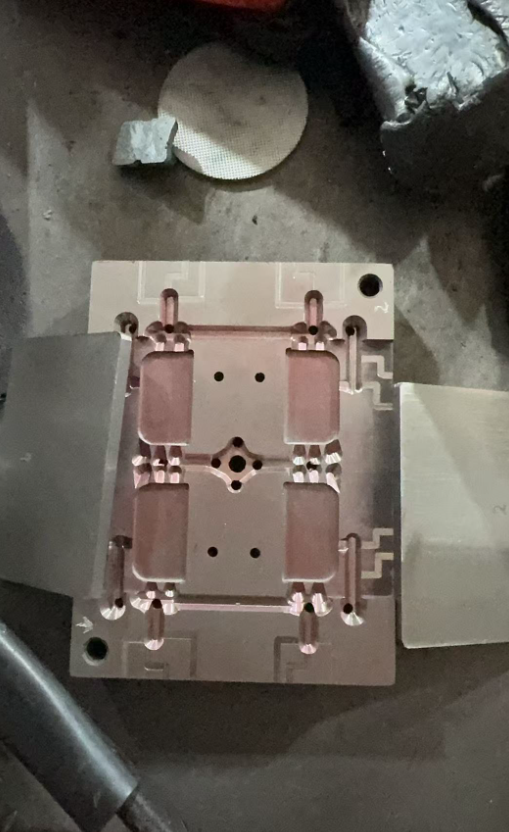
Moulds serve as the ‘master template’ for custom hardware, and their precision directly affects the consistency of mass-produced items. The typical lead time is 7–15 working days, and this includes:
- Mould Design
- Steel Machining and Heat Treatment
- Cavity EDM or CNC Machining
- Mould Trial and First-Piece Inspection
Please note: Mould costs are typically quoted based on the complexity of the product’s structure. Simple, symmetrical D-ring moulds are less expensive, whereas moulds for luggage fasteners with a lock core or openwork nameplates are more costly. The moulds remain the property of the client; the manufacturer is not authorised to use them for third-party production.
Step 4: Sample Production and Approval
Samples typically consist of 5–10 unplated raw parts and 3–5 samples with the surface finish applied. The purchaser should carry out the following tests:
- Dimensional inspection: Use a calliper to check key mounting positions
- Assembly testing: Install on the actual housing or mock-up to check for smooth opening and closing
- Tensile testing: Load-bearing components (such as latches) must meet standard industry safety requirements
- Visual inspection: Clarity of the logo, absence of surface pitting, and uniformity of the plating
If the samples fail to meet requirements, specific areas for modification must be identified and the factory must produce revised samples. The industry standard for the number of sample revisions is 1–2 rounds
Step 5: Selecting Surface Finishes
The same zinc alloy blank can take on completely different textures depending on the surface treatment applied. Our standard processes include:
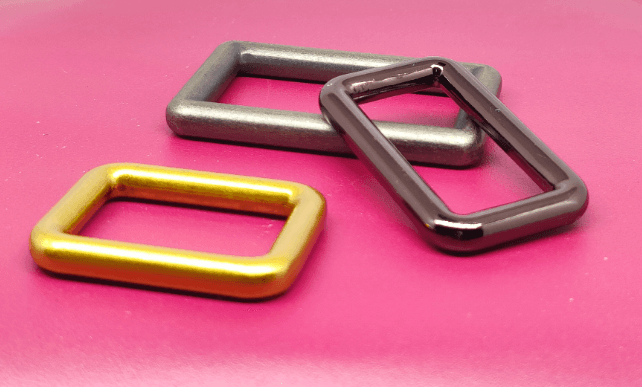
- Nickel plating: A silvery-white lustre, wear-resistant and cost-effective, suitable for D-rings and square buckles on business luggage
- Antique bronze/black gold: An aged, vintage effect, suitable for leather-embossed bags and vintage rucksacks
- Electrophoretic Black: A matt black finish with high hardness, commonly used for hardware on outdoor luggage
- Brushed Finish: Creates a linear texture on the plated surface, enhancing resistance to fingerprints
- Paint Spraying: Colour can be customised, but adhesion requires the use of a primer
Hypoallergenic Eco-friendly Plating: Suitable for fasteners in direct contact with the skin; passes ROHS testing
For export orders, we recommend specifying the duration of the salt spray test in writing (e.g. 24 hours or 48 hours), so that the factory can adjust the coating thickness accordingly.
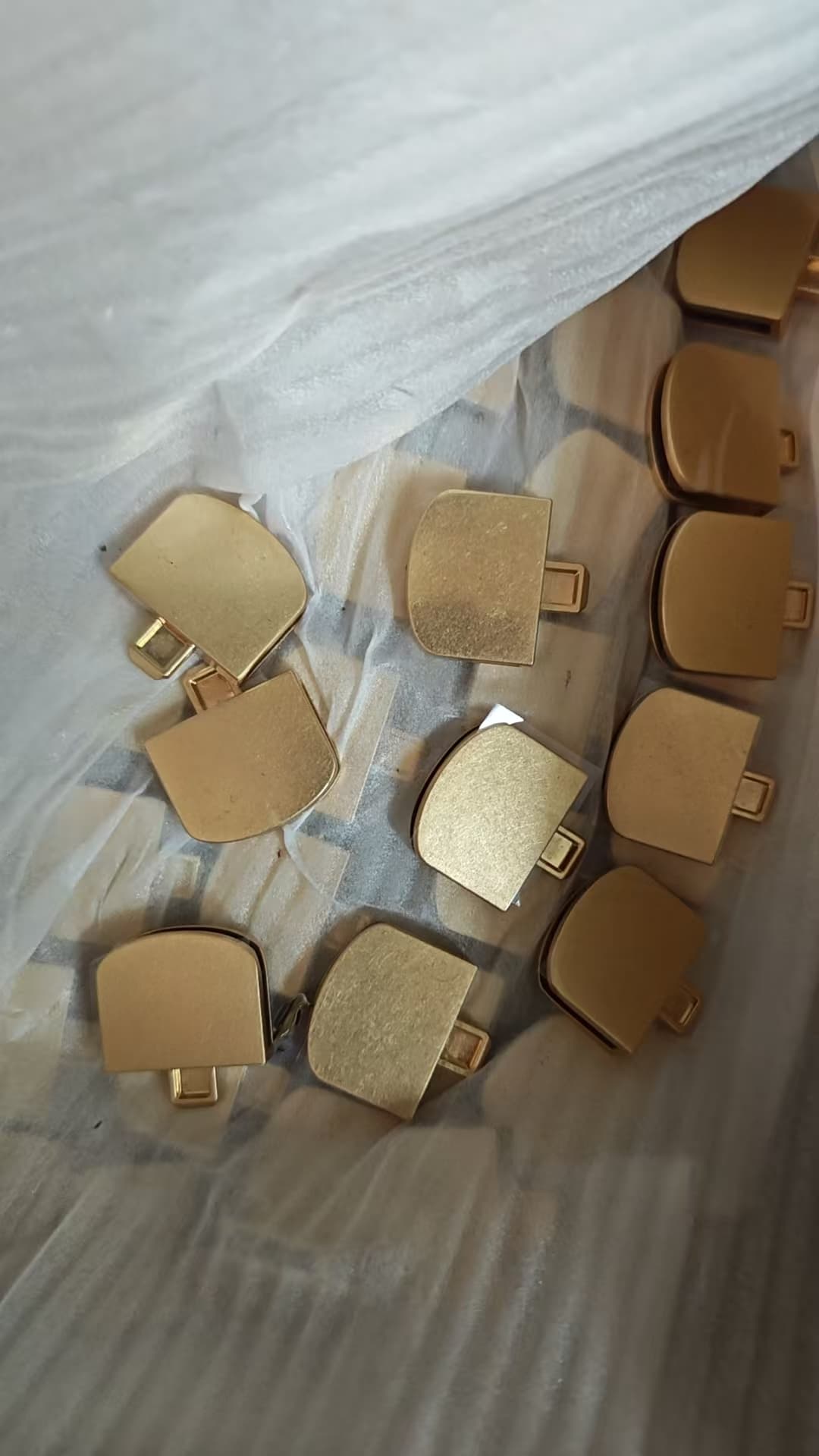
Step 6: bulk goods and Quality Control
After the samples approved, the items will proceed the bulk goods. Key quality control checkpoints include:
- Stability of die-casting parameters (temperature, pressure, holding time)
- Deburring and polishing (affects the smoothness of the subsequent electroplating)
- Pre-plating cleaning (residual oil is the primary cause of plating blistering)
- Random inspection prior to dispatch (dimensions, appearance, plating adhesion)
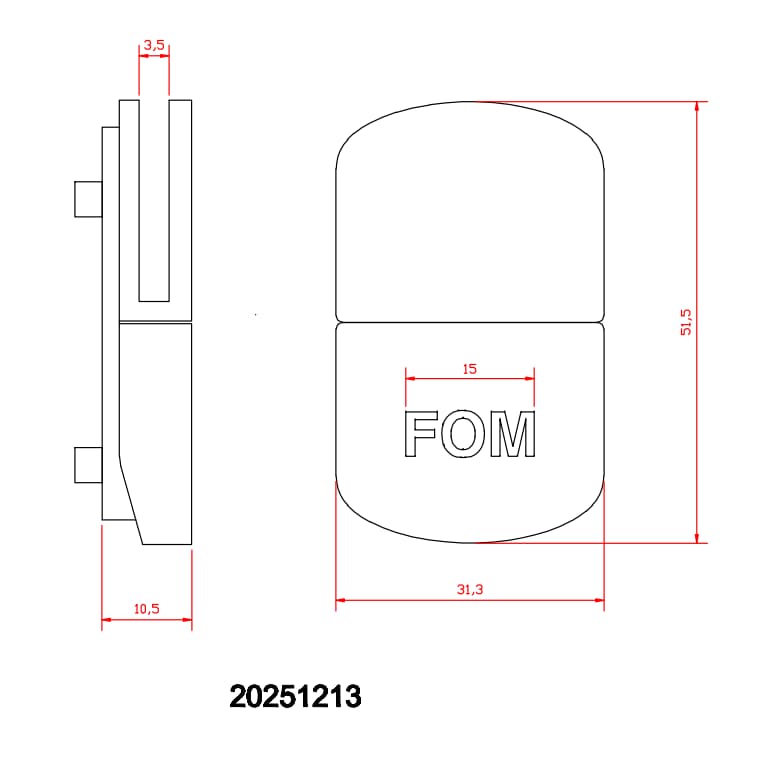 | 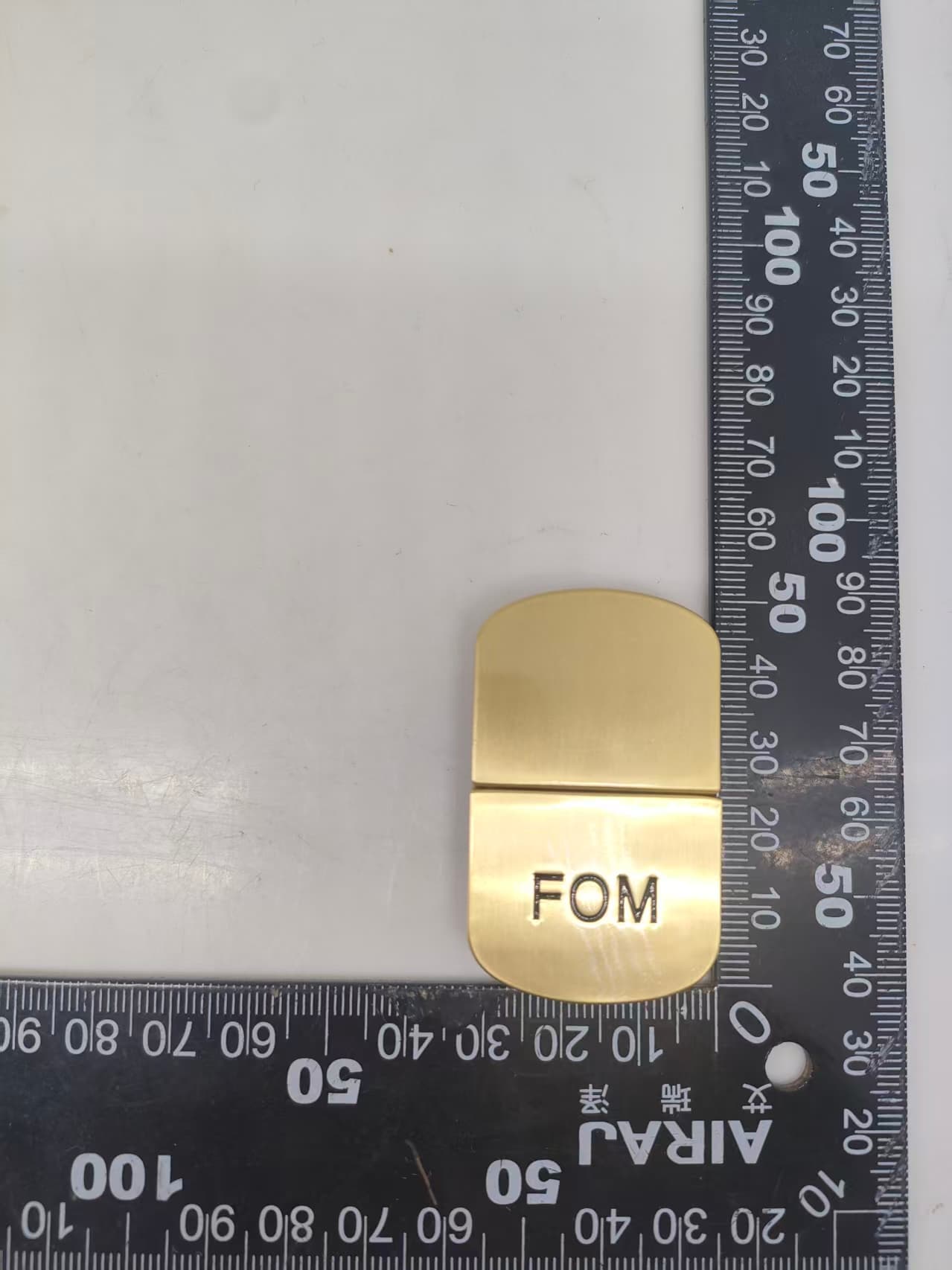 |  |
| artwork | approved smaple | bulk goods |
III. Four Common Misconceptions Among Purchasers
Misconception 1: The cheaper the mould, the better
Differences in mould quotations are often reflected in the quality of the steel, the heat treatment process and the machining precision. Low-cost moulds may suffer from cavity softening, leading to dimensional drift in the first 5,000 parts, or from poorly designed draft angles, resulting in scratches on the blanks. It is more reliable to choose a medium-sized or larger factory and request certification of the mould materials than to simply compare prices.
Misconception 2: If the sample is flawless, mass production will be flawless too
During the sample stage, workers can make manual adjustments and polish by hand individually. However, bulk goods relies on the stability of moulds and processes. We recommend that the purchaser include a ‘first-piece approval’ clause in the contract: when mass production commences, the factory must provide the first 20 units for the purchaser’s approval; production may only continue once these have been verified as consistent with the sample.
Misconception 3: Any surface finish can be applied to all materials
For example, applying electrophoretic black coating to iron parts requires rigorous pre-treatment, as the paint is prone to flaking; zinc alloy is not suitable for direct matt electroplating following mirror polishing. The choice of process must be thoroughly discussed with the factory prior to mould making to avoid discovering, once the mould is complete, that the process is unfeasible.
Misconception 4: The shorter the lead time, the better
For the standard custom moulding process (from drawings to the first production run), it is recommended to allow 25–35 working days, comprising 7–15 days for mould production, 5–10 days for sample approval and revisions, and 5–7 days for electroplating scheduling. Compressing the lead time often comes at the expense of quality control.
IV. Additional Requirements for International Trade Orders
With regard to hardware for export luggage and bags, buyers should pay particular attention to the following three points:
- ROHS Report: Restricts harmful substances such as lead, mercury, cadmium and hexavalent chromium; our standard eco-friendly electroplating process complies with these requirements.
- REACH Regulation: Separate testing is required for SVHC (Substances of Very High Concern), which involves a relatively lengthy process.
- Salt Spray Test: Specify the test duration (e.g., no red rust after 24 hours) and the test standard (ASTM B117 or ISO 9227).
We advise international buyers to clearly state the target market and required certifications when requesting a quote, so as to prevent compliance issues caused by additional testing after mass production begins.
V. How to Choose the Right Supplier
Not all hardware manufacturers are suitable for custom moulding. When evaluating suppliers, consider the following factors:
Do they have an in-house moulding workshop? Factories that outsource moulding tend to have slower response times and offer less flexibility regarding modifications.
Do they accept SMS order moulding? Some factories only accept orders of 10,000 units or more per model; small and medium-sized brands should confirm the MOQ
In-house electroplating or long-term partnerships: The stability of the electroplating process directly impacts lead times and salt spray test pass rates
After-sales support: In the event of batch plating defects or dimensional deviations, does the factory have a rework or replacement service?
As a source manufacturer of luggage hardware components, our factory supports customisation based on provided drawings and bespoke moulding. Standard materials such as zinc alloy, iron and brass all support environmentally friendly processes for export, and we can facilitate ROHS testing. Once samples are confirmed, the mass production cycle is stable, with dimensions meeting specifications and plating adhesion complying with industry standards