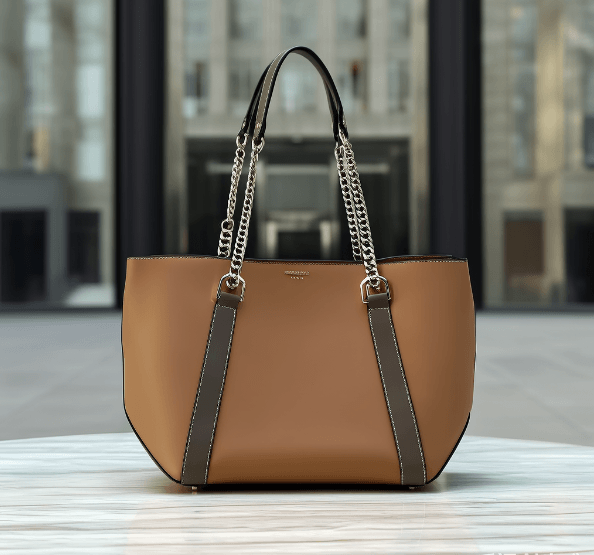
The Complete Guide to Polishing and Restoring Handbag Hardware
The value of a top-tier handbag is often encapsulated in the interplay between the texture of the leather and the lustre of its hardware. However, no matter how carefully the owner looks after it, the hardware—being the part of the bag that is touched most frequently—will inevitably succumb to the ravages of time: oxidation, wear and tear, fading and scratches. These marks not only detract from the bag’s appearance but also directly diminish its perceived value. Many owners are consequently put off, or even choose to consign their bags to the back of the wardrobe.
In fact, the ageing of hardware is not irreversible. Polishing, as the most crucial stage in the restoration process, is precisely the key to breathing new life into dull hardware. Unlike the mechanical polishing carried out during mass production in factories, restorative polishing is a craft that demands greater judgement and restraint—it requires striking a balance between ‘restoration’ and ‘protection’, eliminating the signs of ageing whilst ensuring the already limited thickness of the plating is not unduly compromised. This article will systematically analyse the complete body of knowledge regarding the polishing and restoration of handbag hardware, covering everything from diagnostic assessment and cleaning/pre-treatment to professional polishing techniques and advanced restoration solutions.

Types and Assessment of Damage to Hardware Components
Before commencing the polishing process, it is essential to make an accurate diagnosis of the ‘problems’ affecting the metal fittings. An incorrect assessment will lead to an inappropriate treatment method, and incorrect polishing may cause irreversible damage. Particular care must be taken when assessing metal fittings with surface finishes such as gold or silver plating.
The Four Main Types of Wear and Tear in Metal Fittings
Everyday use subjects handbag metal fittings to several main types of damage, which we can categorise as follows:
| Types of injury | Typical manifestations | Main causes | Difficulty of repair |
| Surface oxidation | The metal loses its original lustre and appears dull, greyish or mottled | Chemical oxidation caused by prolonged exposure to air; corrosion caused by hand perspiration; contact with chemicals such as cosmetics and perfumes | ★★☆ Intermediate |
| Coating wear | Localised areas where the underlying metal colour is visible (e.g. gold worn down to silver), with uneven colouring | Physical wear and tear caused by everyday friction and frequent opening and closing | ★★★★ High |
| Scratches and Dents | Linear or punctate indentations are visible on the surface | Impact with hard objects, or scratches caused by sharp objects such as keys | ★★★ Quite high |
| Coating peeling/flaking | The surface coating is flaking off in patches, exposing the underlying metal | Reduced adhesion due to defects in the electroplating process or long-term corrosion | ★★★★★ Very high |
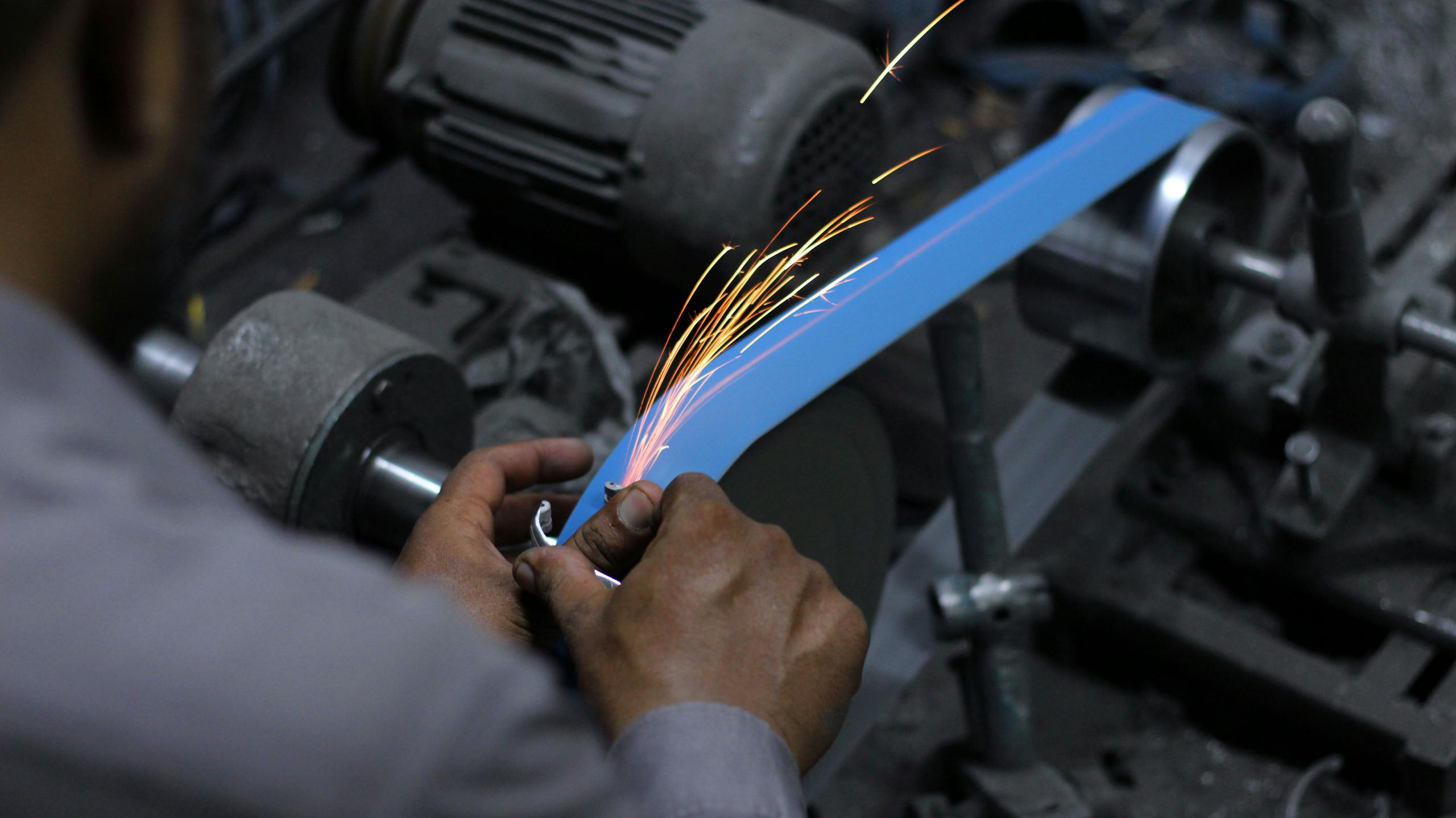
Key distinction: gold-plated or solid metal?
This is the most important distinction to make before undertaking any polishing or restoration work. Most handbag hardware relies on zinc alloy, brass or stainless steel as a base, with electroplating adding a thin precious-metal layer. Only top luxury brands offer genuine solid precious metal hardware, and they do so almost exclusively on limited editions
Repair technicians must distinguish between the two, as they never subject plated hardware to excessive polishing with abrasive polishes—the plating is typically only a few micrometres thick, and once they wear through it to expose the underlying metal, restoration becomes extremely difficult and often requires re-plating
Self-Assessment Procedure
Before carrying out any work, you should complete the assessment following the procedure below:
Observe the colour: If you see an even but dull colour on the hardware surface, with no obvious exposure of the underlying metal, you are usually dealing with oxidation or minor wear—cleaning and light polishing will improve this condition.
Check for ‘bare metal’: Examine areas prone to frequent friction, such as edges and raised sections, carefully. If you notice a colour that differs significantly from the main body (such as silver spots appearing in a gold-coloured area), this indicates that the plating has worn away in that specific spot.
Scratch test: Gently run your fingernail across the surface to gauge the depth of any marks. If you can clearly feel an indentation, this is a deep scratch that is difficult to remove completely through polishing; fine lines that are merely visible may be removed through polishing.
Professional assessment: For luxury handbags, it is advisable to first consult the brand’s after-sales service or an authorised repair centre. Montblanc advises in its leather goods care guide that you should test any cleaning procedure on an inconspicuous, hidden area first
Cleaning as a Pre-Treatment: An Essential Step Before Polishing
Many metal fittings masquerade as ‘heavily worn’, when in fact stubborn grime and an oxidation film simply cover their surfaces. Polishing without first cleaning the surface is akin to using dirt particles as abrasives to grind the surface, which can cause secondary scratches. Cleaning is an indispensable preliminary step in the polishing and restoration process.
Basic cleaning: removing surface dirt
This is the simplest yet most easily overlooked step. Use a soft cotton or microfibre cloth to gently wipe the surface of the metal fittings, removing any dust and skin flakes that have accumulated. For stubborn stains, dip the cloth in a small amount of mild soapy water, wring it out until it is just damp, and then wipe the surface of the metal fittings. Montblanc officially recommends using a cotton bud dipped in cleaning solution to gently wipe the metal fittings, taking care to avoid contact with the leather parts, as polishes or cleaning solutions may cause the leather to discolour.
Choosing a Specialised Cleaning Product
There are a variety of metal cleaning products available on the market. Some professionals in the luxury goods resale sector recommend using products such as Brasso metal polish for cleaning and light polishing. The procedure is as follows: apply a small amount of polish to the surface of the metal fitting, leave it for 20–30 seconds, then wipe in a circular motion with a cotton cloth, and finally remove any excess polish with an old cloth. Users should note that such products are somewhat abrasive and work only on metal fittings with severe oxidation and thick plating; they should exercise caution or avoid these products altogether on thin-plated items
Re-evaluation after cleaning
A like-new shine after cleaning tells you the problem was only surface dirt—polishing becomes optional or simplified. Persistent dullness tells you an oxidation film or plating damage exists—polishing becomes necessary. Extensive plating loss tells you to choose professional electroplating restoration over simple polishing
Polishing Techniques: A Step-by-Step Guide from Coarse to Fine Polishing
Restorative polishing follows a similar logic to factory production, but with a different objective—whilst factory polishing prioritises efficiency and consistency across batches, restorative polishing aims to achieve maximum restoration with minimal material loss. Consequently, restorative polishing often places greater emphasis on manual techniques and precise control of pressure.
The Process for Professional Polishing
Luxury goods repair centres follow professional procedures and typically divide the polishing and restoration process into three stages
Stage 1: Coarse Polishing (Scratch Removal)
Use a coarser polishing compound with a specialised cloth to strip away the oxidation layer, minor scratches and uneven plating residues evenly—this leaves the metal surface smooth and prepared for the next step.The guiding principle for this stage is ‘use the finest abrasive possible rather than a coarser one’ – start with the gentlest approach and only gradually increase the abrasiveness if the results are insufficient.
Stage Two: Secondary Cleaning
Once rough polishing is complete, polishing compound residue will remain on the metal surface. Operators must remove this thoroughly before fine polishing; otherwise, abrasive particles left in the residue will create new scratches during later processes. They typically perform this step using a cleaning agent and a clean cotton cloth.
Stage Three: Fine Polishing (Restoring the Mirror Finish)
A polishing chamois with a denser fibre structure, combined with a finer polishing compound, carries out the second polishing. This stage fills microscopic surface imperfections and brings the lustre to a mirror-like finish. For high-gloss metal fittings, this step decides the final visual effect.
Polishing Strategies for Different Materials
Understanding the materials used in hardware components helps in selecting the correct polishing method. For gold-plated items, you should choose polishing products specifically designed for gold plating or gold-plated objects; for bare metal components such as brass and stainless steel, you may use general-purpose metal polishes; however, for hardware with a brushed finish, you must proceed with caution because polishing will remove the brushed texture—consider seeking professional maintenance instead
Advanced Repair Solutions: When Polishing Is Not Enough
Polishing cannot resolve every type of fitting damage. Severe plating wear, deep scratches, or structural damage require more specialised intervention
Re-plating (Colour Plating)
For hardware components with extensive wear or flaking of the plating, the most thorough method of repair is re-plating. This process requires a specialist repair centre equipped with electroplating facilities to receive the hardware and re-deposit a metal coating onto its surface using electrochemical methods. Depending on the plating method they choose (electroplating, immersion plating, brush plating, etc.), the process and results may vary, but none of these techniques can be performed at home. Take, for example, an ostrich leather handbag from the INNIU brand: the owner sent it to the Yujinjiang repair centre because its metal clasp had suffered scratches and scuffs. The centre polished and electroplated the clasp, restoring it to its original condition—mirror-smooth and vibrantly coloured.
Replacement of Metal Fittings
For metal fittings that have sustained structural damage (such as breakage or deformation), or where the plating is too severely worn and re-plating would prove prohibitively expensive, users should opt for replacement with new fittings of the same model.. Some luxury brands offer this service—for example, CHANEL’s jewellery clasp replacement service costs HK$1,600, and the process includes diagnosis, removal of the old component, fitting of the new component and a final polishing treatment. For handbag hardware, finding a replacement that matches the original component usually requires support from the manufacturer or specialist customisation.
Touch-up Pens and Temporary Repair Solutions
Colour-matching pens or touch-up paints for metal surfaces provide temporary coverage when the plating wears slightly; they require precise application with a fine brush. A fully dry touch-up will match the original colour closely. However, this is only a temporary solution, as the coating may wear away or flake off again with continued use. Clear nail varnish or cuticle oil, when applied to metal surfaces, forms a protective film that can also prevent further oxidation and damage caused by friction.
Preventative Maintenance: The Golden Rule for Prolonging the Effects of Polishing
Polishing and restoration can breathe new life into fittings, but good maintenance habits are the key to extending their lifespan.
Precautions for Daily Use
Avoid contact with chemicals: Chemical components in products such as perfumes, cosmetics and hand creams can accelerate the oxidation of metal fittings and the corrosion of their plating
Be mindful of hand perspiration: As the pH levels of individual perspiration vary, so does the degree of corrosion it causes to metal surfaces. After use, you should wipe away any perspiration residue from the surface of the metal fittings with a dry cloth
Beware of Scratches from Hard Objects: When placing your handbag in a storage cabinet, ensure that the metal fittings do not come into contact with keys or the metal fittings on other bags
Storage Recommendations
When not in use, store your handbag in a dust bag to protect it from dust and minimise oxidation caused by the metal fittings coming into contact with the air. Montblanc officially recommends placing leather goods, once cleaned and conditioned, into a cloth bag or box and storing them in a dry place away from direct sunlight. For gold-plated metal fittings, the dust bag’s role in isolating the fittings from oxygen is particularly important, as it can significantly slow down the rate at which they oxidise and lose their lustre.
The Importance of Regular Maintenance
Users should clean and maintain the fittings lightly once a month; simply wiping them with a soft cloth suffices—there is no need to apply a polishing agent on every occasion. Check the condition of the fittings regularly; if you notice any slight oxidation or dullness, address it promptly to prevent the problem from worsening.
Conclusion: Striking a Balance Between Expertise and Restraint
The polishing and restoration of handbag hardware is, in essence, a race against time. Whilst we cannot keep the hardware eternally youthful, we can use scientific methods to ensure it retains its finest appearance for as long as possible.
For most cases of hardware ageing, cleaning and light polishing are effective and safe solutions; for worn plating, however, one must weigh up the cost of repair against the value of the handbag and choose between a DIY approach and professional services. When hardware sustains severe damage or the handbag carries high value, consumers should always seek assistance from the brand’s after-sales service or a specialist luxury goods repair centre. Professional craftsmen not only possess the correct tools and materials, but also understand how to strike the right balance between ‘removing damage’ and ‘preserving the plating’—this is the very essence of all polishing techniques, and a true reflection of treating a handbag’s hardware as a ‘work of craftsmanship’ rather than a ‘consumable’.