how to remove scratches from bag hardware
Although the hardware on bags is made of metal, which is relatively wear-resistant and sturdy, it can still get scratched when subjected to strong impacts or bumps. A beautiful bag can lose much of its overall aesthetic appeal if its hardware becomes damaged or scratched. While scratches won’t affect normal use, who wants to carry around a bag that looks worn out every day? While we’ve previously covered bag repair techniques and restoring luster to hardware in dedicated articles, today we focus specifically on treating scratches on bag hardware. Let’s explore how to remove scratches from bag hardware:
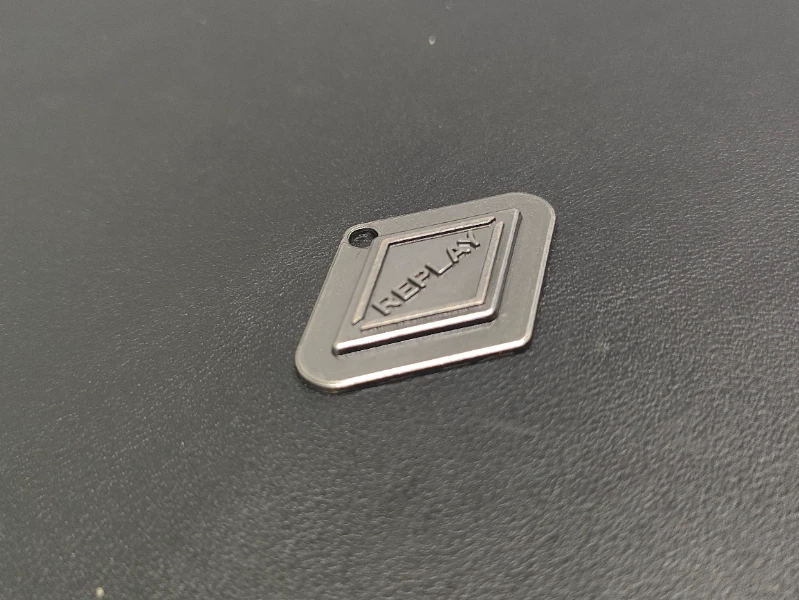
Step 1: First, work out what your hardware is made of
Before you start, take two minutes to identify the material of the hardware; this is far more important than simply grabbing some toothpaste and slathering it on haphazardly. The vast majority of hardware on modern handbags is not solid metal, but rather has a base of zinc alloy, brass or stainless steel, covered with a layer of electroplating or PVD coating. This coating is the source of the gold, silver, gunmetal or pearlescent nickel finishes we see – it is very thin, and once worn away, the underlying base material of a different colour will be exposed.
How can you tell? Hold a magnet up to it
If it sticks, the base material is usually iron or steel; with these metals, the underlying layer is prone to rust once the plating is damaged. If it doesn’t stick, the material is typically a zinc alloy or copper; when the plating is damaged, the exposed base material is often a dull or yellowish colour, contrasting sharply with the surface colour.
Another way to tell is to look at the brand and price point
The plating on luxury handbag hardware is usually thicker and more meticulously crafted; minor scratches may only damage the surface oxide layer. In contrast, the plating on fast-fashion brands or budget bags is thinner, so even a slightly deeper scratch will expose the underlying material – leaving less scope for repair.
Step 2: Scratches are divided into three categories – don’t use strong medicine to treat a cold
I’ve divided scratches into three categories; see which one applies to you:
Minor surface marks
these consist of fine scratches on the very outer layer, visible only under certain lighting conditions and not detectable as indentations when touched with a finger. Such scratches are often merely ‘scrapes’ on the surface of the plating and do not damage the plating itself.
Moderate scratches
these are visible to the naked eye from multiple angles, and a slight indentation can be felt with a finger; however, the plating colour has not yet peeled off noticeably, and the underlying metal is not exposed. There is room for improvement with this type of scratch, but it is difficult to remove it completely.
Severe plating damage
the surface of gold-plated fittings reveals a silvery-white or dark grey underlying layer, whilst silver-plated fittings reveal a dark yellow or blackened base. This indicates that the plating has been penetrated; polishing cannot ‘restore’ the missing plating.
Once you have identified which category your situation falls into, please read on for the corresponding treatment methods.
Step 3: Minor scratches — simply wipe them away to ‘hide’ them
Fine Sandpaper Method: For minor scratches on an affordable bag, consider using fine sandpaper.
To address scratches on bag hardware, use fine jewelry sandpaper for polishing. However, note that for gold-plated, copper-plated, or other plated hardware, simple sanding may only provide temporary results and cannot permanently maintain the hardware’s shine and cleanliness. If the damage is significant, replacing the metal component is necessary. For long-term maintenance of shiny, clean hardware, professional electroplating is required to repair scratches and wear.
Clean with a neutral detergent and then wipe dry
Sometimes what you think is a scratch is actually the shadow cast by dirt on the surface when held up to the light. Dip a soft cloth in a small amount of neutral detergent mixed with warm water, gently wipe the fittings, and then immediately dry them with a dry cloth. Once cleaned, many of these ‘scratches’ will disappear of their own accord.
Step 4:Hardware Polishing and Restoration Method: For Heavy Scratches
01 Step One: Cleaning
Clean the hardware surface using a metal cleaner.

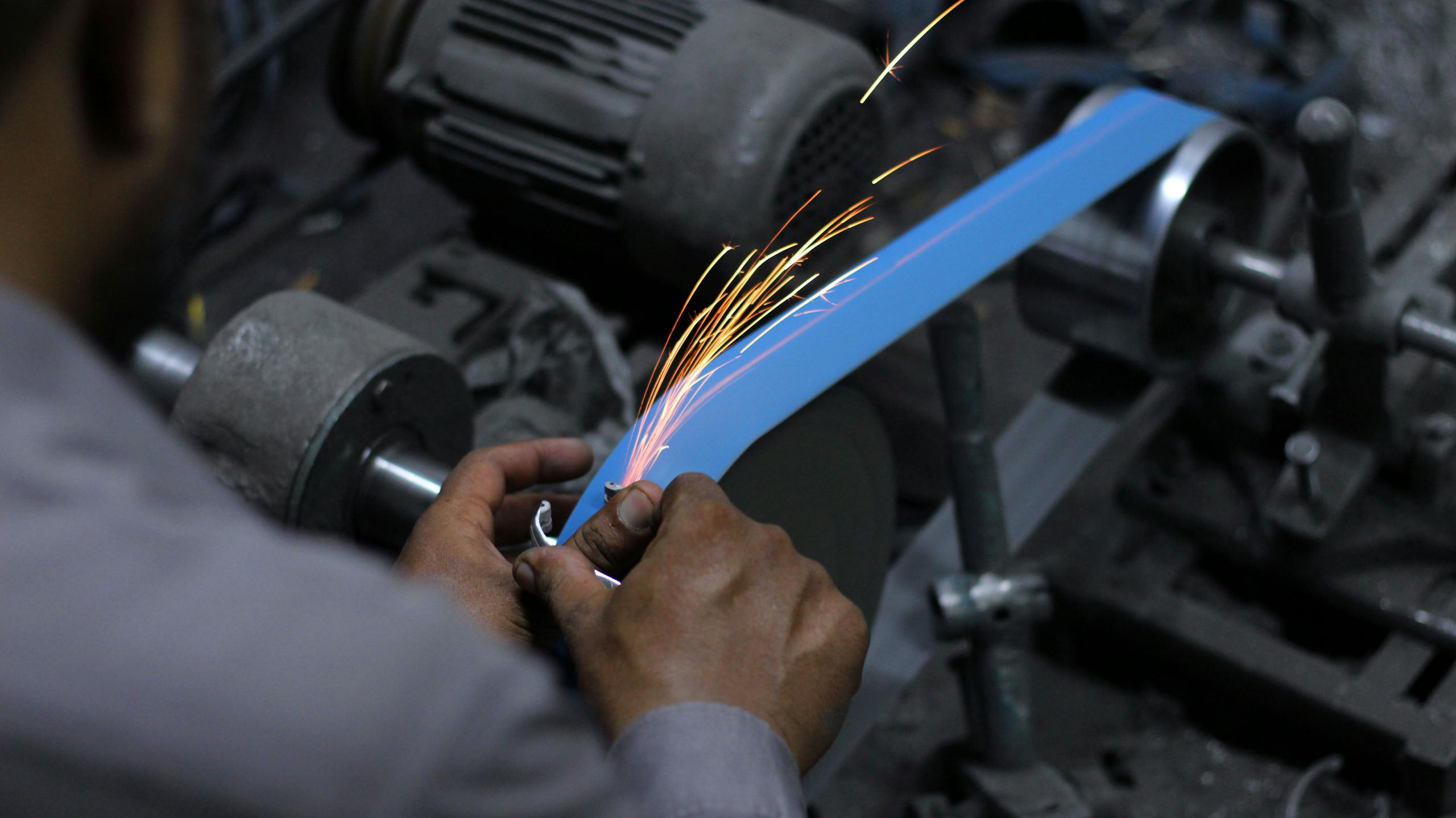
02 Step Two: Polishing
Coarse Polishing—Apply a small amount of toothpaste-like professional polishing compound to the metal surface. Using a dedicated polishing cloth, remove all uneven plating from the metal surface to achieve smoothness, enhancing the subsequent color plating’s luster. Re-clean: Thoroughly remove any residual polishing compound from the surface. Fine polishing: Perform secondary polishing with a dense-fiber chamois cloth to fully fill surface imperfections.
03 Step Three: Color Plating
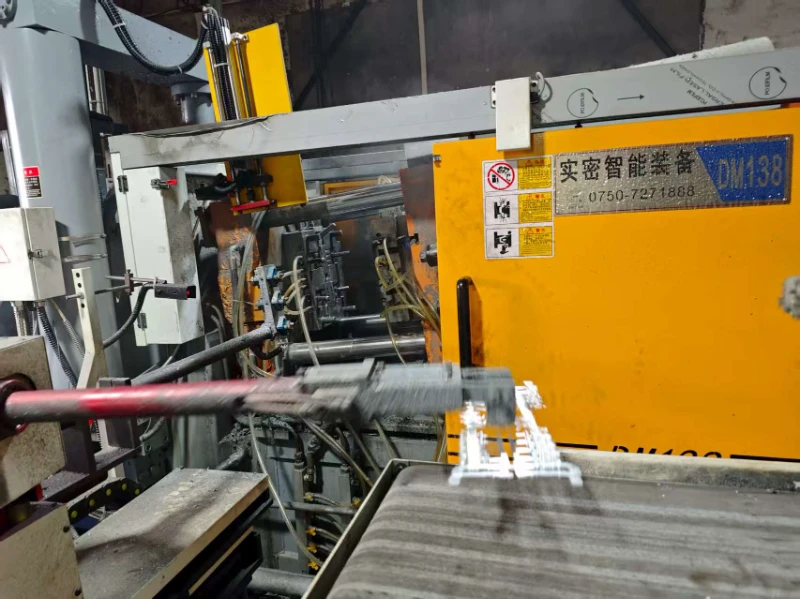
Color plating also requires specialized equipment to operate. It cannot be done by yourself; you need to go to a facility with the relevant equipment to have the color plating done. We previously published articles specifically covering How to Paint Bag Hardware and the Luggage Hardware Plating Process.
Step 5: Specialized Maintenance Service Providers: Scratch Repair for Luxury Handbag Hardware
Certain luxury brand handbags require repairs at authorized maintenance service providers, much like how cars need servicing at designated dealerships.

Replace the hardware with the same model
For many branded bags, original manufacturer’s hardware can be ordered, or found on the second-hand parts market. A professional craftsman will remove the old parts and fit the new ones, completely resolving any scratches. It may not be cheap, but it is better value than buying a new bag.
Step 6:Avoid these pitfalls—incorrect ‘stain removal’ methods can actually cause more damage to fittings
Using toothpaste as a polishing compound and scrubbing vigorously over a large area
although the abrasive particles in toothpaste are fine, the plated layer is much thinner than your tooth enamel. Just a few strokes are enough to wear through the gold plating, exposing the underlying surface. It is said online that toothpaste can remove scratches, but this is only true if used very lightly, on a very small area, and for a very short time to treat a specific spot; it is not meant for scrubbing an entire metal surface with a toothbrush.
Car polishing wax or metal polish
these products are designed for solid metal or car paintwork, and their abrasive power far exceeds what decorative plated fittings can withstand. Applying them is equivalent to sanding with coarse sandpaper, which will immediately ruin the plating.
Repeated wiping with alcohol
whilst alcohol can dissolve certain types of dirt, it also erodes the protective film on the surface of the plating; prolonged use will cause the hardware to oxidise and discolour more rapidly.
Using steel wool, scouring pads or stiff-bristled brushes
these tools create fine scratches a hundred times more numerous than the original ones, transforming the surface of the hardware from ‘a single scratch’ into a ‘hazy, mottled patch’, which looks even worse.
Step 7: Day-to-day care – the secret to minimising scratches
Cleaning takes precedence over repairs
After each use, wipe the metal fittings with a dry cloth to remove fingerprints, sweat marks and dust. Dust particles are extremely hard, and repeated friction against the metal surface will cause micro-scratches.
Wrap the metal fittings when storing the bag
For bags not in use for an extended period, wipe the metal fittings clean, then wrap them in thin tissue paper or a soft cloth before placing the bag in a dust bag. This both isolates the hardware from the air and prevents it from rubbing against the leather of the bag itself.
Avoid contact between the hardware and hard objects
When carrying the bag, ensure the hardware does not come into direct contact with tabletops, walls or the metal parts of other bags. For chain-strap bags, tuck the chain inside the bag before storing it to prevent it from rubbing against the bag’s surface.
If a scratch has just appeared, deal with it as soon as possible
If minor marks are left untreated for too long, dust and moisture will seep along the scratch and erode the edges of the plating, causing the scratch to widen. Wiping it gently with a cloth at an early stage may be all that is needed; if you leave it until the base metal is exposed, you will have no choice but to replace the part or have it re-plated.
In summary, handbag hardware scratches must be assessed by severity and treated according to material type and scratch characteristics. Note that not all scratches are repairable. For severe, irreparable damage, OYC recommends replacing the hardware with an identical new part. It’s worth noting that if your bag is a luxury item and you prefer not to handle repairs yourself, it’s best to have it maintained by a professional luxury goods repair and maintenance service provider.