can you mix hardware color on your bags you make
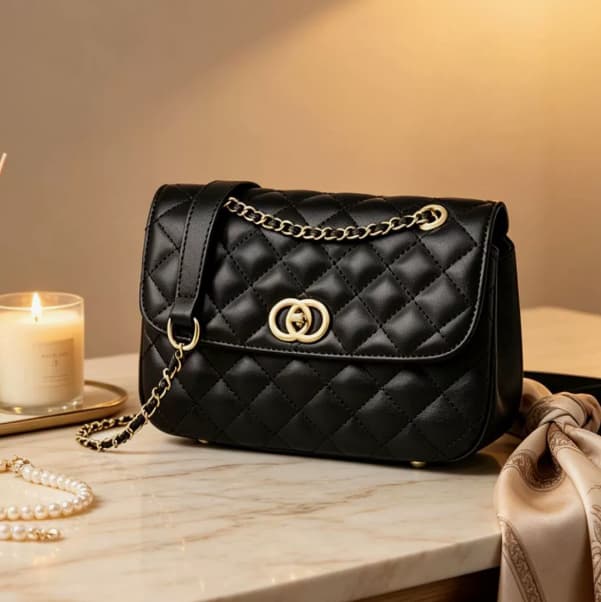
There are all kinds of bags on the market, but common bags usually have a distinctive style, so the corresponding bag hardware is usually of a uniform color. So, when making bags, can you mix and match hardware of different colors? mix hardware color on bags:
Answer: Yes, you can.
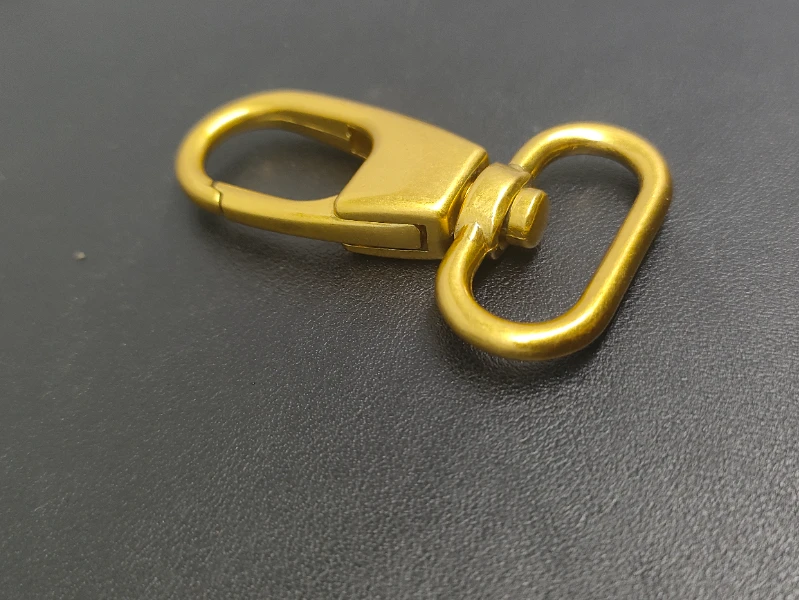
There are no actual regulations prohibiting the use of different colored bag hardware combinations. So, in what situations might you use mixed colored hardware combinations?
The Freedom of Choice in DIY Hardware
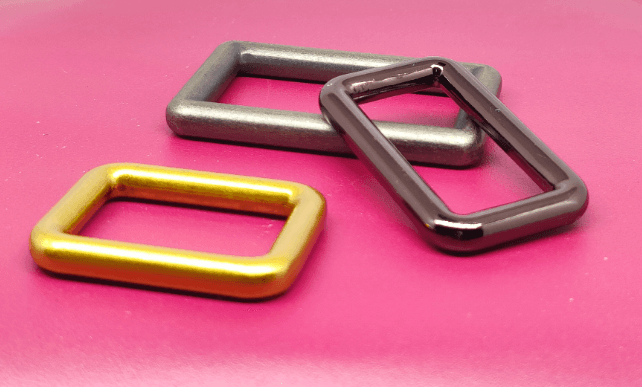
Mixing and matching hardware on DIY bags is, in essence, a form of ‘collage’ art. An old canvas bag can be fitted with gold monk buckles, paired with a silver chain shoulder strap, and accented with gunmetal-coloured D-rings. Such free-spirited combinations are not only accepted within the DIY community but are also regarded as an expression of personal style.
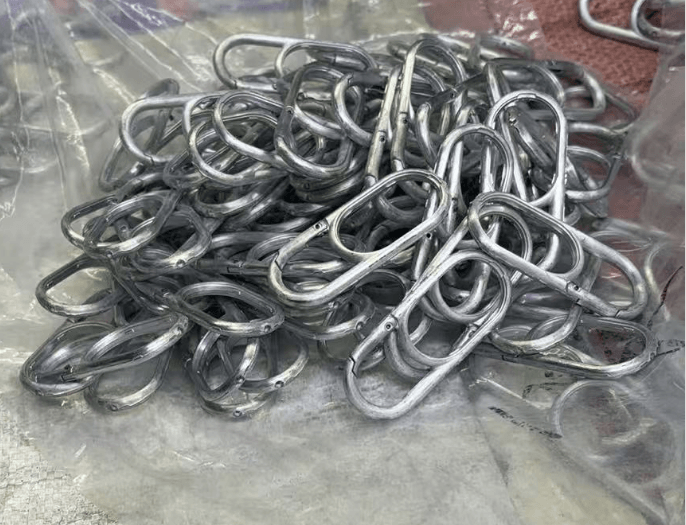
The unique advantage of mixing and matching DIY hardware lies in its low cost and ample scope for trial and error. Zinc alloy hardware is affordably priced at wholesale markets, with a wide range of colours available—including light gold, bronze, black bronze and gilded finishes. Enthusiasts can purchase multiple colours to experiment with combinations without worrying about the high cost of trial and error.
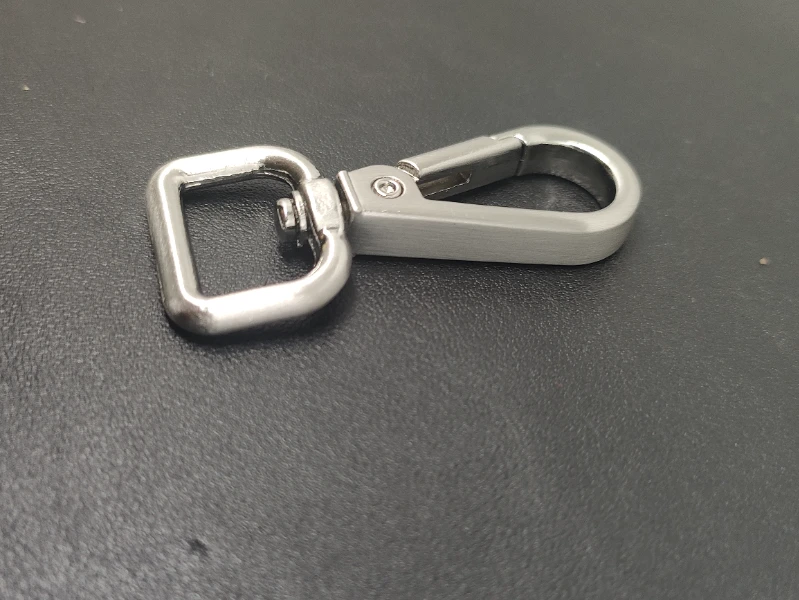
Practical Tips for Mixing and Matching in DIY Projects
When mixing and matching hardware in DIY projects, there are a few key points to bear in mind:
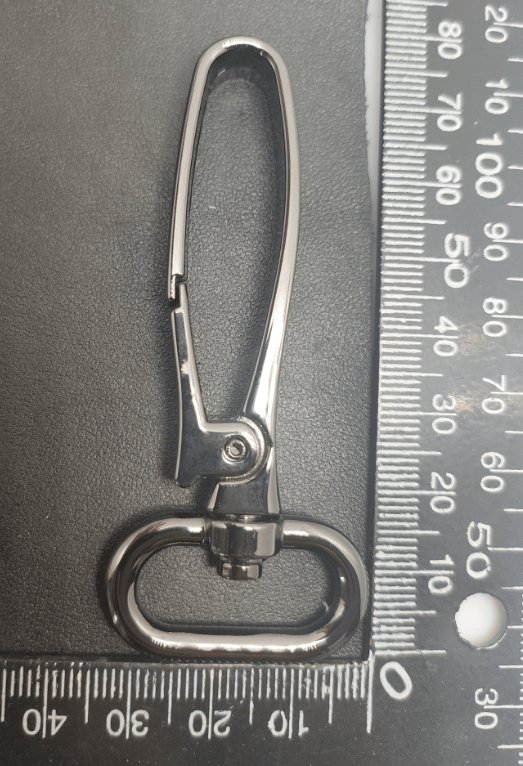
Material compatibility is fundamental. A canvas bag should be paired with lightweight zinc alloy fastenings, whilst a vegetable-tanned leather bag calls for substantial brass or antique bronze hardware; the weight and feel of the materials must complement the bag’s overall style. The method of attachment is equally crucial. For fittings such as rivets that require punching holes for installation, ensure that the corners are reinforced to prevent the leather from tearing; removable fittings, such as snap hooks, offer greater flexibility.
The experience shared by one DIY enthusiast whilst refurbishing an old make-up bag is particularly inspiring: she used an awl to punch holes with precision, tightened the nuts on the monk heads, and paired the bag with an adjustable crossbody strap – ‘without cutting a single stitch’ – breathing new life into a bag that had been gathering dust for years. This low-threshold, high-reward refurbishment experience is precisely where the charm of DIY hardware mixing and matching lies.
Handmade bags
Handmade bags, which are currently popular, are not mass-produced, so there is no need to overly consider mass market demands. As a result, bold color combinations may emerge, including those involving the colors of bag hardware components.
Structural Considerations in Mixing and Matching
When mixing and matching hardware on handmade bags, both aesthetics and engineering must be taken into account. In particular, the handle attachment—comprising the handle tab and metal ring—where the handle meets the bag body must ensure safe load-bearing capacity whilst achieving visual harmony or contrast. When bearing heavy loads, the straight edges of D-rings exert immense shear force on the leather seams; consequently, skilled craftspeople will add concealed reinforcement pads or double-stitching at the points where the D-ring comes into contact with the leather.
This pursuit of ‘invisible details’ is precisely the core value that sets handcrafted bags apart from fast-fashion products. When a craftsman is willing to spend time reinforcing the reverse side of the hardware, the mix-and-match approach is no longer merely a play on colours, but a commitment to quality.
Some Fashion Bags
Some fashion brands also occasionally release colorful, unique bags, and the hardware components of these bags may feature multiple color combinations.
The Fashionable Expression of Mixed Hardware
There are three main ways in which mixed hardware is presented in fashion bags:
A two-tone finish on a single hardware component. For example, a chain featuring alternating gold and silver links, or a logo clasp incorporating two metallic finishes. This approach has the greatest visual impact and represents the purest expression of ‘mixing and matching’.
Colour combinations across different hardware components. For example, the bag’s clasp might be gold, whilst the shoulder strap connection rings are gunmetal grey. This approach offers a more subtle sense of mix-and-match, suited to consumers who prefer a understated style.
Achieving a ‘secondary mix-and-match’ effect through accessories. If your bag features gold hardware, you could pair it with a silver bag charm to create a mix-and-match effect using accessories. This is the most cost-effective method and is best suited to those wishing to experiment with the mix-and-match style on a small scale.
The Courage and Wisdom of Mixing and Matching
The mixing and matching of hardware—from the free-spirited experimentation of DIY enthusiasts, to the measured considerations of artisanal craftspeople, and on to the cutting-edge statements of fashion brands—reveals diverse layers and possibilities. Whichever field you find yourself in, the core principle remains the same: mixing and matching is not about haphazardly piling things together, but rather the wisdom of finding harmony amidst differences.
For DIY enthusiasts, why not be bold and experiment with affordable fittings to explore your own visual language? As handmade bag makers, you can infuse your creations with a unique narrative through the mixing of hardware, whilst ensuring structural integrity. For fashion bag buyers, observing how brands utilise two-tone hardware can help you develop a keener aesthetic judgement.
Ultimately, mixing and matching hardware is an attitude—it tells us that style need not be an either/or proposition; gold and silver can coexist in harmony, and tradition and innovation can coexist within a small space. And the bag in your hand is the perfect embodiment of this very attitude.