Classification of handbags
The world of handbags is far more complex than what we typically encounter in our daily lives. From canvas totes on the high street to silk clutches on the red carpet, from commuters’ laptop rucksacks to travellers’ wheeled suitcases—every handbag serves a specific functional purpose and falls within a distinct category. This article will systematically organise the classification system of handbags across four dimensions—carrying style, functionality, materials and era-specific styles—to sketch out a comprehensive ‘map of handbags’.
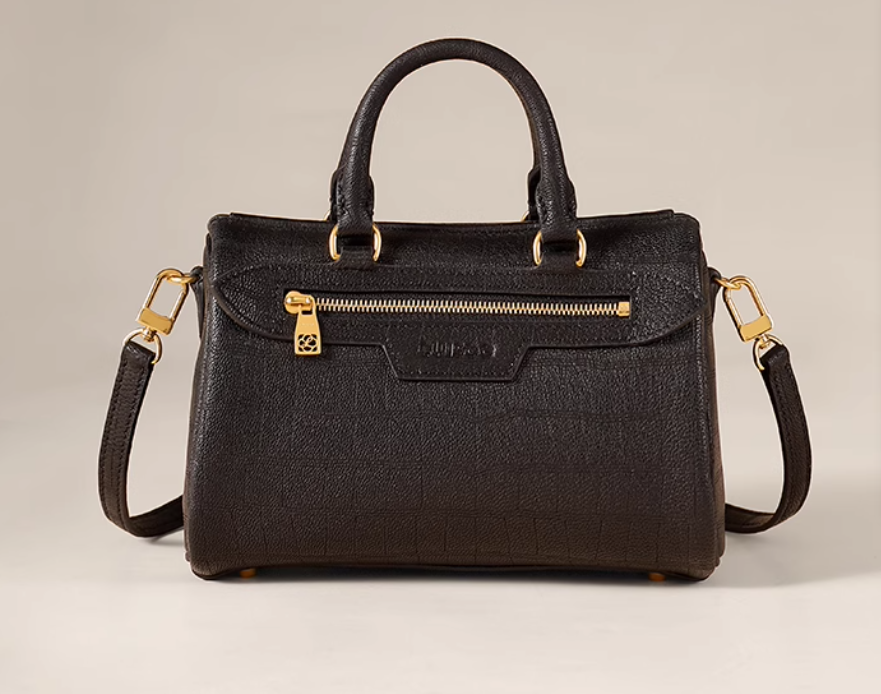
Classification by carrying method: the physical relationship between the person and the bag
This is the most intuitive classification criterion and the one most closely aligned with everyday use. The way a bag relates to the wearer’s body determines its usage scenarios, capacity limitations and stylistic character.
Handbags (Handbag/Tote)
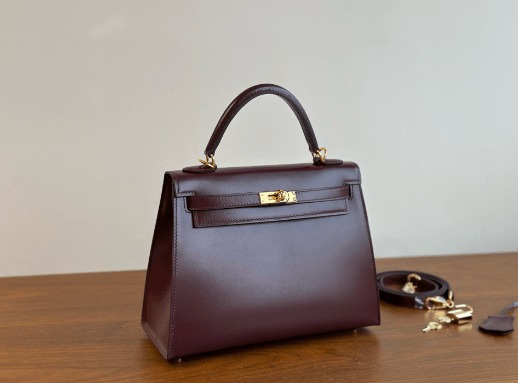
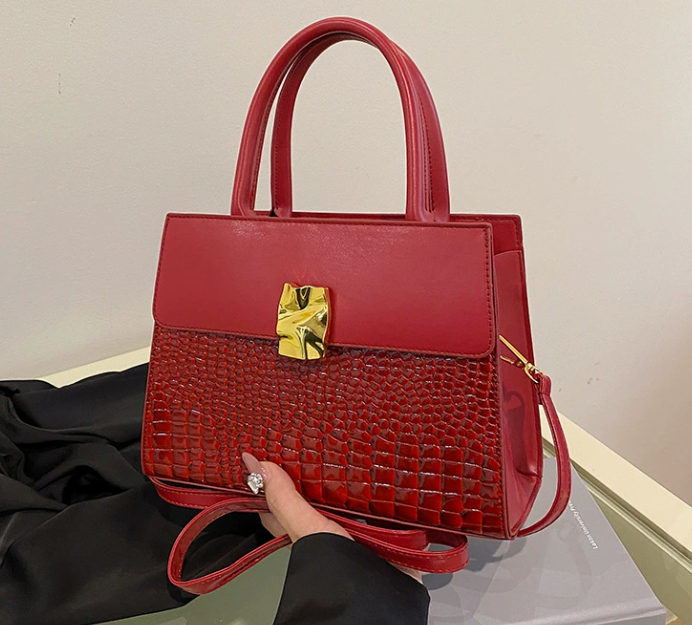
The handbag is about as classic as it gets. It’s got short handles—usually about 10 to 20 centimetres long—and you carry it in your hand. These bags tend to be medium to large, so they work well for commuting or packing a few things for a light trip. The good part? You can get to your stuff easily, the shape stays nice and structured, and they look pretty polished. The catch is that they take up one hand, so if you need both hands free, they’re not the best choice..
Typical examples include totes, Boston bags and doctor’s bags. According to market data, totes currently hold the largest market share in the handbag sector due to their versatility and practicality.
Shoulder Bag
A shoulder bag is worn over one shoulder via a long strap, with the bag hanging naturally at the side. Shoulder bags are neat, elegant, simple and natural, making them ideal for professionals in formal settings. Popular styles include minimalist chain-strap bags and diamond-quilted bags. In recent years, the revival of the ‘shoulder pouch’—with an extremely short strap that allows the bag to be tucked snugly under the arm—has become an iconic item in the fashion world.
Crossbody bag
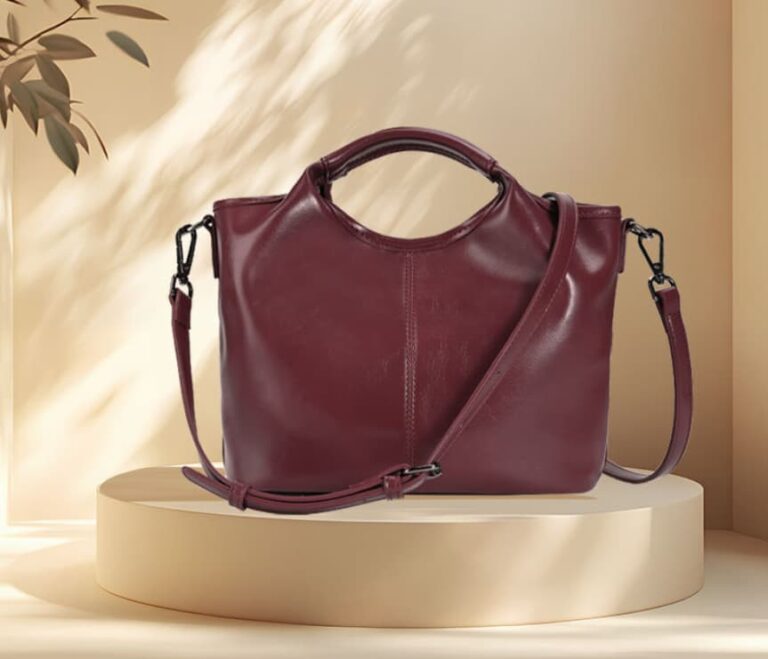
A crossbody bag has a long strap that goes diagonally across your body, from one shoulder down to the opposite hip. Wearing it this way keeps your bag in front or at your side, so it’s harder for anyone to snatch—plus both your hands stay free. The strap is usually adjustable too, so you can change where the bag sits depending on your height or how you like it. Younger shoppers especially love crossbody bags because they’re stylish but also super practical for everyday use.
Backpack
Backpacks are great because they spread the weight across both shoulders, so you can carry a ton of stuff without killing your back—and your hands are totally free. They’ve got that classic preppy look too, which makes them perfect for work, travel, or heading outdoors. Comfortable, roomy, and tough—what’s not to like? And these days, they’re not just for hauling gear anymore; even high-end brands like Burberry and Michael Kors have jumped on board with their own stylish versions.
Clutch/Wristlet
A clutch has no handles or shoulder straps (or may feature a detachable wrist strap) and must be held directly in the hand. Clutches are typically small in size and are suitable for pairing with elegant evening gowns for banquets or formal occasions. Their ultra-compact size and refined appearance make them an iconic accessory at gala dinners and on the red carpet. A wristlet is a variation of the clutch, featuring a short wrist strap that can be looped around the wrist, combining the elegance of a clutch with a degree of practicality.
Waist Bags/Bum Bags (Fanny Packs)
Waist bags are secured around the waist or hips with a strap and are ideal for storing small items such as keys and mobile phones whilst exercising, cycling or travelling. Once considered an outdated and ‘tacky’ accessory, waist bags have made a strong comeback following their reintroduction to the fashion scene by luxury brands such as Gucci. A bum bag is a variation of the fanny pack, worn across the chest, making it easier to access items whilst keeping them within sight; it is particularly popular amongst young men.
Multifunctional / Multiple Carrying Styles
In modern bag design, a single carrying method no longer meets consumer needs. An increasing number of bag styles adopt a ‘detachable shoulder strap and handle’ combination, allowing users to switch freely between being carried by hand, over one shoulder or across the body. Loewe’s Puzzle bag is a prime example.
Classified by material: from leather to sustainable materials
The material not only determines the appearance and texture of a bag, but also affects its durability, weight and cost.
Leather Types
Genuine Leather: covers a range of materials, including cowhide, sheepskin, and pigskin. Its durability and premium hand feel have made it the go-to choice for handbags for decades. Within this category, higher-quality leathers come in different grades—full-grain, top-grain, and split leather, to name a few..
Patent Leather: Leather with a high-gloss finish, characterised by a strong sheen, making it suitable for evening bags.
Synthetic Leather
PU leather/PVC leather: Synthetic leather that is affordable and available in a wide variety of styles, making it the preferred choice for fast-fashion brands.
Vegan leather: An eco-friendly alternative has risen in popularity recently, appealing to environmentally conscious consumers.
Fabrics
Canvas: Sturdy and hard-wearing, with a casual feel; commonly used for tote bags and travel bags.
Cotton/Nylon: Lightweight and machine-washable; suitable for sports bags and casual bags
Recycled/Sustainable Materials
As the concept of sustainable fashion becomes more widespread, eco-friendly materials made from recycled plastic bottles, recycled fibres and the like are accounting for an increasing share of the handbag market
Classification According to International Standards: A Customs and Patents Perspective
At the commercial and compliance levels, handbags are also subject to a standard classification system
Classification According to International Standards: A Customs and Patents Perspective
At the commercial and compliance levels, handbags are also subject to a standard classification system
HS Classification (International Trade)
Under the Harmonised System (HS), luggage and handbag products are primarily classified under ‘Trunks, handbags and similar containers’ (HS Code 4202), which comprises 14 subheadings. These are divided into three main categories based on the material of the outer surface:
- Luggage and handbags with plastic or textile outer surfaces: trunks, handbags and similar items with outer surfaces made of plastic or textile materials;
- Leather luggage: suitcases, handbags and similar items with exteriors made of leather, reconstituted leather or patent leather;
- Luggage made from other materials: suitcases, handbags and similar items with exteriors made of other materials
IPC Patent Classification
The International Patent Classification (IPC) groups handbags into Class A45C (‘Wallets; luggage; handbags’), which then breaks down into detailed subclasses for wallets, briefcases, shopping bags, ladies’ handbags, hard-shell suitcases, foldable suitcases, anti-theft devices, and more
Classified by Style and Era: A Snapshot of Fashion History
From a fashion perspective, handbags can also be categorised according to design style and historical period:
Vintage/Classic: Drawing on classic silhouettes (such as the saddle bag, baguette bag and Cambridge bag), emphasising a sense of history and the heritage of craftsmanship.
Modern/Minimalist: Featuring clean lines, understated hardware and pure colours, this style emphasises contemporary design.
Bohemian/Casual: Hobo bags, woven bags and fringed details emphasise a carefree, handcrafted aesthetic.
Sporty/Streetwear: Bumbags, chest bags and functional designs emphasise practicality and a youthful vibe.
Conclusion
The handbag classification system forms a multi-dimensional, interwoven web—one bag can simultaneously belong to ‘handbag’, ‘tote bag’, ‘genuine leather bag’ or ‘commuter bag’ categories, each dimension shaping its identity. From carrying methods to silhouette, and from functionality to materials, this classification not only helps us understand the vast category of handbags but also reveals the diverse ways in which humanity responds to the fundamental need for a ‘portable container’. Whether you are a designer, a buyer or an ordinary consumer, mastering this classification system will enable you to pinpoint your needs more accurately when selecting or designing handbags—because every handbag represents the optimal solution where function and form meet within a specific context.