How to Choose Quality Handbag Hardware for Leather Bag Production
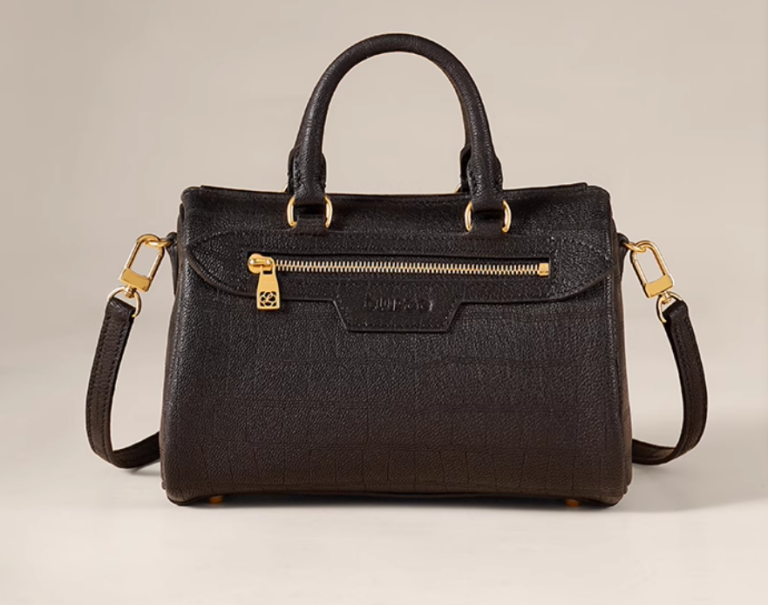
In the production of handbags and leather goods, the leather determines the product’s texture and aesthetic appeal, while handbag hardware components determine the baseline quality and post-sale risks. From a procurement perspective, selecting handbag hardware involves more than just appearance; the key factors are: authenticity of the base material, structural durability, plating durability, batch consistency, and compliance with international trade regulations.
The vast majority of issues related to rework, customer complaints, returns, and customs detentions in the leather goods industry stem from incorrect hardware selection and lax incoming inspection controls. Drawing on practical procurement experience, this article breaks down actionable standards for material selection, acceptance testing, and avoiding pitfalls.
Choose the base material based on the product’s positioning: don’t skimp and risk failure, but don’t overspend and waste resources.
Core Logic for Material Selection in Procurement: Match materials based on product grade, target market, and stress scenarios; using mixed materials across a product line is the biggest risk for mass production.
Zinc Alloy No. 3 (Zamak 3#) | Primary General-Purpose Material
- Applications: Mid- to high-end women’s handbags, affordable luxury leather goods, uniquely shaped buckles, decorative nameplates, and other mainstream styles.
- Key Procurement Risk Control Points: Only brand-new virgin materials are permitted; recycled or mixed materials are strictly prohibited. Hardware made from mixed materials contains numerous internal pores and has poor density, making it highly prone to breakage in mass production, plating blistering, and oxidation leading to blackening.
- Manufacturing Standards: Wall thickness for load-bearing components must be ≥1.5 mm; for standard decorative components, ≥1.2 mm.
Brass | Designed for High-End, Long-Term Product Lines
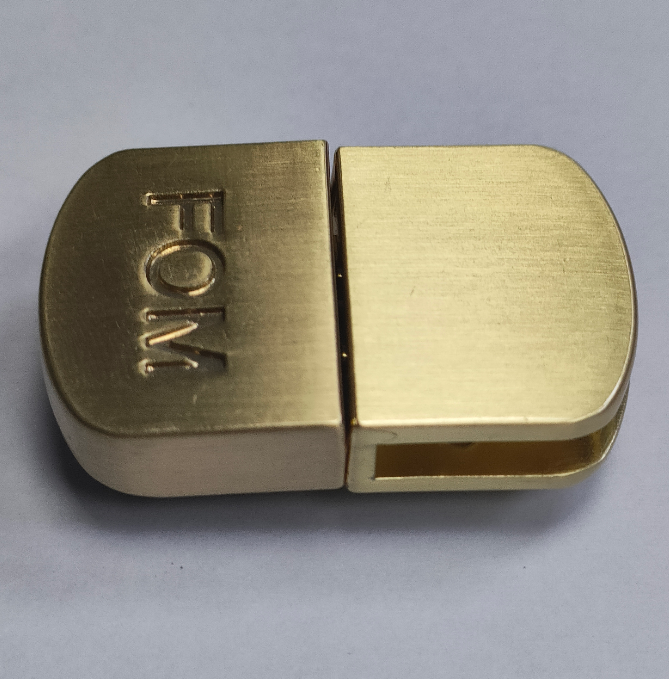
- Advantages: High toughness, corrosion resistance, and resistance to brittle fracture; offers a premium brushed and vintage-inspired finish.
- Applications: High-end genuine leather bags, vintage-style designs, and high-priced, long-term products.
- Purchasing Tips: Relatively high cost; not suitable for budget-friendly, high-volume orders. Match quantities to actual needs to avoid waste from excess inventory.
304 Stainless Steel | Essential for Load-Bearing and Outdoor Applications
- Advantages: Extremely rust-resistant, wear-resistant, and corrosion-resistant; offers the longest service life.
- Applications: Dog clips, D-rings, shoulder strap adjustment buckles, and load-bearing hardware for outdoor backpacks and work bags.
- Limitations: Cannot be formed into complex or irregular shapes; designs are limited; prioritizes functional stability.
Iron | Used exclusively for low-end, high-volume models
- Advantages: High hardness, extremely low cost.
- Disadvantages: Prone to rust, poor weather resistance.
- Purchasing Requirements: To be used only for low-end domestic orders; must feature a thick electroplated coating; strictly prohibited for export and mid-to-high-end products.
Aluminum | For Lightweight Decorative Applications Only
- Advantages: Lightweight; can be color-anodized.
- Disadvantages: Relatively soft; prone to deformation under stress; not load-bearing.
- Applications: Casual decorative hardware; absolutely prohibited for use as load-bearing fasteners.
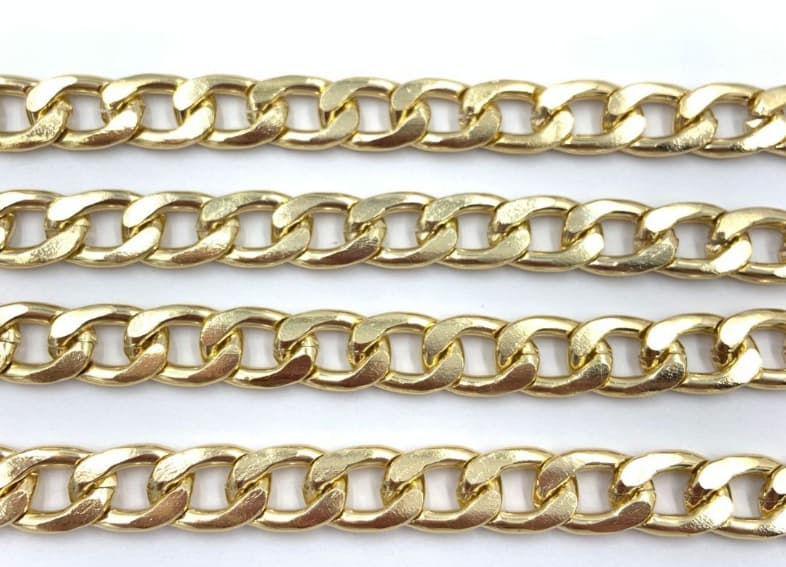 | 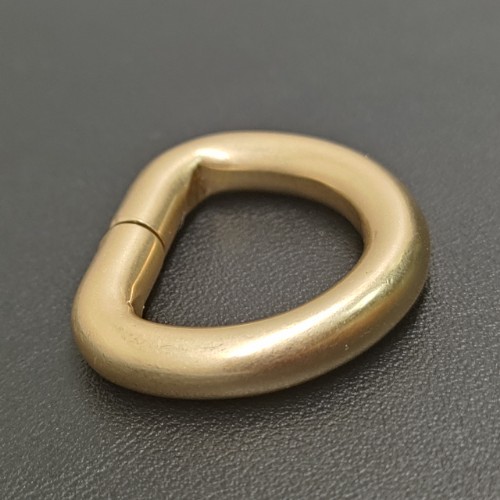 | 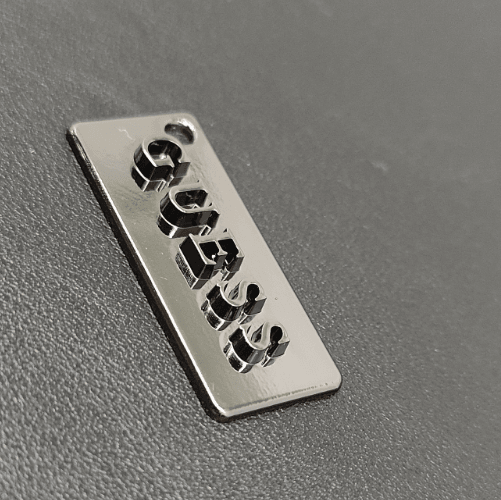 | 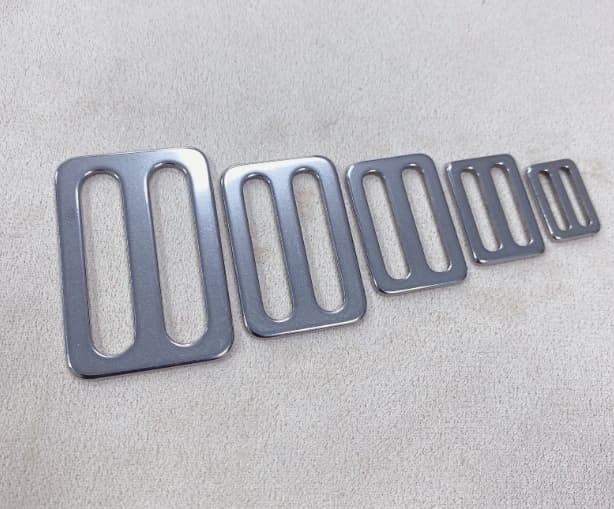 |
| Aluminum Material | Iron material | Zinc alloy material | Stainless Steel Material |
Acceptance Testing by Function: Preventing Decorative Components from Being Used as Load-Bearing Components
The Most Fatal Mistake in Procurement: Applying a Single Procurement Standard Without Distinguishing Between Functions. Three separate sets of acceptance standards must be applied for load-bearing components, locking hardware, and decorative components.
Load-bearing Hardware (Core Risk Control Item)
Includes: carabiners, D-rings, square buckles, shoulder strap adjustment buckles, and connecting buckles
Acceptance Criteria:
- Springs must rebound smoothly, without sagging or sticking; stainless steel springs are preferred to prevent rust and water seepage associated with iron springs.
- Tensile strength must meet standards: standard women’s handbags must withstand a tensile force of ≥15 kg without breaking or the clasp coming undone; for outdoor bags and work bags, the tensile strength standard is doubled.
- Welds must be full and solid with no cold welds, hidden cracks, or false welds.
Locking and Unlocking Hardware
Includes: magnetic clasps, twist locks, and slide locks.
Acceptance Criteria:
- The magnetic clasp should have moderate magnetic force; it should not pop open on its own, nor should it be too tight to open or close.
- The factory must nickel-plate the magnets or coat them with sealant to prevent oxidation, rust, and contamination of the lining and leather
- The gaps between the metal latches should be uniform; they should open and close smoothly and not make any unusual noises when shaken.
Decorative Hardware
Includes: nameplates, decorative fasteners, decorative chains, and decorative rivets.
Key inspection points: We may relax structural strength requirements to balance cost and aesthetics, provided the hardware keeps a uniform appearance with no color variations, no scratches, or pitting
Surface Treatment Inspection: Directly Determines Color Fading, Dye Penetration, and Weather Resistance
The material determines the product’s lifespan, while the electroplating process determines its quality consistency. Purchasing professionals do not need to be experts in the technical processes, but they must understand practical sampling inspection standards.
Standard Quality Requirements for Conventional Electroplating
Uniform requirements for high-end orders: multi-layer nickel undercoat + topcoat plating + sealing oil for oxidation resistance.
Plating specifications: Nickel undercoat ≥ 5 μm, topcoat ≥ 0.1 μm; surface must be free of pinholes, pitting, and peeling.
Special Requirements for Antique Finish
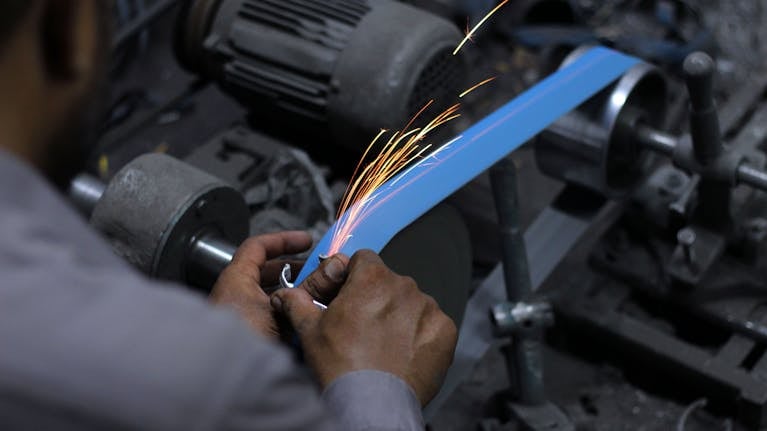
Workers must seal antique bronze and antique silver hardware with a protective coating. Hardware that workers do not seal will continue to oxidize and discolor, directly staining the genuine leather black and causing the entire batch to be scrapped
Simple On-Site Inspection Methods for Purchasing
- Alcohol Wipe Test: Wipe repeatedly with a lint-free cloth dipped in alcohol; there should be no noticeable staining or color fading.
- Hand Feel Test: All edges and corners should be smooth with no burrs; the product should not cut the skin or hands.
- Salt Spray Test: Standard export orders must meet standards within 24 hours; mid- to high-end brand orders must show no rust or blistering after 48–72 hours.
Tolerance and Sample Control: Solving the Pain Points of Mass Production Rework
In many factories, inaccurate hardware dimensions, misaligned holes, and discrepancies between samples and mass-produced parts—not workmanship issues—cause rework
Dimension Tolerance Standards
- Standard exterior components: Tolerance ±0.15 mm
- Locks and fasteners: Strictly controlled tolerance of ±0.1 mm
Hole positions and center distances must be precise; otherwise, the team cannot assemble the cut pieces after punching, resulting in large-scale rework
Sample Approval and Control (The Most Effective Risk Control Measure in Procurement)
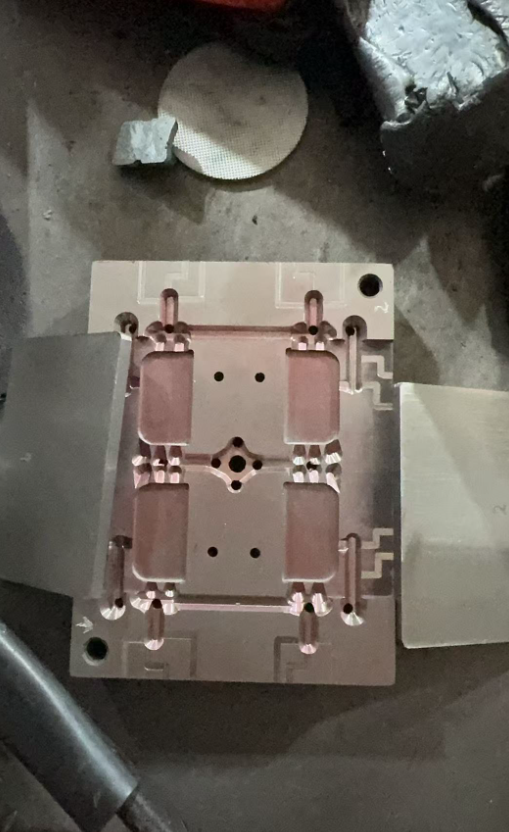
Custom hardware must follow the entire process: mold trial samples → leather fitting trials → revisions and finalization → tripartite sample approval.
The procurement department, the production workshop, and the supplier must retain and file one set each of the prototype, pre-production sample, and mass-production sample Mass production must strictly adhere to the approved samples to prevent suppliers from using inferior materials, cutting corners in the manufacturing process, or substituting materials.
Red Lines for Foreign Trade Orders: Compliance Certification to Avoid Detentions and Returns
For orders from Europe, the U.S., and Australia, hardware compliance is a mandatory requirement and a step that procurement absolutely cannot skip.
Three Essential Compliance Standards
All metal components that come into contact with the skin must comply with: RoHS, REACH SVHC, and the EU nickel release standard, to prevent excessive heavy metal levels and the risk of skin allergies.
Report Verification Requirements
The company will not accept generic or outdated certificates, or certificates used for other products Suppliers must provide material certificates and test reports corresponding to the specific production batch to ensure valid customs clearance and traceability.
Supplier Screening and Incoming Quality Control (IQC): The Final Line of Defense for Quality
Supplier Selection Principles
- Give priority to specialized handbag hardware manufacturers with in-house die-casting and electroplating facilities; outsourcing electroplating results in significant quality fluctuations and is not suitable for stable, large orders.
- New suppliers must first undergo a trial production run with a small order to verify quality, delivery times, and after-sales service before proceeding with bulk production.
Mandatory Inspection Items for Incoming Materials
Appearance and color variation, surface defects, random dimensional checks with calipers, opening and closing function tests, alcohol resistance and abrasion tests, and leather material fit during trial assembly.
Moisture-Proof Packaging Requirements
Workers must package handbag hardware components in individual protective packaging and place desiccants inside the cartons to prevent scratches from friction during transport, as well as moisture damage, oxidation, and discoloration
Summary of Common Pitfalls in High-Frequency Purchasing (Key Points to Avoid)
- Workers made prototypes with brand-new materials, but someone secretly substituted the mass production batch with recycled mixed materials, which caused widespread breakage and bubbling of the plating
- Workers did not seal antique-finished handbag hardware with oil, which caused continuous color bleeding after shipment and stained high-end leather.
- Manufacturers used iron springs for load-bearing components; in humid environments, they rusted and leaked water, causing customers to complain
- Lax tolerance control resulted in misaligned hole positions in mass production, causing workshop rework costs to skyrocket.
- Neglecting nickel release limits and environmental compliance caused authorities to detain, return, or fine foreign trade orders
Conclusion
From a procurement perspective, the logic behind selecting high-quality handbag hardware is as follows: choose the base material based on the product’s positioning, set standards based on functionality, ensure durability through manufacturing processes, control mass production based on approved samples, and manage risk through compliance. Selecting the right hardware not only elevates the product’s quality but is also the key to reducing rework, minimizing customer complaints, and maintaining a stable brand reputation.