How to Repair Damaged Hardware on High-End Bags and What Is the Typical Repair Cost?
As high-end luxury items, damaged hardware on premium handbags can be a major headache for owners. Repair methods depend on various factors, and costs vary based on damage severity and bag style. Below we explore repair options and price ranges for damaged hardware on luxury handbags.
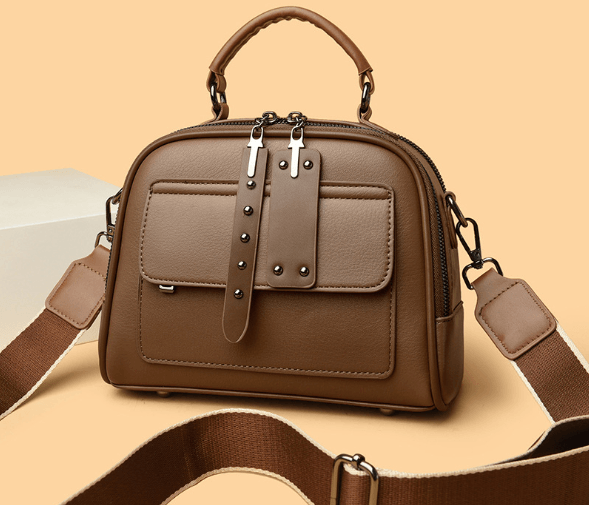
Common Types and Causes of Damage to Metal Fittings
Understanding the types of damage is essential for selecting a repair solution. Damage to metal fittings on high-end bags is generally categorised as follows:
Oxidation and discolouration: These are the most common issues. Prolonged exposure of metal fittings to air, hand perspiration (the degree of damage to metal varies depending on the pH level) and the chemical components in cosmetics can cause the surface plating to undergo a chemical reaction, resulting in the loss of its original lustre and the appearance of a dull or blackened finish, or even flaking of the plating.
Scratches and wear: During everyday use, friction or knocks against hard objects can leave scratches of varying depths on the surface of the metal fittings, damaging the smoothness of the metal surface. Even the slightest scratches may appear mottled when held up to the light.
Deformation and breakage: Hardware may become deformed, break or come loose as a result of external pressure, impact or frequent opening and closing. For example, press studs on bag flaps may come loose and be lost due to repeated opening and closing, whilst chains may snap if subjected to uneven stress.
Plating flaking (exposing the base material): Following severe wear or oxidation, the surface plating has completely worn away, exposing the underlying alloy (such as a copper-zinc alloy), which appears silver-grey or bronze in colour, forming a stark contrast with the surrounding gold or silver plating.
Repairing Damaged Hardware on High-End Handbags:
How can damaged hardware on high-end handbags be repaired? What is the typical repair cost?
When hardware on a high-end handbag is damaged, the first step is to assess the specific issue. For minor scratches or oxidation, DIY cleaning and maintenance may suffice.
For instance, use a specialized metal cleaner and gently wipe the hardware surface according to instructions to remove light oxidation layers and stains.
Applying a small amount of metal protective oil may help. However, for more severe issues like broken or deformed hardware, it’s advisable to send the bag to the brand’s official after-sales service.
Official services have professional repair teams and genuine replacement parts, ensuring the highest repair quality and preserving the bag’s original condition. Note that official repairs may take longer, and certain special editions or limited-edition bags might face additional restrictions or procedures.
Professional luxury repair shops are another option. These establishments typically employ experienced repair technicians capable of addressing various hardware issues and may offer more flexible turnaround times. However, it’s crucial to carefully vet the shop’s credentials and reputation to avoid unprofessional repairs that could damage the bag.
What is the typical cost for repairing bag hardware on high-end bags?
How should you repair damaged hardware on high-end bags? What does a typical repair usually cost?
It’s difficult to provide a fixed price for high-end handbag hardware repairs.
minor cleaning and maintenance
Generally, minor cleaning and maintenance may cost around several hundred yuan.
Replacing a standard bag hardware clasp
Typically ranges from 1,000 to 3,000 yuan.
For more complex repairs
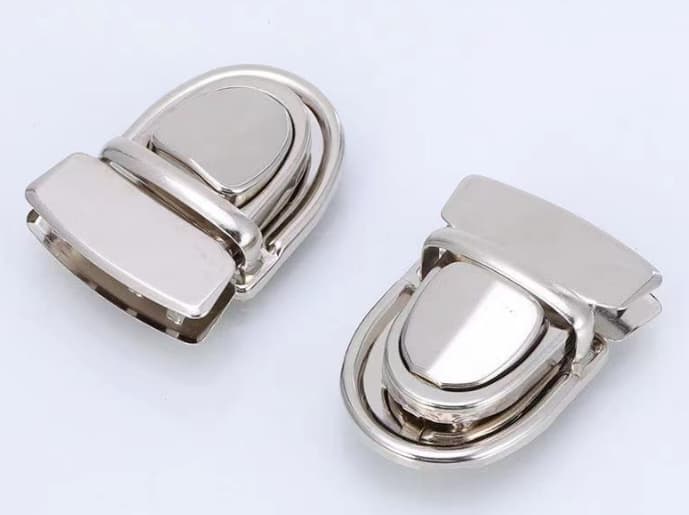
Such as replacing an entire bag lock mechanism or restoring hardware with specialized craftsmanship, costs may exceed 5,000 yuan. Repairs for limited-edition or rare-material hardware can even reach tens of thousands of yuan.
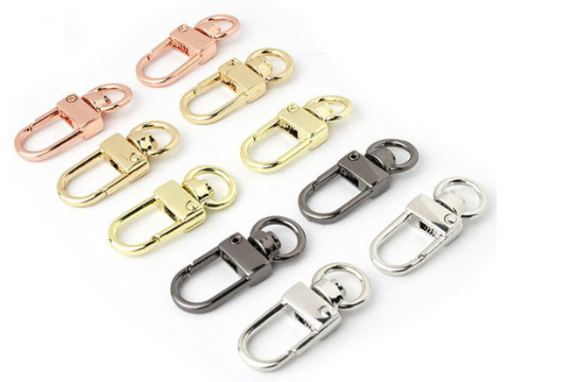
Pricing primarily depends on the bag’s design, the hardware’s rarity, the severity of damage, and the techniques and materials used in the repair. For instance, repairing hardware on a classic Birkin bag is relatively standard, whereas custom or special commemorative editions command significantly higher fees due to their uniqueness.
Price Comparison Across Different Repair Channels
Official brand after-sales service: Prices are generally higher. For example, an official LV service to replace individual hardware components or carry out specialist repairs may cost between 800 and 2,500 yuan. The advantage is that genuine parts are used, which does not adversely affect the resale value of second-hand items, making it suitable for classic styles that retain their value well (such as Hermès and the Chanel CF). The disadvantage is that the turnaround time is relatively long (usually 14–28 days).
Specialist third-party luxury goods repair services: such as Yujinjiang and Secoo Luxury Care. Prices are relatively flexible, and there are a variety of repair options to choose from. The cost of polishing minor scratches on an LV ‘Fortune’ bag is approximately 400–1,200 yuan. Third-party repairs may result in a slight reduction of 5–10 per cent in the bag’s resale value, but for non-ultra-luxury models or everyday bags, this is a cost-effective option. It is essential to choose a leading chain with physical branches that provides written quotations and a warranty agreement.
Key considerations in maintenance decision-making: to repair or not to repair?
Not all damage to hardware is worth repairing. Before deciding to send it for repair, please bear in mind the following three golden rules
Minor oxidation and fine scratches: it is advisable not to have these repaired. Reputable recycling organisations have established valuation models for such imperfections, typically resulting in a deduction of only 5–15 per cent from the estimated value. If you insist on having them polished, the resulting colour discrepancies or traces of the polishing process following electroplating may lead to the item being classified as ‘standardly repaired’, resulting in a 40–50 per cent reduction in its second-hand value—which is not worth the cost.
For ultra-luxury and classic models (such as Hermès, the Chanel CF and LV Monogram): you must always opt for official repairs. Although the costs are slightly higher, this ensures the bag retains its original factory authenticity to the greatest extent possible, safeguarding its resale value in the second-hand market.
Items with low resale value or ‘affordable luxury’ pieces: If the repair costs exceed 30–50 per cent of the bag’s current residual value, you should think carefully before proceeding. In many cases, selling it second-hand or simply leaving it unused is a more economical option than paying high repair costs.
summary
Repairing damaged hardware on high-end bags requires careful consideration. Whether choosing official after-sales service or a professional repair shop, weigh factors like repair quality, cost, and turnaround time. Prioritizing daily care can minimize hardware damage risks, extend the bag’s lifespan, and preserve the refined elegance of luxury accessories. For non-luxury bags, the process is simpler: directly source replacement hardware matching the original color, material, and size from the market.