Damaged Bag Snap‑Hook: Damage Causes & Replacement Guidance | OYC Hardware
Snap‑hooks are critical connecting hardware for handbags and luggage. Broken or worn snap‑hooks can be fully replaced with properly‑matched components to restore both visual appearance and product functionality. Besides snap‑hooks, bag hardware also includes D‑rings, locks and zippers. All these fittings jointly define product aesthetics, user‑friendliness and usage security.
During daily operation, bag hardware suffers wear, discoloration, rust and fracture from repeated friction, impact and humid surroundings. This article explains common failure modes, root‑causes, replacement feasibility, operating steps and key decision‑making points for leather‑goods procurement and after‑sales teams.

Common Damage‑Prone Hardware Types For Bag Assemblies
Material and structural design of bag clasps determine repair options. Main hardware categories are listed below:
- Metal snap‑hooks: Mostly die‑cast zinc‑alloy for mid‑to‑high‑end bags, including lobster‑clasp and spring‑gate styles. Typical failures: spring fatigue, body fracture and plating wear‑off.
- Plastic snap‑fasteners (ladder‑type buckles): Widely used for backpack, camera‑bag and casual‑bag shoulder‑straps. Damage usually comes from material ageing, brittleness and broken gear‑teeth. ‑
- Quick‑release buckles: Designed for fast dis‑assembly; some versions adopt special slotted‑screw structures for tool‑free part replacement.
Root‑Causes For Snap‑Hook & Bag‑Clasp Fracture
Hardware fracture rarely happens without cause. Understanding failure mechanisms helps brands optimise hardware specification and end‑user care guidance
- Metal fatigue & material ageing: Repeated cyclic stress generates invisible internal micro‑cracks, eventually triggering sudden fracture at stress‑concentration points. Plastic fittings degrade under UV‑light and temperature fluctuation and turn brittle.
- Mechanical impact damage: Hardware can crack from being crushed, door‑squeezed or dropped from height.
- Over‑load stress: Exceeding the hardware rated‑load accelerates deformation and structural failure
Hardware Replacement: Feasibility & Business Significance
Replacement Feasibility Assessment
Most bag hardware can be replaced, whether for mainstream fashion‑bag models or premium‑grade collections. The market supplies abundant hardware options covering diverse dimension and finish requirements
Why Timely Hardware Replacement Matters
Proper hardware replacement restores product functionality, extends service‑life and preserves the bag’s visual and residual market value. For premium leather goods, intact hardware appearance is one of key evaluation criteria for residual‑value assessment.
Practical Workflow For Snap‑Hook Replacement
Confirm replacement needs: First, carefully inspect the damage to the bag’s hardware to determine which parts need replacement. Minor wear may only require simple repairs, while severe damage will call for replacement.

Source Dimension‑&‑Finish‑Matched Replacement Parts
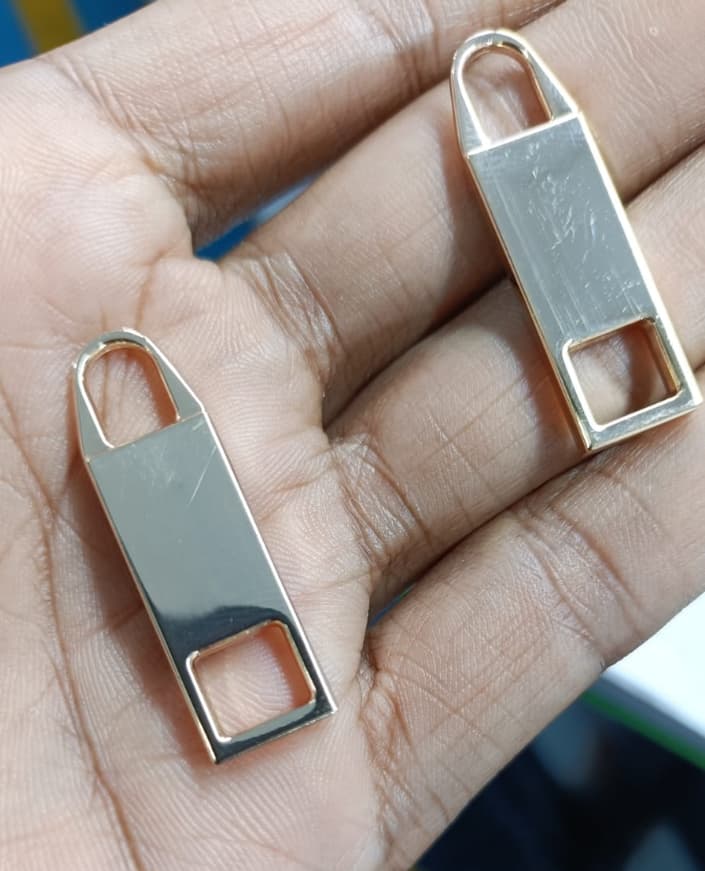
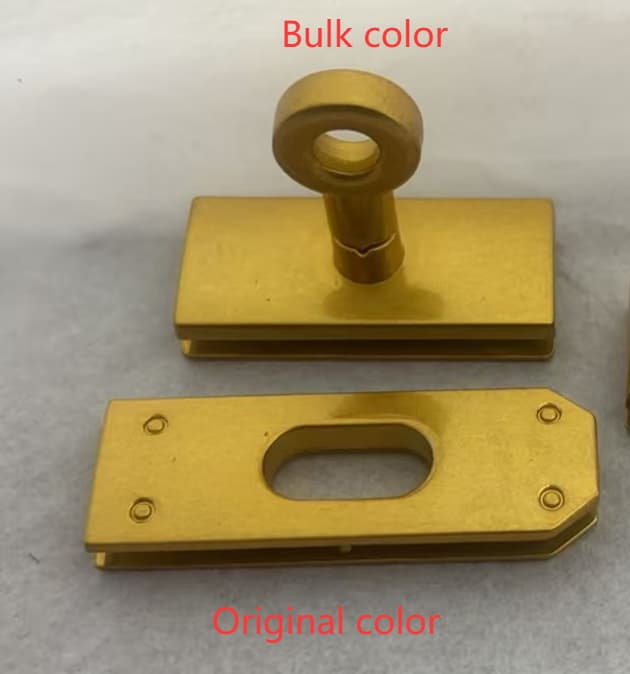
Select replacement snap‑hooks matching original sample on dimension, shape, surface‑finish and material. Standard snap‑hooks belong to universal hardware parts. Unlike custom lock‑cases or engraved brand name‑plates, most stock snap‑hooks can achieve high visual consistency with original fittings.
Professional Dismantling & Installation Operation
Hardware replacement requires special tools and operational experience. Improper handling may scratch or tear leather / webbing material. Operators without adequate experience are recommended to assign professional technicians for disassembly and secure installation
Post‑Installation Functional Inspection & Fine‑Tuning
After installation, inspect the full assembly. Confirm smooth spring‑gate movement and zero loose play, make fine adjustments if required.
Decision‑Making Framework: Should You Proceed With Hardware Replacement?
A repairable snap‑hook does not always mean replacement is economically worthwhile. Evaluate three key dimensions before arranging hardware‑replacement work
Product residual‑value vs expected repair‑cost: If projected replacement labour‑and‑part‑cost approaches or exceeds the item’s residual‑market‑value, evaluate alternative solutions.
Physical repair feasibility: Check whether original hardware is permanently sewn / riveted into webbing without accessible disassembly‑points. Non‑removable mounting structure will greatly raise repair difficulty.
Replacement‑part compatibility: For premium‑appearance‑critical products, if perfectly‑matched off‑the‑shelf hardware cannot be sourced, official‑channel custom‑mould replacement should be considered
Important Risks Of DIY Hardware‑Replacement Work
DIY snap‑hook replacement carries multiple risks. If attempting self‑service, prepare proper tools and fully understand operation risks. Take strict protection measures for surrounding leather and webbing to avoid scratch and tear damage.
Even if only plating fades /oxidises without structural fracture, surface refurbishment should be prioritised instead of direct hardware swapping
FAQ for Snap‑Hook Damage & Replacement
Q1: Can every broken snap‑hook be replaced?
A: Most standard‑design snap‑hooks can be swapped out. Hardware permanently embedded / fully sewn‑into product structure will bring higher replacement difficulty.
Q2: What are core requirements for selecting replacement snap‑hook?
A: Must match inner‑dimension, wire‑thickness, material grade, plating‑finish and rated‑load capacity of original hardware. Visual similarity alone is insufficient.
Q3: Why is DIY snap‑hook replacement not always recommended?
A: Improper disassembly can scratch leather, tear webbing or damage surrounding hardware. Without professional fixture, assembly tension may be out‑of‑spec and cause early re‑failure.
Q4: If only plating fades but hook structure remains intact, should I replace hardware directly?
A: If mechanical function stays normal, surface refurbishment is preferred over full‑part replacement; replace hardware only when spring‑function or body‑structure fails.
Q5: What can brands do to reduce snap‑hook failure complaints in advance?
A: Define clear material grade, fatigue‑cycle test and rated‑load requirements in hardware technical‑spec; verify performance on pre‑production samples.
Conclusion
Snap‑hook hardware failure comes from metal fatigue, plastic ageing, impact damage and over‑loading. Many broken snap‑hooks can be replaced, yet teams need to evaluate feasibility, part‑matching condition and economic return before starting replacement work.
For leather‑goods brands: Optimise hardware material & load‑spec at product‑development phase to lower hardware‑failure rate. For after‑sales programmes, stock‑item or custom‑mould matched replacement snap‑hooks can be sourced from hardware manufacturers.
OYC Hardware supplies universal and custom‑mould snap‑hooks, and can provide dimension‑matched replacement hardware samples for brand after‑sales projects.
Discuss Your Replacement‑Hardware Sourcing Project
- Chat on WhatsApp +86-13924451472
- Submit Your Hardware Requirement