The Best Luggage Hardware Packaging to Prevent Damage During Transport
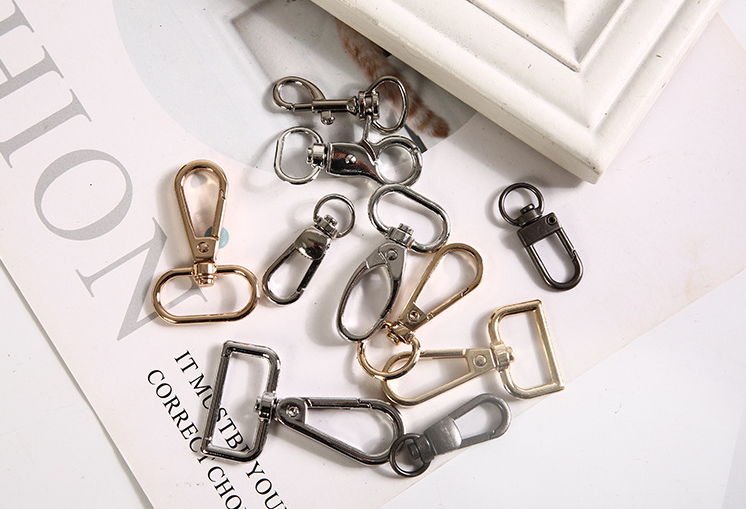
The luggage hardware components include the handle, lock, wheels, metal frame, rivets, hinges, etc., which are the core components of the luggage structure and directly affect the stability and appearance texture of the luggage. The hardware has high hardness, sharp edges, and an easily scratched surface. During large-scale transportation, it is prone to problems such as paint wear, electroplating layer detachment, deformation, and磕碰 cracks. Once the hardware is damaged, it will directly lead to the failure of the finished luggage assembly, appearance defects, resulting in rework, scrap, logistics losses, and delivery delays. Therefore, formulating a scientific, standard, and comprehensive professional packaging plan is the core measure to prevent damage to luggage hardware during transportation and ensure product quality. This article, based on the pain points of the transportation scenario, sorts out the best luggage hardware packaging system, providing reference for procurement and supply chain management.
Common Types and Causes of Damage to Bag Hardware during Transportation
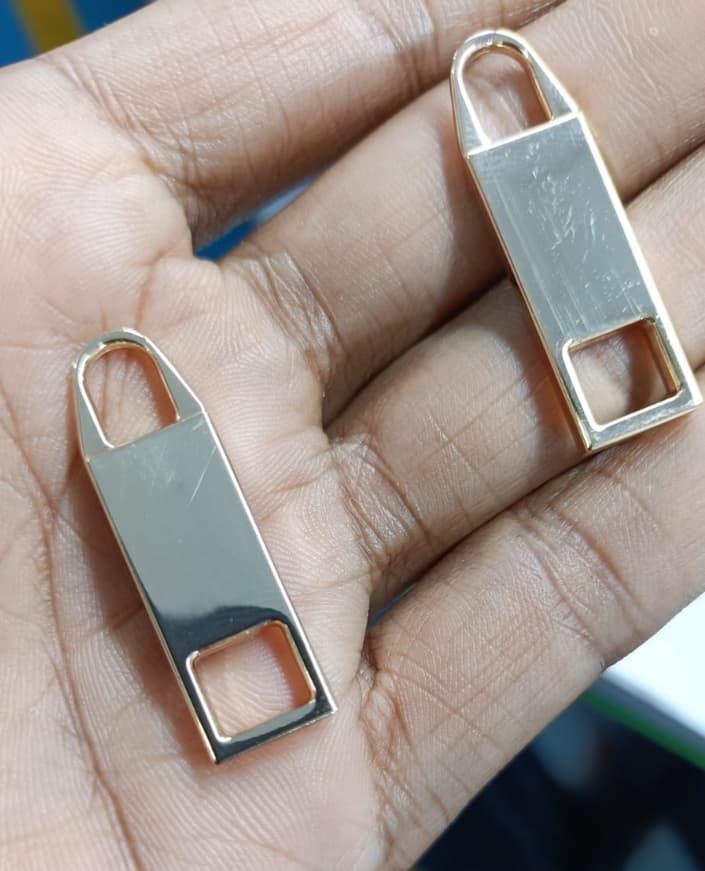
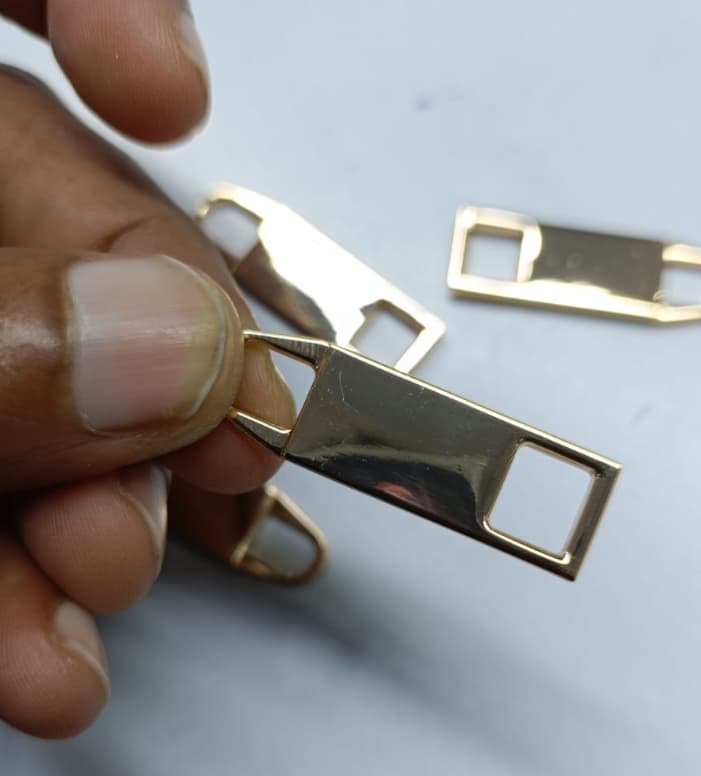
Appearance surface damage
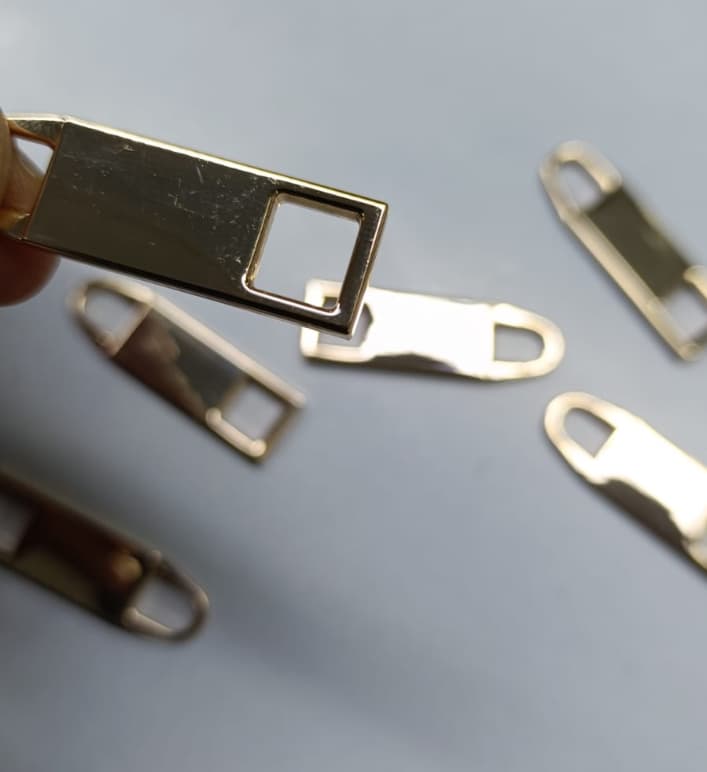
The hardware of luggage and bags has undergone processes such as electroplating, polishing, and sandblasting, resulting in high surface smoothness. Without isolation protection during transportation and with components piled up and rubbing against each other, scratches, abrasions, and electroplating detachment may occur. At the same time, dust and moisture adhering to the hardware surface during transportation will also cause oxidation spots, seriously affecting the qualified rate of the finished product’s appearance.
 |  |  |
Structural deformation and damage
Precision hardware components such as lock tongues, thin pull rods, and thin metal edging have relatively weak structural toughness. During transportation, stacking, squeezing, jolting and bumping, they are prone to bending, deformation, and loosening of the fasteners. Such damages are structural in nature and simple repairs cannot restore them; they directly ruin the accessories
 | 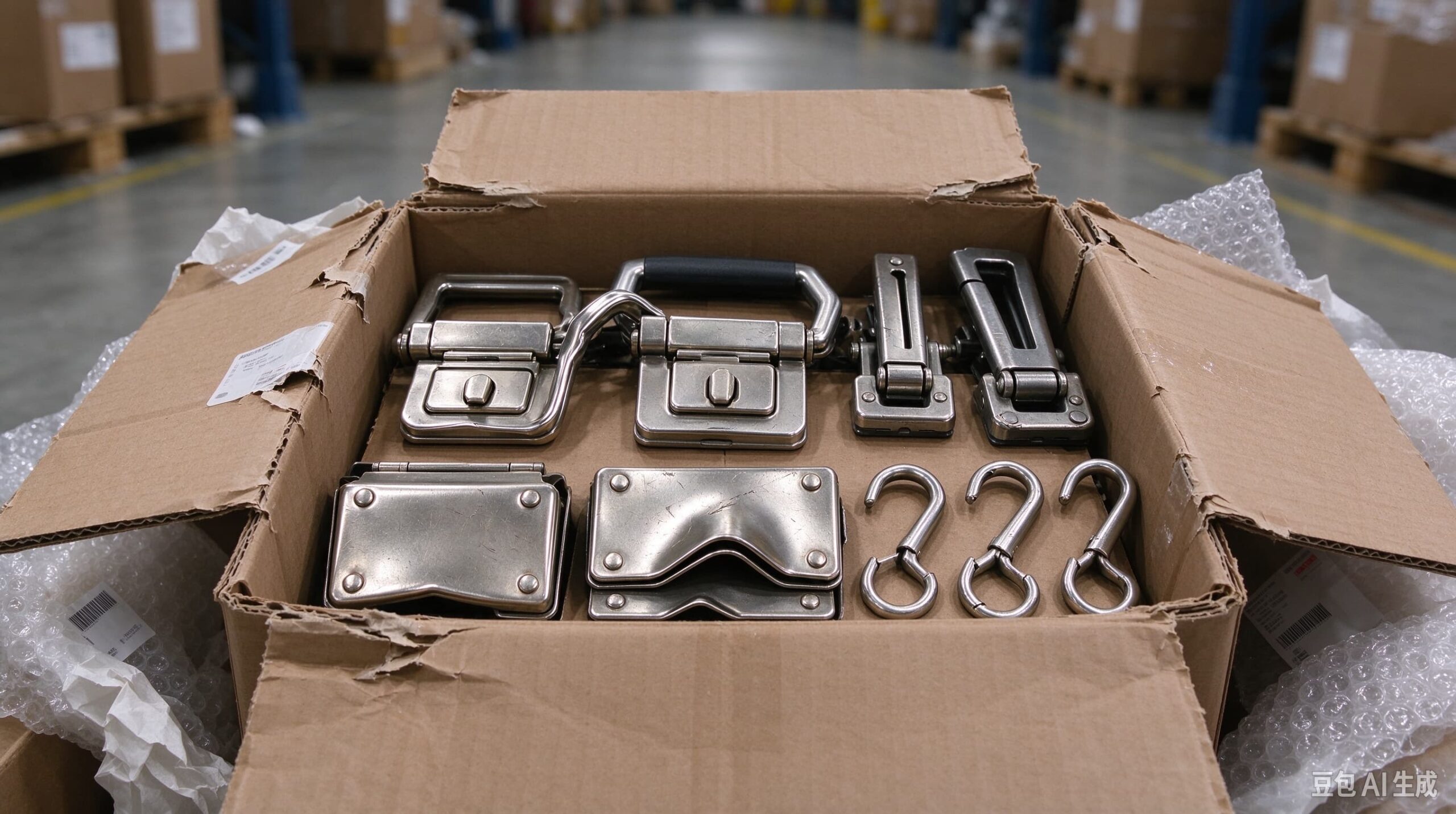 |
Mixed loading and collision damage
Most suppliers adopt a loose mixed-loading mode, where they pile up hardware components of different specifications and hardness levels together. The sharp metal edges and corners will rub against and collide with each other, causing issues such as cracks, chipping, and deformation. This is the main reason for the high rate of loss during bulk transportation.
Core Design Principles of Bag Hardware Packaging
Isolation and Anti-Friction Principle
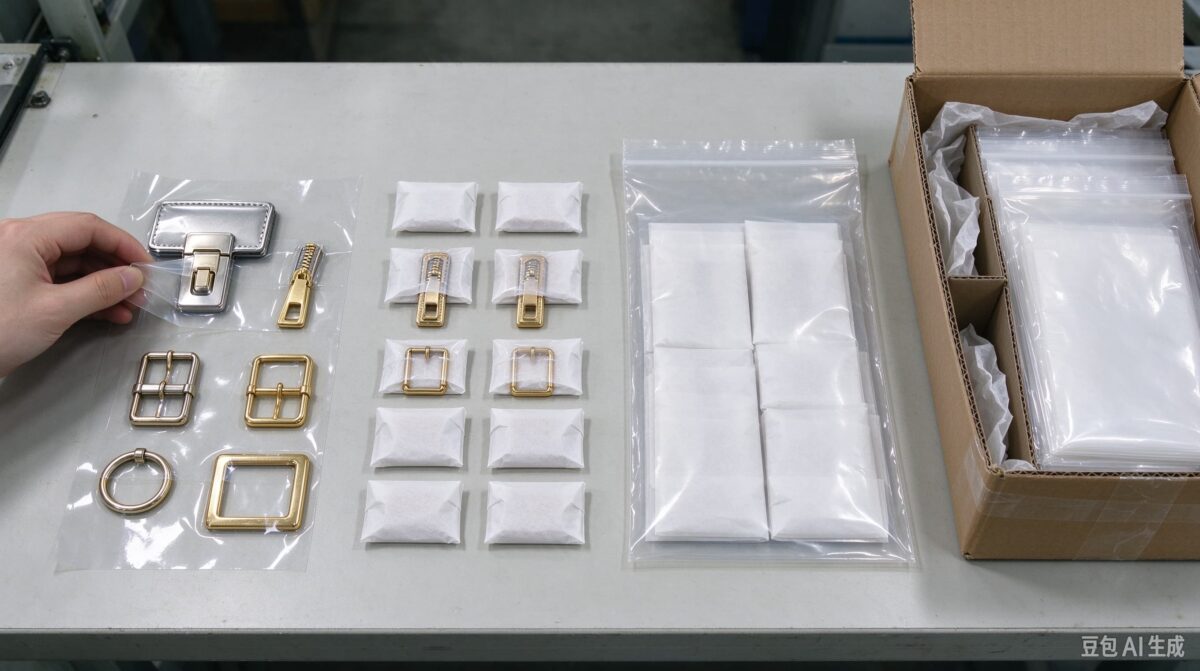
You must isolate all hardware components individually and categorize them for isolation, completely eliminating direct contact and friction between components The packaging solution should be based on surface protection, providing comprehensive coverage for fine surfaces such as polishing and electroplating, thereby preventing issues of scratching and wear from the very source.
Principle of Withstanding Pressure and Preventing Deformation
For precision hardware components that are prone to deformation and fracture, the packaging must have rigidity support and the ability to resist pressure and compression. Through methods such as internal filling, hard fixation, and compartmental storage, it can withstand the pressure from stacking during transportation and the impact of bumps and jolts, thus protecting the integrity of the hardware structure.
Moisture-proof and oxidation-prevention principle
Metal hardware is highly susceptible to oxidation and rusting when exposed to humid environments. You must equip the packaging with moisture-proof, sealed, and rust-preventing materials suitable for long-distance transportation, storage, and stacking scenarios, so as to maintain a dry and clean storage environment for the hardware accessories
Rectification and anti-displacement principle
You need to divide the internal packaging into regular zones to avoid displacement, accumulation, and entanglement of the accessories due to transportation vibrations Standardized and regular packaging can not only reduce losses but also improve the efficiency of unpacking inspection, assembly, and retrieval.
Optimal Standardized Packaging Solution for Box Accessories
Fine Protection Packaging for Individual Items
Individual protection is the first line of defense against damage for hardware accessories. You should apply a special transparent anti-rust protective film to fully cover the surface of polished and electroplated hardware parts to prevent direct friction. Subsequently, you should use thick independent bubble bags for individual packaging, with tight sealing at the closure, without exposed edges
You can select custom anti-static individual packaging bags for lock mechanisms, hinges, and small decorative hardware. For slender pull rods and metal strips, you need to protect them with special sleeves to prevent bending, deformation, and edge scratches, and to avoid bare packaging for shipment.
Classification and zoning for storage and packaging
You must not mix and pile up any hardware components. and should store them separately by category, specification, and model. You should store small hardware items such as rivets, screws, and clamps in compartmentalized plastic boxes or compartmentalized self-sealing bags to prevent confusion and tangling, as well as mutual collisions.
Large hardware items such as pull rods, metal frames, and roller supports should be placed separately. A pearl cotton partition should be added between each item for isolation. At the same time, category labels should be made to reduce transportation losses and facilitate inventory inspection and quick sorting
Box body buffer reinforcement packaging
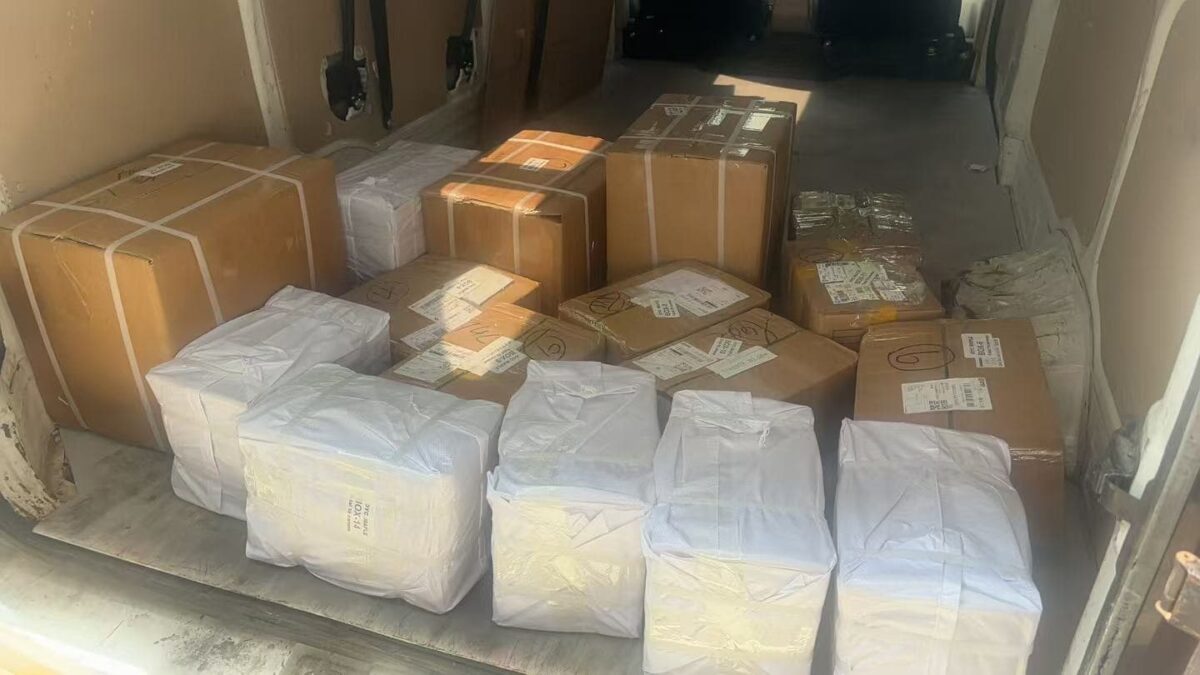
The outer box should preferably use five-layer or seven-layer thickened corrugated cardboard to ensure the rigidity of the box and resist stacking pressure. Before packing, you should lay high-density foam or bubble pads at the bottom and around the box to create a comprehensive buffer layer. You need to fill and compact the empty space inside the box with foam or bubble bags to ensure that the accessories have no space for shaking. You should add paper protective corners to the edges of the box to reinforce it and prevent internal hardware damage caused by handling, squeezing, or dropping impacts.
Moisture-proof and rust-proof sealing treatment
You should place special desiccants inside the carton to absorb moisture and prevent oxidation and rusting. After you pack the entire carton, you should seal it with an adhesive film to completely isolate it from external moisture, dust, and rain..
For maritime transportation and long-distance transportation during rainy seasons, you need to upgrade a rust-proof solution. You should use rust-proof films and rust-proof papers to wrap the accessories, significantly reducing problems such as oxidation, blackening, and rusting of hardware
Packaging landing control and acceptance standards
Standardize packaging operation procedures
Suppliers must strictly follow the standardized packaging procedures. It is prohibited to simplify processes, replace inferior consumables, or mix bare packaging. The purchasing party needs to clearly define the packaging operation norms, require dedicated personnel to operate in specific positions, and keep records of batch packaging to enable traceability of problems.
Implement packaging sampling inspection and acceptance
The purchasing party needs to establish a regular sampling inspection mechanism to verify the integrity and compliance of the packaging of each batch of hardware upon arrival. You should carefully inspect key aspects such as single-piece protection, isolation storage, cushioning reinforcement, and moisture-proof sealing. You must reject and rectify any non-compliant batches
Establish a clear responsibility and reward-punishment mechanism
In the supply and demand contract, the packaging quality responsibility must be clearly defined. Any damage such as scratches, deformation, rusting of the hardware caused by improper packaging shall be fully borne by the supplier for rework and compensation of losses. At the same time, a reward-punishment mechanism should be established to urge the supplier to strictly implement the best packaging plan.
Conclusion
The main issue of transportation loss for luggage hardware accessories lies not in the transportation process, but in the non-standardized packaging protection. The best packaging solution for hardware should focus on meticulous single-piece protection, classification isolation, buffering reinforcement, moisture-proof and rust-proof measures, along with strict process control and acceptance standards. Standardized packaging can not only minimize the damage rate of hardware during transportation, reduce enterprise cost losses, but also stabilize product quality, improve supply chain delivery efficiency, and lay a solid foundation for the production of luggage products and brand reputation.