Pre-shipment Inspection Checklist for Bag Hardware
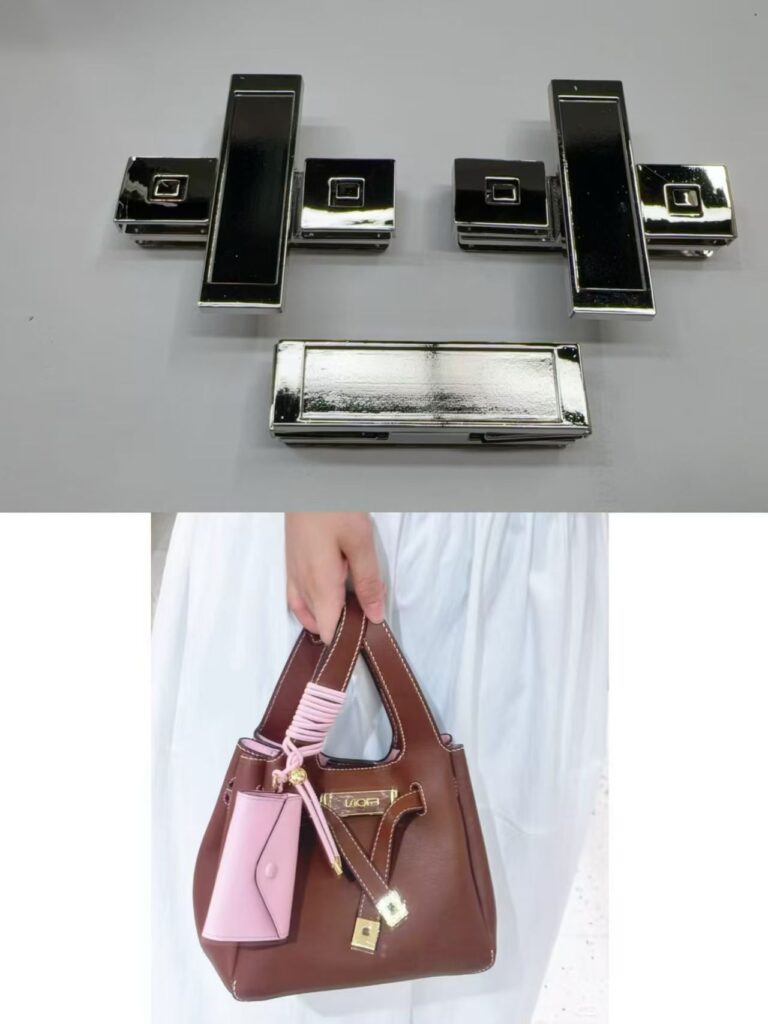
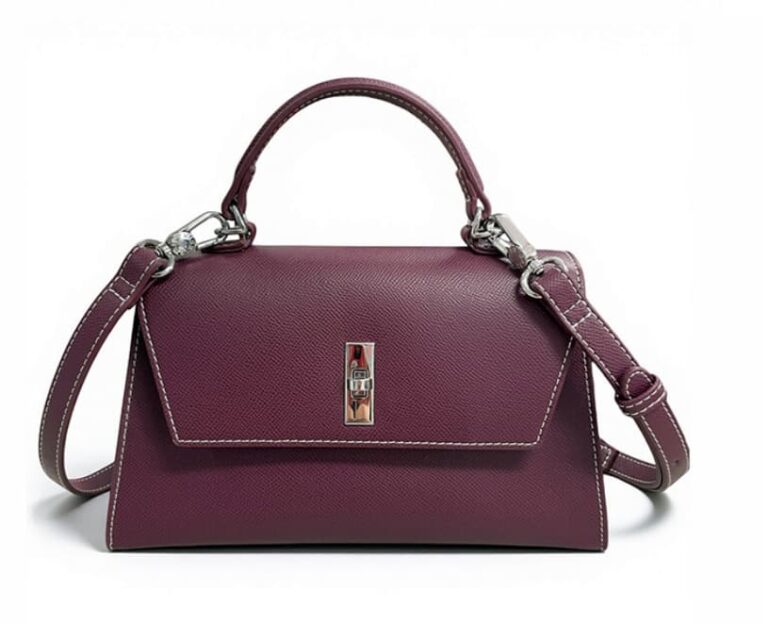
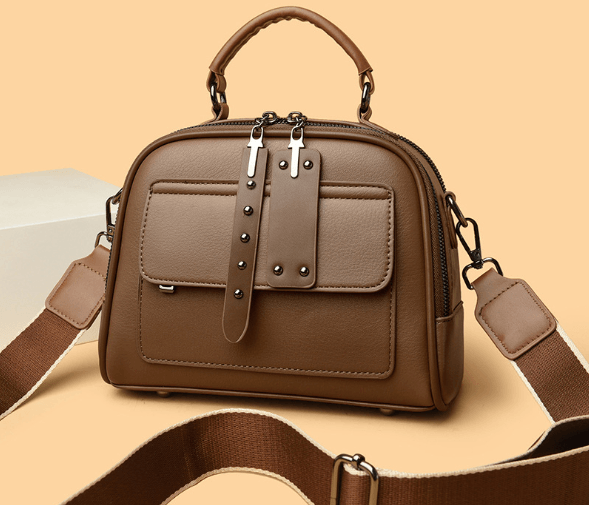
Bag hardware includes core components such as pull tabs, pull heads, dog clasps, D-rings, lock clasps, square clasps, etc. These directly affect the appearance quality, assembly accuracy and service life of the bags. Pre-delivery inspection is a crucial step for purchasing to control the quality of the bulk goods, prevent batch defects, and avoid customer complaints. Purchasing needs to implement standardized verification procedures, conducting item-by-item verification from dimensions comparison, size adaptation, appearance craftsmanship, functional performance, packaging protection, batch consistency, and data retention, to comprehensively ensure stable shipping quality.
Comprehensive verification with the confirmed sample
The verification of the label sample is the first step in the inspection process and is the foundation for ensuring that the product meets the customer’s customized requirements. The purchasing department actively presents the standard sample signed and confirmed by both parties, and compares the overall style, structural shape and basic material of the hardware of the bulk goods one by one.
- Style and Structure: Verify the overall shape, outline, thickness, and bending structure of the hardware, ensuring they are consistent with the sample, and do not make any unauthorized structural modifications.
- Material: Confirm the base material, such as zinc alloy, iron, copper, etc. The material cannot be replaced.
- Electroplated Color and Gloss: Compare the electroplated color codes (gold, gun color, nickel color, bronze color, etc.), and the glossiness (high gloss / matte / semi-matte), and there should be no color difference.
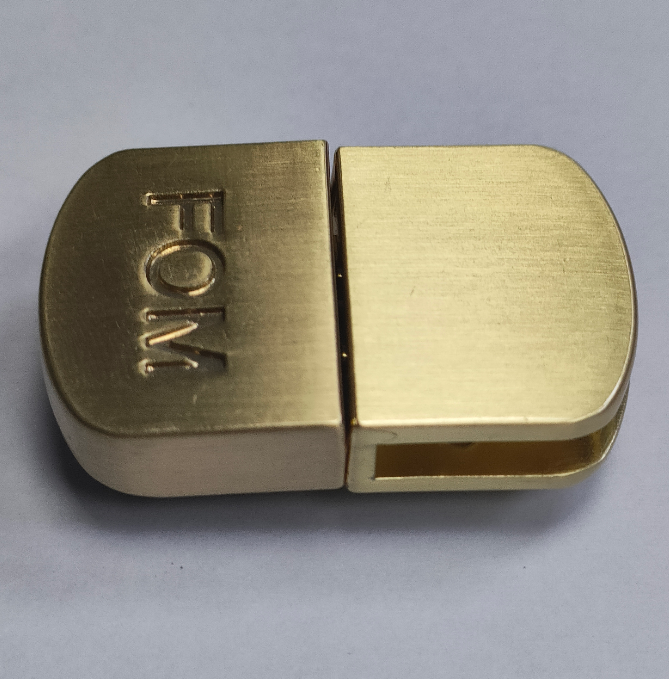
- LOGO / Engraving Process: Verify the position, size, font, and depth of the LOGO; distinguish between embossing, laser engraving, and screen printing. The pattern should be complete, without skewing or missing characters.
- Accessory Assembly Method: Riveting of pull tabs, assembly method of fasteners, rivet specifications, assembly structure should be consistent with the sample.
- Edge and Surface Treatment: Edge grinding effect, whether polished, and maintaining consistency with the sample.
- Order Accessories Ratio: Verify the hardware matching combination, the quantity ratio of accessories should comply with the order requirements, without missing parts or mixed styles.
- Special Surface Processes: Special surface processes such as painting, glue dripping, and frosted finish, the effect should be in line with the sample confirmation.
Dimension accuracy and assembly compatibility check
Key dimension inspection verification
During the procurement process, we use professional tools such as calipers and measuring rulers to randomly select finished goods samples for dimension testing. The focus is on measuring core parameters such as the thickness of hardware, hole diameters, hole spacings, inner widths, and arc degrees of bends. We strictly adhere to the tolerance standards stipulated in the order to avoid basic issues such as excessive or insufficient dimensions, or mismatched arc degrees, ensuring that the product dimensions are compliant.
On-site actual fitting and compatibility testing
Procurement does not limit itself to static size measurement; instead, it carries out active on-site assembly tests. It physically assembles bag hardware components with corresponding zippers, webbing, and bag leather materials to identify issues such as misaligned holes, assembly jams, excessive gaps, loose components, and damage to the leather. For customized snap-on pieces and precision clasps, it conducts repeated assembly tests to ensure that all hardware components meet the compatibility standards, avoiding rework during large-scale batch assembly
Appearance and electroplating quality verification
The appearance and surface treatment of electroplating directly determine the quality texture, wear resistance and rust prevention ability of bag hardware. It is a core inspection item. The purchasing department conducts comprehensive inspections on the bag hardware of the main production batch, and verifies the appearance and core quality indicators of electroplating one by one to eliminate all kinds of process defects and ensure the uniform appearance standard of the entire batch of products.
- Electroplating color: Verify that the electroplated color is consistent with the sample. The entire batch should have uniform luster, without local color differences or uneven brightness and darkness.
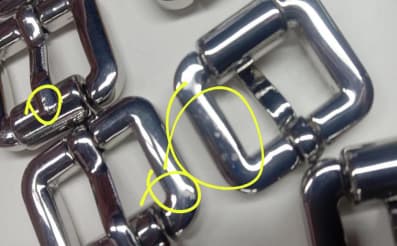
- Layer integrity: Check for no missed plating, thin plating, or exposed base; the plating should not bubble, peel, or fall off.
- Surface defects: The product surface should have no obvious scratches, black spots,stains or rough spots.
- Edge treatment: The edges and corner positions of the hardware should have no burrs, sharp corners, and will not scratch the leather, fabric or the user.
- Oxidation and rust prevention status: There should be no re-oxidation, blackening, rust spots or oxidation phenomena at weak positions such as the surface of hardware, weld seams and gaps.
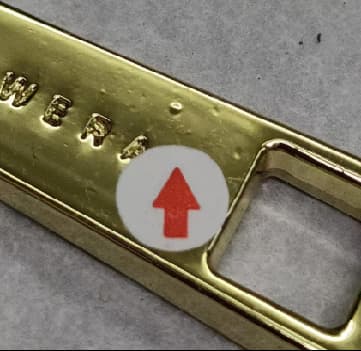
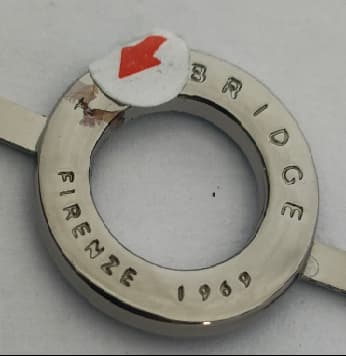
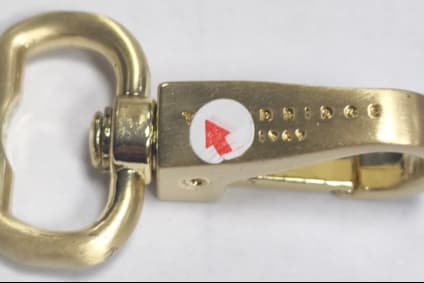
- LOGO / Engraving process: The printed, laser-engraved, or screen-printed patterns should have clear fonts, uniform depth, correct position, and no missing characters, blurriness, or ink loss.
- Welding appearance: The quality team should check that the weld points are flat and full without weld slag or air holes, and that the weld seams are not blackened or cracked.
 |  |  |  |
Various specialized functional tests for hardware
Function stability is the core quality standard for bag hardware accessories. We conduct targeted functional tests for different types of hardware during the procurement process to ensure that the products are safe and reliable to use and meet performance requirements.
Zipper and snap component assembly
The procurement repeatedly pulled the zipper combination for special testing to ensure the riveting strength of the zipper tab and snap was firm, and there was no loosening or detachment at the connection point. Continuously pulled the zipper back and forth to test the smoothness of opening and closing, without any problems such as jamming, teeth sticking, or deviation. At the same time, gently pulled to test the load-bearing performance to ensure that it would not break or deform easily during long-term repeated use.
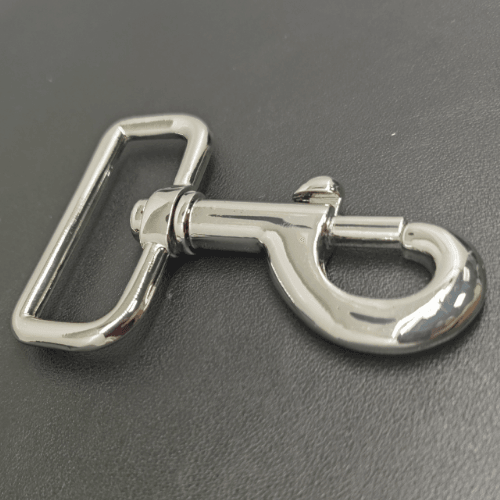
Dog clasp (spring clasp)
After purchasing, press and release the clasp ring multiple times to test the spring’s rebound force and stability. Inspectors confirm that the spring force is uniform and that the clasp fully closes without any tendency to open or have weak rebound. The opening and closing process is smooth without any sticking. Gently pull the clasp body and the rotating shaft to check for any potential issues such as poor soldering, cracking, or deformation, to ensure the safety and stability of the attached accessories.
D ring, square ring, semi-circular buckle
The procurement focus is to verify the quality of the welding points, manually apply tension to test the weld strength, and ensure there are no issues such as false welding, false soldering, cracking, or force deformation. Rotate the movable ring body to confirm that it rotates flexibly without any jamming, the inner ring edge is smooth without burrs, and it will not cut or damage the webbing or leather material.
magentic botton
The purchase repeatedly opened and closed the magnetic fasteners, tested the magnetic attraction force, confirmed that the attraction force was moderate, and that the luggage would not detach automatically when it was shaken normally. The manual opening and closing was smooth and comfortable. After multiple repeated tests, it was verified that the magnetic force did not weaken, the magnetic plates did not loosen or fall off, the fastening was precisely aligned without any deviation, misalignment, or insufficient attraction.
Snap botton
During the procurement process, the four-part snap was repeatedly pressed to open and close, and the degree of snap engagement was checked. After confirming a secure and tight fit, it was found that it remained firmly and tightly attached, and could not be pulled loose or cracked apart. After multiple presses, the snap surface showed no deformation, cracking, or loosening. The opening and closing positions were smooth, without any jamming, failure to snap together, or malfunction in rebounding.
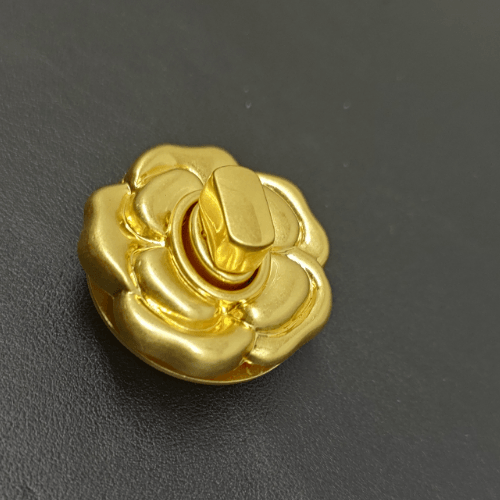
Bag lock hardware
For password locks, repeatedly rotate the password wheel to test the smoothness of rotation, the accuracy of digit alignment, the normal operation of opening and closing, and the flexible extension and retraction of the lock tongue without any obstruction. For snap locks, the quality team repeatedly inserts and pulls them to confirm reliable locking, normal unlocking rebound, and no loosening or detachment after force is applied
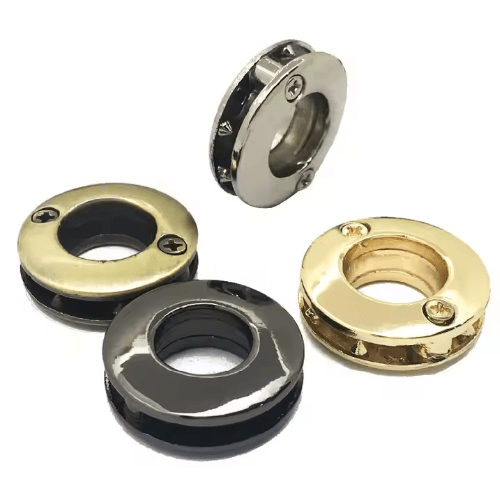
Eyelet
The purchasing department will thread the rope belt and the woven belt into the air eye holes and repeatedly pull them to test the firmness of the riveting. They will confirm that there are no problems such as edge wrinkling, cracking or detachment of the air eye. The inner wall of the hole is smooth and flat, without burrs or sharp edges, and will not cut or damage the rope belt and the fabric.
 |  |  |
Packaging inspection for shipment
Standard packaging is the key to avoiding transportation losses. Throughout the procurement process, we supervise and verify the packaging procedures of the factory.We confirm that the factory has properly protected the bag hardware components by using materials such as protective films, pearl cotton, and partition papers to isolate the products and prevent them from rubbing against each other, scratching, or being damaged during transportation
The standard for product classification and packaging requires checking that different styles and specifications of hardware are separated for storage, ensuring no mixed or mixed packaging. It also requires verifying that the packaging boxes have adequate moisture-proof and shock-proof measures, which can effectively adapt to long-distance land and sea transportation environments and prevent the hardware from getting damp and oxidizing. At the same time, we check the external box labels to ensure that the product name, model number, quantity, and batch information are clear and complete, facilitating inventory verification and future traceability
Quality and color consistency control for the entire batch of products
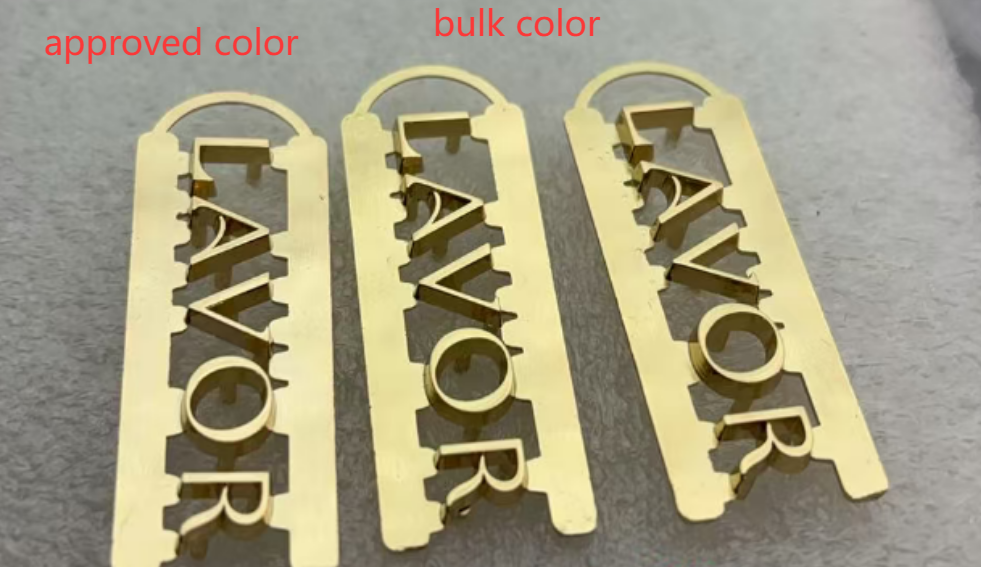
Multiple batches of production are prone to quality stratification and color deviation issues. The procurement department focuses on implementing batch consistency verification work. The procurement adopts a multi-box and multi-point random sampling method to compare the electroplating luster, color depth, surface texture and process details of different batches of products horizontally.
Procurement activities include actively investigating and resolving problems such as local color differences, inconsistent luster, and uneven process standards.. This ensures that there are no differences in lightness and details in the same order of products, and guarantees the uniformity and consistency of the overall quality of the finished goods. It also enhances the overall texture of the luggage products.
Data verification and sample retention archiving
Complete data and retained samples are the core basis for quality traceability. The procurement department strictly conducts final verification work. The procurement department actively verifies product factory quality inspection reports and performance test materials. For export orders, relevant personnel specially verify environmental compliance certificates such as REACH and RoHS to ensure all data is complete, true and valid, meeting the shipping and customer acceptance standards.
After the inspection is completed, the procurement department randomly selects standard bulk samples for sealing and retention, and clearly marks the order number, production batch, and inspection date. At the same time, the department sorts and retains the on-site inspection photos, sampling data, and records of defective issues for unified archiving and storage, thereby providing an effective basis for subsequent quality review, customer complaint traceability, and order reconciliation.
Conclusion
The pre-shipment inspection of luggage hardware is a meticulous and comprehensive quality control process. The purchasing department conducts a thorough examination through seven core procedures: sample verification, size compatibility, appearance and craftsmanship, functional testing, packaging protection, batch quality control, and sample retention. This comprehensive inspection process helps identify potential quality issues. The standardized inspection process can effectively prevent problems such as poor assembly, appearance defects, batch color differences, and transportation damage, ensuring the quality of the bulk shipment, reducing production costs and after-sales risks, and guaranteeing the efficient, compliant, and smooth delivery of orders.