7 Common Mistakes for Custom Bag‑Hardware Orders | Sourcing Risk Guide | OYC Accessories
Luggage hardware including locks, zipper pulls, rivets and snap hooks strongly influences a bag’s durability, visual finish, tactile feel and overall quality. Custom hardware supports unique brand‑specific designs beyond off‑the‑shelf parts, yet the custom workflow carries extra complexity.
Many procurement disputes, quality failures and shipment delays originate from overlooked details during sourcing. This article breaks down seven frequent mistakes for custom luggage‑hardware buyers and delivers actionable mitigation tactics to help sourcing teams manage quality, contain costs and reduce supply‑chain risks.
Focusing solely on low prices while neglecting the balance between cost and quality
Common Issues
When ordering custom hardware, many buyers prioritize low price as their primary decision-making criterion and blindly select the supplier with the lowest quote. While hardware for luggage may seem to account for a small portion of the total cost, low-price orders often come with issues such as substandard materials and simplified manufacturing processes.
Some manufacturers substitute substandard alloys for zinc alloys and brass that meet national standards, reduce the number of plating layers, or omit anti-oxidation treatments. While these issues may not be apparent in the short term, they can easily lead to problems such as rust, discoloration, and deformation later on, directly affecting the reputation of the finished luggage products.
Mitigation Strategies
Abandon the “lowest price first” mindset and instead compare prices for products of the same quality and quality for products of the same price. Price comparisons must be based on uniform materials, plating processes, dimensional standards, and environmental requirements; avoid focusing solely on unit prices.
Conduct thorough reviews of quotes that are significantly below the market average. Clearly define raw material specifications and manufacturing standards in advance, and include quality compensation clauses in the contract to prevent substandard workmanship from the outset.
Sample verification is too lax, and the samples do not meet the standards for mass production.
Common Issues
Sample confirmation is a critical step in custom hardware production—and also the one most prone to errors. Many buyers simply check the sample’s appearance without documenting details such as dimensions, finish, material, and logo production methods.
Many factories produce samples through meticulous handcrafted processes, whereas mass production relies on assembly-line techniques. Without standardized archiving procedures, it is highly likely that “perfect samples but defective mass-produced items” will occur, leading to issues such as color discrepancies, dimensional deviations, and mismatched textures.
Mitigation Strategies
Establish a standardized sample approval process, and retain physical samples with signatures and seals, high-resolution detailed images, and process parameter documents. Clearly specify key parameters such as hardware material, plating color codes, thickness tolerances, and logo engraving depth.
Require suppliers to provide pre-production samples from the assembly line—rather than handcrafted prototypes—and proceed with mass production only after confirmation. At the same time, stipulate that the quality of the final batch shall be judged solely against the sealed samples.
Hand‑finished prototype samples often look better than mass‑production output; always request pre‑production samples made on regular assembly‑line tooling.
Vague parameter specifications; unclear definitions of custom specifications
Common Issues
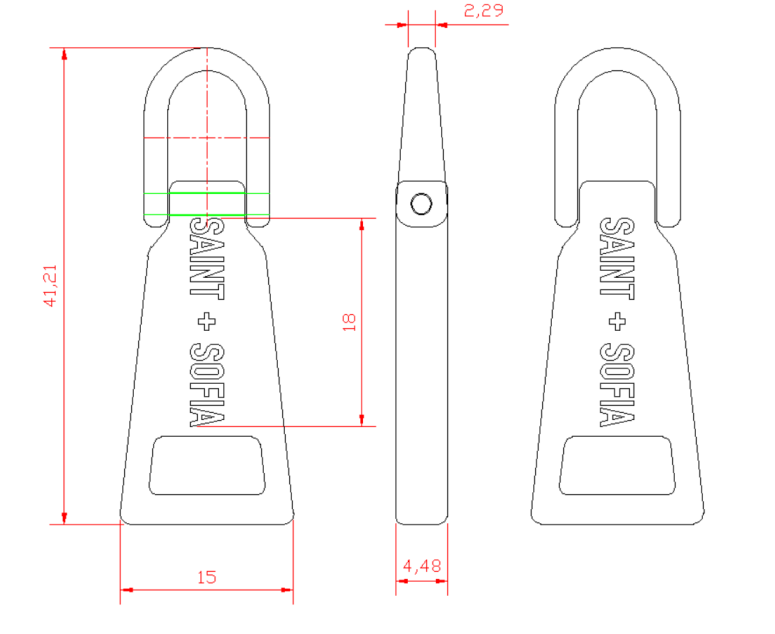
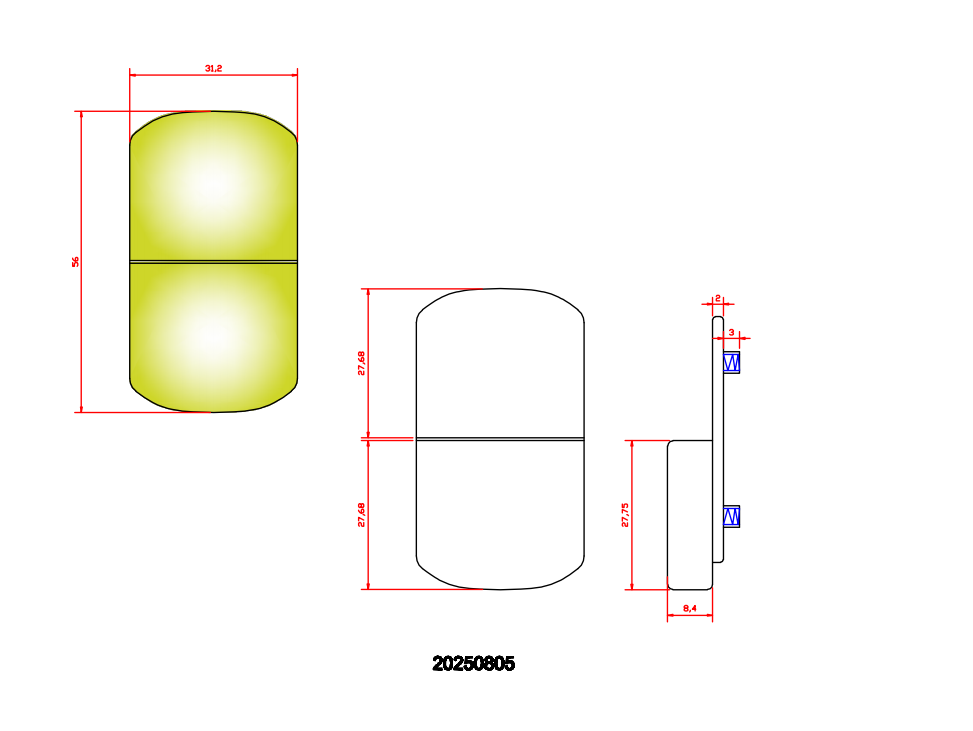
In custom orders, vague parameter descriptions are a common cause of disputes. Simply using general terms such as “gold hardware” or “standard fasteners” without specifying the manufacturing process, dimensions, or compatibility standards can lead to misunderstandings on the supplier’s part.
For example, even within the “gold” color category, there are various shades such as matte gold, glossy gold, light gold, and antique gold. For the same hardware model, a deviation of just 0.1 millimeter in thickness or hole diameter can result in assembly issues or poor fit, severely impacting production schedules.
 |  |
Mitigation Strategies
Procurement requirements must be specified in detail and quantified, with no vague descriptions. Include detailed custom drawings that specify precise dimensions, tolerance ranges, material grades, surface finishes, and color codes.
At the same time, confirm the compatibility of hardware with the thickness of the luggage fabric and leather, and test the assembly results in advance to avoid issues such as specification mismatches or installation failures.
Failing to verify qualifications and blindly selecting partner manufacturers
Common Issues
Some buyers focus solely on quotes and samples, neglecting supplier qualifications, production capacity, and quality control systems. Many middlemen do not own their own factories or molding equipment; after receiving an order, they subcontract the work to third parties, resulting in uncontrollable production.
At the same time, some small factories lack environmental certifications and have inadequate quality control processes. The hardware components they produce may contain excessive levels of heavy metals or fail to meet wear resistance standards, causing the finished products to fail quality inspections and rendering them unsuitable for market sale.
Mitigation Strategies
Prioritize source factories with their own mold workshops, complete production lines, and independent quality control departments, and reject intermediaries without production capacity. Before partnering, verify business licenses, environmental certifications, and product test reports.
Conduct on-site inspections of the factory’s production equipment, workshop management, and quality control processes. Consider the factory’s reputation based on past orders and repeat purchase rates to select reliable, long-term suppliers.
Inadequate Mold Agreements Make It Difficult to Protect Rights During Later Model Revisions
Common Issues
Most custom hardware requires the creation of new molds, yet many buyers overlook clauses regarding mold ownership, mold maintenance, and model revision fees when signing contracts. Most assume the factory retains ownership of the molds; as a result, when placing subsequent reorders or making minor design adjustments, they are subject to malicious price hikes and delayed delivery dates.
Furthermore, failure to specify the mold’s service life and maintenance responsibilities can lead to mold wear after prolonged production, resulting in dimensional deviations and burrs on mass-produced hardware that compromise product quality.
Mitigation Strategies
When creating new molds, the contract must clearly specify ownership, usage rights, and maintenance responsibilities. Clearly define the replacement criteria for worn-out molds, restocking cycles, and the fee structure for design changes and minor adjustments.
At the same time, stipulate that dedicated molds are used exclusively for your company’s orders to prevent the factory from using the same molds to supply other customers, thereby safeguarding your product’s competitive edge through differentiation.
Mold ownership terms vary by factory; clarify ownership right at the quoting stage before paying mold fees.
Lack of Quality Inspection Standards; Receiving and Acceptance Procedures Are Merely a Formality
Common Issues
Many custom orders simply state “qualified products” in the contract, without specific quality inspection standards or acceptance guidelines. During receipt, only a random check of appearance is conducted, while core performance characteristics—such as wear resistance, rust prevention, load-bearing capacity, and compatibility—are overlooked.
It is only after bulk receipt that issues such as discoloration of hardware, susceptibility to deformation, loose fasteners, and assembly jamming are discovered. At this point, returns and exchanges are time-consuming and labor-intensive, severely delaying the delivery of finished luggage products.
Mitigation Strategies
Establish clear acceptance criteria in advance, covering the four key dimensions of appearance, dimensions, workmanship, and performance. Clearly define color variation tolerances, defect tolerances, load-bearing standards, and corrosion resistance requirements.
During receipt, implement stratified sampling inspections. In addition to verifying appearance, conduct practical assembly tests and abrasion resistance tests. Reject non-conforming batches outright, and clearly define the timeframes for returns and exchanges as well as compensation standards.
Vague Delivery and After-Sales Terms, Insufficient Risk Mitigation
Common Issues
When signing procurement contracts, only general delivery timelines are specified, without clearly defining phased schedules, liability for delays, or after-sales guarantees. Factories often delay delivery due to order backlogs or mold malfunctions, yet face no penalties for breach of contract.
Additionally, since no after-sales warranty period is stipulated, when batch quality issues arise after the main shipment is dispatched, suppliers shirk responsibility, leaving the purchaser to bear all losses.
Mitigation Strategies
Refine the delivery terms in the contract to specify timelines for each phase—mold development, sample approval, mass production, and shipment—and establish a compensation ratio for delays.
Clearly define the after-sales warranty period and stipulate procedures for returns, replacements, and restocking in the event of batch-wide quality issues, along with response timelines, to comprehensively mitigate the risks associated with custom procurement.
FAQ
Q1:What documents should I finalize before launching a custom hardware project?
A1:You need design drawings, specification sheets, sample approval forms, quotation PI, mold agreement and color/finish standards to lock all details before kickoff.
Q2:Why hand‑made prototype samples may differ from mass‑production hardware?
A2:Handmade prototypes use manual polishing and small-batch processing, while mass production follows die casting, automated finishing and standard molding, which naturally creates minor differences.
Q3:Who owns custom‑developed hardware molds by default?
A1:By default, the buyer owns the custom mold after full mold cost payment, unless a separate written agreement states otherwise.
Q4:How can I avoid colour‑and‑finish inconsistencies across batches?
A4:Lock approved standard swatches, use fixed plating batches, set clear inspection tolerances and arrange pre-production sign-off for every new run.
Q5:What terms should be included in hardware purchase contracts?
A5:Include product specs, pricing, MOQ, lead time, sample rules, quality tolerance, payment terms, inspection standard, mold ownership, packaging and dispute resolution.
Conclusion
The key to avoiding pitfalls in the procurement of custom luggage hardware lies in standardization, precision, and documentation. The seven key stages—price trade-offs, sample control, parameter definition, supplier vetting, mold agreements, quality inspection and acceptance, and after-sales support—are all interlinked.
Only by moving away from a haphazard procurement approach and refining every customization standard while ensuring every contract clause is implemented can procurement professionals effectively mitigate risks related to quality, delivery times, and costs, thereby ensuring consistent product quality and enhancing the market competitiveness of luggage products.
Running a custom hardware project and want to avoid these sourcing pitfalls?
Send us your drawing, specification sheet and project requirements. Our team supports 3D review, mold development, sampling and bulk‑order production for bag‑hardware custom orders. Contact us for your quotation.
[Send Your Inquiry Now →] 📧 [email protected] 📱 WhatsApp: +86-13924451472