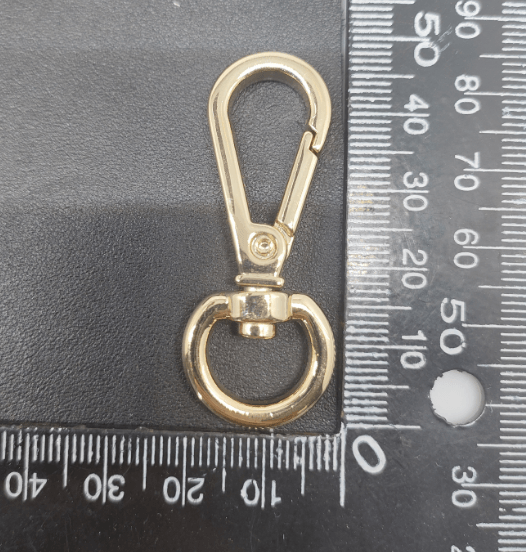
The Beauty of Refinement, the Spirit of Durability: Technical Requirements for Spray Painting in Luggage Hardware
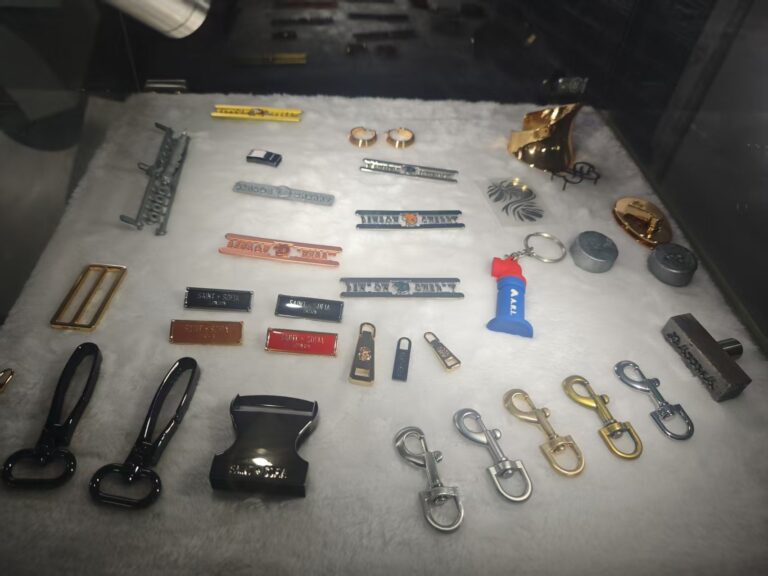
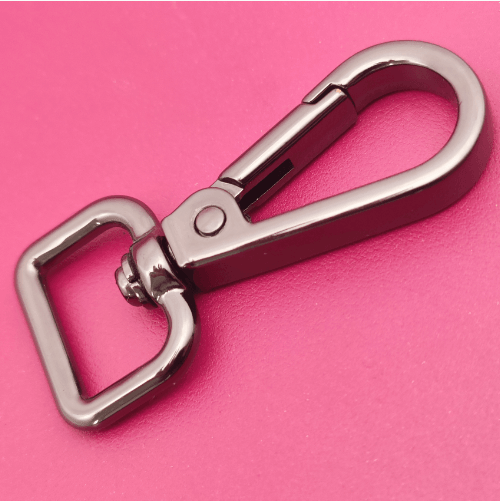
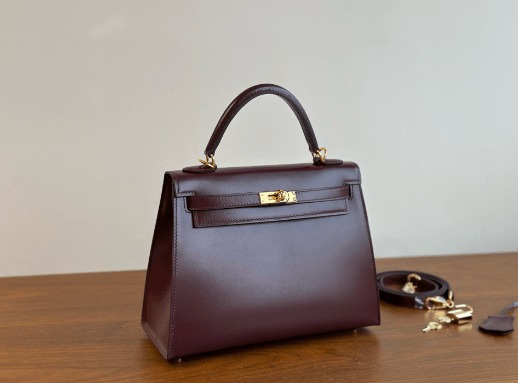
Luggage is more than storage—it reflects personal taste. Metal hardware acts as the “jewelry” of luggage, and its texture and luster directly determine overall quality. As a key process for enhancing aesthetics, durability, and function, painting requires strict technical standards. A mature spray painting process must follow systematic requirements from substrate to finished product, ensuring every hardware accessory meets unified standards for color, luster, durability, and longevity.
I. Substrate Pre-treatment: A Solid Foundation
Pre-treatment is crucial to the spray painting process’s success. This serves as the foundation to guarantee that the paint coat sticks firmly and sustainably, avoiding blistering or peeling.
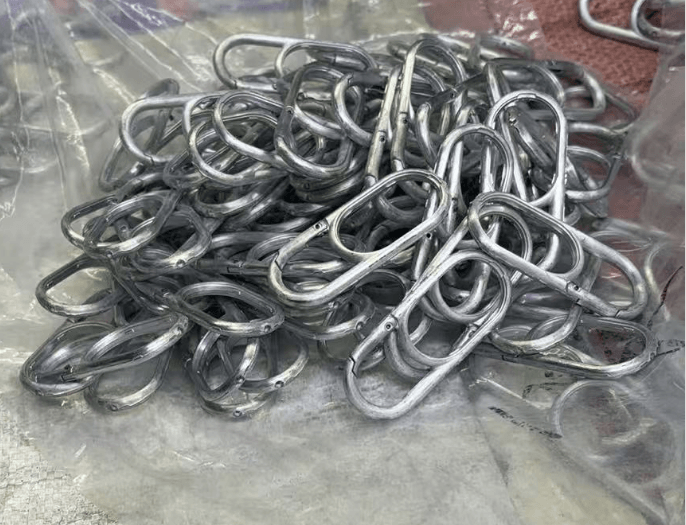
- Thorough Cleaning and Degreasing: Metal components (zinc alloy, brass, iron) accumulate oil, release agents, and fingerprints during processing. We use eco-friendly chemical degreasers with ultrasonic or manual cleaning to achieve a fully hydrophilic, oil-free surface.
- Precision Surface Grinding: To get rid of surface flaws like burrs, scratches, and oxidation layers, they need to use mechanical grinding. This enhances adhesion by increasing the contact area between the paint layer and substrate, in addition to improving tactile feel.
- Essential Chemical Conversion: For certain metals like aluminum and zinc alloys, we apply phosphating or chromating. This conversion coating improves paint adhesion and provides rust protection—making it indispensable for high-end luggage hardware.
II. Spray Painting Application Process Control: The Core of Texture and Color
This is the key stage where design becomes tangible texture, demanding the highest standards in environment, materials, and expertise.
Coating Methods
As handbag hardware components are complex in structure and small in size, the coating method must be selected flexibly in accordance with the product’s characteristics.
Manual air spraying: This method offers operational flexibility and is suitable for small-batch, multi-variety production or workpieces with complex structures. The spray gun distance is typically maintained at 15–25 cm, with a spray pressure of 3–5 kgf/cm² and a nozzle diameter of 1.5–2.5 mm.
Electrostatic spraying: This method utilises a high-voltage electrostatic field to cause paint particles to adhere to the surface of the workpiece, resulting in high paint utilisation and a uniform coating. Process parameters for electrostatic spraying include a voltage of 40–80 kV, an impedance of 5–70 MΩ, and a spray gun distance of 25–30 cm.
Automated assembly line spraying: Workpieces are suspended on a conveyor line and automatically sprayed by multiple spray guns from different angles. This method offers comprehensive coverage, high efficiency and excellent coating consistency, and is the mainstream method for mass production.
Environmental Cleanliness
A dust-free workshop or spray booth is required for spraying. Any fibers or dust from the air that land on wet paint films may cause long-lasting flaws that negatively affect yield rates and appearance.
Paint Material Selection and Formulation
Type Selection
Choose the paint system based on requirements.
- PU Paint: Offers comprehensive performance with flexibility and wear resistance. UV Paint: Features high hardness, fast curing, and environmental friendliness.Metallic Paint: Delivers distinctive sparkle or metallic finishes.
- Viscosity Control: In order to get correct application viscosity, paint must be blended with a specific thinner. Overly low viscosity results in sagging and less coverage, while excessively high viscosity produces orange peel and poor leveling.
Spray Technical Parameters
- Uniform Coverage: Standardize spray gun air pressure, flow rate, atomization effect, distance from workpiece, and movement speed. Operators must maintain steady technique to ensure consistent film thickness
- Multi-Layer Spray System: Premium products often employ a “primer-topcoat-clear coat” system. The primer enhances adhesion and fills minor imperfections; the topcoat provides the primary color and finish; while the transparent clear coat delivers exceptional scratch resistance and corrosion protection
III. Curing and Drying: The Key to Achieving Performance
The curing process after spraying determines the final physicochemical properties of the paint film..
- recise curing conditions: Curing must strictly adhere to the technical parameters provided by the paint supplier.
- Baking temperature and time: To guarantee full cross-linking and curing of the paint layer, baked paints such as PU require a specified temperature (60°C to 80°C) for 30 to 60 minutes..
- UV Curing: To provide quick curing in a matter of seconds, UV-curable coatings must be exposed to ultraviolet lamps with particular wavelengths and energy levels. The performance of the coating is compromised by inadequate curing caused by insufficient energy..
- Sufficient Cooling and Resting: Before undergoing quality control or packaging, cured components must naturally cool to room temperature to allow internal tensions to subside and characteristics to stabilize.
IV. Performance Testing and Quality Standards: The Ultimate Assurance of Quality
Finished products must undergo a series of rigorous tests to make sure that they meet the demanding requirements of daily use
- Adhesion Test: Scratch the surface with a cross-hatch knife, then peel off the tape. The paint film must show no peeling .
- Thickness testing: Coating thickness directly affects protective performance and surface finish. Non-destructive measurements are carried out using a magnetic thickness gauge. The standard specifies that the paint layer thickness must not exceed 100 μm. A coating that is too thin provides insufficient protection, whilst one that is too thick is prone to brittle cracking and may affect assembly dimensions.
- Hardness Test: We evaluate scratch resistance using Chinese pencils, allowing no scratches or only minor marks..
- Abrasion Resistance Test: We assess the coating’s friction tolerance using a dedicated RCA abrasion tester or an alcohol-based eraser, ensuring that prolonged use does not expose the base layer..
- Corrosion Resistance Test: We use a salt spray tester to simulate harsh environments.They shouldn’t have rust or blistering within a specified timeframe
- Color Difference and Appearance: Compare against standard color charts using a color difference meter to ensure color consistency.Visual inspection should not reveal defects such as particles, sagging, orange peel, or pinholes on the surface
Causes of Common Defects and Process Countermeasures
The types of defects that may occur in spray painting production, along with their causes and remedial measures, represent a practical extension of the technical requirements.
| Defect Type | Appearance | Main causes | Process Measures |
| Grain/Pitting | The coated surface is covered with tiny raised particles | Insufficient cleanliness of the spray painting environment; the paint has not been adequately filtered | Step up maintenance of the air intake filtration system; filter the paint through a mesh of 200 mesh or finer before spraying. |
| Sag | Localised sagging and build-up of the coating | Spraying from too close a distance or moving too slowly; applying too thick a coat in a single pass | Hold the spray gun at a distance of 15–25 cm |
| Foaming | Bubbles of varying sizes have formed on the surface of the coating | Incomplete degreasing during pre-treatment; too rapid a temperature rise during baking; solvent residue | Strengthen the inspection of the degreasing process; adopt a stepwise temperature ramp; ensure the holding time is observed |
| Insufficient adhesion | The coating tends to flake off in large patches | Poor phosphating coating; insufficient curing temperature or over-curing | Check the quality of the phosphating coating; calibrate the curing temperature and time |
| Colour difference | Colour inconsistencies within the same batch of products | Variations between batches of paint; fluctuations in curing temperature | Retain a standard colour swatch from each batch for comparison; control the baking temperature to within ±2℃ |
| Pinhole | There are tiny holes in the coating’s surface | There are bubbles in the paint; the solvent is evaporating too quickly | Adjust the viscosity of the coating; reduce the heating rate at the start of the curing process |
Conclusion
The spray painting process for luggage hardware is an art that integrates materials science, surface engineering, and precision manufacturing. From meticulous pretreatment through exacting spray control, a scientifically rigorous curing process, and finally stringent quality inspection, we meticulously execute each technical requirement—linking them together to forge hardware with exceptional appearance and reliable performance.. Only by comprehensively adhering to and mastering these technical requirements can each “jewel” adorning luggage radiate enduring, captivating brilliance—truly elevating the product’s overall value and market competitiveness.