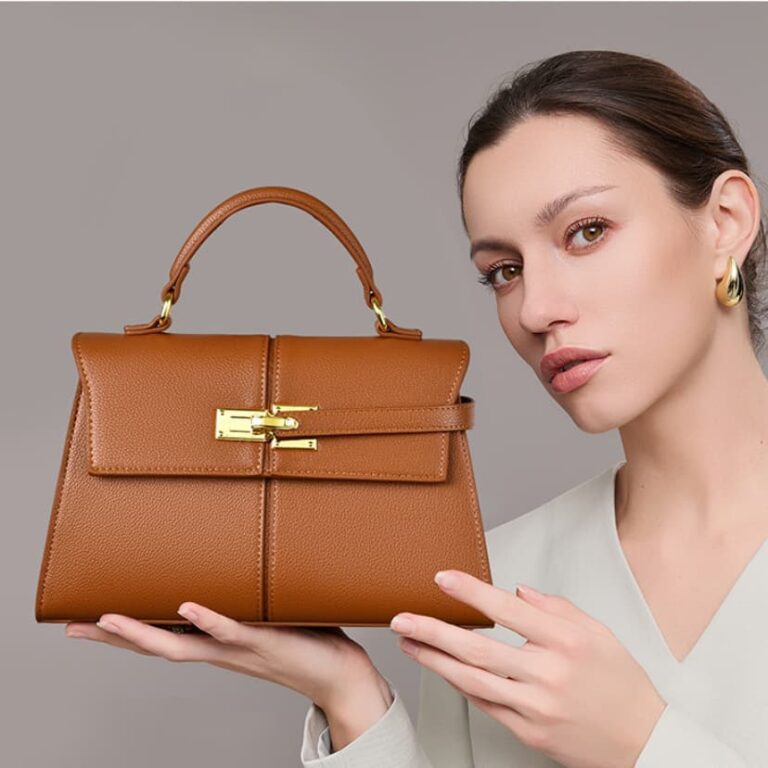
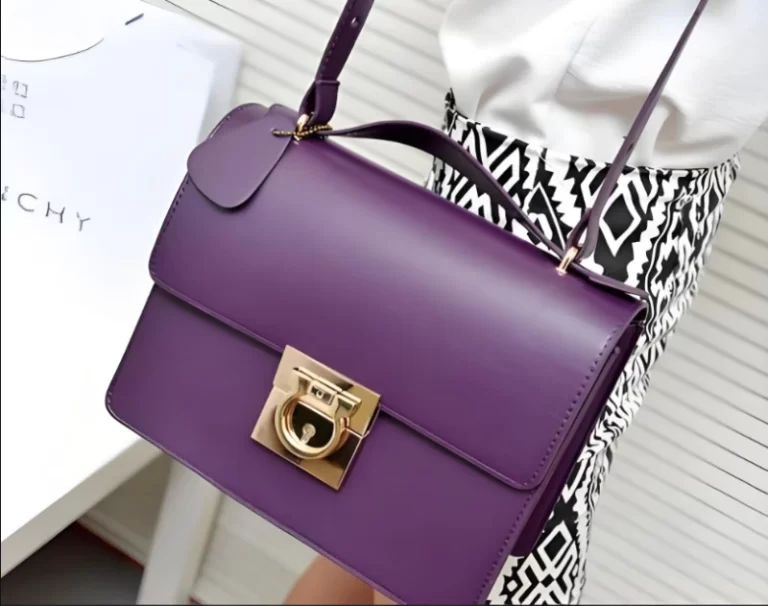
Custom Logo Metal Zipper Puller for bag
Zipper pulls are the most unassuming component of luggage hardware, yet they are also the part users touch most frequently every day. A custom metal zipper pull featuring a logo is not just a tool for opening and closing—it is a concentrated embodiment of brand recognition and a premium tactile experience. From a designer’s perspective, this article walks you through the entire process of customizing zipper pulls: why it’s worth the effort to customize them, how to choose the right craftsmanship and materials (especially why zinc alloy is the most common choice for pull tabs), how to handle surface finishes, what details to finalize during the design phase, and what pitfalls to avoid during prototyping and mass production. With comparisons of manufacturing techniques and practical advice on avoiding pitfalls, we hope this guide will help you avoid detours and get it right the first time on your next project.
Why go to the trouble of customizing such an unremarkable zipper puller?
To be honest, the zipper puller is probably the most overlooked part of the entire bag—it’s small and unassuming, so many newcomers to the industry simply buy off-the-shelf, generic parts because it’s convenient and cheap. But after working in this field for so long, I’ve become increasingly convinced of one thing: the zipper pull is precisely the part that gets touched the most and seen the most.
Think about it: every day, customers open and close their bags, sliding their fingers back and forth along this tiny metal piece. On a simple, understated bag, the hardware is often the element that stands out as a “visual anchor.” Take two bags of the same style: compare a solid zipper pull embossed with the brand’s initials to a plain, generic one—the difference in perceived quality is immediately apparent.
It’s not just decoration; it’s a micro-touchpoint for the brand—through this small detail that customers repeatedly interact with, they come to recognize that “this brand pays attention to the details.” So, customizing a zipper pull isn’t essentially about buying an accessory; it’s about bringing the brand’s essence to life through a tangible metal object.
Craftsmanship Is at the Heart of Customization; It Determines the Texture
Don’t rush into choosing a material just yet. First, you need to clearly define in your mind “what effect you want to achieve,” and then decide on the craftsmanship. Different logo styles require different craftsmanship techniques—many people have stumbled here.
| Process | Suitable Logo Types | Textural Characteristics | Cost / Accuracy |
| Die Casting (Zinc Alloy) | Three-dimensional relief, bold letters | Substantial and three-dimensional | Molds must be made; production costs are low for large quantities. |
| Stamping | Flat letters, thin lines | Clean and crisp, with sharp edges | The molds are relatively inexpensive and are suitable for thin, lightweight parts. |
| Laser Engraving | Intricate patterns, gradient lines | Smooth, with no bumps | No molds required; ideal for small-batch production |
| Etching (Acid Etching) | Combination of Letters and Brand Textures | Understated, with subtle layers | Moderate accuracy; suitable for concealed sets |
| Inlay / Enamel | Color Brand Swatches | High-end, highly recognizable | There are many production steps, and costs are relatively high. |
Here’s a general rule of thumb: For logos with bold, thick lines that aim to convey a sense of brand substance, use die-casting; for logos with delicate, thin lines that follow a minimalist style, use laser engraving or stamping. Don’t expect a single process to work for every design.
Material: Why is zinc alloy material of choice for most pull tabs?
When choosing a material, harder isn’t necessarily better—it depends on the feel, weight, cost, and intended use. There are four common types on the market; I’ll list them for you.
- Zinc Alloy: The most popular choice. It’s easy to die-cast, allows for complex three-dimensional logos, is moderately priced, and can be electroplated in a variety of colors. The downside is that it’s relatively soft, so structural strength must be considered for large parts.
- Brass: Offers the most “luxurious” feel, suitable for high-end business bags and vintage styles. However, it’s expensive and heavy, and thin bag bodies can easily warp if carried for extended periods.
- Stainless Steel: High hardness and wear resistance make it suitable for sports and outdoor bags that need to be “rugged.” However, die-casting is difficult, so stamping or laser engraving is more commonly used.
- Aluminum Alloy: Lightweight, with colors available through anodizing (which offers a sophisticated matte finish), making it suitable for lightweight, youth-oriented bag styles.
why do most metal zipper puller on the market use zinc alloy?
The key reason is its well-balanced overall performance. Zinc alloy allows for the die-casting of three-dimensional logos with rich texturing, offers stable mass production with molds, provides a wide range of electroplating and coloring options, and features controllable procurement costs. Brass is too expensive, stainless steel has limited formability, and aluminum alloy lacks sufficient three-dimensional depth. After a comprehensive comparison, zinc alloy has become the material of choice for custom zipper pulls.
Surface Treatment Processes
Surface treatment directly determines the final appearance, feel, and durability of a zipper pull. Even with the same material, different surface treatments can result in significant differences in the finished product’s appearance and lifespan. The table below summarizes the main surface treatment methods, their applicable scenarios, and their advantages and disadvantages.
| Surface Treatment Processes | Applicable Scenarios | Advantages | Disadvantage |
| Plating (Gold / Silver / Gunmetal / Antique Bronze) | The vast majority of luggage zipper pulls—the most versatile | Wide range of color options, strong metallic luster, excellent adhesion, suitable for mass production, and compatible with materials such as zinc alloy and brass | Chromium plating is prone to wear and discoloration; when the plating thickness is insufficient, it is difficult to pass the salt spray test; glossy plating is prone to fingerprints. |
| Brushed | Affordable Luxury and Minimalist Luggage | Features a subtle texture; offers better fingerprint resistance than glossy plating; feels smooth to the touch; sophisticated and minimalist | It can only showcase the natural texture of the metal, with limited color options; the direction of the brushed finish must be uniform, as poor processing can result in a chaotic brushed pattern. |
| Sandblasted / Matte | Genuine Leather Bags, Understated Business-Style Luggage | Low reflectivity; the matte finish is soft and gentle on the eyes, and minor scratches are barely noticeable. | Grease and dirt can easily accumulate on the surface; once the sandblasted layer is damaged, it is difficult to repair. |
| Vintage and Distressed | Retro Leather Bags, Vintage-Style Luggage | With a retro, vintage feel that enhances the product’s distinctive style | The manufacturing process is difficult to control, and there is a high risk of color variation between batches; costs are higher, and the finish looks unsightly once the distressed layer wears away. |
Electroplating paired with a brushed finish has been the most common combination in luggage hardware in recent years. It strikes a balance between a premium feel and a subtle, understated look, making it suitable for most mid- to high-end luggage products.
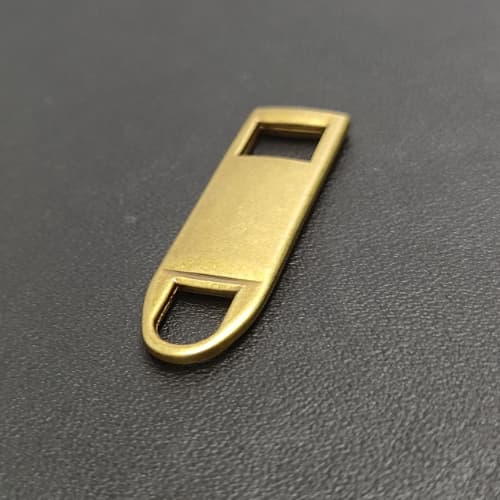 | 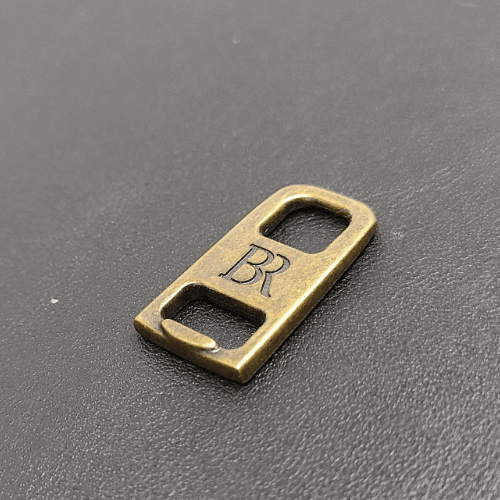 | 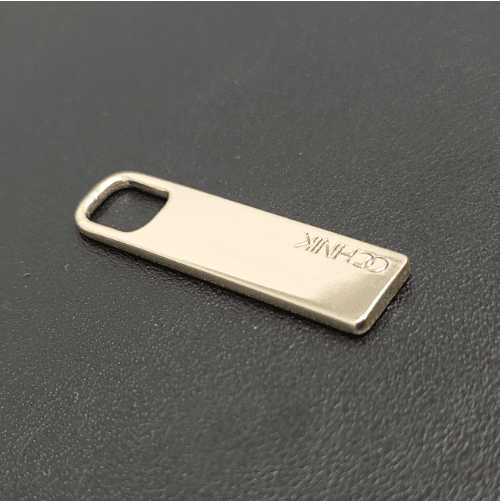 |
| antique gold | Vintage and Distressed | light gold |
Four Details to Determine During the Design Phase
Poor initial design surfaces issues in prototyping, causing mold changes, delays, and extra costs
the orientation and size of the logo
You should determine whether you will position the logo horizontally or verticallyoned horizontally or vertically. Anticipate logo friction from hands, keep its size proportionate to the zipper pull—too large looks clunky, too small lacks visibility
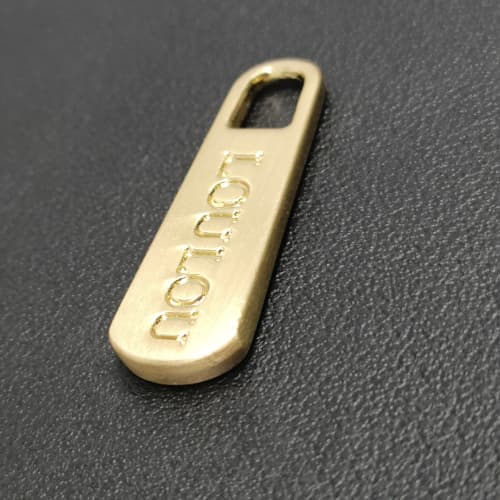 | |
| Logo in portrait orientation | Horizontally aligned logo |
pull tab style versus pendant style
With an integrated pull tab, we directly mold the logo onto the zipper head itself, resulting in a clean, minimalist design. The pendant style incorporates an additional small tag or charm, creating a more dynamic look. Since the molds for these two structures are completely different, we must make this decision early in the design process.
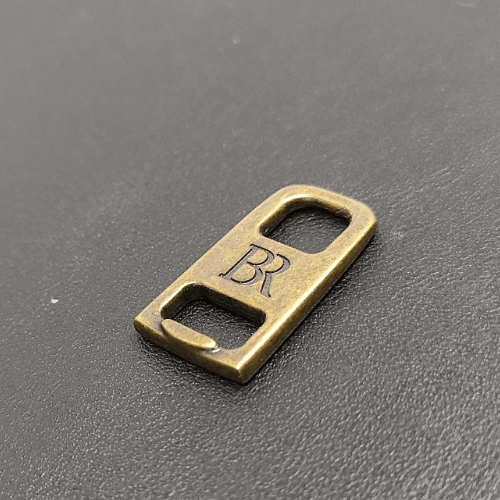 | 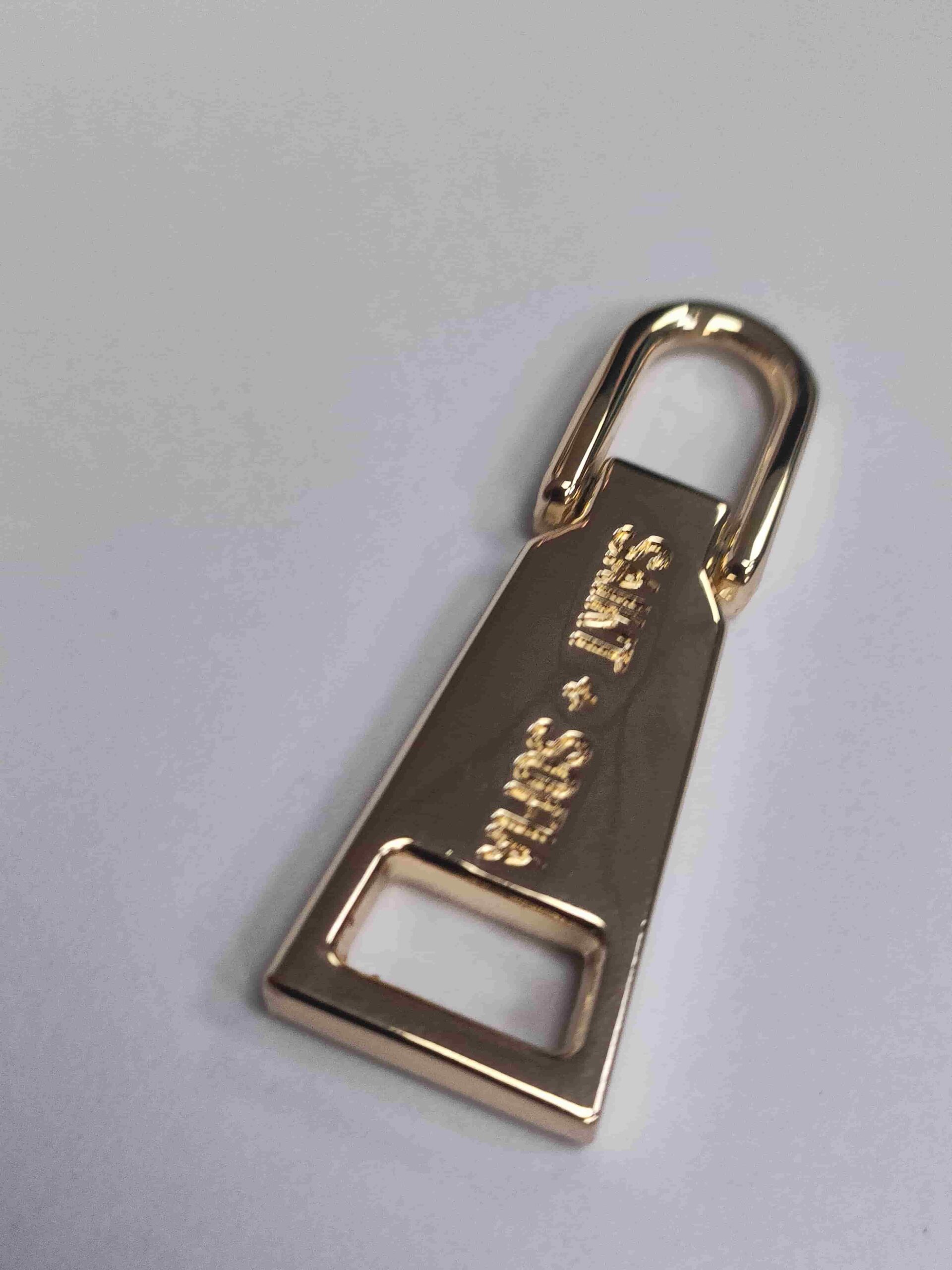 |
| Slide-out type | Hanging-style |
structural strength
During die-casting, we must carefully control the wall thickness for three-dimensional embossed logos. Designers must not focus solely on aesthetics; insufficient wall thickness can lead to product breakage later on.
maintain a consistent style across all hardware components
The color and surface finish of the zipper pull must coordinate with the bag’s other hardware. If the zipper pull is gold but the fasteners and base studs are gunmetal gray, the overall hardware will appear visually cluttered, diminishing the product’s perceived quality.
Considerations for Custom Zipper Pulls
From mold making to mass production, there are many potential pitfalls in the process of customizing zipper pulls, so procurement and order tracking require close attention.
Before mold making, the 3D drawings must be confirmed
Since die-casting molds are expensive, making changes after we complete the mold not only incurs additional costs but also extends the lead time. Ensure that the logo’s raised height, wall thickness, and overall structure are all confirmed to be correct before proceeding with mold making.
Strictly control assembly tolerances
The zipper pull must match the zipper teeth and the pull tab slot. Exceeding tolerances will make the zipper feel loose, stick, or even produce abnormal noises when pulled. During the sample stage, actual assembly testing is essential; do not rely solely on the appearance of the hardware.
Test the durability of surface finishes
Require suppliers to provide salt spray test and abrasion resistance test reports. Low-cost products often feature simplified plating processes, leading to bare metal and discoloration after only a short period of use—which directly impacts brand reputation.
Prioritize small-batch trial production
Do not place large-volume orders immediately. First, conduct small-batch trial production, assemble the components into sample bags, and conduct practical tests on appearance, feel, and abrasion resistance. we should schedule mass production only after the trial production passes inspection.
Conclusion
Custom logo metal zipper puller test not only aesthetic judgment but also comprehensive control over craftsmanship, materials, and the supply chain. In the early stages of product development, it’s essential to first define the desired visual appearance and quality standards before discussing pricing and delivery times. When materials, molding processes, and surface treatments work in harmony, even a small zipper pull can become an eye-catching brand detail on luggage and bags.