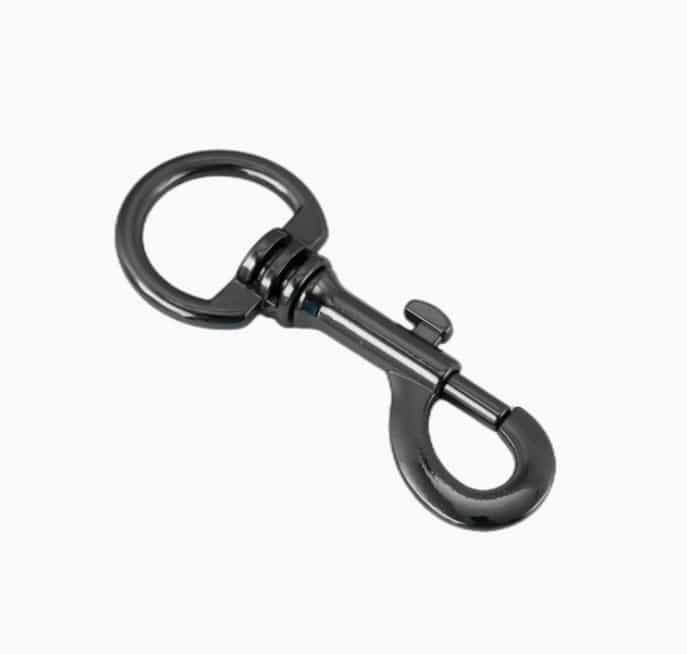
The luggage hardware components “accidentally oxidized” inside the transportation container -A Rust Prevention Report from the Factory
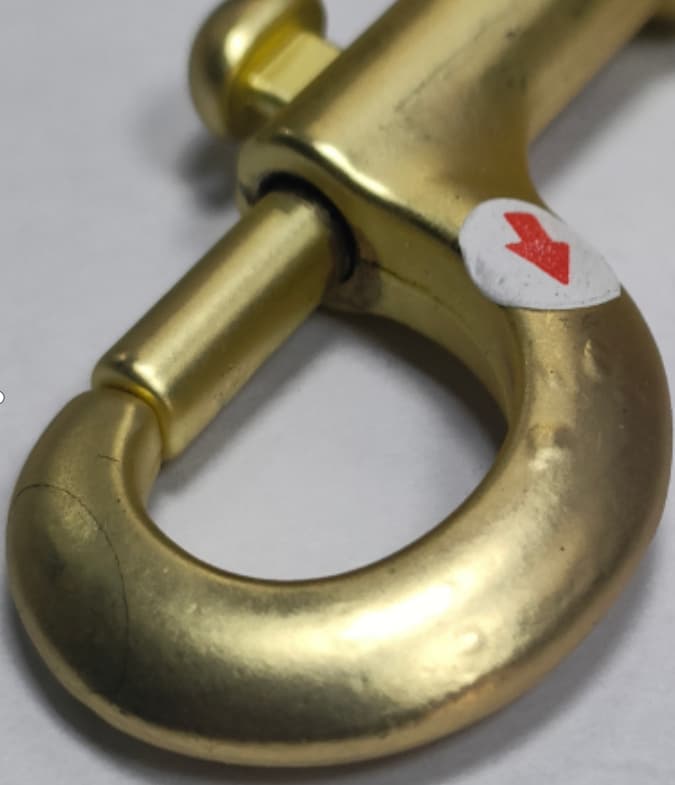
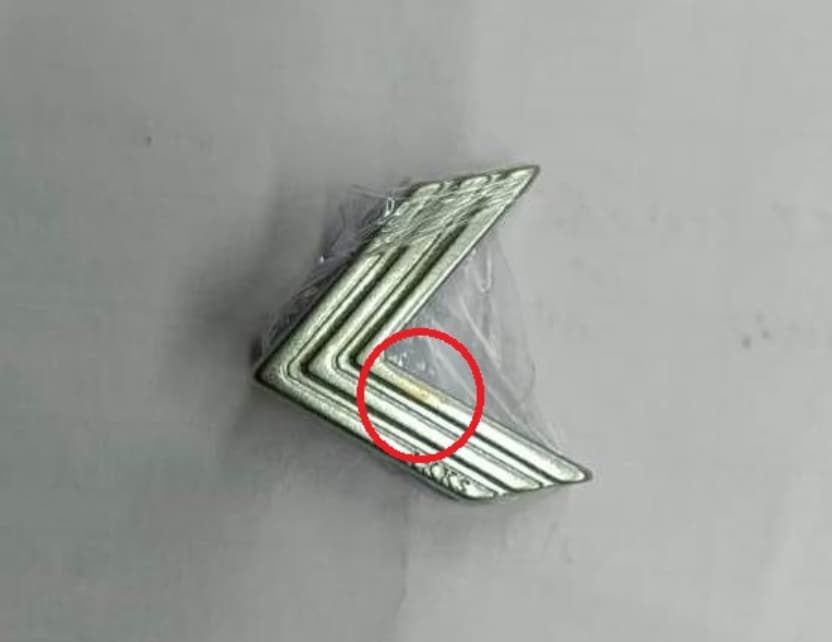
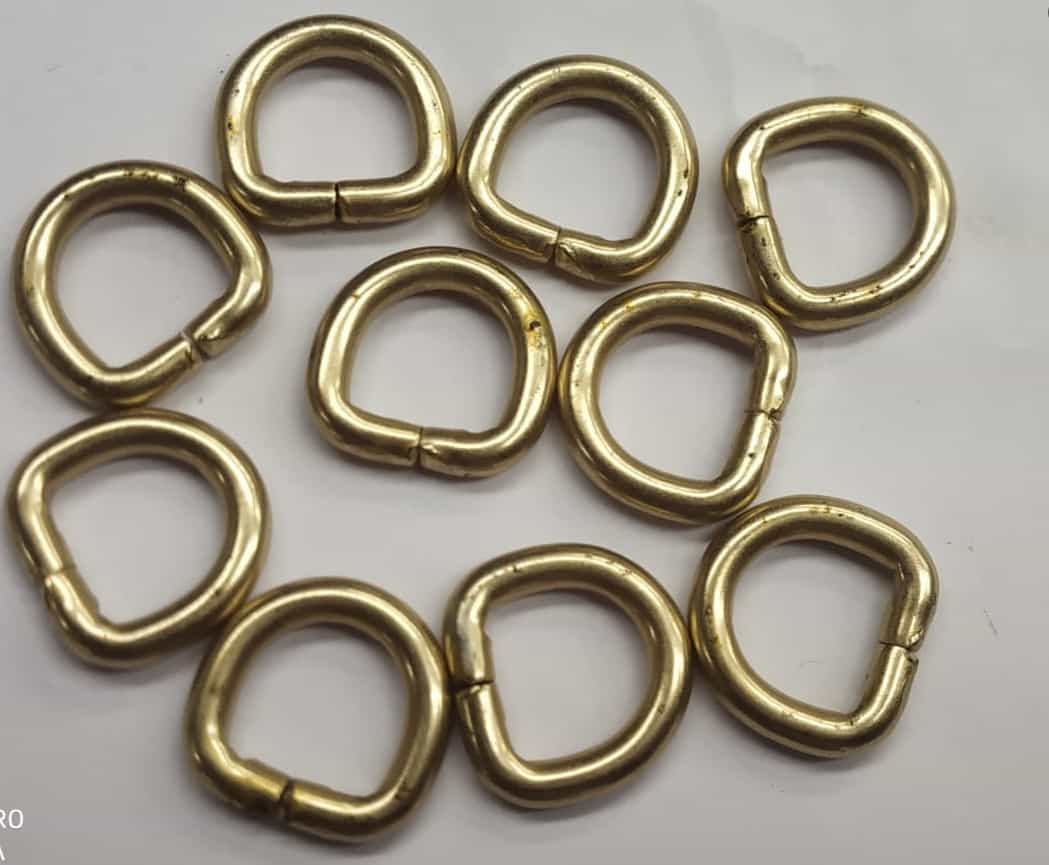
We’ve been making luggage hardware for years, and over that time, we’ve run into all kinds of tough after-sales problems. Here’s a typical one: the hardware passes every quality check before shipment—plating looks great, no visible question at all. But after spending just 20 to 40 days at sea, the container finally gets unloaded at an overseas port. And that’s when questions start showing up—oxidation spots, whitening, yellowing, even peeling plating..
Many customers and industry peers wonder: “If the products undergo strict quality inspections before leaving the factory and have no quality issues, why do they mysteriously rust after just one sea voyage?” Most people mistakenly assume this is due to poor plating quality or material defects. So here’s what we found. Our factory went back and looked at hundreds of cases where oxidation showed up after shipment. We also tracked things closely during warehousing and shipping. And you know what we discovered? In 90% of those cases, the oxidation on luggage hardware during ocean transport wasn’t because the product itself was defective. The real culprit is something we call “hidden accidental oxidation,” and it gets triggered by the unique conditions inside shipping containers.
Drawing on our factory’s first-hand experience across the entire production, packaging, and container loading process, this article provides an in-depth analysis of the underlying logic, hidden causes, and common misconceptions behind the oxidation of luggage hardware during sea transport. It also offers highly practical, end-to-end rust prevention solutions to help exporters of luggage hardware avoid losses and minimize after-sales risks.
 |  |  |
I. Key Insight: Oxidation of luggage hardware during ocean transport is never caused solely by water ingress.
A lot of factories mistakenly think, “Hey, as long as our container doesn’t leak and the rain doesn’t touch the cargo, our hardware won’t oxidize or rust.” But that’s just not true.However, the dynamics of corrosion during ocean transport are entirely different from those in inland warehousing or short-distance transport. Luggage hardware is typically made of zinc alloy, iron, copper, or stainless steel, with surfaces protected by thin layers of plating, baked paint, or oil seals. These protective layers are thin and fragile, making them extremely sensitive to the unique conditions of ocean transport.
A shipping container is a sealed, micro-corrosion environment characterized by extreme temperature fluctuations, high salt fog, and high humidity. What truly destroys the plating on hardware components are three major invisible culprits of corrosion—invisible to the naked eye throughout the entire journey, yet continuously seeping in and causing damage.
1. Container Rain: Silent, Persistent Condensation
During long-distance ocean transport, there are extreme temperature fluctuations between day and night, as well as across different sea regions. During the day, containers are exposed to direct sunlight, causing internal temperatures to soar above 50°C, with the air absorbing large amounts of moisture. At night, temperatures drop sharply, causing the moisture in the hot air to condense rapidly. This forms a fine layer of water droplets on container walls, cardboard boxes, packaging film, and metal hardware surfaces—a phenomenon known in the industry as “container rain.”
This condensation does not form standing water and is difficult to detect with the naked eye. However, it creates an extremely thin water film on the surfaces of metal hardware, providing the essential electrolyte environment for oxidation reactions. Unlike ordinary humidity, “container rain” involves repeated cycles of drying and wetting, continuously washing away and eroding the protective layers on metal surfaces, thereby accelerating the aging, loss of luster, and whitening of plating.
2. Sea Salt Ions: The Most Potent Corrosion Catalyst
The air in coastal areas is rich in chloride-ion salt spray particles. These particles are extremely small and can penetrate into the interior of shipping containers through ventilation openings, door gaps, and minute cracks in the container walls. They remain suspended in the enclosed air and continuously settle on the surfaces of metal hardware.
Salt ions possess extremely high penetrating and conductive properties, directly penetrating the microscopic pores in the plating layers of hardware components and destroying the passivation film. Even a slight accumulation of salt fog, in a high-humidity, enclosed environment, can rapidly trigger electrochemical corrosion, resulting in pitted rust spots, discoloration, and plating peeling. This is the core reason why rust formation during maritime transport near the coast occurs far more rapidly than in inland warehouses.
3. Hidden Moisture: The “Moisture Trap” in Packaging
Many oxidation issues are already set in motion the moment goods are loaded into a container. Upon reviewing numerous post-sales cases, we found that for most goods affected by moisture and oxidation, the problem did not stem from seawater leakage, but rather from moisture inherent in the packaging materials themselves.
And there is a pay attention to the point —think about the packaging materials themselves: cardboard boxes, expanded polystyrene (EPS), bubble wrap, and wooden pallets. If they get made during the rainy season, or packed in a workshop that’s already way too humid, they’ll just soak up a ton of moisture from the air. Then, once you seal them inside a container for a long trip, all that moisture doesn’t just disappear. Instead, those damp materials will release the water vapor slowly until the transportation finished. That keeps the humidity at dangerously high levels in certain spots for a very long time. And what do those spots become? Localized high-humidity corrosion zones. And guess what happens there? They go right after the hardware on the luggage stacked in the inner layers—corroding it like clockwork.
Common Pitfalls in Manufacturing: 5 Seemingly Innocent, Yet Fatal, Misconceptions About Rust Prevention
You might think oxidation on luggage hardware just pops up out of nowhere during ocean transport—but honestly, it’s almost never a sudden issue. Instead, it builds up slowly from a bunch of small mistakes that seem pretty minor at first. Things like what happens during production, how people package the hardware, and the way they load the container—all those little slip-ups add up.
And here’s the tricky part: you can’t spot any of these problems when the shipment leaves. Everything looks fine on the surface. But once the hardware heads out on that long ocean journey, those hidden issues keep getting worse. By the time the container reaches its destination, the damage is done, and you end up with visible oxidation and all those ugly defects.
Misconception 1: Cleaned at the factory = no risk of corrosion
When packing, many workers simply wipe the surface of hardware components with a cloth to remove dust and water stains, then deem the products clean and ready for shipment. However, residues from the hardware manufacturing process—such as polishing wax, cutting fluid, fingerprints and sweat, and cleaning solution—are completely invisible to the naked eye.
These minute residues can become lodged in microscopic crevices within the plating. In the high-humidity, salt-fog environment of ocean transport, they accelerate electrochemical corrosion, leading to localized spots of oxidation in as little as a couple of weeks. This is the primary reason why many hardware products exhibit “localized rust while remaining otherwise intact.”
Misconception 2: Simple bag packaging = effective rust protection
A lot of factories think they’re doing the right thing by using standard PE bags to seal up their hardware. Their logic is simple: seal it shut, and you keep moisture and rust out, right? Well, not exactly. Here’s the problem—those regular plastic bags don’t actually have any real moisture-proof or salt-fog resistance. They can’t stop salt ions or water vapor from getting through.
And here’s another thing that makes it worse: when you seal the bags, you’re basically trapping the humid workshop air right inside along with the hardware. So now you’ve got this little sealed bag full of damp air. Then, once it hits the tight, confined space of ocean shipping, that trapped moisture starts moving around and condensing. What does that create? Basically a “damp cage” for your hardware. And that speeds up oxidation and discoloration like crazy.
Misconception 3: Placing desiccants haphazardly; the more, the better
A lot of factories do know they should use desiccants—but the way they actually go about it is often a mess. For example, they’ll just toss a few desiccant packs into the cardboard boxes without much thought. They start off by not using enough desiccants in the first place. Or even worse—they grab desiccants that have already expired, so they’re completely useless. And sometimes, the packaging comes torn or punctured, which means the moisture escapes before the desiccant even has a chance to do anything.
On top of that, there’s this weird idea floating around that “more is always better.” So what do they do? They blindly pile a ton of desiccants into each package—but then they don’t even seal the package properly. So basically, those desiccants soak up moisture from the air way too fast. Before you know it, they’re completely full and stop working entirely.. In the end, all that extra effort gives you zero protection.
Misconception 4: Ignoring the humidity of the packing environment and auxiliary materials
You wouldn’t believe how often people overlook this, but loading containers directly in the rain—especially during the rainy season—is a huge risk. And when you’re also using unseasoned wooden pallets and damp cardboard boxes? That just makes things way worse. Here’s the thing: even a single box of damp packaging can release so much moisture that desiccants don’t stand a chance. That moisture drives up the humidity inside the whole container, and then your hardware components end up sitting in that corrosive, high-humidity environment for the entire journey.
Misconception 5: If the coating meets the standards, no additional protection is needed
Many customers believe that as long as the plating thickness and salt spray test results meet the standards, the product is absolutely safe for ocean transport. But here’s the thing—lab salt spray tests run in a nice, steady environment with constant temperature and humidity. Real ocean transport? That’s a whole different beast. You’ve got extreme conditions all mixed together: high heat, low temperatures, heavy humidity, salt spray, and constant pressure changes. Put simply, the real thing is way more intense than any lab test.. Conventional plating protection alone is simply incapable of withstanding the complex corrosion encountered during long-distance ocean transport.
V. Conclusion: Marine Rust Prevention Depends on a Closed-Loop Approach to Details
With years of industry experience, we understand that oxidation of luggage hardware during ocean transport is never a result of “quality failures,” but rather an unexpected issue caused by “misunderstandings of environmental conditions combined with oversights in details.” While customers see rust defects after unpacking the containers, factories know that these are the result of minor issues continuously escalating over dozens of days in the extreme conditions of ocean transport.
For export manufacturers of luggage hardware, a compliant plating finish is merely the foundation; comprehensive rust prevention throughout the entire shipping process is the true cornerstone of reliable delivery. Only by paying close attention to every fluctuation in humidity, meticulously addressing every packaging detail, and never underestimating the corrosive power of ocean transport can we completely eliminate the post-sales dilemma of “perfect at the factory, rusty after shipping,” thereby safeguarding our product reputation and maintaining customer trust