Stainless Steel vs Brass vs Zinc Alloy: Which is the Best Bag Hardware Material?
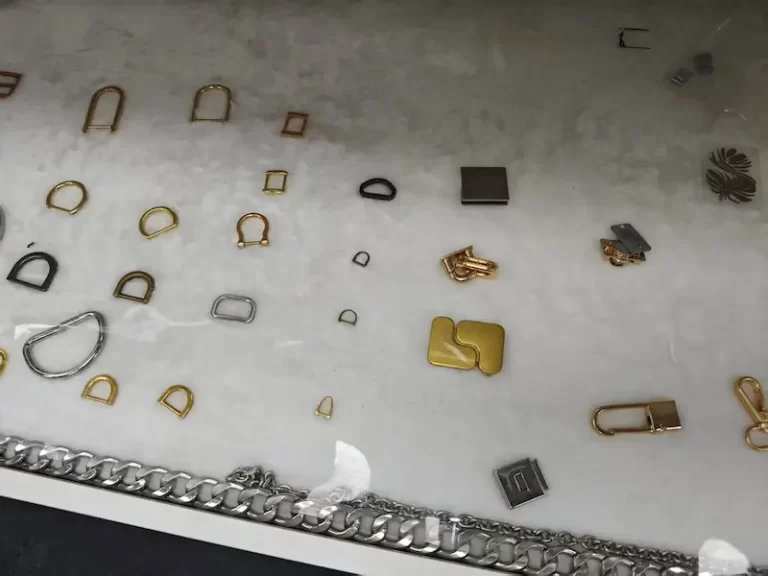
Hardware for bags comes in a wide variety of types and is made from numerous materials. However, the commonly used materials for bag hardware are stainless steel, brass, and zinc alloy. Which is the Best Bag Hardware Material?
Today, OYC intends to clarify the advantages and disadvantages of these hardware materials based on our limited knowledge. The conclusion is: Stainless Steel > Brass > Zinc Alloy. Hardware is a crucial component of bags!
Commonly used materials include zinc alloy, brass, stainless steel, etc.
01 Zinc Alloy
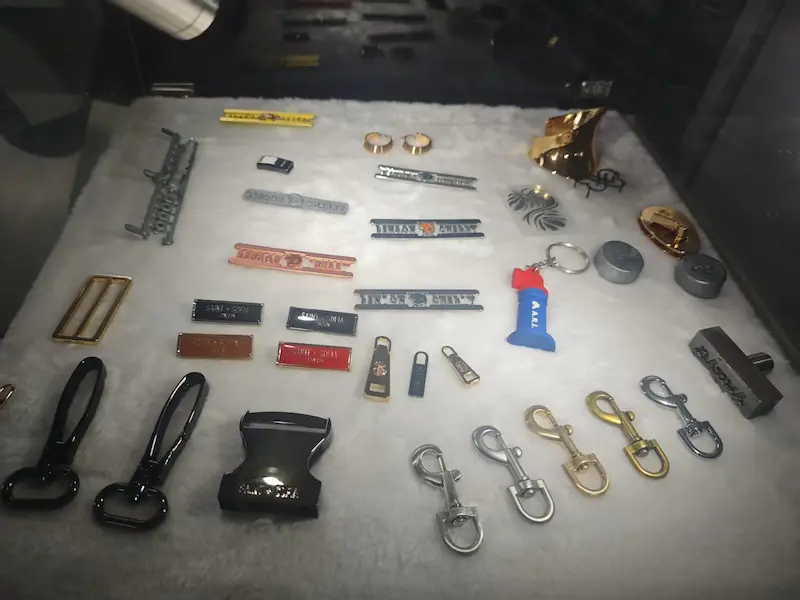
As the name suggests, it is an alloy based on zinc metal with other elements added. Usually low-temperature metals such as aluminum, copper, magnesium, and titanium. This makes zinc alloy have a lower melting point, easier to be cast, corrosion-resistant, and convenient for recycling and recasting. It is cost-effective and has good casting performance. Many hardware for luggage and bags commonly seen in the market use zinc alloy as the blank.
02 Brass
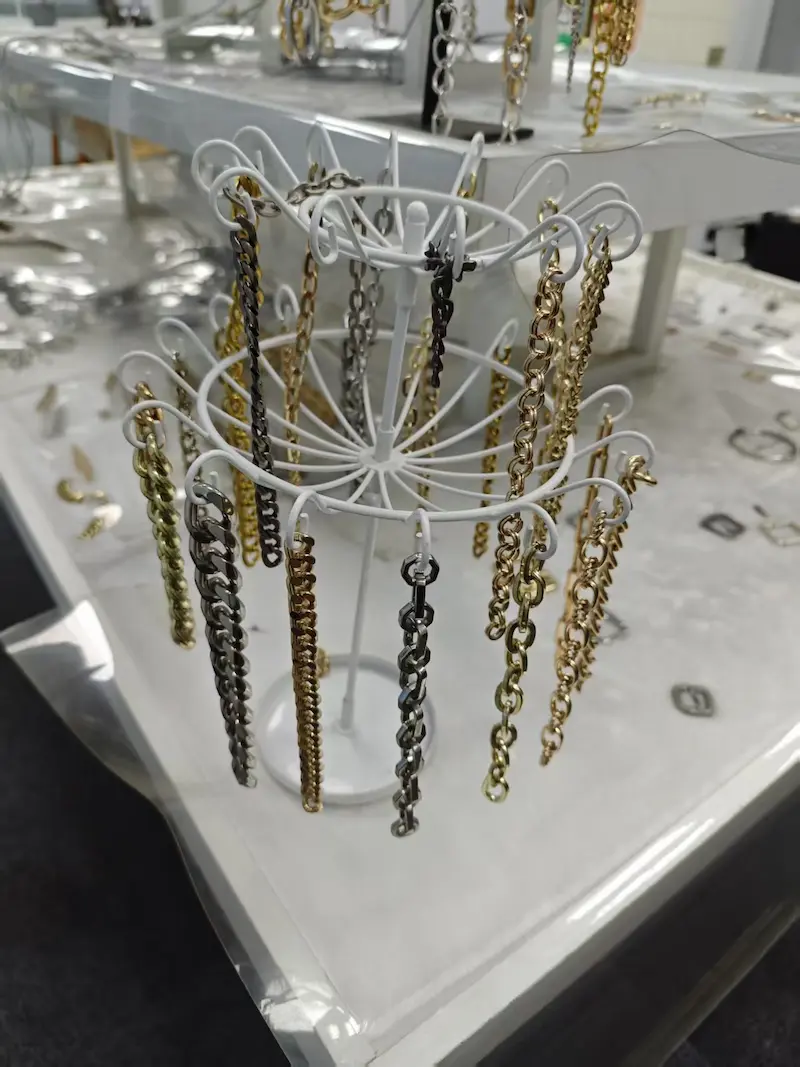
This material has high strength, is not easy to deform or be damaged under external forces, and has good corrosion resistance in the air, with a long service life, making it the preferred material for many brands. After die-casting and polishing, a nickel plating layer is first applied to prevent oxidation and increase surface hardness, followed by vacuum plating. For example, the double G belt buckle of GUCCI.
03 Stainless Steel
Advantages
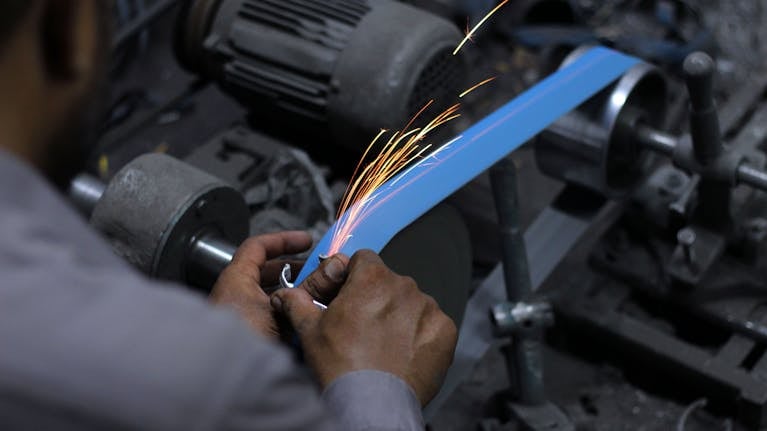
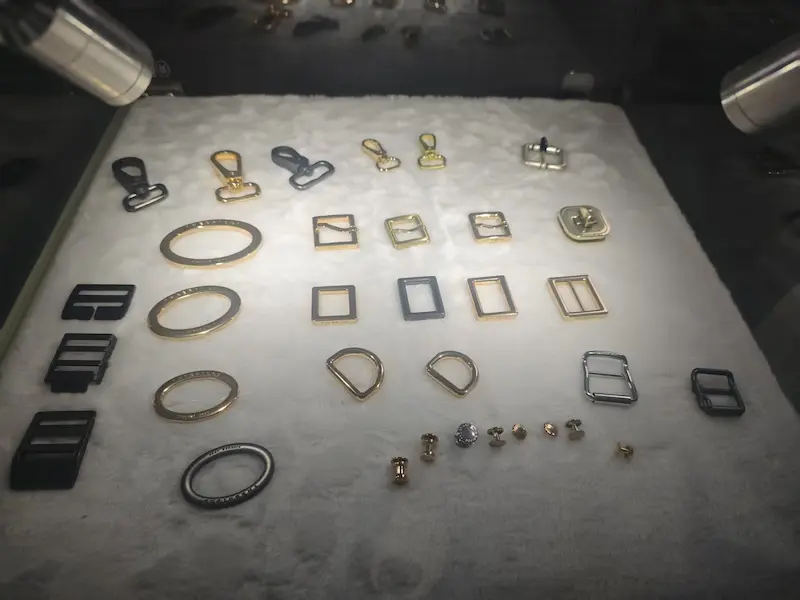
It refers to steel that is resistant to corrosion from weak corrosive media such as air, steam, and water. As well as chemical etching media such as acids, alkalis, and salts. It has the natural color of steel and can also be gold-plated or silver-plated. It has excellent texture, extreme durability, and high aesthetic value, so it is basically a must-choice for high-end luggage and bags. The manufacturing process is complicated; due to its high hardness, a lot of manpower and time are required during polishing. It can also be directly polished for vacuum plating. In terms of overall performance, it is superior to other types of hardware.
Disadvantage: It is expensive.
Hermès basically uses stainless steel hardware accessories. Moreover, stainless steel vacuum plating is the top tier of leather hardware, with the finished products having higher durability, longer-lasting plating color fastness, and better acid and alkali resistance than hardware made of other materials. Therefore, more and more first-tier luxury brands are fully replacing their hardware accessories with stainless steel materials.
Hardware plating can be divided into water plating and vacuum plating.
- Water plating is a chemical plating method that utilizes the principle of electron adsorption, allowing the plating material to adhere to the hardware surface through electric current.
- Vacuum plating is a physical plating method, where the plating material adheres to the hardware surface in a high-temperature and high-pressure vacuum environment, thus requiring the material to be resistant to high temperature and pressure.
The most essential factor determining the final durability and texture of hardware is the thickness of the plating layer. The cost of high-end hardware plating accounts for more than half of the hardware cost. For the same stainless steel hardware, a plating layer thickness of 1μm and 3μm not only differ in durability but also in price. Similarly, the cost of stainless steel hardware is about 10 times that of zinc alloy hardware.
Finally, it is necessary for everyone to accept the truth that no matter how superior the hardware is, it cannot escape the natural properties of hardware. The inevitable processes of oxidation, tarnishing, mottling, and rusting are irresistible natural properties of hardware! All the improvements made now aim to extend the service life of the hardware.