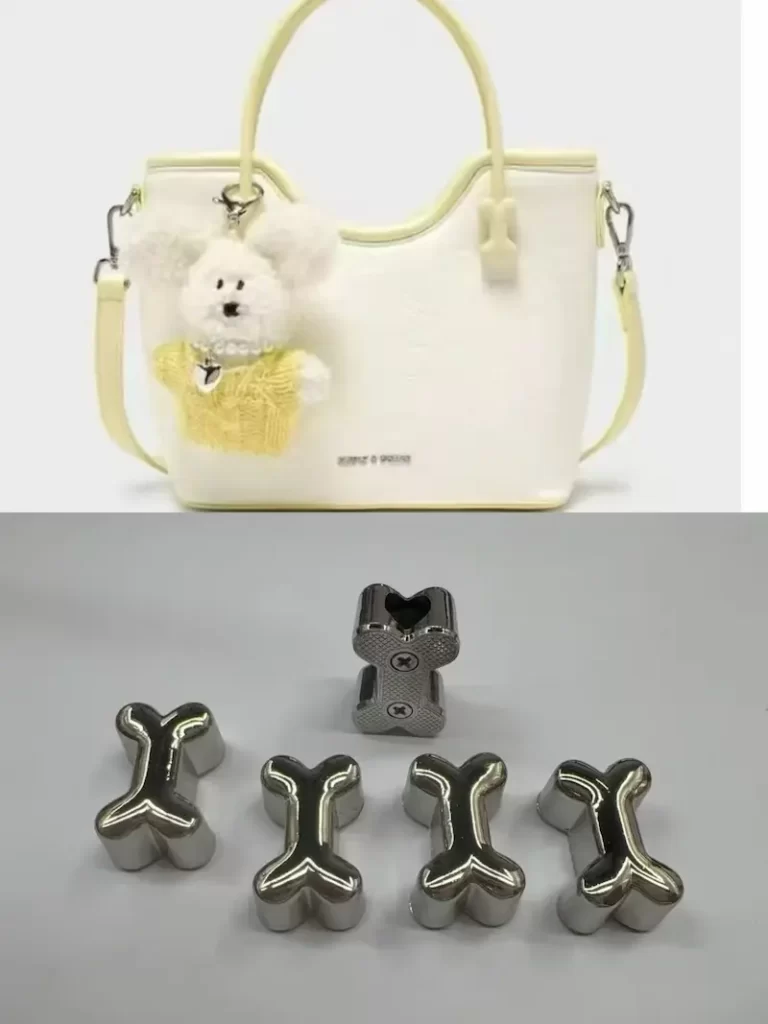
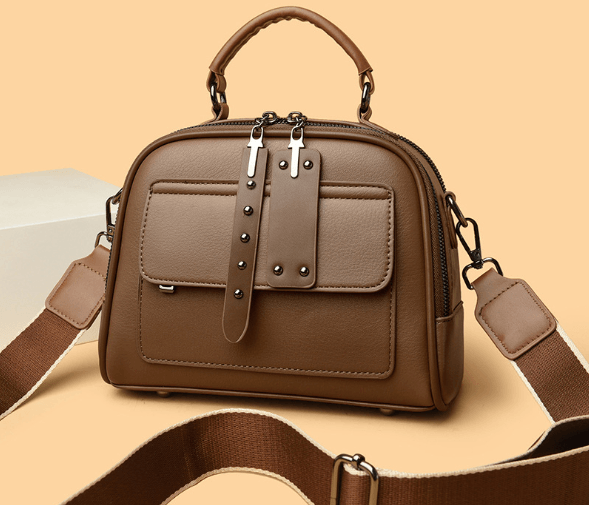
how to polish bag hardware
Even on high-quality bags, the hardware components inevitably suffer wear, oxidation, and loss of luster over time. Many people consider restoration to make the bag hardware look brand new again. Among the methods, polishing the bag hardware is one of the most common approaches—or rather, one of the most important steps. Below, the editor from OYC Bag Hardware Manufacturer will introduce how to polish bag hardware:
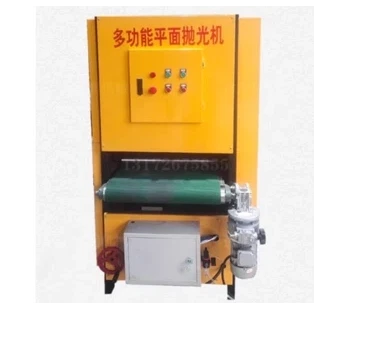
Steps for Polishing Handbag Hardware for Personal Use
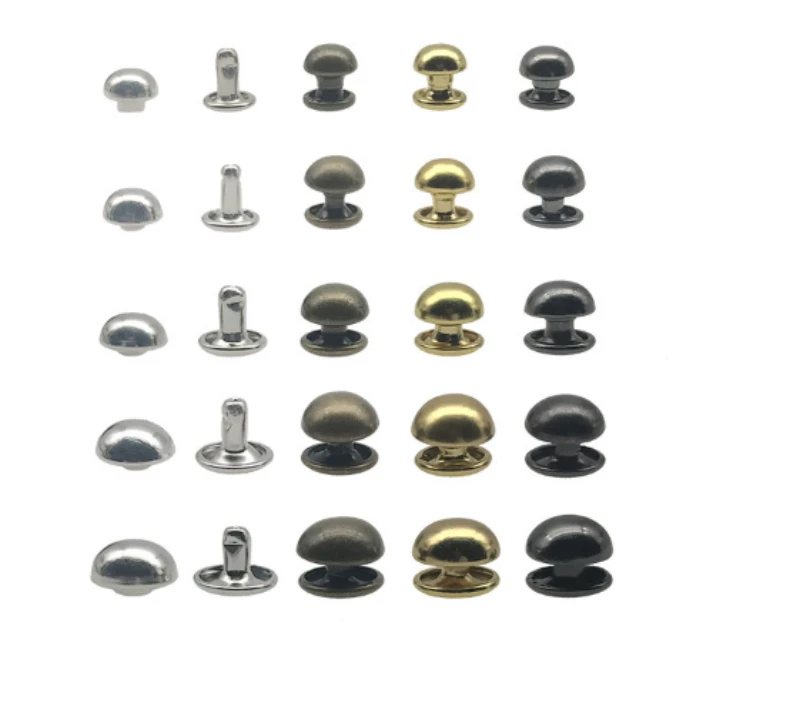
Identify the Hardware Material
Why is it crucial to first identify the material of the handbag hardware to be polished? Because different materials vary in hardness, wear resistance, and luster.
Common handbag hardware materials include
Cleaning Surface Grime
Wipe with a soft cloth to remove grease and dust. Avoid sharp tools. For stubborn stains, use appropriate cleaners or alcohol. Note: Thorough cleaning is essential to prevent residual dust or grease, which significantly impacts subsequent polishing.
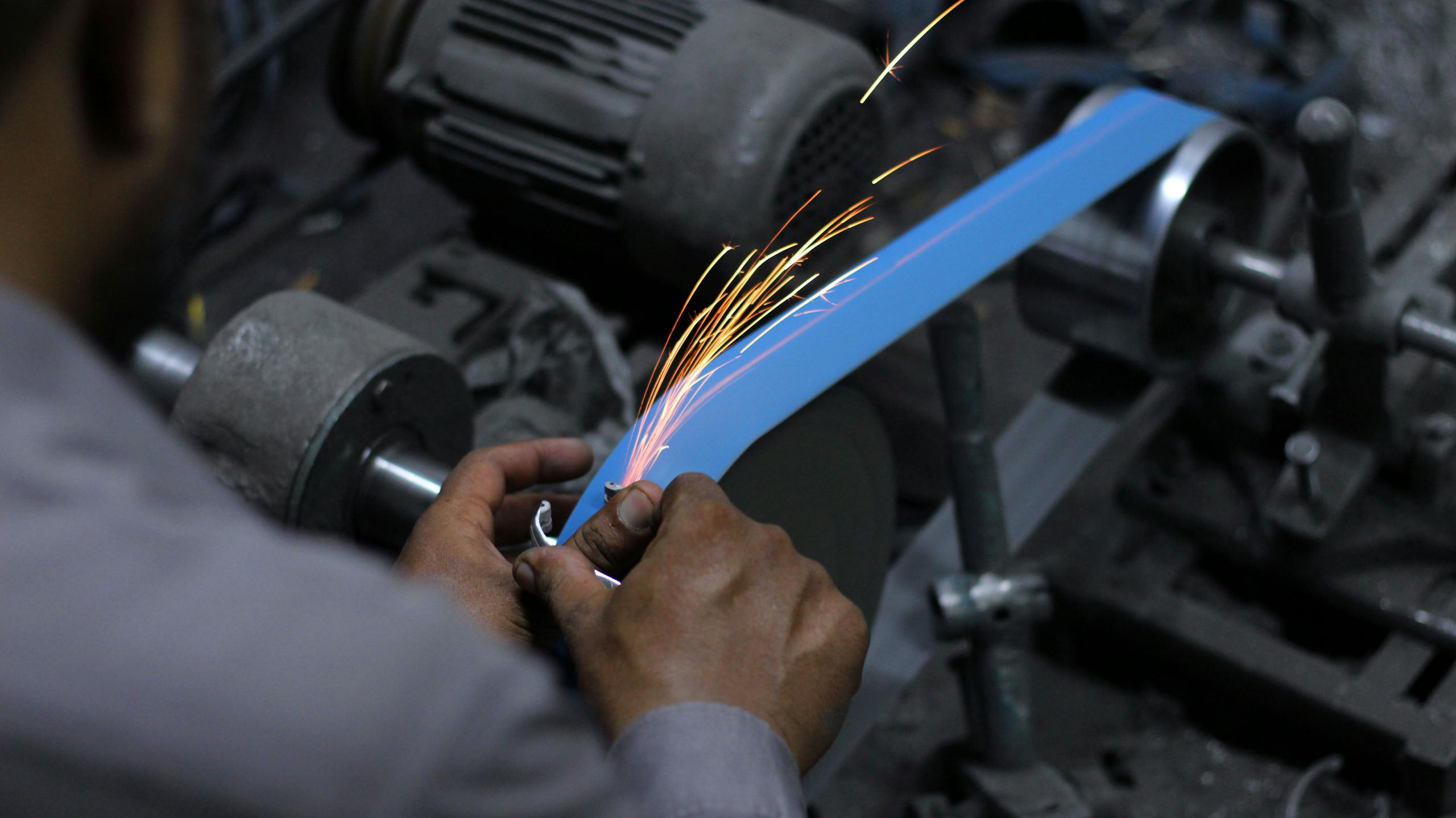
Gentle Polishing
Apply a polishing compound suitable for the metal onto a soft cloth and buff gently in circular motions. This initial polishing requires minimal pressure.
Detail Care
Pay attention to edges and corners inaccessible to polishing tools. Use a cotton swab to clean small gaps like zipper teeth, then wipe away excess polish with a clean soft cloth.
Re-Polishing
For areas where gentle polishing is ineffective, re-polish using increased pressure and specialized polishing agents.
Post-Polishing Protection
Apply a thin layer of clear nail polish or metal protectant to delay oxidation. Keep hardware dry during daily use.
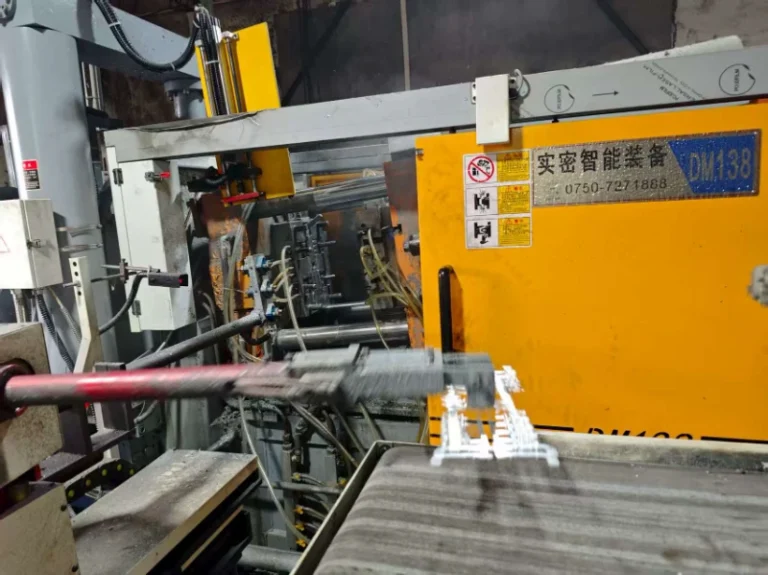
Polishing is also performed during the production of handbag hardware components, though this differs from routine maintenance polishing. Production polishing typically involves batch processing with greater force and specialized tools.
Production Polishing vs. Daily Maintenance Polishing
| Dimension | Manufacturer Polishing | Daily Use Polishing |
|---|---|---|
| Tools | 1. Large-scale polishing machines (e.g., cloth wheel polishers, grinding wheel polishers)2. Precision grinding tools (e.g., ultrasonic polishers for small gaps)3. Automated assembly line equipment (for batch processing to ensure efficiency) | 1. Soft cloths (e.g., suede cloth, eyeglass cloth)2. Cotton swabs (for gap cleaning)3. Small manual polishing blocks (for localized areas only) |
| Materials | 1. Industrial-grade polishes (e.g., metal-specific polishing waxes, polishing pastes, available in rough polishing/medium polishing/fine polishing types)2. Sanding papers (with different grit sizes for rough to fine grinding)3. Degreasers (for cleaning oil stains on metal surfaces before polishing) | 1. Consumer-grade polishing products (e.g., small metal polishing pastes, toothpaste, suitable for minor blemishes only)2. Alcohol (for surface cleaning)3. Clear nail polish (for simple protection after polishing) |
Additionally, it’s helpful to familiarize everyone with common names for bag hardware components to streamline communication.
common names for bag hardware
Zippers:
Often used for closure designs, high-quality zippers ensure smooth opening and closing.
Snaps:
Including spring snaps or magnetic snaps, they secure the bag while enhancing overall design aesthetics.
D-rings:
Used to attach shoulder straps or charms, adding versatility to bag styles.
Rivets and studs: Combine decorative and functional roles, often reinforcing the bag’s structure.
Handles and straps:
Hardware components integrated into the bag’s design, directly impacting comfort and practicality.
Bottom studs:
Placed on the bag’s base to prevent direct contact with surfaces like tables.
Bag locks:
Various lock types exist; refer to the classification of bag locks for details.
In summary, the above outlines the methods and steps for polishing handbag hardware. We hope this proves helpful. However, it’s important to note that not all handbag hardware can be polished using the same approach. Different materials, locations, tools, and repair compounds may be required depending on the specific hardware.