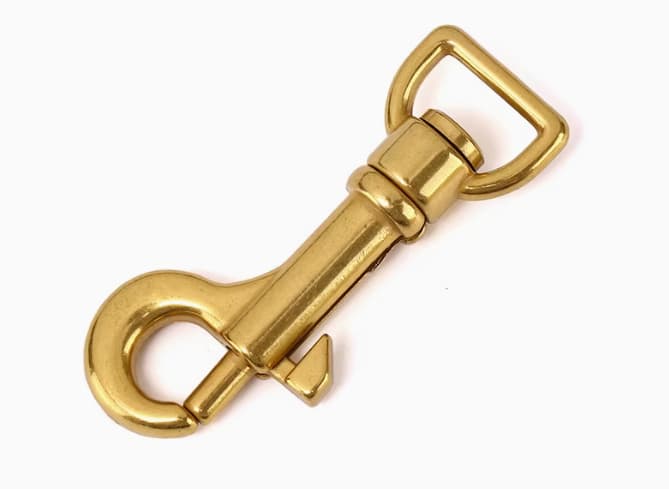
Luggage hardware: fully embracing sustainable development trends through the use of eco-friendly materials and green manufacturing processes
In today’s global fashion industry, sustainability has evolved from a mere slogan into a core guiding principle that runs through the entire chain of design, production and consumption. Bags and luggage are really important for travel and for expressing ourselves. The quality and look of bags and luggage depend a lot on the parts like zippers, dog hooks, rivets, metal logos and D-rings.These small parts are very useful. They help keep our luggage strong make it easy to use and even make it look better.For a time making these parts was not good for the environment because it used a lot of energy caused pollution and used bad materials.
Now things are getting better.We are using materials like brass, iron or zinc alloys and these materials need to be good for the earth.
When we treat the surface of these materials like using electroplating or lacquering the process needs to be safe not hurt the environment and prevent rust.
To make luggage hardware that’s really sustainable we need to choose the right materials and the right finish, for bags and luggage.
I. Environmentally friendly materials: a fundamental shift from resource extraction to recycling
Sure! Here’s a more conversational, active, and natural version of that paragraph:
In luggage hardware, the three most common metals are brass, iron, and zinc alloys. Traditionally, mining and smelting these materials took a heavy toll on the environment. So how do we make them eco-friendly? We need to rely less on new ore, cut out any toxic elements, and use our resources more efficiently.
The path towards greening the copper industry relies primarily on recycled copper.
When you refine recycled brass scrap, you get brass that’s just as pure and performs as well as new electrolytic copper. But here’s the kicker—it uses only about 15% of the energy and cuts CO₂ emissions by more than 70%. Even better, recycled brass helps us avoid the environmental harm that comes with copper mining, like soil erosion and acidic wastewater from mines. High-quality recycled copper used in luggage zippers and locks not only retains brass’s characteristic warm lustre and excellent ductility, but can also further enhance its environmental credentials through optimised alloy compositions (such as reducing lead content).
The environmental upgrade of iron materials focuses on the use of green steel.
Traditional ironmaking processes are typically characterised by high carbon emissions, whereas modern eco-friendly iron materials make extensive use of scrap steel as raw material. Through electric arc furnace smelting, combined with clean energy sources such as hydroelectric or wind power, they significantly reduce the consumption of fossil fuels. At the same time, the promotion of chromium-free or low-chromium alloy steels in iron-based hardware components helps to avoid the generation of toxic substances during subsequent processing right from the composition design stage. When used in luggage frames, rivets and washers, these eco-friendly iron materials still maintain excellent mechanical strength.
Environmental breakthroughs in zinc alloys are particularly crucial.
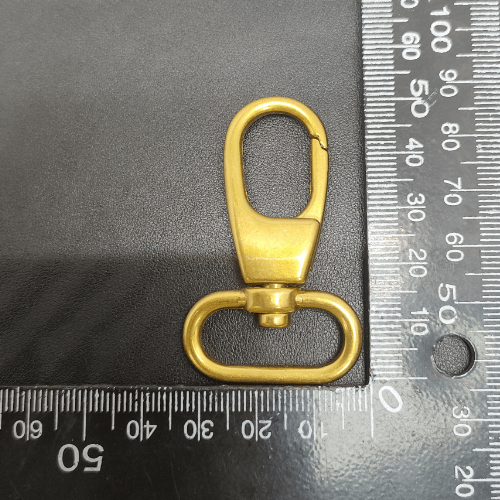
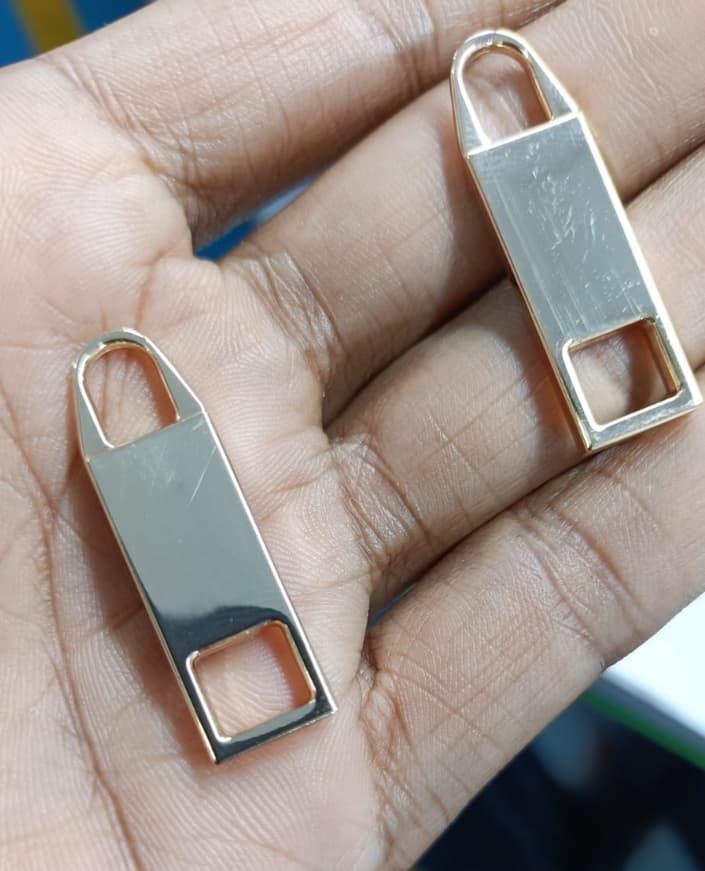
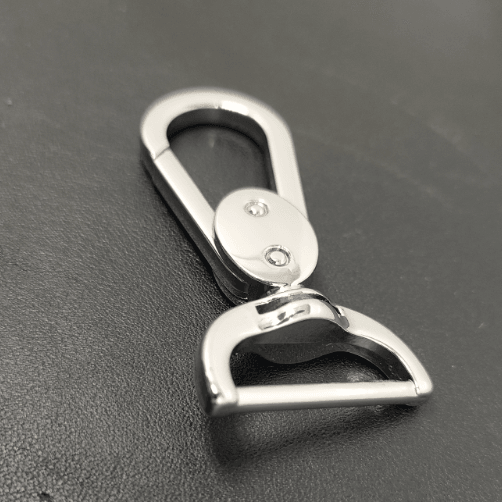
Zinc alloy material are a great choice for complex parts like luggage dog hooks, metal pullers, and metal logos. But here’s the problem—traditional zinc alloys often add lead for making them easier to machine. And lead, as we know, is a toxic heavy metal. If it leaks into the soil or water over time, it can harm both ecosystems and human health. The good news? Today, we can mass-produce lead-free or low-lead eco-friendly zinc alloys (with less than 0.005% lead) on an industrial scale. By carefully adjusting the mix of aluminum, magnesium, brass, and other elements, we get alloys that have zero lead hazards and still cast beautifully. Some high-end eco-friendly zinc alloy also carry recyclable certification, ensuring that products can be easily incorporated into recycling systems at the end of their lifecycle.
II. Green Technology: A three-pronged technological innovation combining non-toxicity, corrosion resistance and rust prevention
Using Environmentally friendly materials is a great start, but that it is not enough. We also need green manufacturing processes. Otherwise, all the good we make at the beginning could be undone at the end. So, when it comes to making luggage hardware, the goal comes down to three simple things: no toxic substances, resistance to corrosion, and rust protection
When it comes to achieving ‘non-toxic’ processes**, the electroplating stage is the first to be addressed.
Traditional electroplating makes extensive use of cyanide as a complexing agent and hexavalent chromium as a passivating agent. Cyanide is highly toxic, whilst hexavalent chromium is a confirmed Group 1 carcinogen; their wastewater and exhaust gases pose a potential threat to workers, the surrounding environment and end consumers alike. Modern green processes are all about making things better. They use things like cyanide- electroplating. This means they do not use cyanide when they are plating copper or silver. They also use trivalent chromium passivation. The old kind of chromium was very bad for people. This new kind is only one percent as bad. It is also easy to clean up the water they use.
Then there is something called PVD or physical vapor deposition. This is a way of putting a coating on metal. They do this by heating up metal or ceramic in a vacuum. Then putting it on the surface of the metal. This process does not use any water. It does not use any bad chemicals. So they do not have to worry about getting rid of water.
Modern green processes like cyanide- electroplating and PVD are good for the people who work with them. They are also good for the people who use the things that are made with them like luggage. People do not have to worry about getting hurt by things when they touch these products. Modern green processes, like these are very safe.
Environmentally friendly materials-To enhance ‘corrosion resistance’, it is necessary to focus on surface treatment technologies.
Marine climates, humid environments, or the salt content in human sweat can all accelerate the corrosion of metal fittings. Environmentally friendly nano-sealing coatings are currently one of the mainstream solutions. These water-based coatings don’t contain any volatile organic compounds—so no VOCs. You just dip or spray them on, cure them at a low temperature, and they form a tight, clear protective layer over the hardware. Unlike old-school solvent-based sealants, these have no strong smells and don’t release harmful gases like benzene or formaldehyde. But they still do a great job blocking chloride ions, oxygen, and moisture from causing corrosion. Take zinc alloy fasteners, for example. If you treat them with eco-friendly trivalent chromium passivation and then add a nano-sealing coat, they can last over 96 hours in a neutral salt spray test without any red rust. The old way? Only about 48 hours. That’s double the protection. So you can be sure the hardware stays in good shape for the entire life of the luggage
Environmentally friendly materials -Ensuring effective rust prevention is a test of the comprehensive capabilities of the process.
Rust prevention is not a single treatment step, but rather a process that runs throughout the entire workflow, encompassing pretreatment, coating selection and post-treatment. Environmentally friendly rust prevention processes emphasise ‘green pretreatment’—replacing high-temperature, strong-alkali degreasing with bio-enzymes or physical degreasing to reduce chemical consumption and wastewater generation. “When it comes to coating design, we now use multi-layer nickel or zinc-nickel alloy coatings instead of single-layer ones. This takes advantage of the voltage difference between different metals to create a sacrificial anode effect that protects the part. For iron-based parts that don’t take well to electroplating, we use water-based anti-corrosion coatings or biodegradable vapor-phase anti-corrosion paper for packaging protection. That way, we avoid traditional anti-rust agents that contain nitrites. So what’s the common thread here? Through smart design and careful management, we keep hardware parts free from rust and corrosion—without ever introducing toxic or harmful substances
III. The Value Cycle from Green Hardware to Sustainable Fashion
As more brands switch to eco-friendly materials and green manufacturing, the luggage and handbag industry is seeing some real benefits. Take logos and hardware—when they use certified eco-friendly components, it helps brands follow international environmental rules like the EU’s REACH and the US RoHS. That means fewer trade barriers to worry about. At the same time, it boosts their image and shows customers they actually care about social responsibility.. For clients, hardware with exceptional corrosion and rust resistance means more durable luggage; there is no need to discard an whole bag prematurely due to rusted buckles or jammed zips, thereby reducing resource wastage at the consumer end. For society as a whole, only when every rivet and every clasp is produced through cleaner manufacturing methods can the fashion industry truly shed its label as a ‘major polluter’.
From brass and iron to zinc alloy, and from material selection all the way to electroplated and sealing—every process in making luggage hardware is getting greener, safer, and more durable. This isn’t just a tech upgrade. It’s a whole new way of thinking about what matters in this industry. Quality isn’t just about looking expensive and pretty anymore. It’s also about caring for the planet and respecting life. So next time you grab your luggage, just take a second to look at those shiny little hardware pieces. Behind them is a quiet but determined green revolution.