Four Core Evaluation Criteria for Handbag Product Development & Sourcing | OYC Hardware
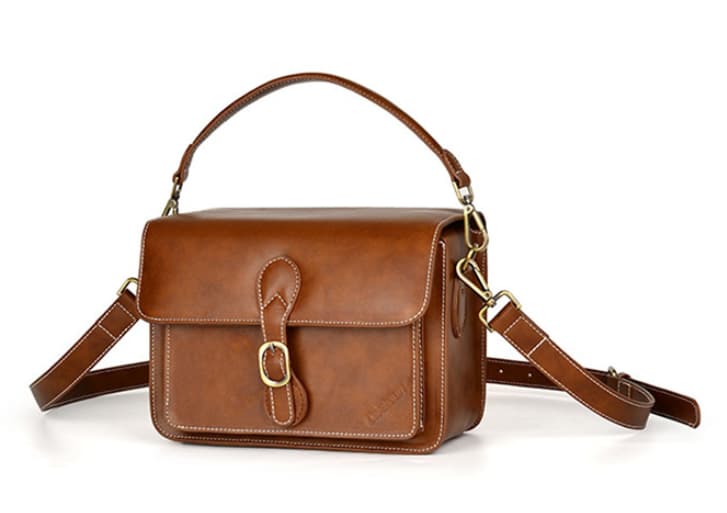
Handbags are essential fashion accessories. When developing or sourcing handbag products, quality outweighs short‑lived seasonal trends. Well‑crafted timeless‑style handbags maintain stable market acceptance. This article covers four core evaluation dimensions: raw‑material selection, overall craftsmanship, silhouette styling and hardware quality, providing practical reference for leather‑goods designers and procurement teams.how‑to‑paint‑bag‑hardware
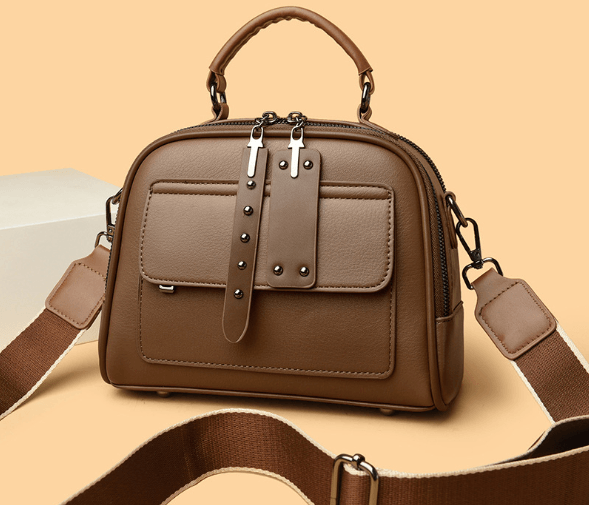
1.Handbag Raw‑Material Selection & Evaluation
One of the most crucial aspects when selecting a bag is its material. Both the outer fabric and lining deserve attention—don’t overlook the inner materials just because you’re focused on the exterior.
Bag fabrics come in many varieties, and the choice of material often directly correlates with the bag’s quality.
Main Categories Of Handbag Surface Materials
- Fabric
- Synthetic Leather
- Genuine Leather
Genuine leather is further categorized into:
Cowhide
Cowhide is widely adopted for durable handbag production. Premium‑grade cowhide requires controlled surface quality with minimal blemishes. It delivers outstanding wear‑resistance and suits daily‑use product lines.
Lambskin
Lambskin features soft texture yet requires careful maintenance. It is relatively delicate and better suited for occasional‑use high‑end collections instead of heavy‑daily‑wear designs.
Faux Leather: Cost‑Effective Material Option
Exotic Specialty Leathers
Exotic leathers belong to niche premium‑grade materials and will not be expanded upon in this guide.
Note:Product teams should evaluate fabric performance before mass‑production. Polyester fabrics may suffer from pilling and tearing under heavy load; cotton‑linen blends and canvas are alternative options offering substantial, smooth texture.
2.Overall Workmanship & Production Craft Evaluation
A bag’s overall craftsmanship is inseparable from its details—superior craftsmanship emphasizes meticulous attention to detail. Better-made bags appear more luxurious, which is why “details determine success or failure.” The bag-making process is far more complex than imagined. The more time and precision invested in each step, the higher the quality of the finished product.
Seam Workmanship & Interior Component Quality
This involves examining the bag’s seams, decorative elements, or interior pockets.
Fine‑Detail Production Assessment
This entails scrutinizing various aspects of the bag’s construction: material handling, cutting, stitching, pattern-making techniques, and other processes. These collectively determine the finished bag’s quality and visual appeal. Stitching refers to the various seams on the bag’s surface, while edge binding is the material used to cover the cut edges.
Key Indicators: Stitching & Edge‑Binding
Even stitching, consistent tension and complete edge‑binding improve both visual presentation and long‑term durability. Poor edge‑handling raises risk of material fraying during end‑user usage
3.Silhouette, Shape & Practical‑Performance Assessment
Product silhouette balances market trend appeal and timeless usability. When defining bag shapes for product lines, designers should evaluate two core factors: market fashion relevance and long‑term usability.
Additionally, test how the finished bag maintains its shape under loaded conditions. Structural design determines whether products retain silhouette integrity in real‑world usage scenarios
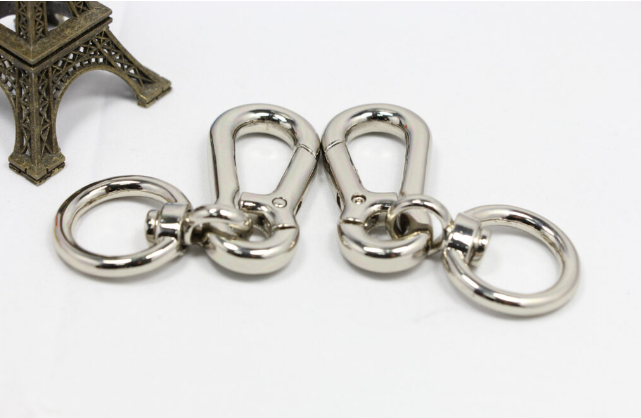
4.Metal Hardware Quality Assessment Standard
The use of accessories, especially hardware components, can make or break a bag. You might think we say this because we specialize in bag hardware? Exactly—as professional manufacturers, we understand its critical importance. If your bag’s hardware loses its shine, oxidizes, rusts, or develops scratches shortly after purchase, doesn’t it instantly look worn? No matter how beautiful the design or how prestigious the brand, it instantly loses value. Would you want to carry a worn-out bag out in public? Of course, intentionally distressed or vintage styles are exceptions.
The top choice for high-quality hardware is zinc alloy. Not only is it affordable, but it also offers excellent oxidation resistance and durability, ensuring the hardware retains its shine no matter how long you use it.
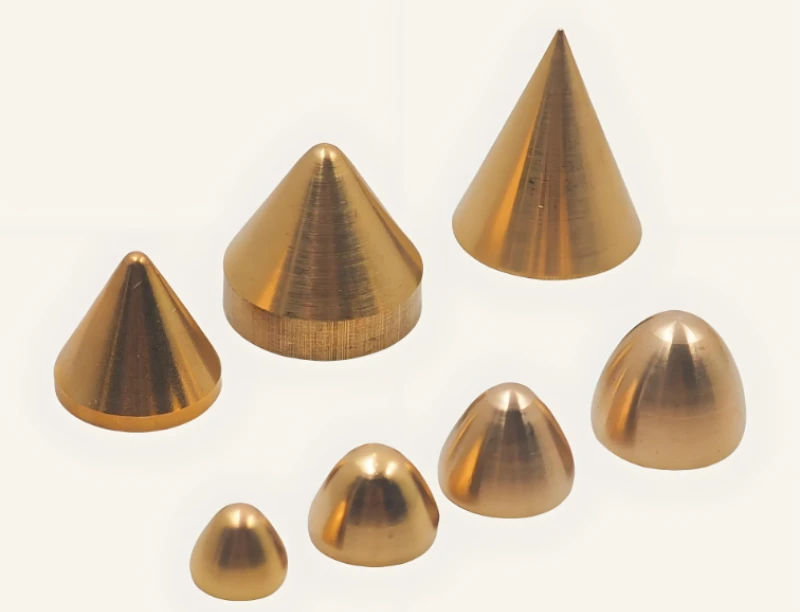
Key Dimensions To Evaluate Hardware Quality
To assess the quality of hardware fittings, you can consider the following aspects:
Surface Lustre & Visual Texture Evaluation
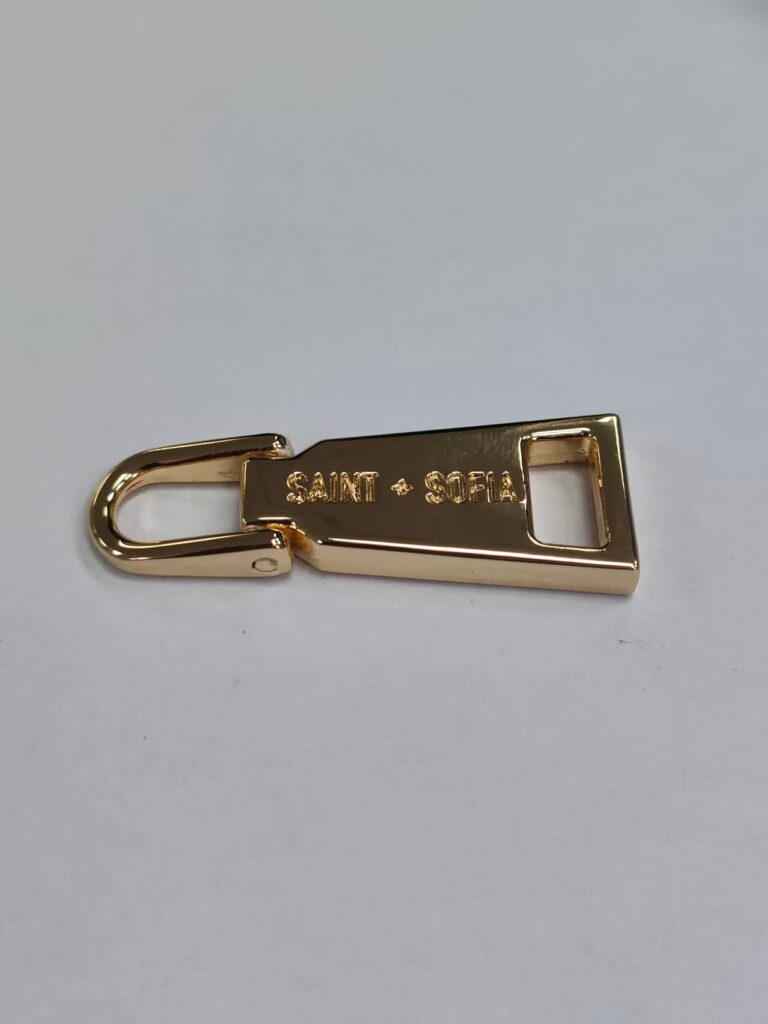
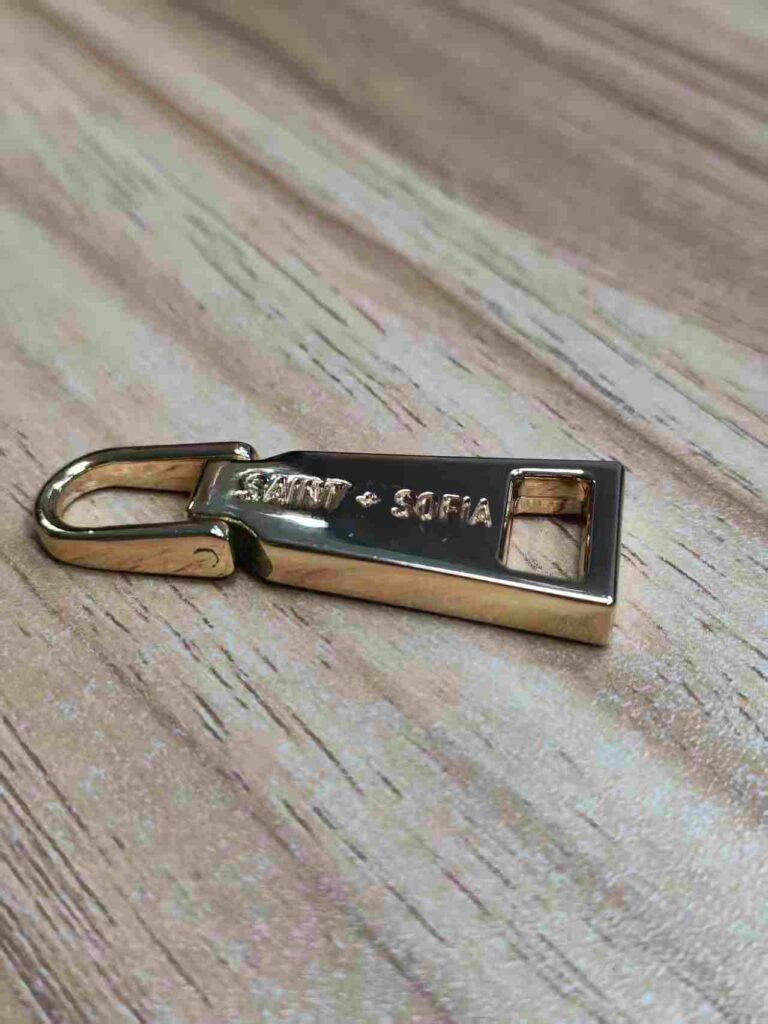
High‑quality hardware delivers restrained, sophisticated luster; it can adopt soft matte or frosted finishes instead of overly‑bright cheap‑looking gloss. Premium‑grade hardware may apply antiquing surface treatment to create vintage visual effects, with smooth transition at component joints.
Tactile Feel & Mechanical Workmanship
Premium hardware has smooth surfaces and rounded safe edges without sharp burrs. Opening‑closing and rotating movements operate smoothly with precise component fit. Inferior hardware carries mould burrs, surface bubbles, uneven plating and rough edges
Engraving & Mark‑Making Craft Quality
Engraved logos or marking serve as important workmanship indicators. High‑quality engraving features clean, well‑defined contours with smooth base surfaces. Poor‑quality hardware shows blurred, grainy or uneven engraved details caused by imprecise moulding.
Hardware‑Maintenance Guidance For End‑User Manual Reference
Well‑made hardware still requires proper care. Avoid hardware rubbing against hard objects during usage. Regularly wipe fittings with soft dry cloths to remove sweat and dust. For minor oxidation, adopt suitable metal‑care products. Keep hardware dry and minimise contact with water and corrosive chemicals to prevent rust and plating peeling.
These points can be excerpted and compiled into end‑user product‑manual content by brand teams
FAQ for Handbag Product Sourcing & Hardware Evaluation
Q1: What is the priority when evaluating new handbag samples?
A: Evaluate raw‑material quality first, followed by stitching/craftsmanship, silhouette practicality and hardware surface & mechanical performance.
Q2: What are typical warning signs of low‑quality bag hardware?
A: Sharp burrs, uneven plating, stiff rotation/opening‑closing, blurred engraving and easy‑to‑peel coating.
Q3: Is matte finish always better than bright polished hardware?
A: Not absolutely. It depends on product‑line styling positioning; both high‑gloss and matte can reach premium quality standards.
Q4: What information can hardware‑maintenance tips bring to brands?
A: Summarised maintenance content can be added into product user‑manuals to reduce end‑user‑caused hardware‑related complaints.
Q5: Why should hardware quality be assessed together with leather‑fabric samples?
A: Mismatched hardware texture or poor hardware quality will lower the overall perceived grade even with premium leather material.
Conclusion
Handbag product evaluation covers material selection, craftsmanship, silhouette styling and metal‑hardware performance. All four dimensions jointly decide finished‑goods market competitiveness and after‑sales complaint rate.
For leather‑goods development and procurement teams: full‑dimension pre‑sample evaluation helps identify potential risks before mass‑production. Hardware performance deserves special attention, since defective fittings will greatly downgrade the perceived quality of complete handbag products.
OYC Hardware provides stock and custom‑mould handbag hardware with diverse finish options for leather‑goods bulk‑order projects.
Discuss Your Handbag‑Hardware Sourcing Project
- Chat on WhatsApp +86-13924451472
- Submit Your Hardware Requirement