Handbag Hardware Protective Film
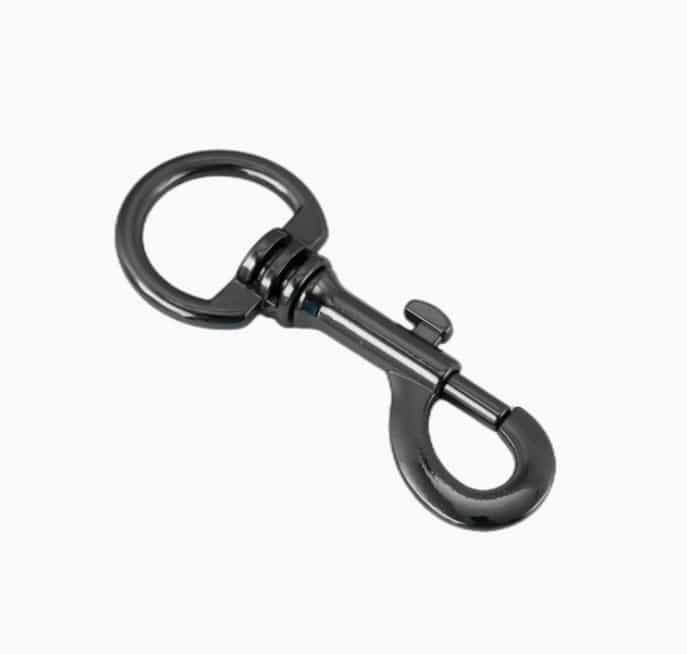
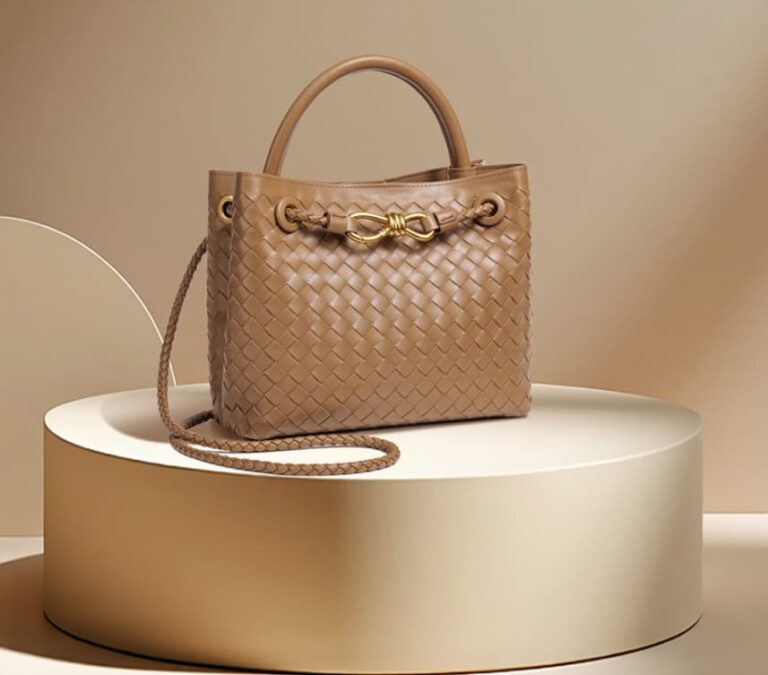
The hardware on a handbag is central to its overall quality and feel; components such as clasps, rivets, metal logos, and chain clasps directly determine the bag’s sophistication and condition over time. During daily use, hardware is highly susceptible to scratches, oxidation, and paint chipping, causing a brand-new bag to age rapidly. Handbag hardware protection film is a maintenance tool specifically designed for metal accessories. Thanks to its thin and discreet nature, it provides long-lasting protection for the bag’s hardware. This article comprehensively explains the practical value and usage techniques of hardware protection film from five perspectives: types, functions, benefits, application methods, and scope of use.
What are the different types of protective films for handbag hardware?
Anti-Static Transparent Protective Film
Anti-static transparent protective film is currently the most commonly used protective film for bag hardware. It utilizes an adhesive-free, electrostatic adhesion process, adhering to the surface of hardware through static electricity, and is compatible with the vast majority of glossy and mirror-finish hardware components. This film offers extremely high light transmittance and becomes completely invisible once applied, without affecting the hardware’s original metallic luster. It is easy to apply and remove, leaving no residue behind.
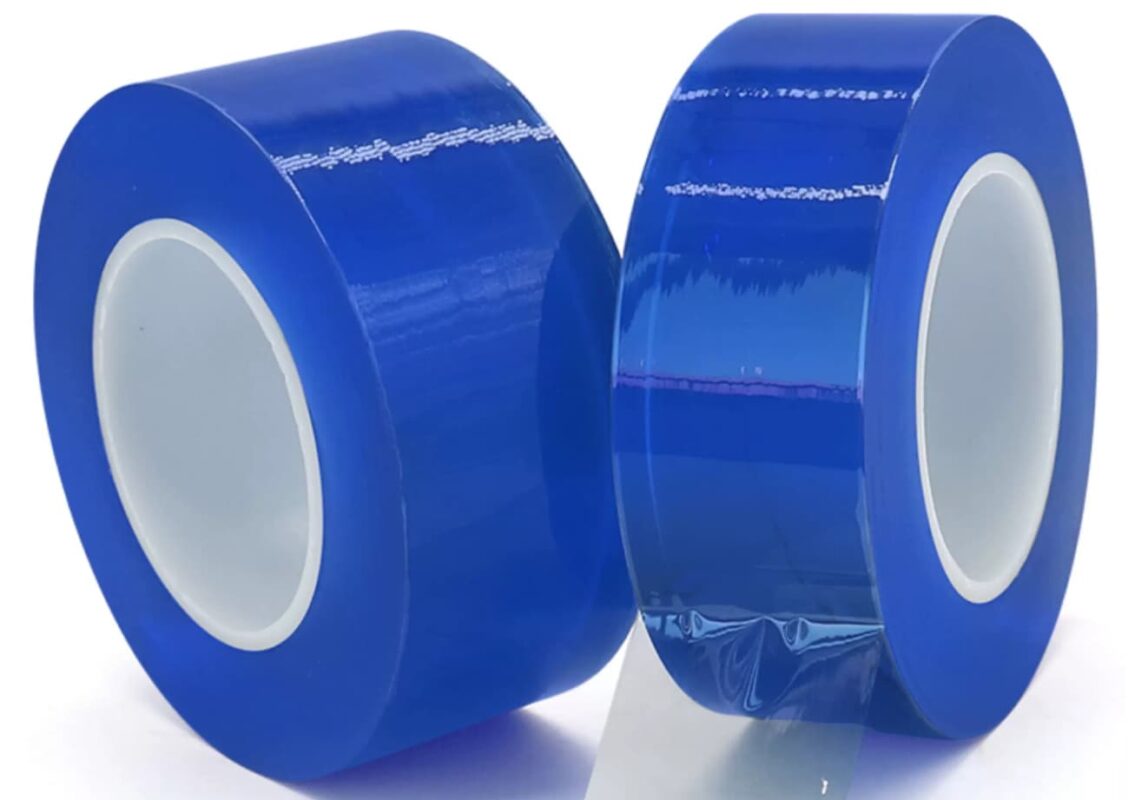
Heavy-Duty, Thickened Protective Film
This heavy-duty, thickened protective film uses a sturdier material and offers superior resistance to scratches and impacts. It specifically targets hardware components—such as zippers, bottom rivets, and buckles—that endure frequent friction and suffer from impacts.. The film boasts excellent toughness, is resistant to tearing and peeling, and can withstand frequent daily wear and tear, making it ideal for handbags used for regular commuting.
Custom-Shaped Protective Films
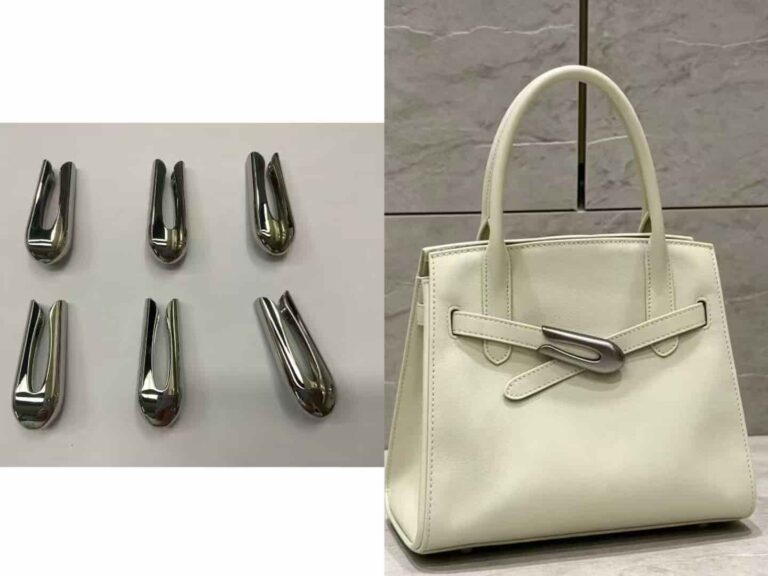
Custom-shaped protective films precisely match the dimensions, curves, and contours of various bag hardware through precision cutting, making them ideal for irregular logos, curved clasps, and uniquely shaped adjustment buckles. They provide a superior fit, eliminating issues such as gaps or wrinkles, and offer more comprehensive protection. People commonly use these films for the maintenance of hardware on high-end luxury handbags
The Key Role of Protective Film for Handbag Hardware
Effectively prevents physical scratches and damage
In our daily use of handbags, metal hardware frequently comes into contact with hard objects such as tabletops, clothing, and keys, causing minor friction and bumps. Over time, accumulated scratches and dents can completely ruin the smooth finish of the hardware. The hardware protection film forms a dense protective layer on the metal surface, actively shielding it from external friction and minimizing damage from bumps, thereby preserving the hardware’s original smoothness.
Preventing Oxidation, Darkening, and Rust on Metal Hardware
Most handbag hardware is made using an alloy plating process. The metal surface is highly susceptible to reactions with air, moisture, and human sweat, leading to issues such as oxidation, darkening, rust, and loss of luster. A protective film for metal hardware completely coats the surface, blocking the corrosive effects of oxygen and moisture, actively slowing down the rate of metal oxidation, and helping the hardware maintain its shine over the long term.
Key Benefits of Protective Film for Handbag Hardware
Invisible Fit That Doesn’t Compromise the Bag’s Aesthetics
This specialized protective film for hardware uses a highly transparent, electrostatic material as its base It is thin and translucent, making it virtually invisible once applied to the hardware. It does not obscure the hardware’s natural metallic luster, nor does it create a bulky or bubbly appearance, fully preserving the handbag’s original design aesthetics while balancing protection and beauty.
Electrostatic Adhesion—Protects Hardware Without Leaving Residue
Genuine hardware protective films use an adhesive-free electrostatic adhesion process, relying on electrostatic forces to adhere to the surface of the hardware. When the film is removed, it leaves no adhesive residue and does not corrode or scratch the hardware’s plating. This completely eliminates the drawbacks of traditional films—such as adhesive residue and damage to the metal—and is safe for use on the hardware of all types of luxury and high-end handbags.
Low-Cost Maintenance to Preserve Your Bag’s Resale Value
Refurbishing and repairing bag hardware can be costly, and repeated repairs can damage the hardware’s original finish. Hardware protection films are inexpensive and offer excellent value for money, helping to keep the hardware looking brand-new for the long term. Well-maintained hardware is key to preserving a handbag’s resale value; applying a protective film can effectively extend the bag’s lifespan and increase its resale value.
Wear-resistant and durable, ideal for frequent daily use
The specialized film material offers excellent tensile strength and abrasion resistance, ensuring it won’t peel, tear, or come off during daily commutes, travel, or when packing your bag. When applied correctly, it provides reliable protection for several months without the need for frequent replacement, making it perfect for everyday bag use.
How to Properly Use Protective Film for Handbag Hardware
Clean the Hardware Surface and Remove Impurities and Stains
Before applying the film, you must thoroughly clean the hardware. Gently wipe the hardware surface with an alcohol wipe to completely remove dust, grease, sweat stains, and other impurities. Wait until the hardware surface is completely dry before proceeding to the next step to prevent stains from causing the film to bubble or peel off.
Align and Apply, Smoothing Out Bubbles and Creases
We precisely align the protective film with the hardware components and gently press it into place. Starting from the center of the film, we smooth it out evenly toward the edges at a steady pace, actively expelling any trapped air to prevent bubbles and creases. When dealing with curved or irregularly shaped hardware, we apply the film in stages, slowly adjusting the film’s curvature to ensure the edges lie completely flat.
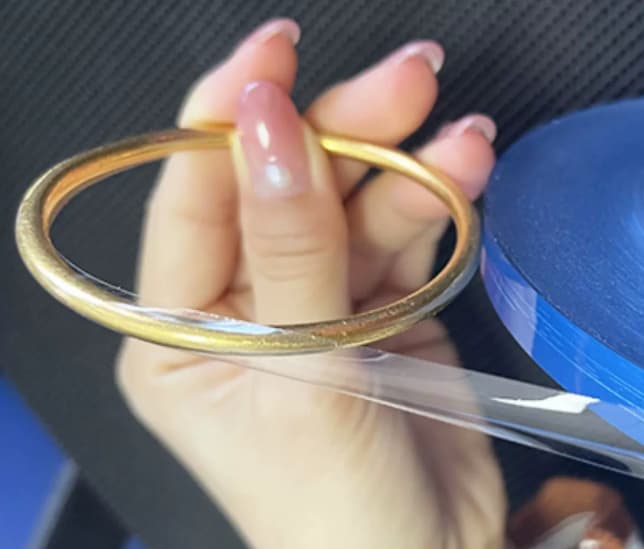
Final Inspection and Refining the Film Application
Once you confirm that the film has fully adhered, you do not need to address any tiny air bubbles—they will disappear on their own after a few days. Finally, press down firmly on the edges of the film to prevent them from curling up or peeling off later, and the entire film application process is complete.
Not all handbag hardware needs to be covered with a protective film
Metal Parts That Must Be Protected with a Protective Film
We should proactively apply a protective film to all exposed, frequently used metal hardware. This includes metal clasps, raised logos, bottom rivets, shoulder strap adjustment buckles, chain connectors, and other such parts. Since these metal parts remain constantly exposed, friction, bumps, and oxidation that turns them black affect them easily; protective film application can reduce wear and tear to the greatest possible extent
Hardware Parts That Do Not Require Protective Film
The hidden, recessed hardware on the inside of the case has virtually no contact with the outside environment, so it is not subject to friction or impact. It oxidizes extremely slowly and does not require protective film. Matte and brushed hardware with a vintage, distressed look already possesses a design that mimics natural wear and tear, so applying a protective film would actually detract from its original aesthetic; therefore, we do not recommend it
Hardware Made of Special Materials Requires No Protection
High-quality hardware—such as thickened stainless steel and solid gold-plated pieces—is inherently highly resistant to scratches and oxidation. It is durable in everyday use and does not require additional protective film. Even for handbags intended for short-term, temporary use, there is no need to apply protective film, as this helps avoid wasting resources.
To sum up, protective films for handbag hardware span a broad range and offer high specialization, enabling different film materials to address the specific maintenance requirements of various hardware components. At a very low cost, they provide comprehensive protection against scratches, oxidation, and corrosion. By simply identifying the type of film, applying it correctly according to the hardware’s usage scenario, and performing targeted maintenance, we can preserve the exquisite luster of handbag hardware for the long term, keeping the bag looking as good as new and enhancing its resale value.