How to choose Best Metal Accessories for Making Leather Bags
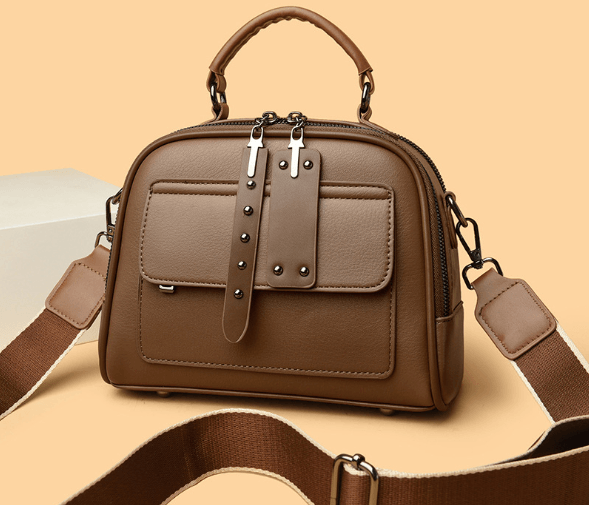
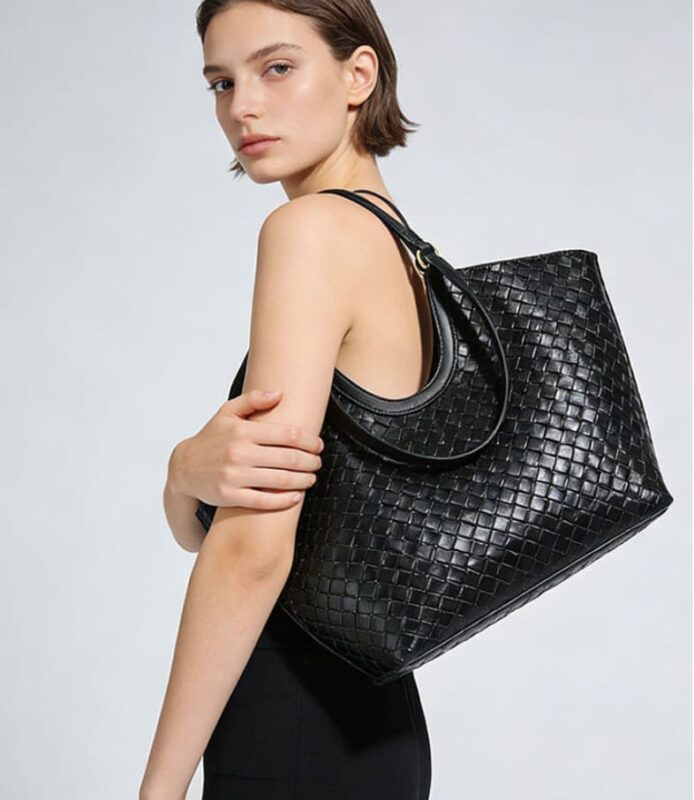
Half the value of a leather bag lies in the leather, and half in the hardware. Metal hardware not only determines a bag’s opening and closing mechanisms, load-bearing capacity, and adjustability, but also directly impacts its overall quality and lifespan. Many novice crafters pour their heart and soul into cutting and sewing the leather, only to see their entire project fall short at the very last step due to the wrong choice of metal hardware—buckles bending under weight, plating peeling off to reveal a grayish-white base, or magnetic closures coming loose and failing to close properly. The appropriate metal hardware varies greatly depending on the style and intended use of a leather bag. This article provides a detailed breakdown of selection techniques for six core components—D-rings, dog clips, latch clasps, backpack buckles, studs, and chains—offering professional guidance for handmade leather goods and custom leatherwork.
D-Ring Selection: Essential Hardware for Bag Load-Bearing and Attachment
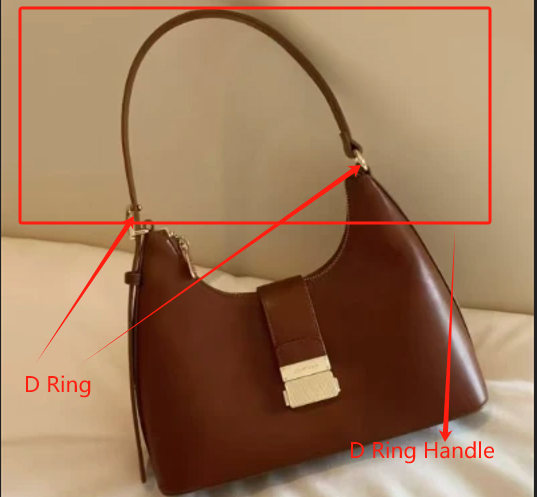
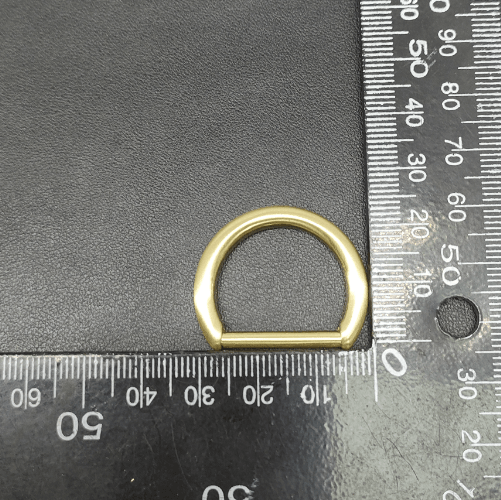
D-rings are about as basic as hardware gets for leather bags—they’re fixed the straps and handles in place. Simple as they look, the wrong choice can lead to a bag that loses its shape or even snaps. When choose the D-rings, it really comes down to three things: material, size, and quatity
Prioritize Durable Materials
If you’re doing high-end leather bags, go with brass or stainless steel D-rings—no question about it. They’re solid, hold their shape, and the finish stays nice even after years of use. Perfect for that light-luxury look or good-quality everyday leather goods.
On a tighter budget? Thickened zinc alloy is your friend. It’s affordable, takes plating well, and holds up fine for daily use.
But whatever you do, stay away from thin sheet metal stuff. That thing rusts, bends out of shape, and can barely hold any weight—honestly not worth the trouble.
Dimensions to Match Strap Width
When it comes to D-rings, the inner size has to match the strap or webbing width—plain and simple. You want about 1 to 2 mm of wiggle room, no more, no less. That little gap is the sweet spot.
For small bags or crossbodies with thinner straps, go with a 3.2 cm inner size—it fits just right. For bigger totes or backpacks that carry a lot, step it up to 5 cm, and pair it with leather straps that are 8–10 mm wide.
Too tight and it’ll pinch and crease the leather; too loose and the strap will flop around like it doesn’t belong—and that just messes up the whole silhouette of the bag. Getting that fit right makes all the difference
Craftsmanship is Judged by Smoothness and Thickness
Good D-rings should feel smooth to the touch—no burrs, no sharp edges. The thickness should be even all around, and the curves should be rounded without any rough corners at the bends. Solid, thick D-rings hold up much better under weight than hollow ones, which makes them a smart choice for commuter bags that get loaded down every day. The plating needs to be fine and shiny too—no spots or scratches—so they don’t tarnish or change color down the road
Choosing Dog hook: Flexible, Open-and-Close Connectors
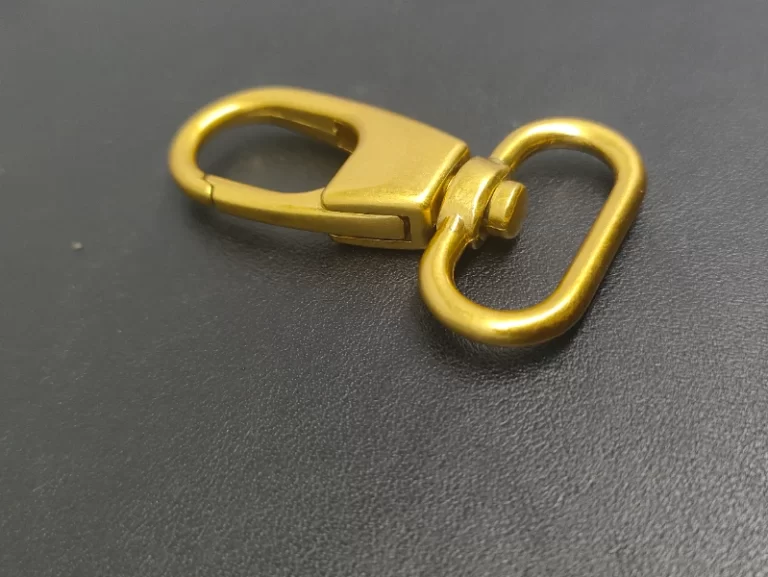
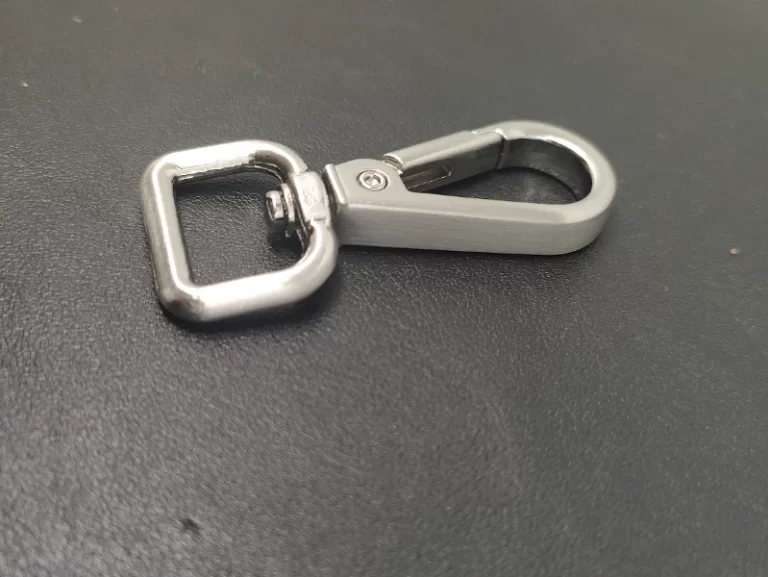
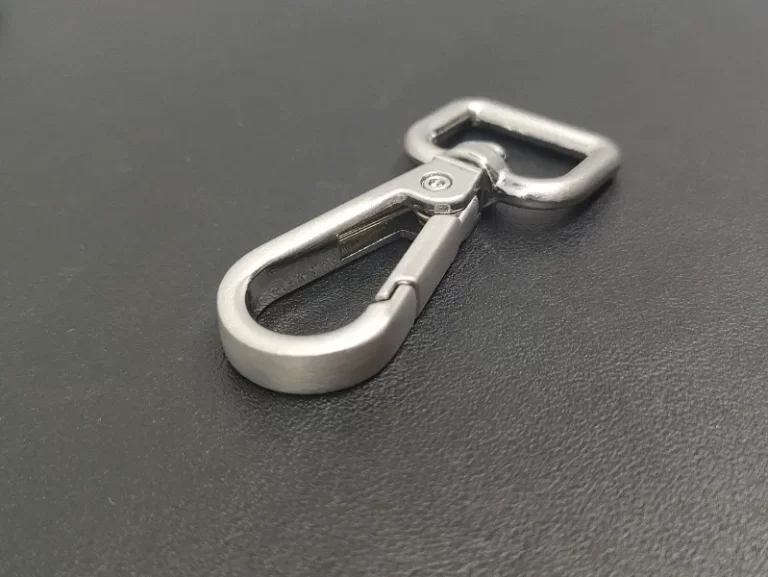
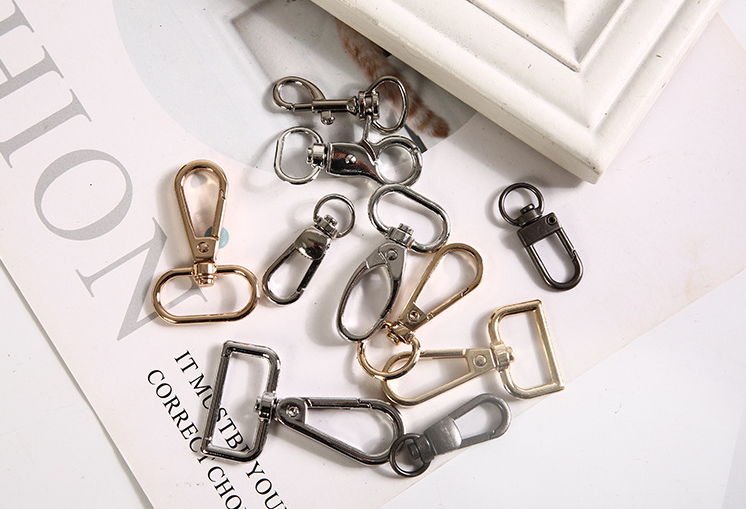
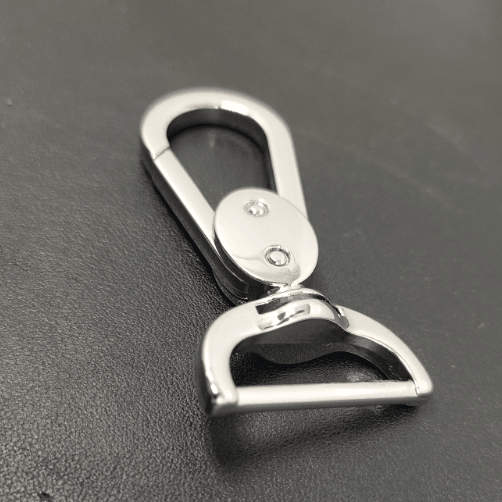
Lobster clasps, also known as lobster buckles, are primarily used for detachable shoulder straps and securing charms. They are key accessories that enhance a bag’s practicality, with elasticity, grip, and compatibility being the most important factors.
The Key Is the Spring’s Tension
good dog-clip spring snaps back fast and firm. It presses down smoothly—no sticking, no wobble—and stays that way even after thousands of uses. Cheap ones, on the other hand, tend to feel soft from the start. Over time, they might not close all the way, and if that happens, the strap can come loose—which is a real safety risk.
Matching D-Ring Sizes
The dog clip must be compatible with the corresponding D-ring and round ring in terms of size, ensuring a harmonious proportion. For small crossbody bags, designers should choose small, lightweight dog clips, while thicker, sturdier versions suit large and heavy bags to ensure a secure fit. They must never mix different sizes, as mismatched clips easily get stuck or come undone.
Appearance and Materials to Match Your Style
Brass dog clips? They’ve got that warm, smooth feel that just clicks with vintage-style or slightly dressy leather bags. Stainless steel ones are a whole different vibe—cool, bright, and understated, which makes them a natural fit for minimalist or business-style pieces.
But no matter which way you go, one thing’s non-negotiable: the plating’s gotta be tough and feel buttery smooth—none of that rough, gritty nonsense. ‘Cause if it’s not smooth, it’s gonna rub off or change color before you know it, and trust me, nobody wants a bag that starts looking shabby after just a few months of use.
Choosing the Right Lock: A Key Accessory That Balances Security and Aesthetics
The metal lock is probably the first thing people notice when they look at a bag—it’s that one piece of hardware that really stands out. You’ll find it on handbags, briefcases, and those affordable luxury styles, and honestly, it does three jobs at once: keeps your stuff secure, gives would-be pickpockets a harder time, and just plain looks good.
When you’re picking one out, don’t just go by looks—pay attention to how it’s built, how smooth the action feels when you open and close it, and what it’s actually supposed to do for the bag. Because a pretty lock that jams or feels flimsy? That’s just disappointing.
Choose a Closure Mechanism Based on Bag Style
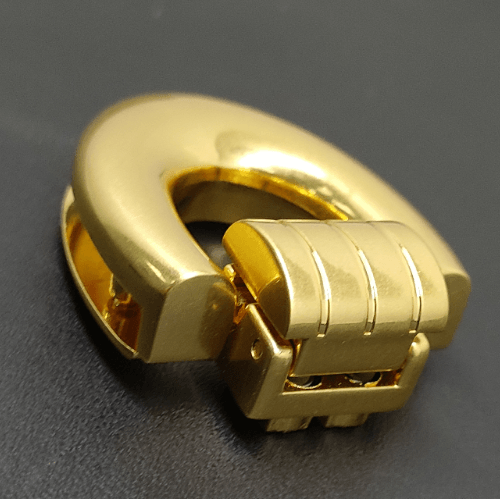
For casual everyday bags, swivel clasps and magnetic closures are hard to beat. They’re easy to open and close, dead simple to use, and give off a clean, polished look. When you move to business briefcases and large commuter bags, push-button and square clasps are the better fit—they close firmly, offer more security against theft, and stay stable even when the bag is packed heavy. And for vintage-style leather bags? Buckles and slide clasps are the obvious choice—they just belong with that old-school vibe
Focus on the Feel and Precision of Opening and Closing
A good metal lock operates smoothly—no sticking, no wobble. When it clicks shut, it sits tight, and the bag stays quiet even when you shake it. Cheap ones, on the other hand, tend to jam, refuse to latch properly, or pop open on their own. That kind of trouble really kills the user experience
Material and Craftsmanship Control
Precision-cast brass typically makes up high-end buckles—this material offers high durability, resists deformation, and features a thick, wear-resistant plating.. More affordable styles use high-quality zinc alloy, avoiding thin sheet metal buckles that are prone to deformation and rust. The edges and corners of the buckles must be polished to a smooth, rounded finish to prevent scratching the leather.
Backpack Buckle Selection: A Key Component for Adjusting Shoulder Straps
Backpack buckles—including D-rings and adjustment buckles—primarily serve in backpacks and leather bags that feature adjustable shoulder straps They are responsible for adjusting the length of the shoulder straps and directly affect wearing comfort.
Size Compatibility with Shoulder Strap Thickness
The buckle’s inner width needs to match the shoulder strap exactly—the closer the fit, the more secure the adjustment will be. For genuine leather bags with thicker straps, go for a wider, heavier buckle. If it’s too small, it’ll pinch the leather and over time that can cause warping or even cracking
Focus on the Anti-Slip and Secure Fit
High-quality backpack buckles have tight internal locks that stay secure after adjustment and do not shift even under heavy loads. Models with anti-slip texturing offer even greater stability and are ideal for daily use with heavy loads. Poor-quality buckles have loose locks, causing the shoulder straps to automatically lengthen while wearing the backpack, which affects usability.
Materials that Balance Lightweight Design and Durability
Large genuine leather bags usually come with stainless steel or reinforced zinc alloy clasps—they’re strong, hold up well under weight, and won’t snap easily. For smaller, lighter bags, designers often turn to lightweight alloy clasps instead. They cut down on the bag’s overall weight while still keeping it practical and comfortable to carry
Selecting Metal Logos: Detail Accessories That Enhance the Quality of Leather Goods
A metal logo isn’t just about branding—it’s also a detail that can make the bag look more polished. It should identify the brand and lift the overall aesthetic at the same time. The main things to consider are the design, how well it’s made, and how it works with the bag’s overall construction
Choose a Design That Complements the Bag’s Style
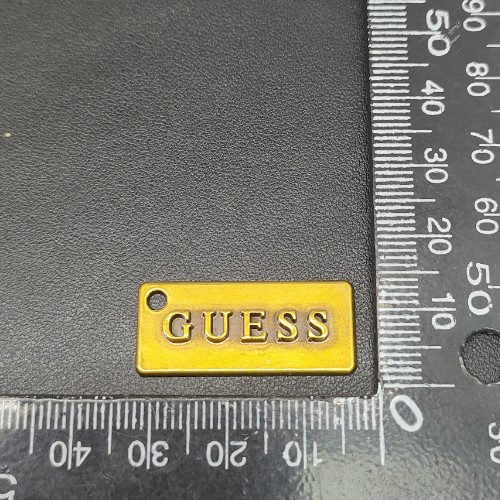
For minimalist and business-style leather bags, go with simple square or round logos—clean lines and a bold look work best. If you’re designing vintage or niche bags, irregular shapes or embossed logos are a better fit—they add texture and make the brand stand out more. Just make sure the logo isn’t too big, or it’ll overpower the bag itself.
Craftsmanship Defines Luxury
A quality metal logo should feel smooth to the touch—no burrs, no sharp edges. The lettering and patterns should be crisp and have a clear three-dimensional look. The plating needs to be even and glossy, with no signs of fading or oxidation spots. If you can, go with a solid-core design—they feel heavier and more substantial in the hand, and they come across as more premium and durable than hollow ones.
Recommended Installation Methods
Mounting pins on logos allow beginners to secure them by simply pressing into place—this straightforward approach reduces the chance of mistakes.. For mass-produced leather goods, welded or adhesive-backed logos are suitable options, as they lie flat and fit snugly. Be sure to check the leather thickness beforehand to ensure the mounting pins are neither too long (which could pierce the leather) nor too short (which could result in an unstable attachment).
Selecting Rivets: Dual-Purpose Accessories for Reinforcement and Decoration
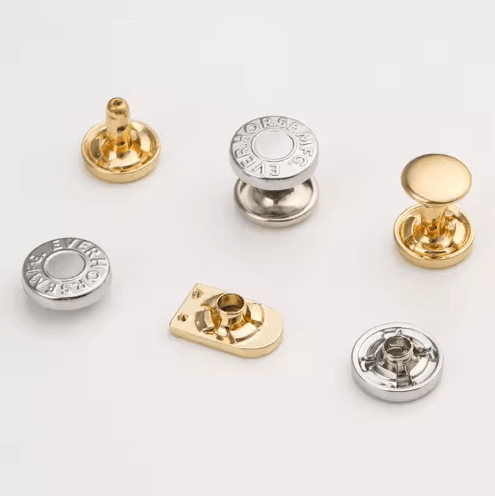
Rivets, commonly known as “caps,” serve both a reinforcing and decorative function. Craftspeople often apply them to the soles, corners, and seams to prevent leather from cracking and stitching from coming undone, which makes them a niche yet essential practical accessory.
Select Specifications by Application
For reinforcing the bottom of bags to support weight, use large, thickened rivets, which provide secure fastening and strong load-bearing capacity. For decorative edges and securing joints, use small to medium-sized rivets to balance aesthetics and functionality. Rivets that are too large may look out of place, while those that are too small may not provide sufficient reinforcement.
Controlling Material and Hardness
Brass and stainless steel studs are highly durable; they resist deformation during installation and do not rust over time, making them ideal for high-end leather goods. Standard zinc alloy studs offer good value for money and are suitable for everyday, affordable bags. Avoid using low-quality iron studs, as they oxidize and rust very easily, staining the leather.
Focus on Surface Flatness
High-quality studs have a flat, smooth top surface with uniform curvature. Once installed, they lie flush against the leather without any warping or protrusions. The plating has a uniform finish that matches the other gold tones on the bag, ensuring overall visual harmony.
Chain Selection: Unique Accessories That Combine Decorative and Functional Elements
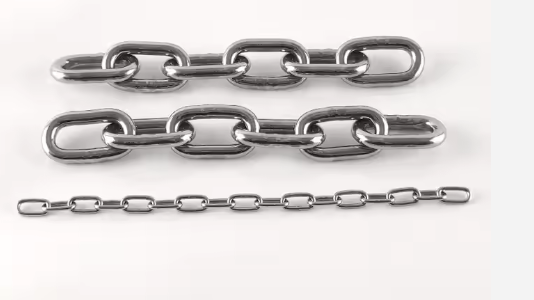
Designers frequently use chains on underarm bags, small crossbody bags, and affordable luxury handbags for women They serve both as weight-bearing straps and as key decorative elements, so selection requires balancing texture, weight, and durability.
Materials Determine Quality and Purpose
When it comes to high-end leather bags, brass and stainless steel chains are the way to go. They’ve got that premium feel, a nice rich shine, and they hold up well against wear and fading—plus they can handle weight without a problem. For mid-range bags, thickened zinc alloy chains are a solid pick—they give you great bang for your buck. Iron chains are the cheapest option, but honestly, they rust easily and weigh a ton. They’re really only good for temporary decorative purposes.
Matching Chain Thickness to Bag Size and Weight
Here’s a good rule to go by: thin chains are perfect for small underarm bags and mini bags—they’re lightweight, comfy to carry, and give off that neat, refined vibe. For bigger, more structured bags, you want thicker chains—they balance out the proportions better and can actually handle the weight without straining.
But whatever you do, don’t slap a heavy chunky chain on a tiny bag. It’ll look off-balance, and over time, that extra weight can actually make the bag sag or lose its shape. Trust me, it’s not a good look
Pay Attention to the Welding and Polishing Details
For a quality chain, every link should be securely welded—no weak spots, no cracks when pulled. The finish should be smooth, with nothing sharp that could scratch you, and it should open and close without a hitch. Also, don’t forget to match the chain color to your clasp and D-rings—it keeps the whole look cohesive and more refined
Core Principles for Coordinating Hardware Components
When you’re picking hardware for leather bags, don’t just get hung up on whether each piece is good quality on its own—what really matters is how everything works together. You’ve gotta keep the color tones consistent, make sure the materials get along, and check that the function actually fits the design.
For light-luxury bags, stick with that warm brass-gold look—don’t mix in cool tones. If you’re doing minimalist business bags, go with stainless steel silver, that’s the cleaner vibe.
And here’s the thing: for parts that bear weight—like strap buckles or feet on the bottom—go thick and sturdy, don’t skimp on material just to save a buck. But for decorative hardware, that’s where you can really show off—pay attention to the finish, the engraving, the little details that make it pop.
Bottom line: make sure the tough parts can take the load, and the pretty parts actually look good. Get that balance right between practicality and style, and you’ll end up with bags that not only last but also feel premium.