Modifying vs. bulid a New Mold: Which Is More sense?
Molds are the core component of mass production for industrial products, and mold modification and new mold fabrication are the two most common process adjustment approaches during product iteration. When companies upgrade products, optimize dimensions, or adjust appearances, they face the choice between modifying existing molds or creating new ones. Both approaches have their own advantages and disadvantages, and their applicable scenarios are distinctly different. This article compares and analyzes the feasibility of these two approaches for four common modification scenarios—changes in product thickness, variations in dimensions within the same design, and the addition of a logo—to provide guidance for companies seeking to reduce costs, improve efficiency, and manage production cycles.
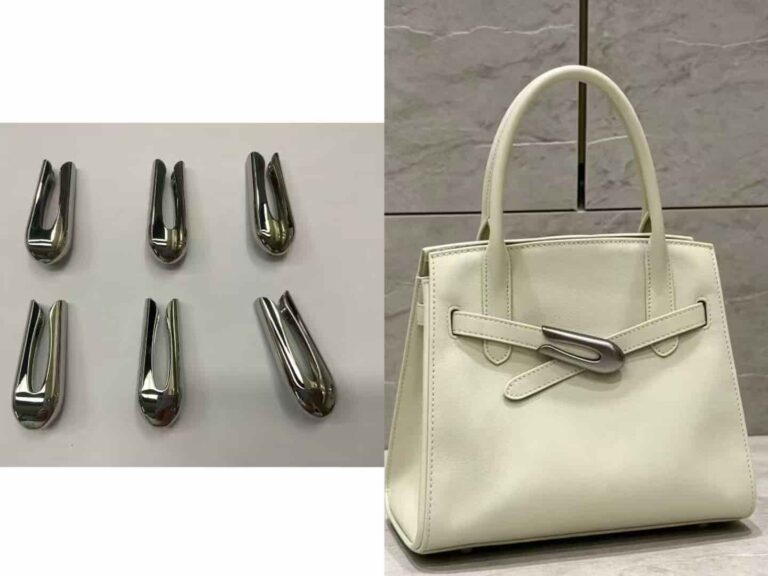
Product thickness needs to be increased: Prioritize mold modification; in special cases, replace the mold
Justification for the Modification
Increasing the product thickness constitutes a minor positive dimensional adjustment, which the company can achieve by directly modifying the existing mold cavities. Staff need only sand down and raise the corresponding areas of the mold cavities and adjust the parting line height; there is no need to alter the mold’s overall frame or guide structure. This process is simple and has a short implementation cycle; typically, technicians can complete debugging and mass production within 1 to 3 days.
Mold modification can significantly reduce production costs, incurring only minimal machining and debugging expenses—far lower than the procurement, machining, and trial-molding costs associated with creating a brand-new mold. Additionally, since mass production has validated the opening and closing precision and molding parameters of the existing mold, modified molds can achieve rapid and stable production, effectively avoiding common issues such as dimensional deviations, flash, and shrinkage that often arise during trial production with new molds.
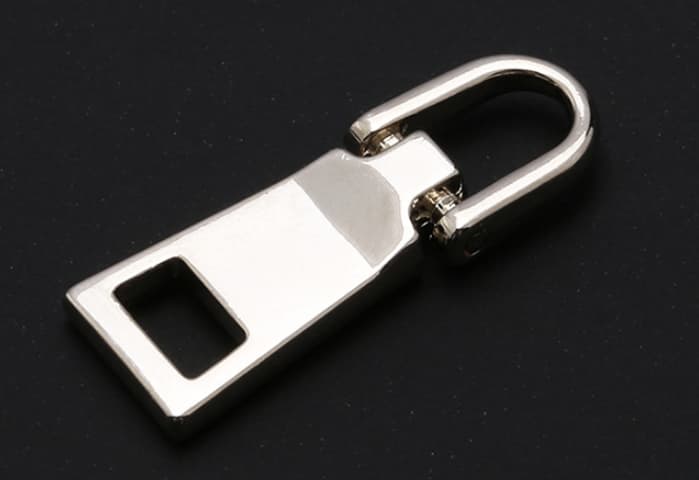 |   |
| Before the modification, the mold thickness was inconsistent. | After the modification, the mold thickness is uniform |
Scenarios Suitable for New Mold Manufacturing
When the product thickness increases by more than 30%, modifying the existing mold is no longer feasible. A significant increase in thickness alters the injection molding and cooling processes; the runner and gate locations of the original mold can no longer meet the new molding requirements. Forcing modifications to the mold will result in quality defects such as uneven filling and internal voids.
If the existing mold is severely worn, has significant dimensional deviations, or if the product’s structural stress distribution changes fundamentally after thickening, the company must manufacture a new mold. A new mold allows the company to re-optimize the runner and cooling systems to meet the molding standards of the thickened product, ensuring the stability of mass production and product yield
Product thickness needs to be reduced: minor mold modifications or major mold redesigns
Prioritize Minor Thickness Reductions When Modifying Existing Molds
When product thickness needs to be reduced slightly, technicians can directly mill the surface material of the mold cavity to precisely reduce the cavity’s forming space, quickly adapting the mold to the product’s new dimensions. The entire mold modification process does not require disassembling the mold’s main structure, making debugging straightforward and enabling a rapid return to mass production.
Companies can directly reuse mass production data with the existing, proven parameters, eliminating the need to re-determine core parameters such as molding temperature and injection pressure, which significantly shortens the production preparation cycle. This mold modification solution ideally suits small-batch and temporary model changes, striking a balance between cost and efficiency
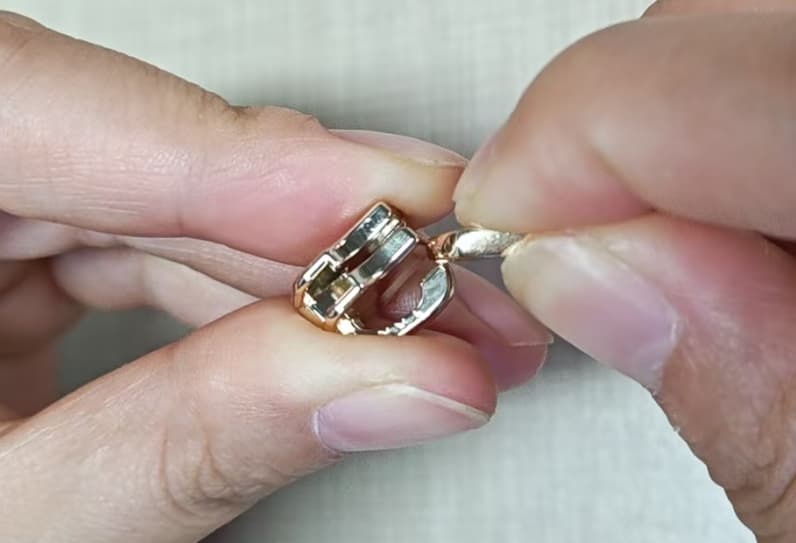 | 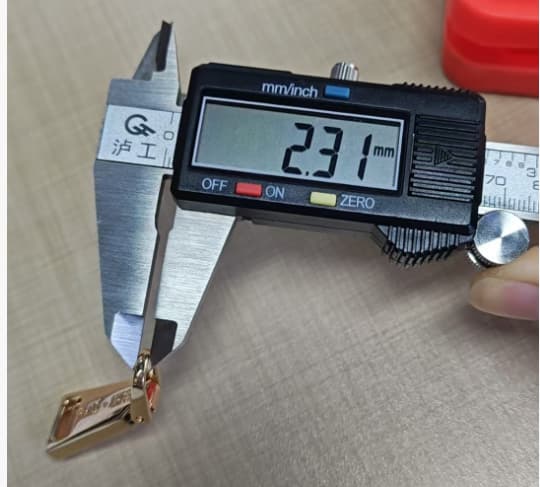 | 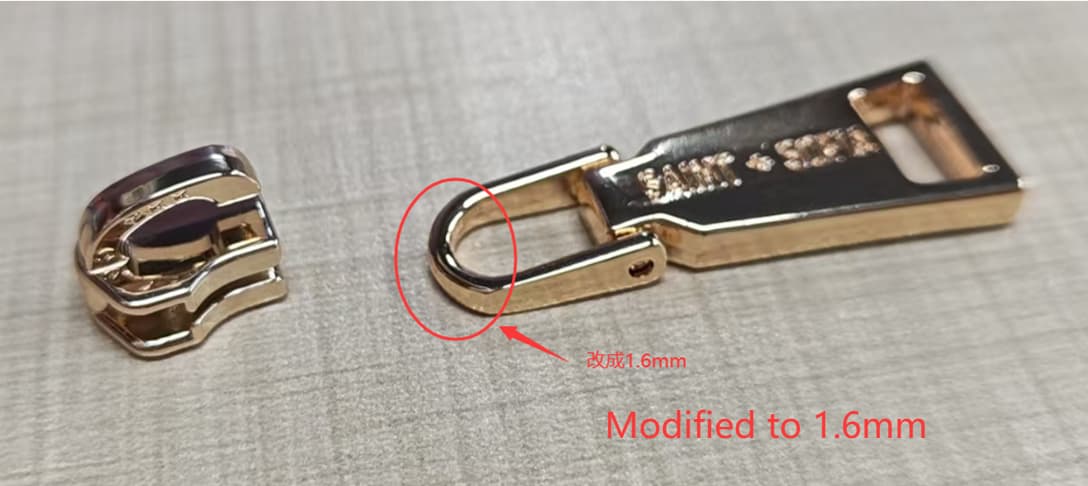 | 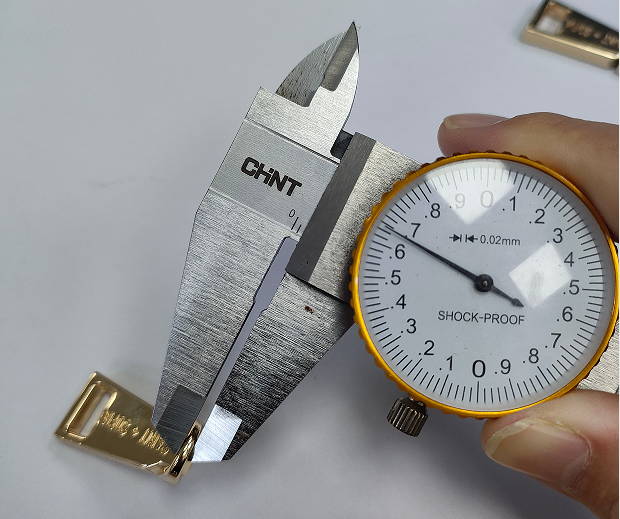 |
| The puller head is too thick to fit into the slider | The thicknedd of original sample is 2.3mm | client reqiured requested that the thickness be reduced to 1.6 mm | after modified , the thickess is 1.6mm |
Significant Thickness Reduction Requires a New Mold
When the product’s thickness is significantly reduced, the original mold can no longer provide effective cooling efficiency, venting structure, or molding cycle. Thinner products cool much faster, and the cooling channel layout of the original mold can cause issues such as uneven stress distribution, deformation, and warping.
At this point, modifying the mold cannot fundamentally optimize the molding structure; we can resolve the problem only by manufacturing a new mold. A brand-new mold can optimize the venting, cooling, and gating systems based on the characteristics of thin-walled products, ensuring product flatness and dimensional accuracy to meet the demands of long-term mass production.
Same design, different dimensions: Choose a new mold for batch production with varying specifications; choose a modified mold for small tolerances.
Minor Dimensional Deviations Addressed Through Mold Modifications
For products with consistent design structures but only minor local dimensional differences, companies can achieve a proper fit by fine-tuning the positions of the mold cavities, inserts, and ejector pins. Technicians can make targeted corrections to the areas with deviations, eliminating the need to replace the entire mold and enabling rapid adaptation to varying dimensional requirements.
This mold modification method targets specific areas precisely and requires only minimal changes. It not only meets product dimensional update requirements but also preserves the proven performance of the original mold, making it suitable for prototype production and small-batch, customized manufacturing scenarios.
Selecting New Molds for Production of Multiple Sizes with Significant Dimensional Variations
If a single design gives rise to multiple specifications with a wide range of dimensional variations, frequent mold modifications can compromise mold precision and shorten the mold’s service life. Repeated fine-tuning can lead to wear in the mold cavities and increased clearance, resulting in persistent dimensional fluctuations during subsequent mass production.
To meet the routine production demands of multiple specifications, companies need to manufacture new, dedicated molds. Dedicated molds can maintain a single, fixed size standard, ensuring consistent precision for each product while avoiding production delays caused by repeated mold modifications, thereby supporting long-term, large-scale, differentiated production.
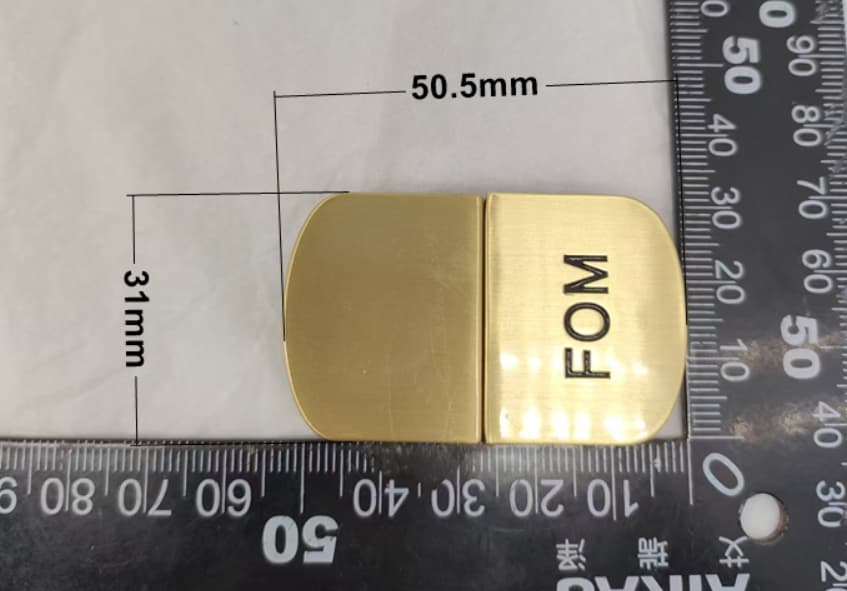 | 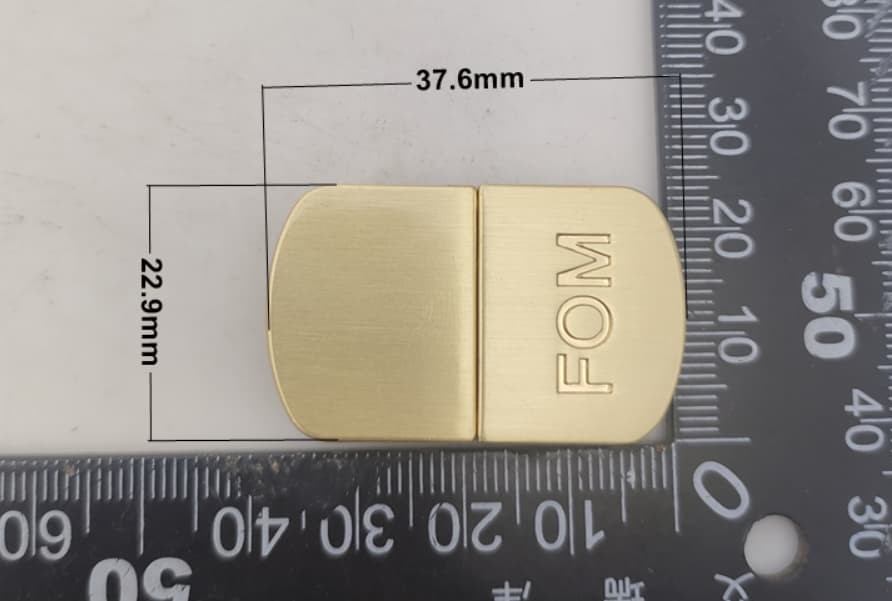 |
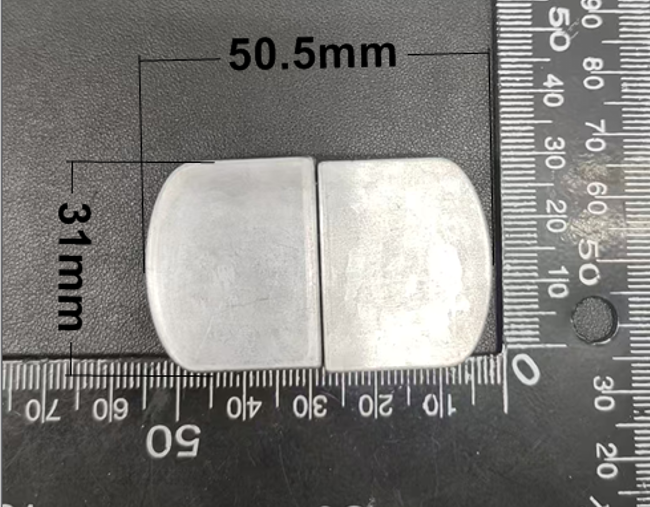
| big lock size is 50.5*31mm | small lock size is 37.5*22.9mm |
Adding a Logo to a Product: Standard Mold Modification Is Optimal; Complex Logos Require a New Mold
Simple Logos: Direct Mold Modification
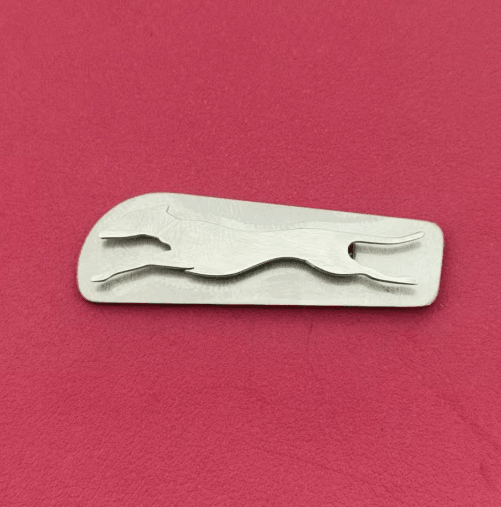
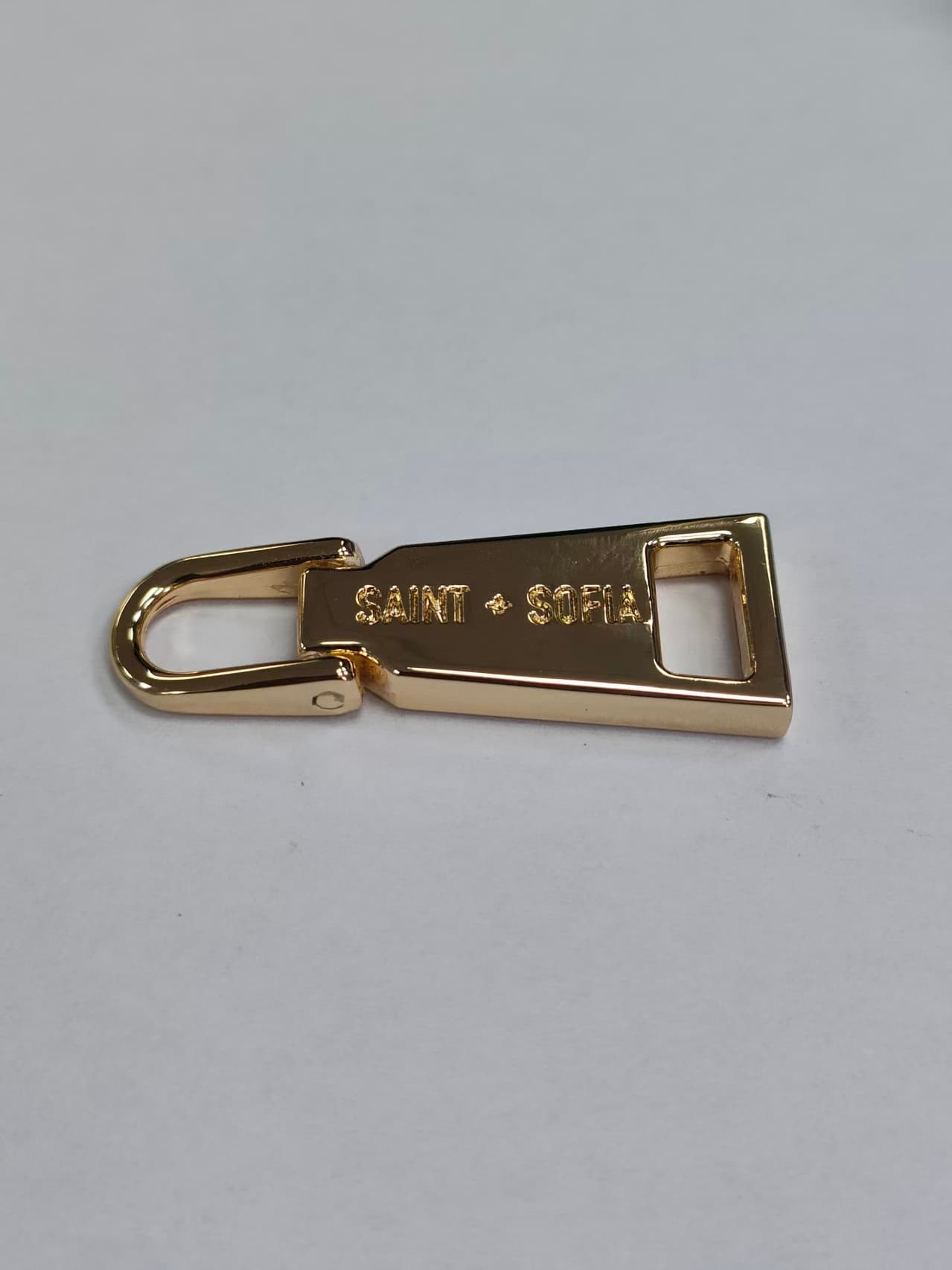
When adding a standard flat logo or simple typographic mark to a product, staff can directly etch or engrave the corresponding area in the mold cavity to quickly form the logo pattern. This mold modification process is simple and cost-effective, allowing for completion of machining and trial production on the same day.
The modified mold retains the original molding parameters, so the overall molding quality of the product remains unaffected. This fully meets the basic requirements for brand identity upgrades and product iterations, making it the most cost-effective solution.
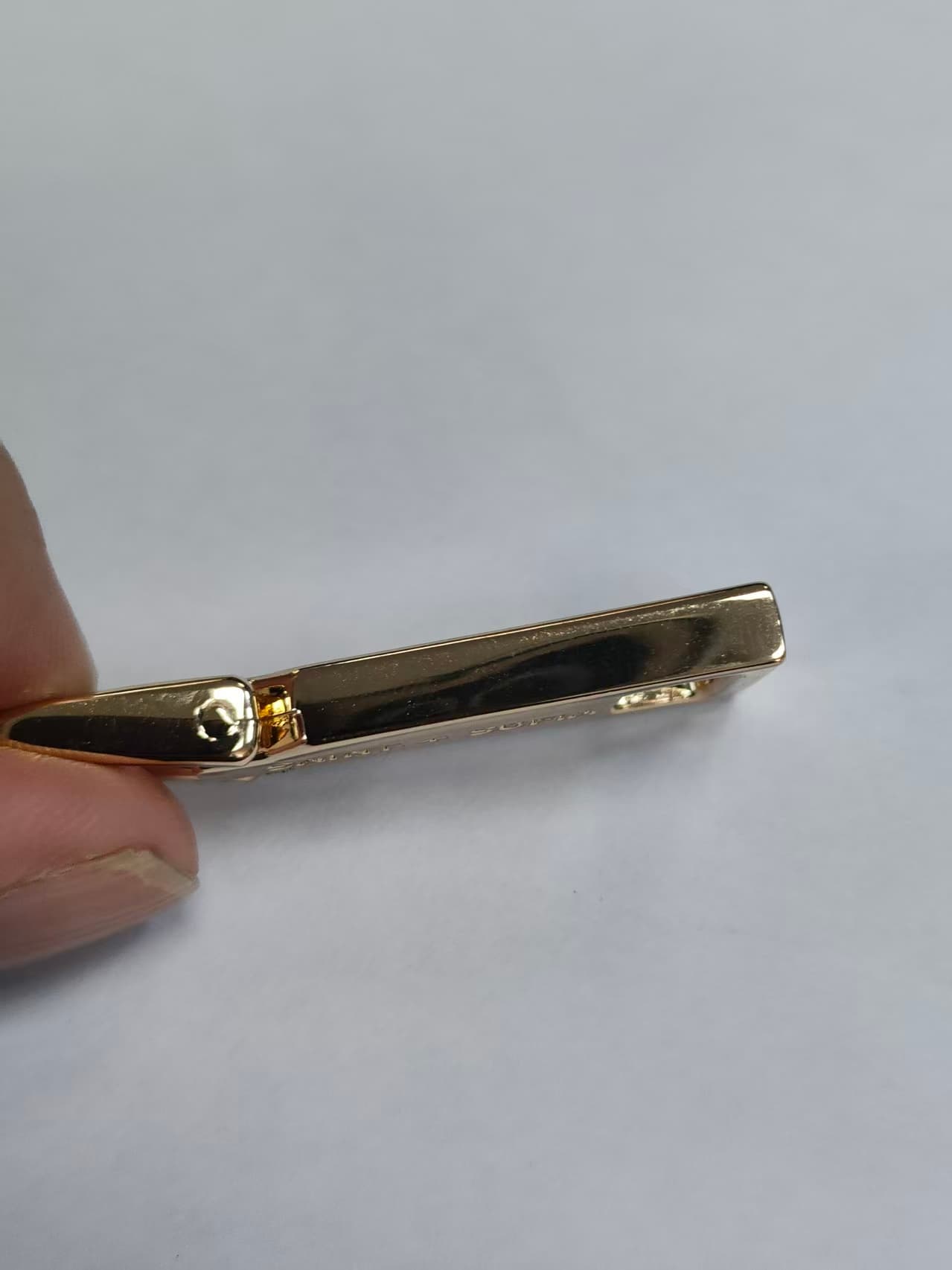
 | |
| No Brand Lock | Brand Lock |
Complex, Three-Dimensional Logos Require New Molds
If a logo features a three-dimensional, embossed design with intricate details, or if it covers a large area of the product, simple etching or mold modifications cannot meet the required molding precision. Forcing modifications to the mold can result in blurred logo details, missing corners, and difficulties during demolding.
Furthermore, processing complex logos can compromise the flatness and structural integrity of the original mold cavity, affecting the overall molding quality of the product. Companies need to create new molds, precisely incorporating the logo structure during the design phase, and optimize the demolding and molding processes to ensure the logo is clear and complete and the product appearance is consistent.
Comprehensive Comparison Table of Solutions for Various Scenarios
| Change Scene | Select a Mold to Modify | Decide to Manufacture a New Mold |
| Increase Product Thickness | Thickness increase ≤ 30%; mold is in good condition; short-term, small-batch production. Raising the cavity requires minimal modifications, resulting in low costs and fast turnaround times. | Thickness increase > 30%; mold aging; significant changes in the product’s load-bearing structure. Redesign the runner cooling system to ensure stable molding. |
| Reduced Product Thickness | Minor changes in thickness; only localized thinning; existing cooling and venting channels can be reused. Mill the surface layer of the cavity using the original molding parameters. | Significantly reduced thickness; prone to warping and deformation; the original cooling system is incompatible. A completely new layout for water channels and venting helps control product stress. |
| Same design, different sizes | Minor, localized dimensional adjustments only; for samples or small-batch production. Adjusting inserts and ejector pins; single-point dimensional corrections. | A product series with multiple specifications; a wide range of sizes; long-term mass production. Each set of molds corresponds to a fixed size, ensuring consistent precision. |
| Add a logo to the product | A simple, flat-style logo; small in size. Etched and engraved using a mold, with short turnaround times and low costs. | Large-scale three-dimensional relief logo; extremely fine detailing. The logo structure is embedded during the early stages to avoid compromising the strength of the original mold cavity. |
Key Summary of Solution Selection
Considering the four types of modification scenarios, mold modifications are suitable for minor, localized, and temporary product adjustments. They offer the key advantages of low cost, rapid implementation, and easy debugging, making them ideal for short-term iterations and small-batch production needs. The manufacture of entirely new molds is suitable for scenarios involving significant dimensional changes, structural redesigns, and long-term mass production of multiple specifications.The mold features high precision, strong stability, and a long service life
When selecting a solution, companies should make a comprehensive assessment based on the extent of the modifications, production volume, and product precision requirements. Companies should first evaluate the remaining service life and structural potential of existing molds and prioritize mold modification to control costs; however, if modifications affect the molding system or mold strength, they should decisively opt for new mold fabrication. A reasonable selection not only reduces production costs and shortens delivery cycles but also ensures product quality and mass production stability, thereby maximizing production efficiency.