How to Avoid Discrepancies Between Bulk Hardware Orders and Samples
In the luggage industry, one of the biggest headaches for buyers is when samples are approved but the actual production run turns out differently. Color discrepancies, incorrect texture, dimensional deviations, and inconsistent spring tension—these issues aren’t discovered until the luggage factory begins assembly. Not only does this delay delivery, but it also results in massive rework costs. Many people assume this is simply the factory cutting corners, but in reality, discrepancies between samples and production runs are mostly rooted in the details of prototyping, mold making, electroplating, and production handoffs. As a hardware manufacturer, we’re here today to clearly explain the real reasons behind these common pitfalls and how to prevent them.
Key Areas Where Discrepancies Between Samples and Production Runs Often Occur
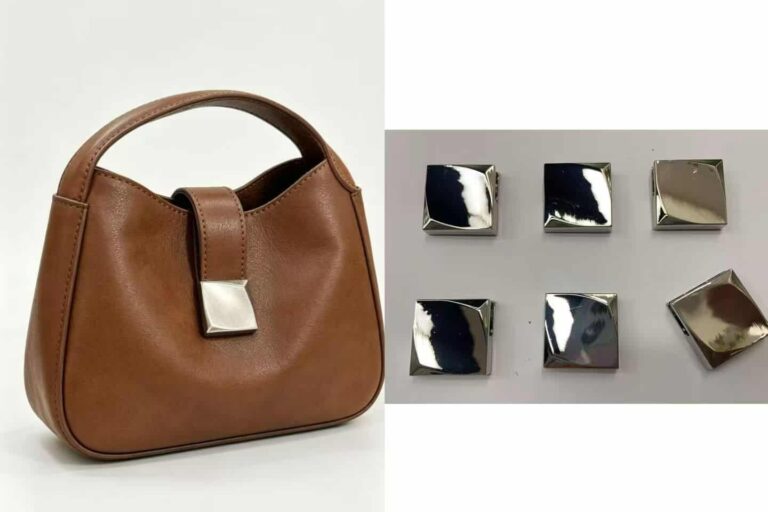
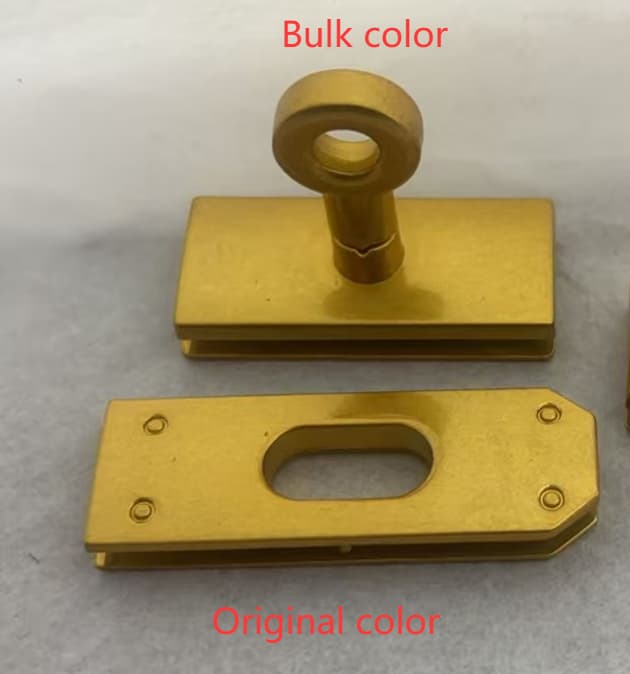
Plating Color: The Most Common Pitfall
Prototyping typically involves electroplating in small tanks. In small tanks, the concentration of the plating solution is stable, the number of samples is small, the immersion time is controllable, and it is easy to achieve a uniform and attractive color. However, during mass production, we do electroplating in large tanks in batches; as we continuously consume the plating solution, fluctuations in temperature and current can easily lead to color discrepancies
Many customers only keep a paper color chart and do not retain a physical confirmation sample.When we complete the mass production run, discrepancies arise because both parties use different criteria to judge color
Solution
The client must sign off on and seal the physical reference sample, while also retaining a standard color swatch. Before we begin mass production plating, we must create pre-production test pieces; we should only proceed with mass plating after the client has approved these test pieces. Throughout the entire mass production run, we must compare the finished products against the signed reference sample; we should not judge color based solely on photographs of the sample
Mold Issues: Dimensions, Curvature, and Hole Positions Have Quietly Deviated from Specifications
The prototyping phase often involves hand-made prototypes or simple test molds, which offer high precision but are not suitable for mass production. Once we replace these with steel production molds, the mold may wear and slightly deform after we have stamped it tens of thousands of times.. This directly results in differences in metal thickness, bend radius, and hole spacing compared to the sample.
Another scenario is when, during prototyping, we intentionally refine and polish the mold to achieve an attractive appearance, but we simplify the polishing process for mass production, resulting in noticeable differences in edges, corners, and the feel of the product
Solution
After we complete the production mold, we first produce a pre-production sample and compare its dimensions, hole positions, and overall shape with the original approved sample.. Once everything has been verified and confirmed to be correct, proceed with mass production. Perform regular inspections and maintenance on the mold, and repair it promptly upon any signs of wear to prevent dimensional drift.
Materials and Components: Quietly Switching Raw Materials
When producing samples, factories typically select higher-quality raw materials. The cost of different grades of zinc alloy, iron, and stainless steel varies significantly. Some manufacturers switch to lower-grade materials during mass production, resulting in differences in the weight and hardness of the hardware. For example, samples may be thick, while mass-produced items are thinner; samples may be resistant to deformation, while mass-produced items bend even under light pressure.
There are also differences in the plating materials: samples have a thick sealing oil coating, providing excellent rust protection; mass-produced items, however, have a simplified sealing process, making them prone to fingerprints and oxidation.
Solution
Specify the material grade, unit weight range, and plating and sealing requirements in the order contract. Weigh pre-production samples, and weigh a sample of the bulk order for comparison; conduct material testing if necessary to establish the material specifications.
Functional Differences: Variations in spring tension and the feel of opening and closing
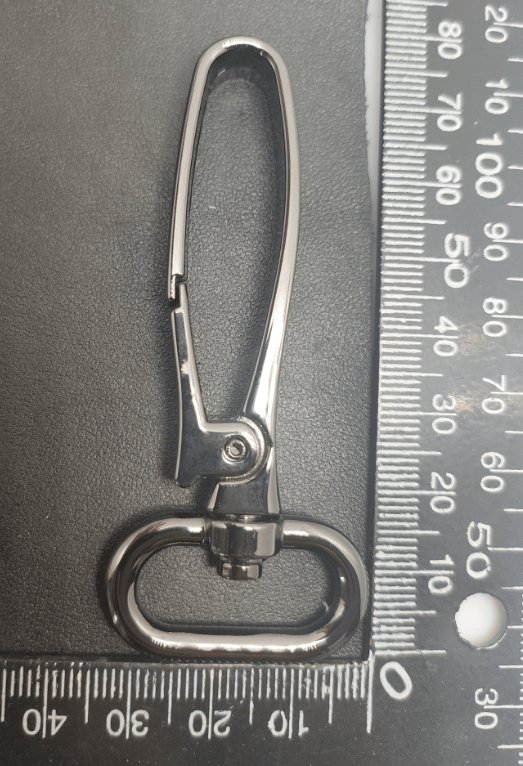
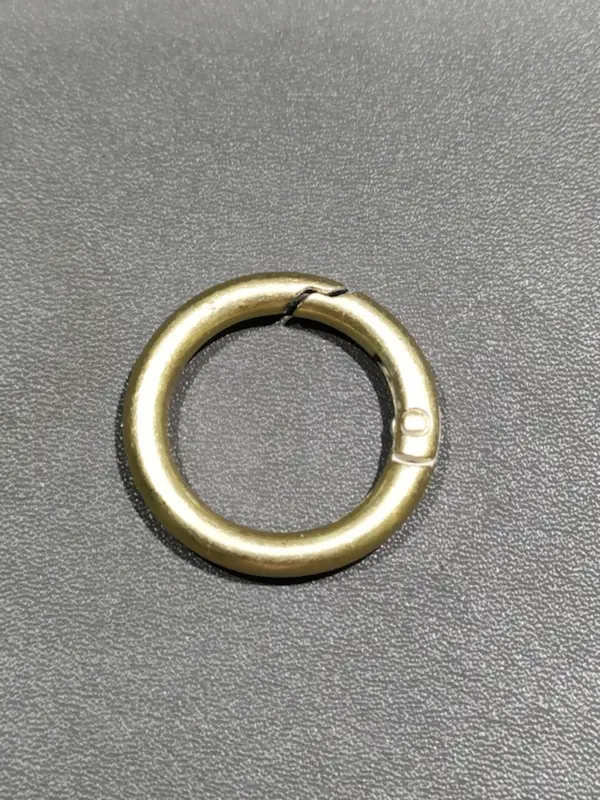
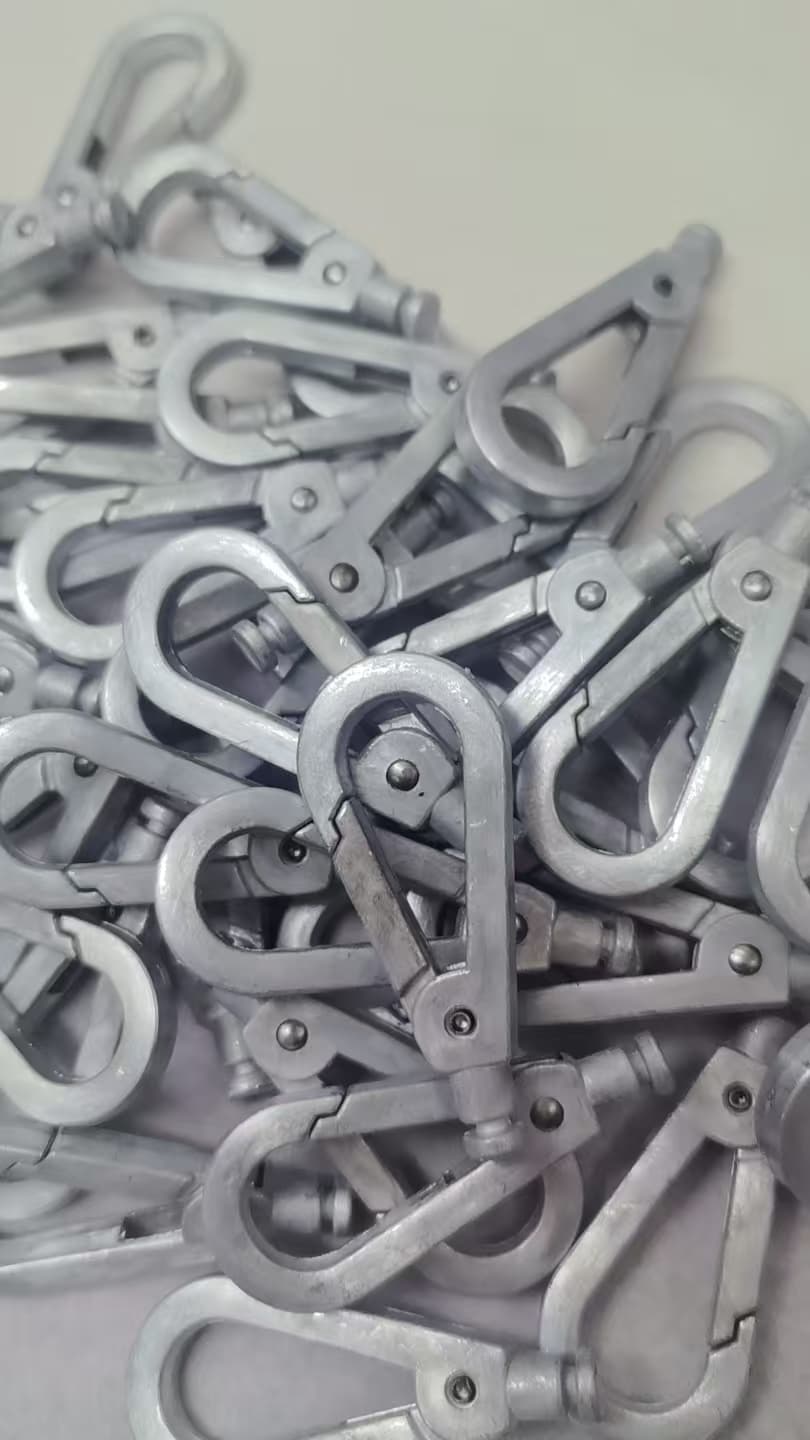
For movable hardware components such as dog clips and snap fasteners, the samples selected are those with the best tactile feel. However, the spring tension in mass-produced items can vary within a certain range. If customers evaluate the product based solely on the feel of the sample without specifying a standard for spring tension, the following issue may arise: the sample opens and closes easily, but the mass-produced items may be too tight or lack sufficient spring return.
Solution
Confirm functionality and feel during the sample stage, and document the spring specifications. For each production batch, conduct random sampling and perform repeated opening and closing tests. Establish an acceptable range, and immediately reject any products that fall outside the specified feel range.
Streamline the handover process and establish standards from the outset
Approval samples must be “documented in writing”; verbal commitments are not valid.
Many buyers rely solely on online images for communication and fail to retain sealed, signed samples. When discrepancies arise, both parties end up with conflicting accounts.
Correct Procedure: Prepare two identical copies of the sample, with the client and the hardware manufacturer each retaining one. Both parties should sign and date the samples, noting the order information, material, and plating color. The sample must be clearly marked with the following statement: “This is the sole reference standard for mass production. All subsequent pre-production samples and bulk orders must conform to this physical sample. Photographs are for reference only and cannot be used as a basis for determination.”
Prenatal testing is the most important line of defense and must not be skipped.
Many customers, in an effort to meet deadlines, skip the pre-production sample stage and proceed directly to mass production—which is the riskiest approach. We produce a pre-production sample using the actual mass-production molds, raw materials, and plating processes, and we use it to verify all specifications in advance.
We can only begin mass production once we have approved the pre-production sample. If we discover a discrepancy with the original sample during the pre-production sample stage, correcting it costs very little; however, if we discover the issue only after we have produced thousands or even tens of thousands of units, the loss is irreparable
Conduct Random Inspections at Each Stage of the Production Process; Don’t Wait Until Shipment to Inspect
Don’t rely solely on a single inspection before shipment for quality control. Conduct random inspections at each stage of the process—die casting, polishing, electroplating, and assembly. Check dimensional accuracy after die casting; check for burrs after polishing; inspect color and plating defects immediately after electroplating; and test functionality after assembly.
Identify issues early and make adjustments promptly to prevent defective products from moving further down the production line.
 | 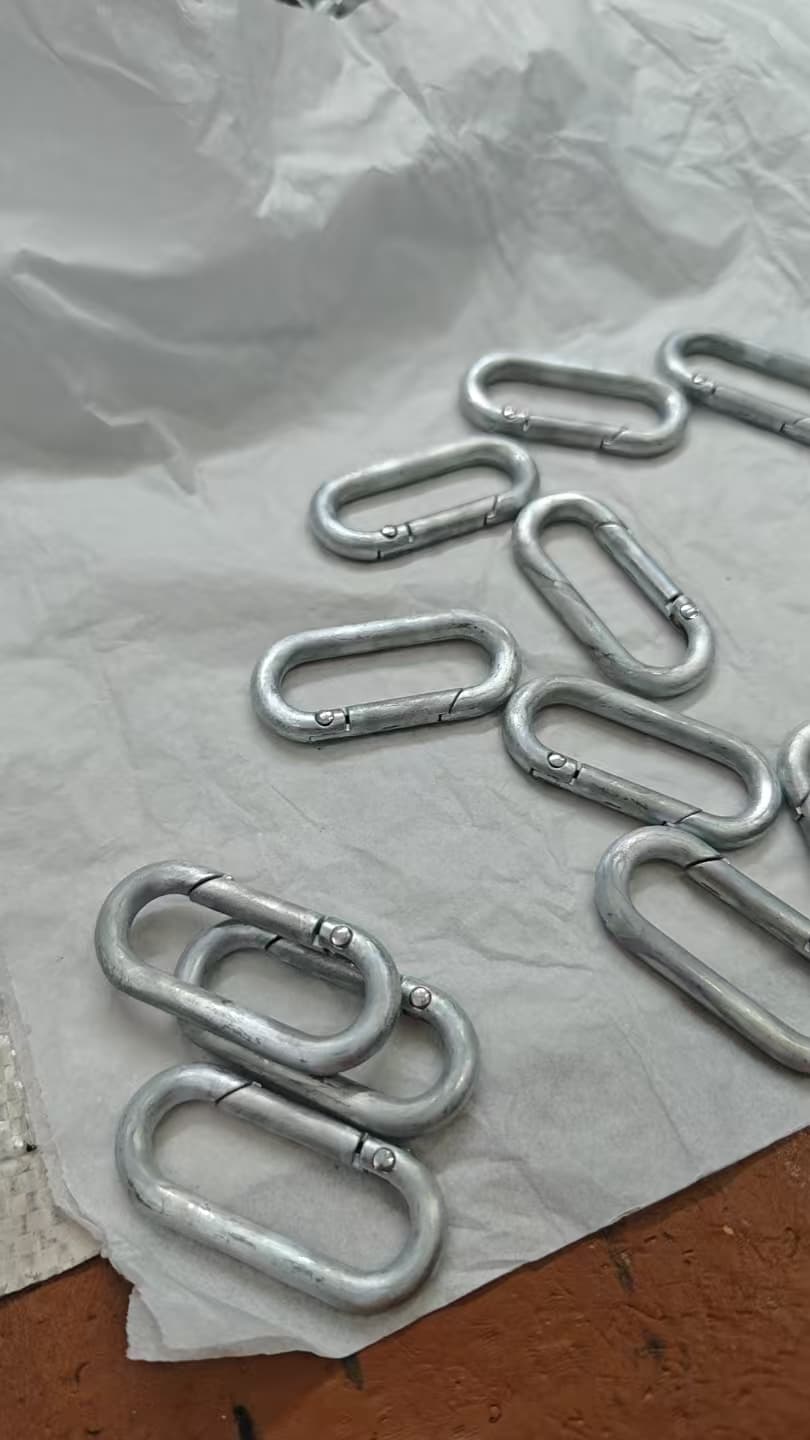 | 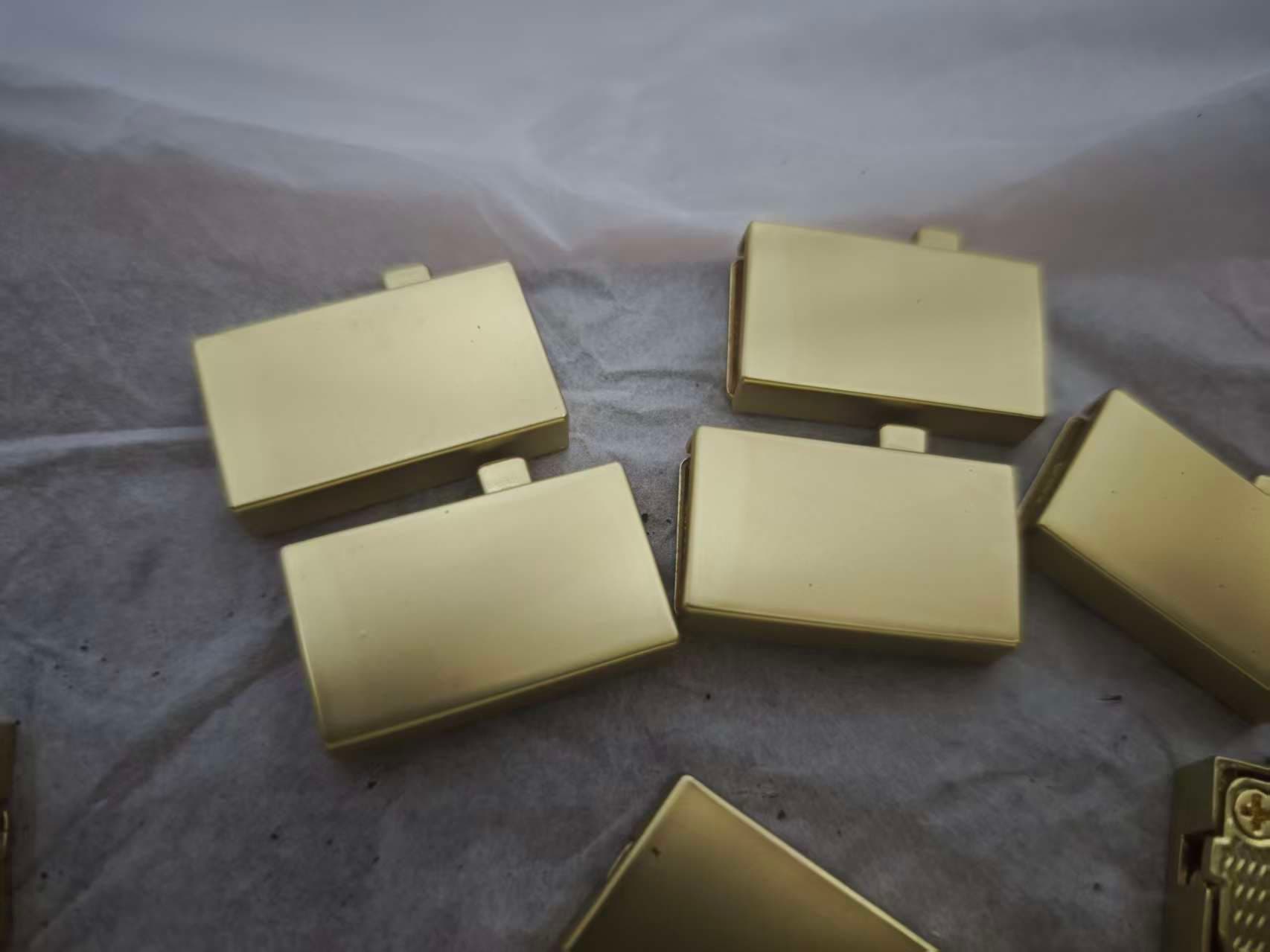 |
| Raw Material Inspection | Post-Assembly Inspection | Finished Product Inspection |
Final inspection before shipment to prevent discrepancies from slipping through
Even with comprehensive quality control throughout the production process, we must still conduct a full comparison with the reference sample before shipment
- color comparison: Compare the product to the reference sample under natural light to check for color variations between batches.
- measure dimensions, thickness, and hole positions, and verify them against the sample.
- functional testing: Randomly select multiple units to test opening and closing mechanisms and the feel of the spring return.
- conduct a visual inspection to check for surface scratches, pitting, and burrs, comparing them against the sample’s appearance acceptance criteria.
- perform a weight check on a sample to confirm that the material’s weight matches that of the sample.
Conclusion
Discrepancies between samples and production runs are not inevitable. In many cases, it is not that the factory is intentionally skimping on materials, but rather that there are inherent differences between the sample-making process and the mass production process. To avoid this issue, the key is to materialize the sample standards, insist on pre-production sample approval, conduct quality inspections at each production stage, and perform a final comparison and verification against the signed sample before shipment.
By clearly defining standards in advance and minimizing vague descriptions, both the purchasing department and the supplier can significantly reduce the risk of discrepancies between production runs and samples, minimize rework, claims, and delivery delays, and achieve a stable, long-term partnership.