How to Shorten the Lead Time for Custom Molded Bags and Hardware Orders
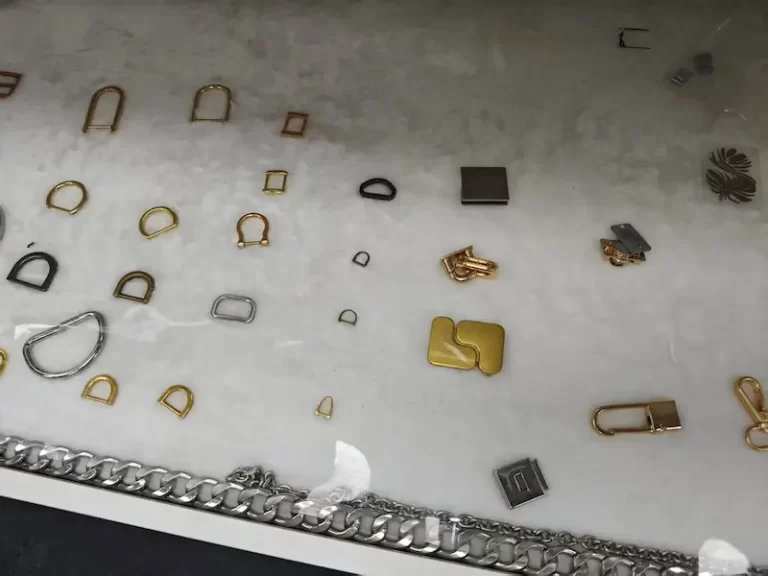
Custom-made hardware for luggage includes buckles, dog clips, pull tabs, nameplates, and studs—all specialized accessories for bags and luggage. These components require multiple specialized processes, such as mold making, trial molding, mold modification, die-casting, and electroplating, resulting in long lead times and numerous variables. From the buyer’s perspective, most order delays are not caused by insufficient factory capacity, but rather by unclear requirements during the early procurement stages, incomplete documentation, delayed confirmations, lax milestone management, and insufficient supply chain coordination. This article examines the entire procurement process to explain how to effectively shorten the delivery cycle for custom hardware through proactive control, standardized management, and supply chain optimization.
Proactive Requirement Management: Reducing Mold Modifications and Rework at the Source
Consistent Delivery of Complete Customized Documentation
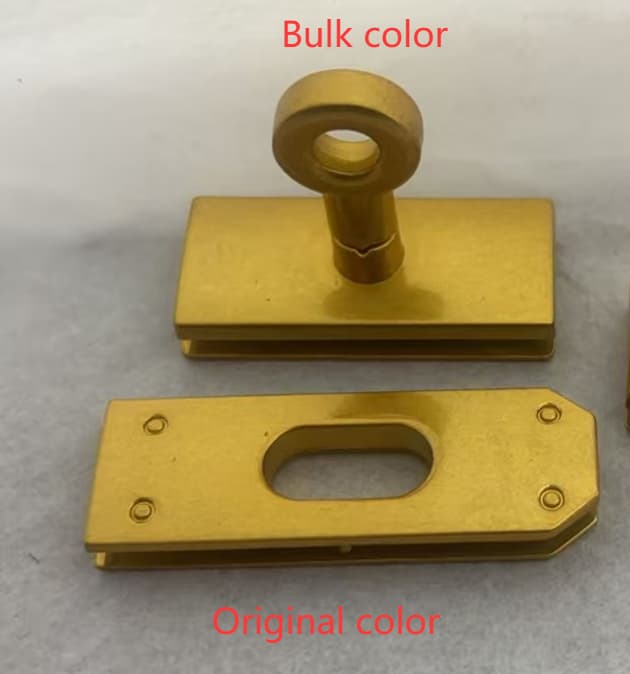
Before placing an order, the procurement team must coordinate with internal design and production departments to finalize product specifications. Suppliers should be provided with complete drawings, dimensional tolerances, material requirements, surface finish color charts, assembly standards, and acceptance criteria in a single submission. Avoid placing orders based solely on images or verbal descriptions to prevent repeated confirmations and adjustments by the manufacturer, which waste time in the early stages of the process.
Establish a Requirements Freeze Mechanism
Once drawings and samples have been approved, the procurement team must strictly enforce a “requirements freeze.” Avoid making arbitrary changes to the mold design, structure, or plating process unless absolutely necessary. If temporary internal revisions are required, assess the mold modification costs and resulting project delays in advance to prevent mid-project changes that could cause factory downtime and rework, thereby significantly reducing the time spent on unnecessary rework.
Optimize the inquiry and sample production process to shorten the initial coordination period
Implementing a Tiered Prototyping Model
The procurement team can flexibly choose prototyping methods based on project progress. When only the appearance of a new product needs to be confirmed, the factory is required to use 3D-printed prototypes for rapid prototyping to shorten mold testing time. When actual assembly and electroplating testing are required, a trial production run using a simple small mold is then arranged. Tiered prototyping effectively avoids the need to create formal molds for every product, significantly reducing the initial development cycle.
Shorten Internal Approval Times
Many delays in delivery schedules stem from slow internal procurement approvals.The procurement department must establish a rapid internal approval mechanism to ensure that it completes final reviews and feedback on drawings, samples, and process plans within 24 to 48 hours. This will maintain seamless coordination between suppliers and buyers, prevent factories from having to wait, and ensure the continuous progress of projects
Refine the management of order milestones to shift from passively chasing orders to actively managing them
Track Production Milestones Throughout the Entire Process
Once the purchasing department confirms an order, it must request that the supplier provide a formal production schedule. This schedule should specify the exact timelines for each milestone, including mold setup, initial mold testing, sample approval, mass production die-casting, polishing, electroplating, final inspection, and shipment. The purchasing department should monitor the entire process against this schedule to ensure early warning and timely intervention.
Focus on Managing Molding and Electroplating Bottlenecks
Mold development and electroplating scheduling are the biggest bottlenecks in custom hardware manufacturing. The procurement team must proactively require the factory to perform tasks in parallel—preparing materials in advance while it machines the mold and reserving electroplating slots ahead of time—to reduce sequential waiting times. At the same time, the procurement team should require the factory to identify and resolve all issues during the first mold trial run and conduct all necessary repairs at once, thereby avoiding repeated trial runs and significantly shortening the mold development cycle
Optimize procurement strategies and reasonably simplify the complexity of customization
Combined Procurement of Standard and Custom Parts
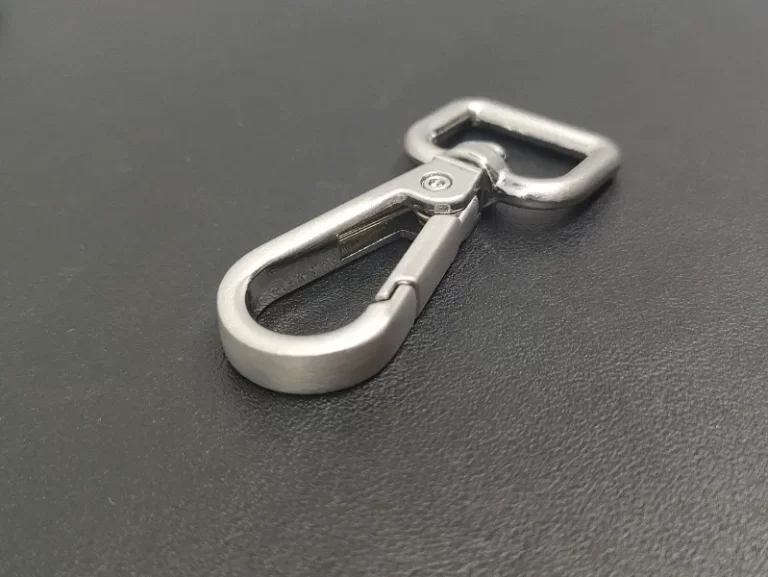
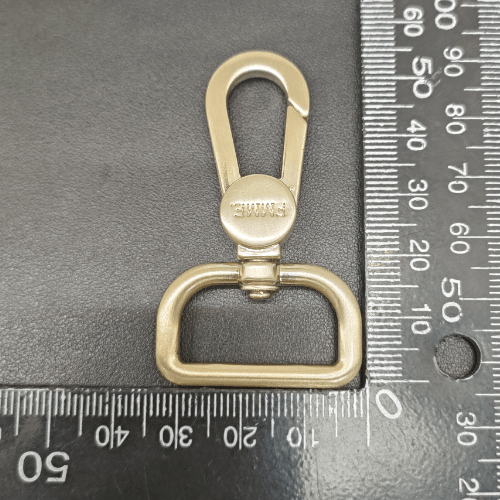
The procurement team proactively optimizes solutions during the product selection phase. For general-purpose components such as snap hooks, D-rings, washers, and screws, we prioritize using suppliers’ existing standard mold inventory, eliminating the need for new tooling. We use custom tooling only for non-standard structures, such as special nameplates and proprietary lock bodies. Reducing the number of new tooling projects is the most direct and efficient way to shorten lead times.
Establishing a Dual-Supplier System
The procurement department should establish a tiered model consisting of primary suppliers and backup suppliers. Primary factories handle regular, stable orders to ensure consistent quality, while backup factories handle rush orders and orders for simple designs, thereby diverting production capacity during peak seasons. This effectively prevents issues such as order backlogs at a single supplier and delivery delays during peak seasons.
Standardize contract delivery terms, clarify rights and responsibilities, and reduce internal friction
Clarify the Starting Point for Delivery Deadlines
The procurement department must clearly stipulate the starting point for delivery deadlines in the contract and the Proforma Invoice (PI), uniformly defining it as “final approval of drawings + receipt of payment for molds,” rather than the order date. This prevents disputes over delivery deadlines caused by delays in internal approvals and reasonably safeguards the purchaser’s rights regarding delivery deadlines.
Defining Responsibilities for Changes and Delays
The contract must clearly define the rules regarding rights and responsibilities for changes in requirements, mold modifications, rework, and delays. For repeated mold modifications or rework of defective products caused by the supplier’s manufacturing issues, the supplier must rectify the issues within a specified timeframe and assume corresponding liability. These contractual provisions will compel the factory to improve production scheduling efficiency and manufacturing process stability.
Conclusion
From the buyer’s perspective, they achieve shorter lead times for custom mold and hardware orders not through last-minute follow-ups, but through proactive, end-to-end process control By standardizing requirements, streamlining confirmation processes, implementing tiered prototyping, tracking milestones, optimizing procurement plans, and standardizing supply chain management, we can significantly reduce unnecessary time spent on mold modifications, waiting periods, and rework. While ensuring product quality, this approach effectively shortens the overall delivery cycle, facilitating a seamless transition from front-end production to order shipment and enhancing the competitiveness of the entire supply chain.