Four Key Tips for Choosing Bags
As one of the most common accessories in our daily outfits, handbags are the most frequently paired items and the best way to elevate an ensemble. When it comes to choosing bags, quality matters more than quantity. Often, the bags we reach for most in everyday life aren’t the trendy styles of each season, but rather those with the finest craftsmanship and most timeless designs—pieces that complement any occasion and outfit effortlessly. So how can you find a bag that’s both stylish and practical? Below, OYC Bag Hardware Manufacturer shares tips for selecting the perfect bag:
Choosing Bag Materials
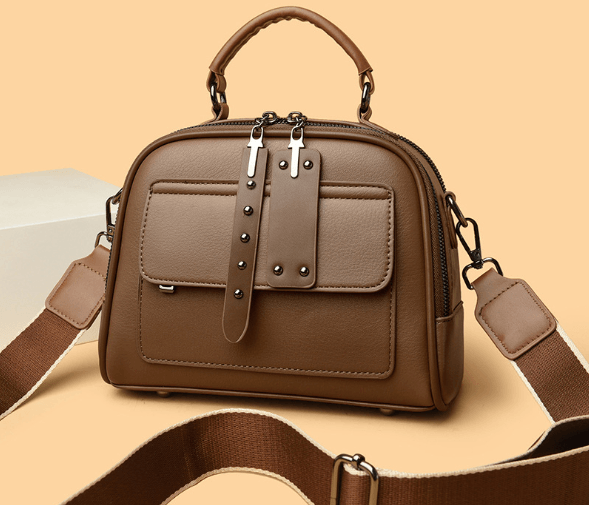
One of the most crucial aspects when selecting a bag is its material. Both the outer fabric and lining deserve attention—don’t overlook the inner materials just because you’re focused on the exterior.
Bag fabrics come in many varieties, and the choice of material often directly correlates with the bag’s quality.
Common Bag Materials
- a. Fabric
- b. Synthetic Leather
- c. Genuine Leather
Genuine leather is further categorized into:
Cowhide
Widely used. For high-quality bags, cowhide must be flawless—any significant imperfections render the entire hide unusable. Cowhide bags offer high durability and resistance to wear, making them ideal for daily use. Generally, you can find excellent cowhide handbags for a few thousand yuan.
Lambskin
Lambskin is too delicate, requiring extensive maintenance, and tends to be expensive, making it unsuitable for everyday use.
Alligator leather and other rare leathers
These are less commonly used and will not be discussed here.
Note: I personally do not recommend polyester fabrics, as they are prone to pilling and tearing when carrying items. Instead, opt for materials like cotton-linen blends or canvas—fabrics with a substantial, soft, and smooth texture.
Overall Craftsmanship
A bag’s overall craftsmanship is inseparable from its details—superior craftsmanship emphasizes meticulous attention to detail. Better-made bags appear more luxurious, which is why “details determine success or failure.” The bag-making process is far more complex than imagined. The more time and precision invested in each step, the higher the quality of the finished product.
Seam Construction and Interior Details
This involves examining the bag’s seams, decorative elements, or interior pockets.
Examining Bag Details
This entails scrutinizing various aspects of the bag’s construction: material handling, cutting, stitching, pattern-making techniques, and other processes. These collectively determine the finished bag’s quality and visual appeal. Stitching refers to the various seams on the bag’s surface, while edge binding is the material used to cover the cut edges.
Examples of Bag Details
Stitching
The evenness of stitching and the uniformity/tightness of edge binding directly impact the bag’s aesthetics and durability.
Edge Binding
The binding should be full without overflowing. Better-executed binding correlates with enhanced durability.
Style and Silhouette
Placing overall silhouette last doesn’t diminish its importance—it’s more a matter of personal taste. Only a bag shape you genuinely love will spark the desire to purchase. Yet a good silhouette must meet two foundational criteria: first, it should align with current trends for fashionability; second, it should be timeless, making you want to carry it every day.
Additionally, observe how the bag holds its shape when loaded—this heavily depends on its design. A well-designed bag won’t easily lose its form after undergoing complex manufacturing processes.
Bag Hardware
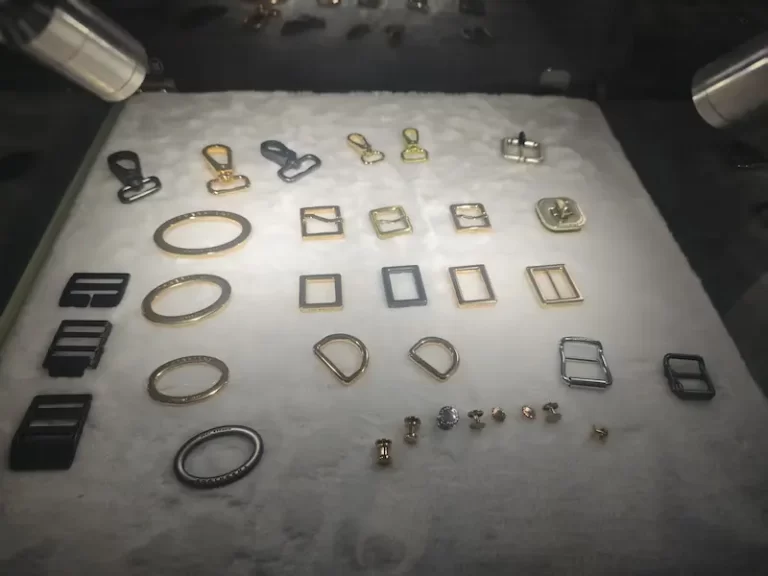
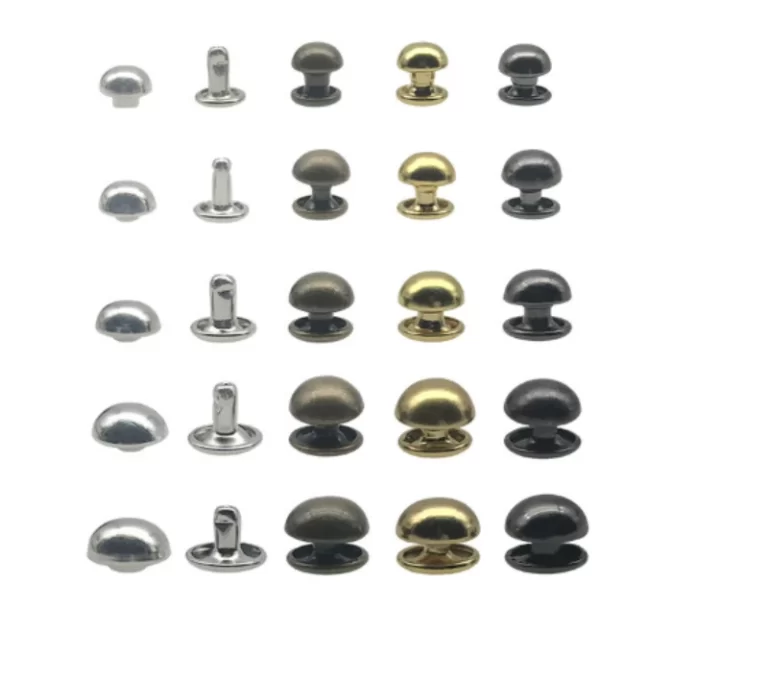
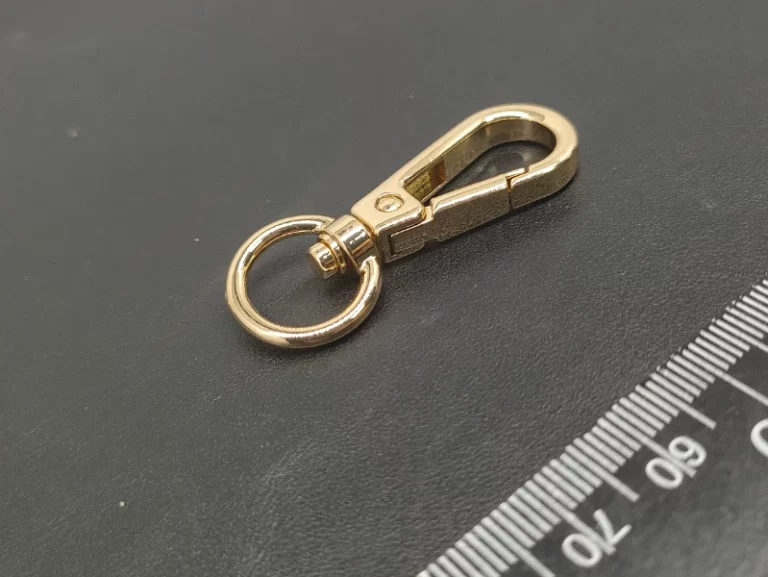
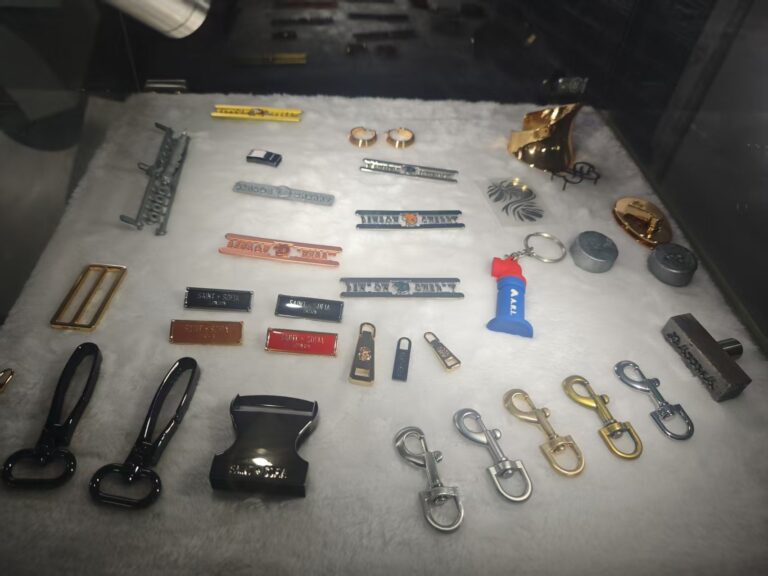
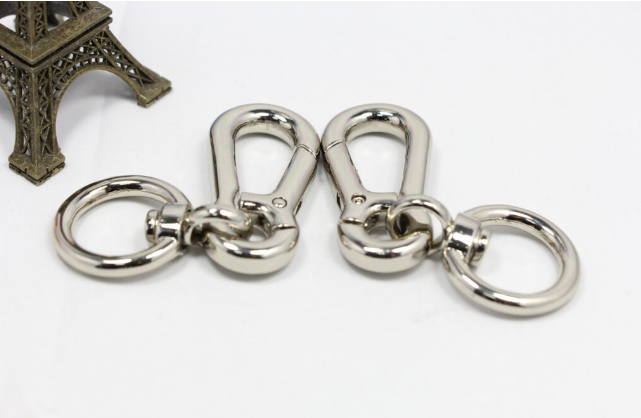
The use of accessories, especially hardware components, can make or break a bag. You might think we say this because we specialize in bag hardware? Exactly—as professional manufacturers, we understand its critical importance. If your bag’s hardware loses its shine, oxidizes, rusts, or develops scratches shortly after purchase, doesn’t it instantly look worn? No matter how beautiful the design or how prestigious the brand, it instantly loses value. Would you want to carry a worn-out bag out in public? Of course, intentionally distressed or vintage styles are exceptions.
The top choice for high-quality hardware is zinc alloy. Not only is it affordable, but it also offers excellent oxidation resistance and durability, ensuring the hardware retains its shine no matter how long you use it.
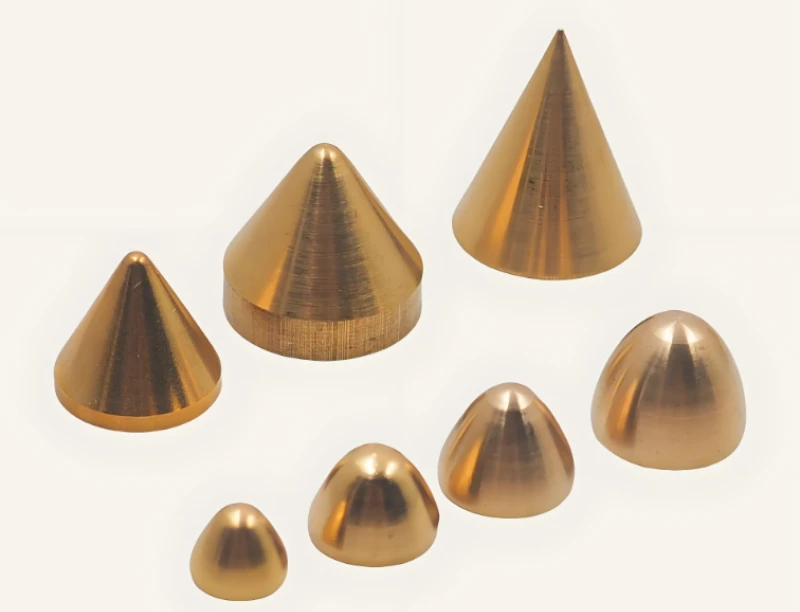
Polished and electroplated metals like brass bag hardware are also viable options. If you’re wondering how to judge quality when buying a bag, a simple method is to weigh it in your hand and examine the hardware’s luster—this provides a basic assessment.
In short, there are numerous techniques for selecting handbags. However, if we consider everything from the materials used in its production, to the manufacturing process, the style and design, and even the hardware components, the handbag we ultimately choose will typically be quite satisfying.