Stainless Steel vs Brass vs Zinc Alloy: Which is the Best Bag Hardware Material?
Hardware for bags comes in a wide variety of types and is made from numerous materials. However, the commonly used materials for bag hardware are stainless steel, brass, and zinc alloy. Which is the Best Bag Hardware Material?
Today, OYC intends to clarify the advantages and disadvantages of these hardware materials based on our limited knowledge. The conclusion is: Stainless Steel > Brass > Zinc Alloy. Hardware is a crucial component of bags!
Commonly used materials include zinc alloy, brass, stainless steel, etc.
01 Zinc Alloy
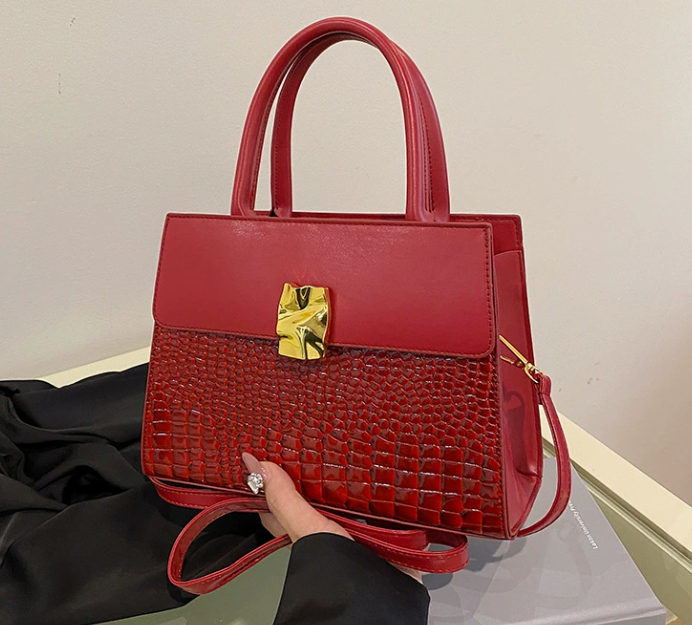
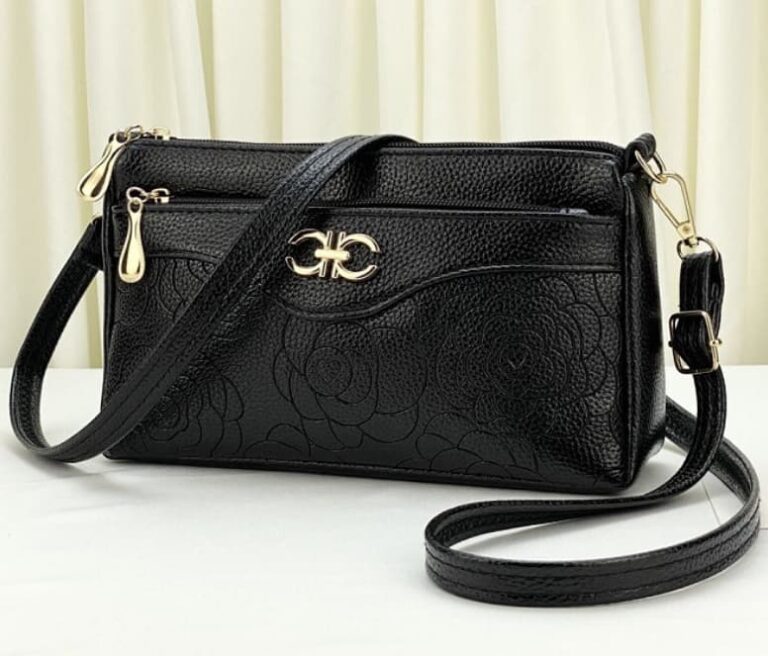
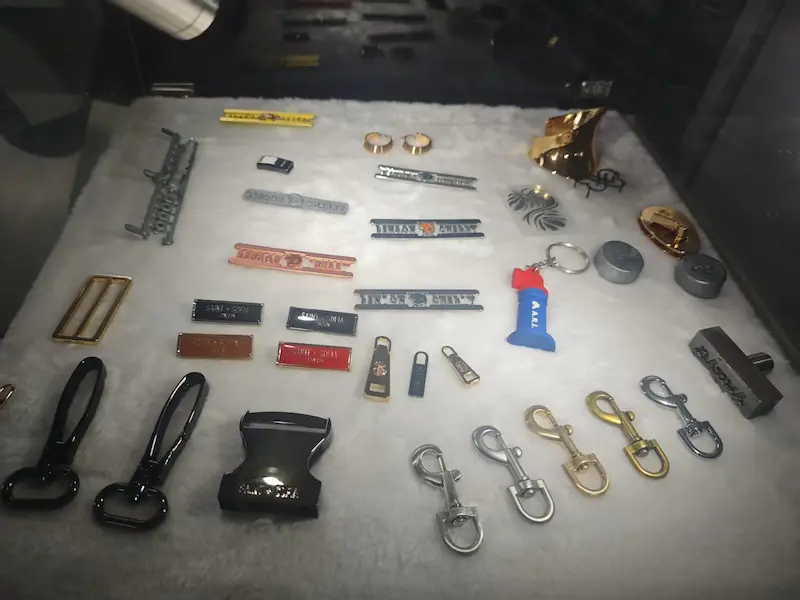
Zinc alloy is undoubtedly the ‘star’ of the bag hardware market. From fast-fashion brands to mid-range commuter bags, it can be found everywhere. Whilst it may not be the ‘king’ in terms of performance, it is the ‘optimal solution’ from a commercial perspective, striking an excellent balance between cost, craftsmanship and aesthetics.
Advantages of Zinc Alloys
Excellent formability and cost-effectiveness
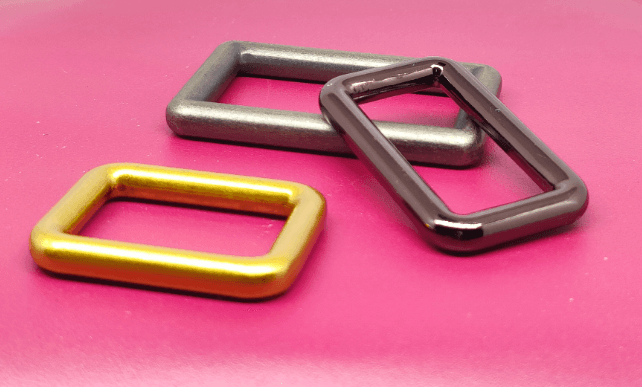
The greatest advantage of zinc alloys lies in their outstanding die-casting properties. With a low melting point and good fluidity, they can be precision die-cast much like plastic, enabling the production of parts with complex structures and fine details in a single casting, whilst achieving a high surface finish. This translates to extremely high production efficiency and very low unit costs, making them ideal for large-scale mass production. For fast-fashion brands that need to control costs and iterate designs rapidly, zinc alloy is the ideal choice. Furthermore, zinc alloy is highly compatible with electroplating processes, allowing for the consistent application of various popular finishes such as gold, gunmetal black and rose gold, resulting in a finish that appears exquisitely refined at first glance.
Lightweight construction and design versatility
Compared to brass, zinc alloy has a lower density, resulting in lighter hardware that aligns with the current consumer trend towards ‘lightweight’ bags. Furthermore, thanks to the high degree of design freedom afforded by die-casting, brands can achieve complex, trendy designs at a very low cost to meet the ever-changing demands of the fashion industry.
Disadvantages of zinc alloy
The main criticism levelled at zinc alloys is their lack of durability: the material is brittle and lacks toughness, making it prone to cracking or even breaking when subjected to impact or high stress. This is particularly true for load-bearing handles or fastenings on luggage; if recycled or poor-quality zinc alloys are used, they are even more susceptible to damage.
The issues frequently complained about by consumers—such as ‘discolouration of fittings’ and ‘peeling of plating’—are also common with zinc alloys. As their corrosion resistance is generally poor, they rely entirely on the protective plating; once the plating is damaged by friction or sweat, the base metal rapidly oxidises and discolours. Consequently, they have a relatively short lifespan and are unsuitable for use as fittings on classic bags intended to be ‘heirlooms’ or to last ‘a decade’.
02 Brass
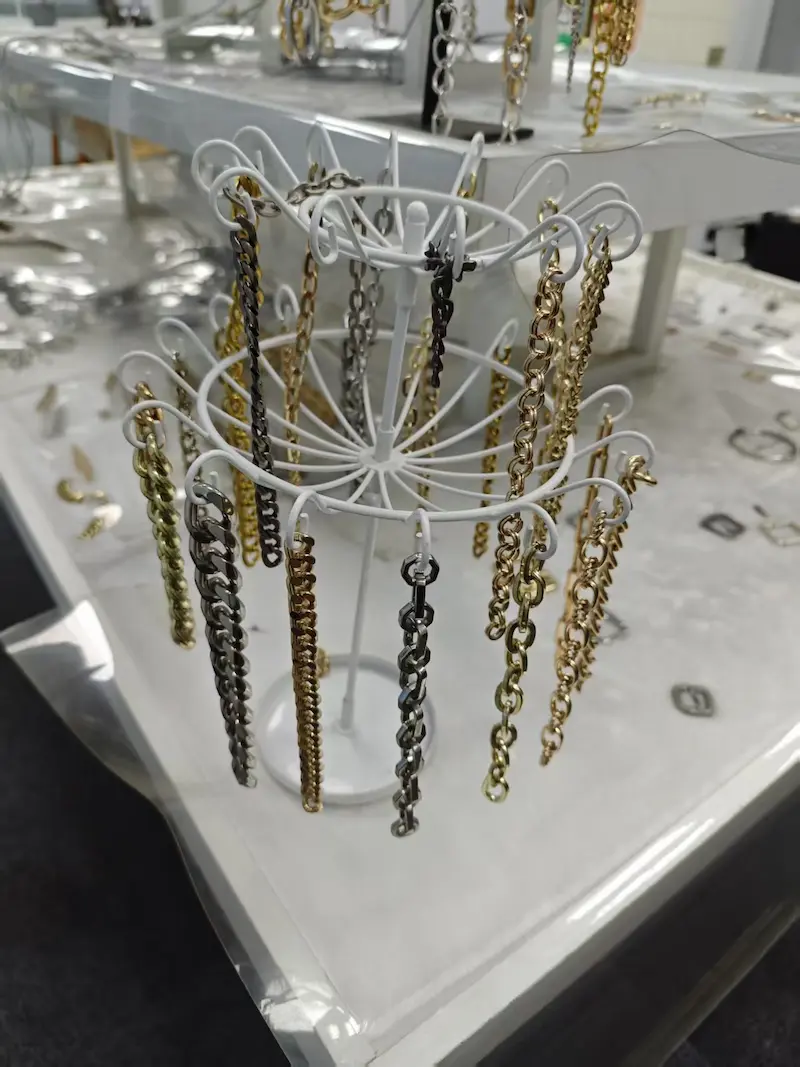
If there is one metal that is synonymous with luxury and vintage style, it is undoubtedly brass. As an alloy of copper and zinc, brass enjoys an unshakeable status in the world of high-end bag hardware thanks to its warm lustre, excellent workability and unique ‘aged’ charm.
The Advantages of Brass
Unrivalled texture and aesthetic value
Brass displays a natural, warm, rich golden hue—a colour that exudes understated calm elegance. It feels ‘substantial’ to the touch; this weighty feel serves as an intuitive indicator of the quality and sturdiness of a bag’s hardware. Genuine high-end bags often utilise solid brass, which can account for around 15 per cent of the bag’s total weight; this sense of heft is difficult for materials such as zinc alloy to replicate. Brass also owes its aesthetic value to its unique ‘patina’—as consumers use it and oxidation occurs, a warm, deep patina gradually forms on its surface, giving it an increasingly antique and timeless appearance. It seems to chronicle the user’s time and stories, making it the material of choice for vintage, workwear and high-end leather goods.
Excellent physical properties and workability
Brass is robust, wear-resistant and highly ductile. It complements the stress patterns of leather fibres well and is not prone to brittle fracture in areas subject to repeated bending and compression (such as rivets, eyelets and buckles). Its excellent ductility allows craftsmen to fashion it into extremely intricate and complex shapes and patterns, meeting the luxury goods industry’s exacting demands for attention to detail. Furthermore, brass possesses inherent antibacterial properties and is gentle on the skin; these characteristics make it particularly well-suited for use in leather goods worn next to the skin or subjected to frequent use. In terms of craftsmanship, craftsmen can achieve an antique finish directly on brass through chemical or electrochemical processes; the relatively straightforward technique yields a more natural effect
Disadvantages of brass
High cost and weight
High-quality brass costs significantly more than zinc alloys in material terms, and its complex processing further drives up the overall cost, so luxury brands or high-end product lines mostly use it Furthermore, brass has a high density, which increases the weight of bags; for modern designs that prioritise lightness, this can be a significant drawback.
Susceptibility to oxidation and discolouration
Whilst the ‘patina’ of brass charms many consumers, others perceive oxidation and darkening as ‘rust’ and thus a flaw. Improper surface treatment or prolonged exposure to sweat and make-up can cause brass to oxidise, turn black, or even develop green rust. Consequently, brass fittings require more meticulous electroplating protection (such as thicker plating) and more frequent daily maintenance to preserve their lustrous appearance.
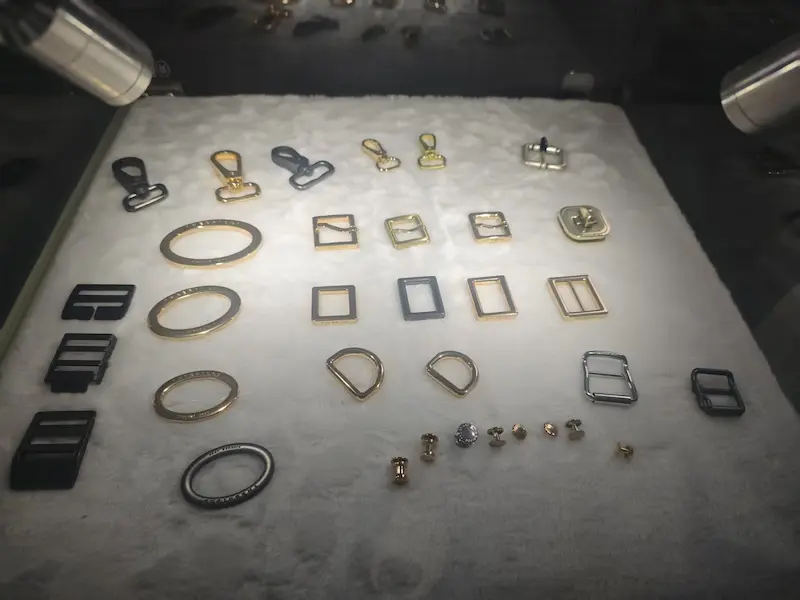
03 Stainless Steel
Advantages
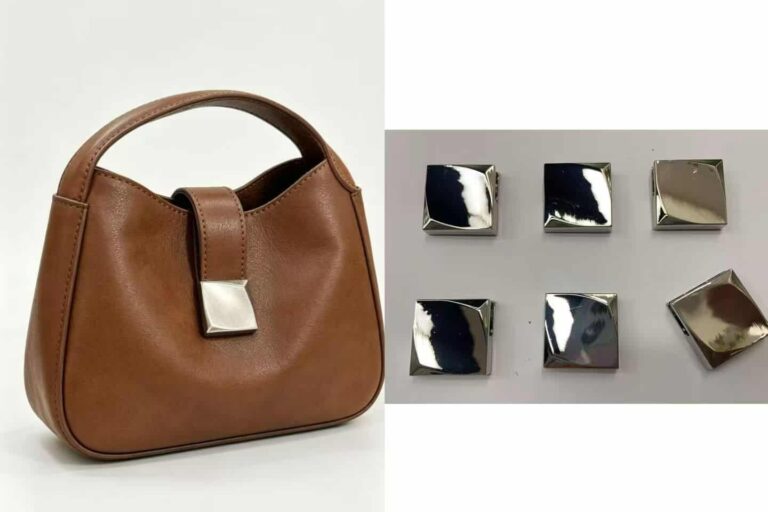
It refers to steel that is resistant to corrosion from weak corrosive media such as air, steam, and water. As well as chemical etching media such as acids, alkalis, and salts. It displays the natural color of steel, and craftsmen can also gold-plate or silver-plate it. It has excellent texture, extreme durability, and high aesthetic value, so it is basically a must-choice for high-end luggage and bags. The complicated manufacturing process requires a lot of manpower and time during polishing due to its high hardness. Manufacturers can also polish it directly for vacuum plating. In terms of overall performance, it is superior to other types of hardware.
Disadvantage: It is expensive
Hermès basically uses stainless steel hardware accessories. Moreover, stainless steel vacuum plating is the top tier of leather hardware, with the finished products having higher durability, longer-lasting plating color fastness, and better acid and alkali resistance than hardware made of other materials. Therefore, more and more first-tier luxury brands are fully replacing their hardware accessories with stainless steel materials.
People can divide hardware plating into water plating and vacuum plating
- Water plating is a chemical plating method that utilizes the principle of electron adsorption, allowing the plating material to adhere to the hardware surface through electric current.
- Vacuum plating is a physical plating method, where the plating material adheres to the hardware surface in a high-temperature and high-pressure vacuum environment, thus requiring the material to be resistant to high temperature and pressure.
The most essential factor determining the final durability and texture of hardware is the thickness of the plating layer. The cost of high-end hardware plating accounts for more than half of the hardware cost. For the same stainless steel hardware, a plating layer thickness of 1μm and 3μm not only differ in durability but also in price. Similarly, the cost of stainless steel hardware is about 10 times that of zinc alloy hardware.
Finally, it is necessary for everyone to accept the truth that no matter how superior the hardware is, it cannot escape the natural properties of hardware. The inevitable processes of oxidation, tarnishing, mottling, and rusting are irresistible natural properties of hardware! All the improvements made now aim to extend the service life of the hardware.