How to Select Durable Bag‑Hardware | Complete Buyer Guide For Leather‑Goods | OYC Hardware
Properly‑selected bag hardware directly influences finished‑product quality, brand reputation and end‑customer satisfaction. Low‑grade buckles, rings and snap fittings frequently trigger product returns, negative reviews and increased after‑sales expenses. This guide covers base‑material selection, surface‑finish requirements, mechanical‑performance testing and custom‑hardware considerations, helping procurement teams make informed sourcing decisions and evade common industry pitfalls.

Why Bother with Durable Hardware?
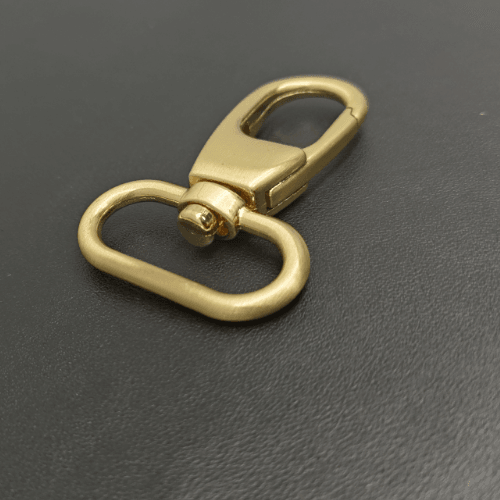
Think about it. Bag hardware includes snap hooks, D-rings, buckles, locks, rivets, zipper pulls, and feet. These little parts take a beating every single day—pulling, twisting, holding weight. If the hardware fails, the whole bag becomes useless.
So, focusing on durability helps you:
- Cut down on returns and warranty claims
- Protect your brand’s reputation
- Meet the tough demands of markets like Europe and North America
Step 1: Select Appropriate Base Materials For Target Application
The base material decides how strong, heavy, and rust-resistant your hardware will be. Here’s a quick rundown of the most common options:
Zinc Alloy:Balances cost, mechanical strength and die‑castability, and accepts diverse surface finishes, making it widely adopted for general‑purpose bag‑hardware.
Brass:Delivers premium tactile quality and excellent corrosion‑resistance; well‑suited for high‑end and luxury‑style handbags.
Stainless Steel:Recommended for heavy‑load strap fittings and outdoor‑use luggage with superior tensile strength and anti‑rust performance.
Iron:Cost‑effective option, mostly deployed for hidden internal brackets and structural frames. Iron components require high‑quality plating treatment to prevent rust formation

Step 2: Evaluate Surface‑Finish Performance & Compatibility
The finish does two things: it makes the hardware look good and protects it from wear, sweat, and moisture. so should offer dozens of plating and polishing processes. For example:
- Polished gold or matte gold
- Silver or nickel
- Gunmetal or antique brass
- Black matte or custom color electroplating
A proper surface finish delivers visual appeal while providing protective performance against abrasion, hand‑sweat and moisture. Common available treatments include polished gold, matte gold, silver /nickel, gunmetal, antique brass and custom‑colour electroplating. Qualified plating finishes satisfy EU environmental compliance requirements for cross‑border leather‑goods sales.
Pro tip: For humid‑climate or high‑frequency‑use bags, select electroplated finishes for improved rust‑resistance. Spray‑paint finishes deliver richer colour choices for trendy styling applications.
Step 3: Verify Mechanical Strength & Wear‑Resistance Performance
Buyers should request suppliers to provide test data covering three core indicators:
- Tensile resistance: Maximum pulling force before bending or fracture occurs.
- Wear resistance: Anti‑scratch performance against contact with keys and hard objects.
- Salt‑spray corrosion resistance: Simulates long‑term sweat and damp‑environment exposure. Premium‑grade hardware should achieve 48‑72 hours salt‑spray‑test performance.
Electroplated snap‑hooks achieve superior abrasion and anti‑rust performance versus spray‑painted alternatives, while spray‑painted hardware provides expanded colour and textured‑finish selections.

Step 4: Inspect Manufacturing Precision & Dimensional Tolerance
Precision really matters. Poorly made hardware leads to loose snaps, misaligned buckles, and assembly headaches.
High‑precision manufacturing avoids loose snaps, misaligned buckles and difficult‑assembly issues. Reliable factories maintain strict dimensional tolerance for pin‑and‑hole matching to guarantee smooth, jitter‑free mechanical operation. Real‑time process monitoring during assembly ensures batch‑to‑batch hardware consistency.
Step 5: Evaluate Custom‑Development Capabilities For Brand Differentiation
Here’s the truth: most global bag brands want unique, differentiated designs. Standard, off-the-shelf hardware just doesn’t cut it for the high-end market anymore.
So, whether you need to:
- Engrave your brand logo
- Create special shapes
- Adjust product sizes
- Develop completely new hardware styles
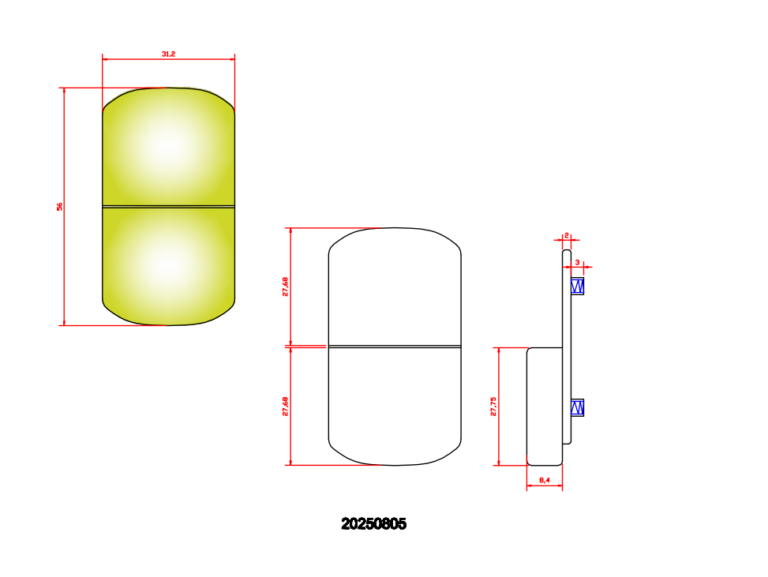
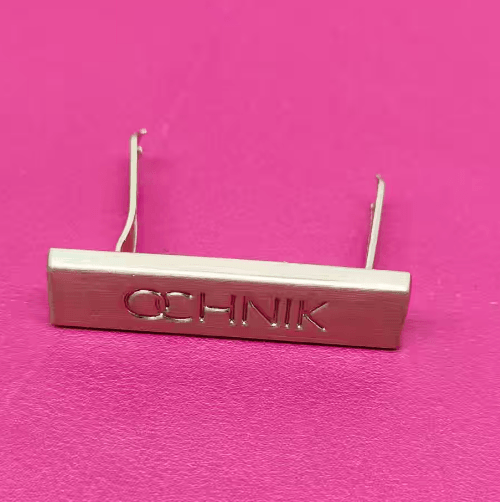
Distinctive custom hardware supports brand differentiation for global bag brands. Available custom‑development scope includes brand‑logo engraving, special‑shape components, dimension adjustment and fully original new‑hardware styling. Qualified manufacturers support low‑MOQ trial batches for emerging brands alongside large‑volume mass‑production for established enterprises.

Summary: How to Choose the Right Supplier
Look, no single material or finish works for everyone. The right choice really depends on your budget, your target market, your brand identity, and the type of bag you’re making.
To make it simple, here’s a quick cheat sheet:
| If you need… | Choose… |
| Ultimate texture and premium feel | Brass with polished or antique finish |
| Cost-effective and versatile | Zinc alloy with custom plating |
| High strength for outdoor or travel bags | Stainless steel |
| Trendy, colourful matte / shiny appearance | Spray-painted zinc alloy |
| Classic industrial metallic appearance | Electroplated (gold, silver, nickel, gunmetal) |
FAQ for Selecting Durable Bag‑Hardware
Q1: Which base‑material delivers best overall durability for daily‑use handbags?
A: Thick‑wall zinc‑alloy with premium plating for general fashion bags; brass for high‑end vintage styles; stainless‑steel is preferred for heavy‑load outdoor‑application hardware.
Q2: What salt‑spray‑test value should buyers specify for export‑order hardware?
A: Mid‑to‑high‑grade export hardware should achieve minimum 48‑hours salt‑spray testing; premium‑grade requirements adopt 72‑hours as reference standard.
Q3: Is spray‑painted finish less durable than electroplated finish?
A: Yes. Spray‑paint provides rich colours yet delivers inferior abrasion‑resistance compared with electroplated metal finishes, better suited for low‑friction decorative‑position hardware.
Q4: What key risks are caused by insufficient manufacturing precision?
A: Mis‑fitting buckles / snaps, jamming movement, difficult leather‑goods assembly and higher finished‑product defect rates.
Q5: For custom hardware projects, what should buyers confirm at sample‑stage?
A: Base‑material grade, plating specification, tensile‑strength performance, dimension tolerance, salt‑spray‑test report and sealed pre‑production sample acceptance rules.
Conclusion
Durable bag‑hardware performance results from a balanced combination of appropriate base‑material selection, qualified surface finishing, verified mechanical‑strength testing and precise manufacturing. Hardware choices must align with product positioning, target‑market requirements and project budget. Brand buyers should confirm material specs, finish standards and performance‑test requirements before sample‑approval and mass‑production.
OYC Hardware manufactures stock and custom‑made durable bag‑hardware for global leather‑goods brands. Custom logo engraving, new‑mold development and full export‑compliance documentation services are available for buyer projects.
Ready to Start Your Order?
To get started, just email us your drawings, quantity, material specs, or any other detailed requirements. Here’s how we’ll work together:
1.First, we’ll create an artwork for your approval.
2.After that, we’ll arrange the mould making.
3.Next, we’ll send you physical samples for confirmation.
4.Finally, once you confirm the samples, we’ll begin bulk production.
Got a custom hardware project in mind? Feel free to contact us anytime. We’re here to help!
Discuss Your Durable‑Hardware Project
- Chat on WhatsApp +86-13924451472
- Submit Your Hardware Requirement