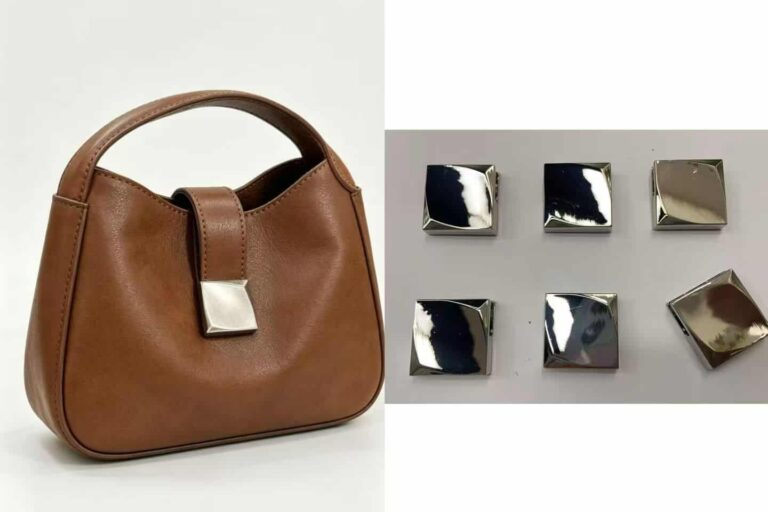
Handbag‑Hardware Scratch Assessment, Repair & Preventive Guidance | OYC Hardware
Metal handbag hardware is subject to scratches caused by impact and daily friction. Scratches may not impair hardware function, yet they significantly lower the perceived quality of finished leather‑goods.
This article covers hardware‑material identification, scratch severity grading, feasible treatment options and preventive best‑practices, for leather‑goods designers, procurement and after‑sales teams.
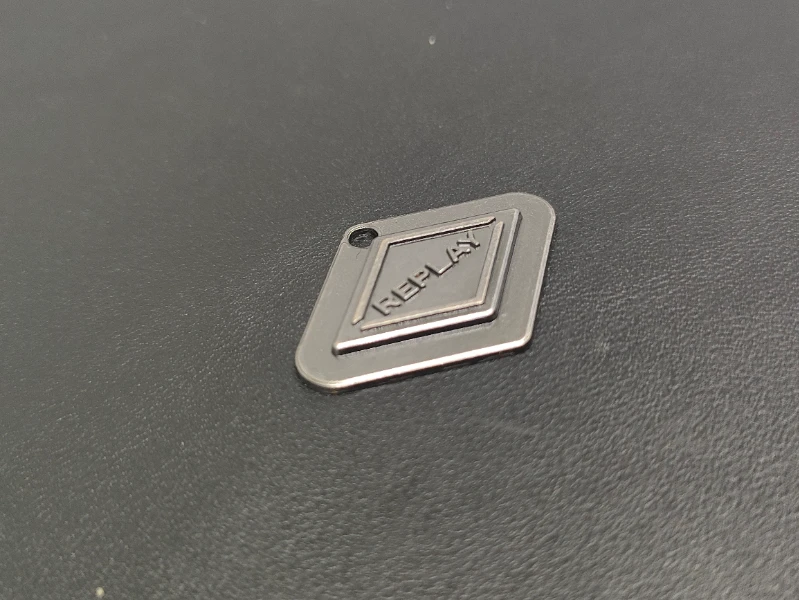
1.Hardware‑Substrate Material Identification Before Scratch Treatment
Before you start, take two minutes to identify the material of the hardware; this is far more important than simply grabbing some toothpaste and slathering it on haphazardly. The vast majority of hardware on modern handbags is not solid metal, but rather has a base of zinc alloy, brass or stainless steel, covered with a layer of electroplating or PVD coating. This coating is the source of the gold, silver, gunmetal or pearlescent nickel finishes we see – it is very thin, and once worn away, the underlying base material of a different colour will be exposed.
Magnet Quick‑Screening Method For Base‑Material
If it sticks, the base material is usually iron or steel; with these metals, the underlying layer is prone to rust once the plating is damaged. If it doesn’t stick, the material is typically a zinc alloy or copper; when the plating is damaged, the exposed base material is often a dull or yellowish colour, contrasting sharply with the surface colour.
Plating‑Thickness Differences Across Product‑Grade Tiers
Plating thickness varies across different product grade tiers. High‑grade hardware normally applies thicker electroplated layers; minor surface abrasion may only affect the outer oxide film. Budget‑range hardware features comparatively thin plating; even shallow scratches can penetrate the coating and expose the base substrate
2.Three‑Tier Scratch‑Severity Classification Standard
I’ve divided scratches into three categories; see which one applies to you:
Minor Surface Marks (Only superficial coating abrasion)
These consist of fine scratches on the very outer layer, visible only under certain lighting conditions and not detectable as indentations when touched with a finger. Such scratches are often merely ‘scrapes’ on the surface of the plating and do not damage the plating itself.
Moderate Scratches (Visible indentation, plating remains intact)
These are visible to the naked eye from multiple angles, and a slight indentation can be felt with a finger; however, the plating colour has not yet peeled off noticeably, and the underlying metal is not exposed. There is room for improvement with this type of scratch, but it is difficult to remove it completely.
Severe Plating Penetration (Base‑Metal Substrate Exposed)
The surface of gold-plated fittings reveals a silvery-white or dark grey underlying layer, whilst silver-plated fittings reveal a dark yellow or blackened base. This indicates that the plating has been penetrated; polishing cannot ‘restore’ the missing plating.
Once you have identified which category your situation falls into, please read on for the corresponding treatment methods.
3.Treatment Options For Minor Surface Marks
Fine‑Abrasive Sandpaper Method (High‑Risk, Proceed With Extreme Caution)
Jeweler‑grade fine sandpaper can smooth superficial marks, but this operation carries high risks for electroplated hardware. Sandpaper will abrade thin plating layers and may only deliver temporary cosmetic improvement. This method is NOT recommended for gold‑plated or multi‑layer plated fittings. When hardware sustains meaningful damage, hardware replacement or professional factory re‑plating is the proper solution for long‑term performance.
Neutral‑Detergent Cleaning: Rule‑Out Dirt Masquerading As Scratches
Sometimes what you think is a scratch is actually the shadow cast by dirt on the surface when held up to the light. Dip a soft cloth in a small amount of neutral detergent mixed with warm water, gently wipe the fittings, and then immediately dry them with a dry cloth. Once cleaned, many of these ‘scratches’ will disappear of their own accord.
4.Polishing‑Restoration Workflow For Moderate‑To‑Heavy Scratches
Step 1: Pre‑Repair Surface‑Cleaning
Clean the hardware surface using a metal cleaner.

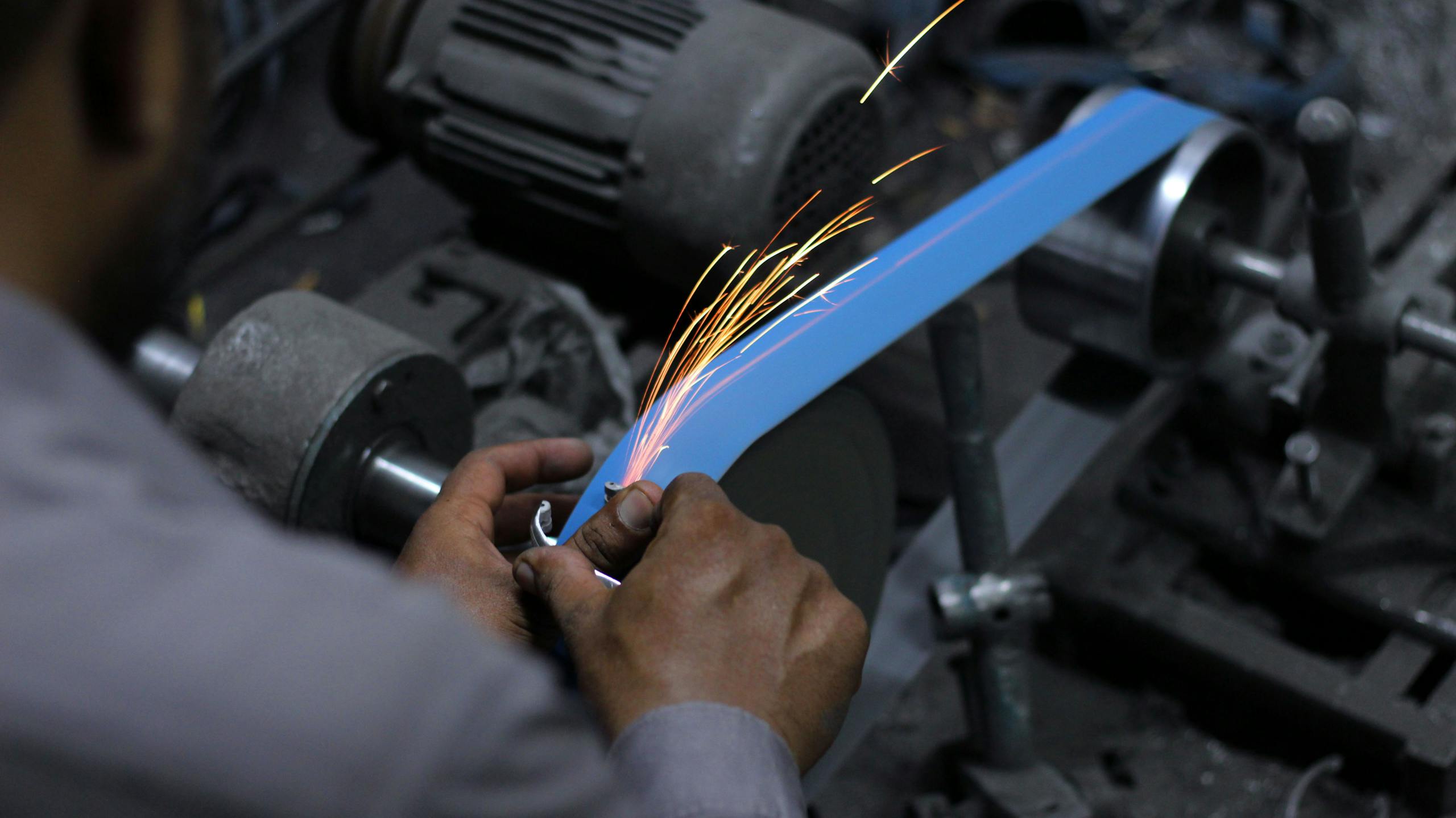
Step 2: Multi‑Stage Coarse‑To‑Fine Polishing Operation
Coarse Polishing—Apply a small amount of toothpaste-like professional polishing compound to the metal surface. Using a dedicated polishing cloth, remove all uneven plating from the metal surface to achieve smoothness, enhancing the subsequent color plating’s luster. Re-clean: Thoroughly remove any residual polishing compound from the surface. Fine polishing: Perform secondary polishing with a dense-fiber chamois cloth to fully fill surface imperfections.
Step 3: Professional Re‑Plating (Factory‑Only Process)
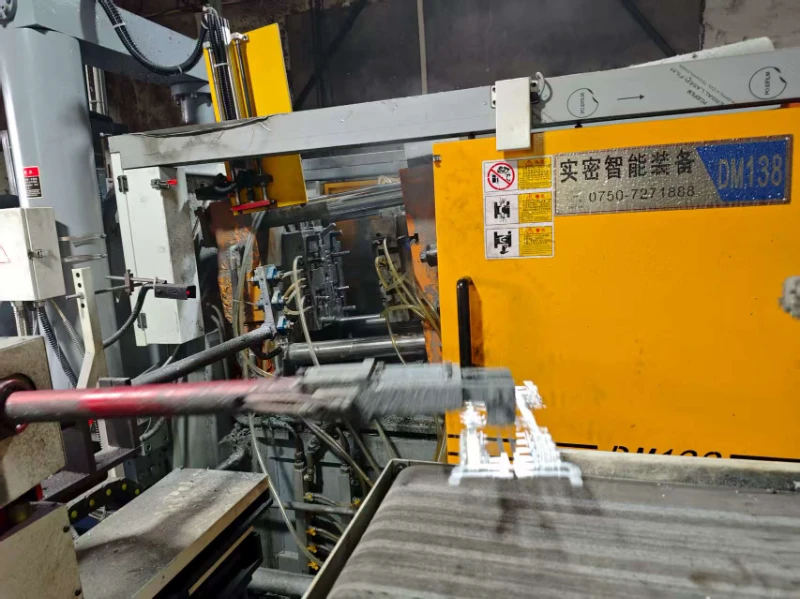
Re‑color plating requires dedicated industrial electroplating‑facility support and cannot be completed under household conditions. Once plating is fully penetrated, polishing alone cannot restore original hardware visual performance
5.Professional Repair Solutions For Heavily‑Damaged Hardware
Certain luxury brand handbags require repairs at authorized maintenance service providers, much like how cars need servicing at designated dealerships.

Matching‑Spec Hardware‑Replacement Solution
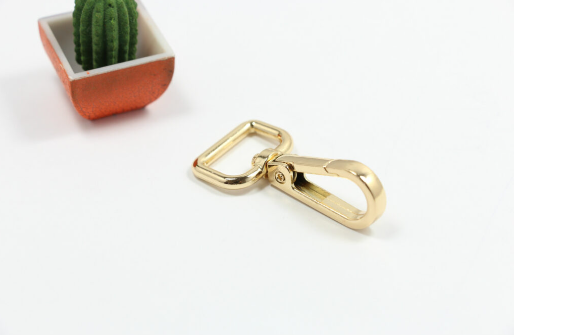
When hardware suffers deep scratches or plating penetration, replacement with dimension‑and‑finish‑matched fittings delivers the most reliable long‑term outcome. Matching replacement hardware can be sourced from original hardware‑manufacturers or custom‑mould production.
6.Common Improper‑Treatment Pitfalls To Avoid
Toothpaste For Large‑Area Aggressive Scrubbing
although the abrasive particles in toothpaste are fine, the plated layer is much thinner than your tooth enamel. Just a few strokes are enough to wear through the gold plating, exposing the underlying surface. It is said online that toothpaste can remove scratches, but this is only true if used very lightly, on a very small area, and for a very short time to treat a specific spot; it is not meant for scrubbing an entire metal surface with a toothbrush.
Automotive‑Grade Polishing Wax / Heavy‑Duty Metal Polish
these products are designed for solid metal or car paintwork, and their abrasive power far exceeds what decorative plated fittings can withstand. Applying them is equivalent to sanding with coarse sandpaper, which will immediately ruin the plating.
Long‑Term Repeated Alcohol Wiping
whilst alcohol can dissolve certain types of dirt, it also erodes the protective film on the surface of the plating; prolonged use will cause the hardware to oxidise and discolour more rapidly.
Steel‑Wool, Scouring‑Pads And Stiff‑Bristle Brushes
these tools create fine scratches a hundred times more numerous than the original ones, transforming the surface of the hardware from ‘a single scratch’ into a ‘hazy, mottled patch’, which looks even worse.
7.Preventive Daily‑Care To Reduce Scratch Occurrence
Routine Cleaning Is Better Than Post‑Damage Repair
After each use, wipe the metal fittings with a dry cloth to remove fingerprints, sweat marks and dust. Dust particles are extremely hard, and repeated friction against the metal surface will cause micro-scratches.
Protective Storage Practices For Hardware Fittings
For bags not in use for an extended period, wipe the metal fittings clean, then wrap them in thin tissue paper or a soft cloth before placing the bag in a dust bag. This both isolates the hardware from the air and prevents it from rubbing against the leather of the bag itself.
Prevent Hard‑Object Collision & Friction
When carrying the bag, ensure the hardware does not come into direct contact with tabletops, walls or the metal parts of other bags. For chain-strap bags, tuck the chain inside the bag before storing it to prevent it from rubbing against the bag’s surface.
Timely Intervention For Fresh Minor Surface‑Marks
If minor marks are left untreated for too long, dust and moisture will seep along the scratch and erode the edges of the plating, causing the scratch to widen. Wiping it gently with a cloth at an early stage may be all that is needed; if you leave it until the base metal is exposed, you will have no choice but to replace the part or have it re-plated.
In summary, handbag hardware scratches must be assessed by severity and treated according to material type and scratch characteristics. Note that not all scratches are repairable. For severe, irreparable damage, OYC recommends replacing the hardware with an identical new part. It’s worth noting that if your bag is a luxury item and you prefer not to handle repairs yourself, it’s best to have it maintained by a professional luxury goods repair and maintenance service provider.
FAQ for Handbag‑Hardware Scratch Assessment & Repair
Q1: Can scratched plated hardware always be fully restored back to factory‑new condition?
A: Minor surface‑only marks can achieve large visual improvement. If scratches cut through plating exposing base‑metal, complete restoration via simple polishing cannot be achieved.
Q2: Is fine sandpaper recommended for plated bag‑hardware scratch repair?
A: Not recommended for thin electroplated fittings. Sandpaper abrades plating material and may create permanent worse‑off damage.
Q3: Why is toothpaste risky for repairing bag‑hardware scratches?
A: Toothpaste contains fine abrasive particles. Large‑area scrubbing will wear away thin electroplated protective coating.
Q4: What is the most reliable solution when plating gets scratched‑through?
A: Two primary options: professional industrial‑grade re‑plating service, or installation of dimension‑matched replacement hardware.
Q5: What factory‑level measures reduce scratch‑related after‑sales issues?
A: Specify proper substrate material, minimum plating‑thickness, plating‑adhesion test requirements; add hardware‑care guidance within product manuals.
Conclusion
Repair outcomes for scratched handbag‑hardware are heavily determined by scratch depth and plating integrity. Minor superficial marks can be improved via gentle cleaning. Once scratches penetrate electroplated coating, simple polishing cannot restore factory‑new appearance; professional re‑plating or hardware replacement become viable solutions.
For leather‑goods brands and procurement teams: controlling substrate material, plating‑thickness and plating‑adhesion during hardware sourcing is the fundamental measure to reduce scratch‑related after‑sales complaints. Adding hardware‑care guidance inside product user manuals can also lower end‑user‑caused hardware damage.
OYC Hardware provides stock and custom‑mould handbag hardware with varied plating‑specifications for bulk leather‑goods projects.
Discuss Your Handbag‑Hardware Sourcing Project
- Chat on WhatsApp +86-13924451472
- Submit Your Hardware Requirement