Bag Hardware Sourcing Guide: 7 Common Mistakes Buyers Should Avoid For Custom Orders
Luggage hardware is a core component of luggage products. The quality of hardware components—such as locks, zippers, rivets, and hooks—directly determines the durability, aesthetic appeal, texture, and overall quality of the luggage. Compared to standard off-the-shelf purchases, custom hardware orders offer greater flexibility and can accommodate unique product designs, but the process is more complex and requires greater attention to detail.
Most procurement disputes, quality defects, and delivery delays stem from oversights in the procurement process. This article outlines seven common mistakes in the procurement of custom luggage hardware and provides practical solutions to help procurement professionals ensure quality, control costs, and mitigate risks.
Focusing solely on low prices while neglecting the balance between cost and quality
Frequently Asked Questions
When ordering custom hardware, many buyers prioritize low price as their primary decision-making criterion and blindly select the supplier with the lowest quote. While hardware for luggage may seem to account for a small portion of the total cost, low-price orders often come with issues such as substandard materials and simplified manufacturing processes.
Some manufacturers substitute substandard alloys for zinc alloys and brass that meet national standards, reduce the number of plating layers, or omit anti-oxidation treatments. While these issues may not be apparent in the short term, they can easily lead to problems such as rust, discoloration, and deformation later on, directly affecting the reputation of the finished luggage products.
Mitigation Strategies
Abandon the “lowest price first” mindset and instead compare prices for products of the same quality and quality for products of the same price. Price comparisons must be based on uniform materials, plating processes, dimensional standards, and environmental requirements; avoid focusing solely on unit prices.
Conduct thorough reviews of quotes that are significantly below the market average. Clearly define raw material specifications and manufacturing standards in advance, and include quality compensation clauses in the contract to prevent substandard workmanship from the outset.
Sample verification is too lax, and the samples do not meet the standards for mass production.
Frequently Asked Questions
Sample confirmation is a critical step in custom hardware production—and also the one most prone to errors. Many buyers simply check the sample’s appearance without documenting details such as dimensions, finish, material, and logo production methods.
Many factories produce samples through meticulous handcrafted processes, whereas mass production relies on assembly-line techniques. Without standardized archiving procedures, it is highly likely that “perfect samples but defective mass-produced items” will occur, leading to issues such as color discrepancies, dimensional deviations, and mismatched textures.
Mitigation Strategy
Establish a standardized sample approval process, and retain physical samples with signatures and seals, high-resolution detailed images, and process parameter documents. Clearly specify key parameters such as hardware material, plating color codes, thickness tolerances, and logo engraving depth.
Require suppliers to provide pre-production samples from the assembly line—rather than handcrafted prototypes—and proceed with mass production only after confirmation. At the same time, stipulate that the quality of the final batch shall be judged solely against the sealed samples.
Vague parameter specifications; unclear definitions of custom specifications
Frequently Asked Questions
In custom orders, vague parameter descriptions are a common cause of disputes. Simply using general terms such as “gold hardware” or “standard fasteners” without specifying the manufacturing process, dimensions, or compatibility standards can lead to misunderstandings on the supplier’s part.
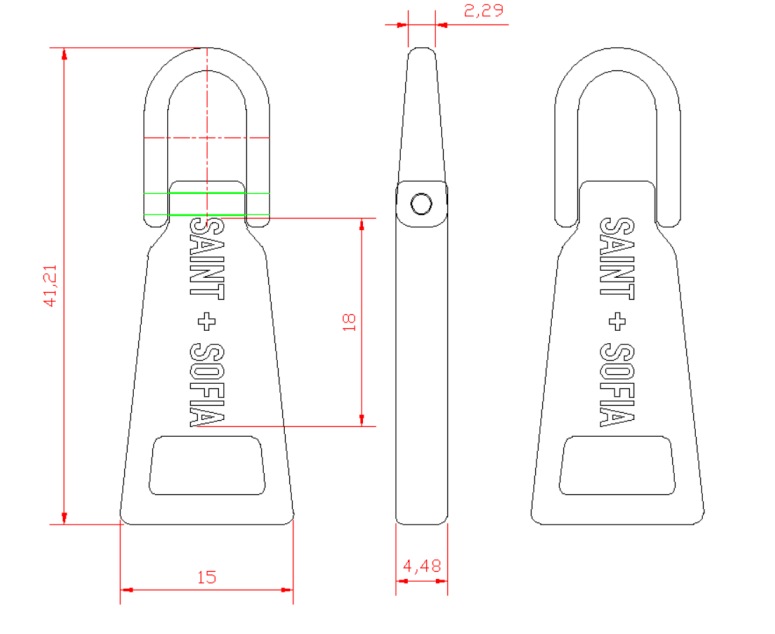
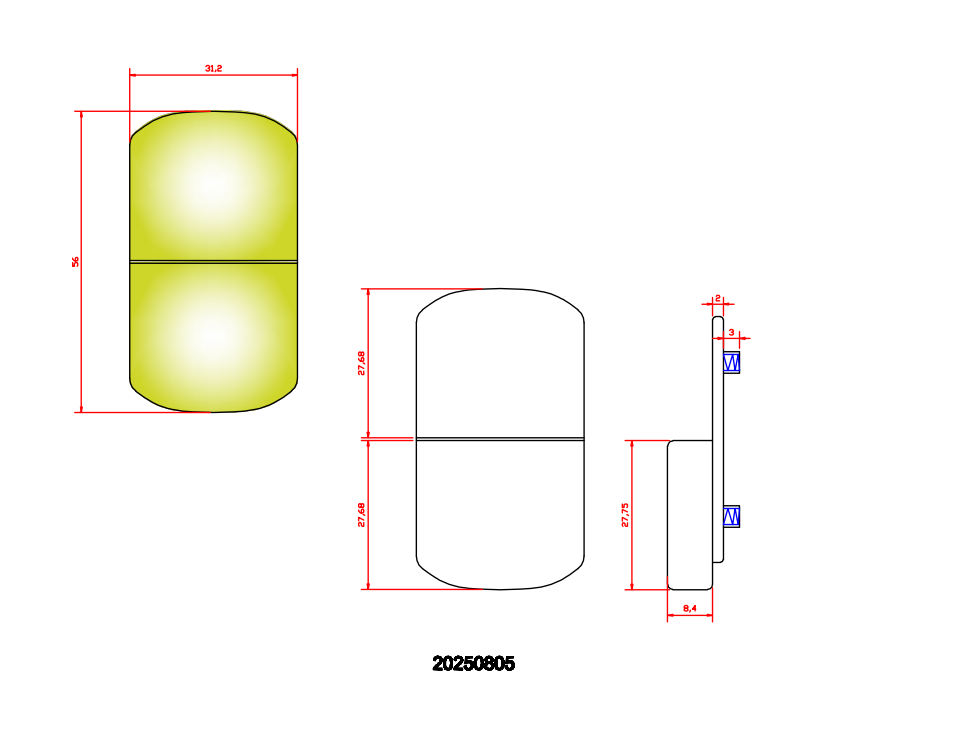
For example, even within the “gold” color category, there are various shades such as matte gold, glossy gold, light gold, and antique gold. For the same hardware model, a deviation of just 0.1 millimeter in thickness or hole diameter can result in assembly issues or poor fit, severely impacting production schedules.
 |  |
Workaround
Procurement requirements must be specified in detail and quantified, with no vague descriptions. Include detailed custom drawings that specify precise dimensions, tolerance ranges, material grades, surface finishes, and color codes.
At the same time, confirm the compatibility of hardware with the thickness of the luggage fabric and leather, and test the assembly results in advance to avoid issues such as specification mismatches or installation failures.
Failing to verify qualifications and blindly selecting partner manufacturers
Frequently Asked Questions
Some buyers focus solely on quotes and samples, neglecting supplier qualifications, production capacity, and quality control systems. Many middlemen do not own their own factories or molding equipment; after receiving an order, they subcontract the work to third parties, resulting in uncontrollable production.
At the same time, some small factories lack environmental certifications and have inadequate quality control processes. The hardware components they produce may contain excessive levels of heavy metals or fail to meet wear resistance standards, causing the finished products to fail quality inspections and rendering them unsuitable for market sale.
Mitigation Strategies
Prioritize source factories with their own mold workshops, complete production lines, and independent quality control departments, and reject intermediaries without production capacity. Before partnering, verify business licenses, environmental certifications, and product test reports.
Conduct on-site inspections of the factory’s production equipment, workshop management, and quality control processes. Consider the factory’s reputation based on past orders and repeat purchase rates to select reliable, long-term suppliers.
Inadequate Mold Agreements Make It Difficult to Protect Rights During Later Model Revisions
Common Issues
Most custom hardware requires the creation of new molds, yet many buyers overlook clauses regarding mold ownership, mold maintenance, and model revision fees when signing contracts. Most assume the factory retains ownership of the molds; as a result, when placing subsequent reorders or making minor design adjustments, they are subject to malicious price hikes and delayed delivery dates.
Furthermore, failure to specify the mold’s service life and maintenance responsibilities can lead to mold wear after prolonged production, resulting in dimensional deviations and burrs on mass-produced hardware that compromise product quality.
Mitigation Strategies
When creating new molds, the contract must clearly specify ownership, usage rights, and maintenance responsibilities. Clearly define the replacement criteria for worn-out molds, restocking cycles, and the fee structure for design changes and minor adjustments.
At the same time, stipulate that dedicated molds are used exclusively for your company’s orders to prevent the factory from using the same molds to supply other customers, thereby safeguarding your product’s competitive edge through differentiation.
Lack of Quality Inspection Standards; Receiving and Acceptance Procedures Are Merely a Formality
Common Issues
Many custom orders simply state “qualified products” in the contract, without specific quality inspection standards or acceptance guidelines. During receipt, only a random check of appearance is conducted, while core performance characteristics—such as wear resistance, rust prevention, load-bearing capacity, and compatibility—are overlooked.
It is only after bulk receipt that issues such as discoloration of hardware, susceptibility to deformation, loose fasteners, and assembly jamming are discovered. At this point, returns and exchanges are time-consuming and labor-intensive, severely delaying the delivery of finished luggage products.
Mitigation Strategy
Establish clear acceptance criteria in advance, covering the four key dimensions of appearance, dimensions, workmanship, and performance. Clearly define color variation tolerances, defect tolerances, load-bearing standards, and corrosion resistance requirements.
During receipt, implement stratified sampling inspections. In addition to verifying appearance, conduct practical assembly tests and abrasion resistance tests. Reject non-conforming batches outright, and clearly define the timeframes for returns and exchanges as well as compensation standards.
Vague Delivery and After-Sales Terms, Insufficient Risk Mitigation
Common Issues
When signing procurement contracts, only general delivery timelines are specified, without clearly defining phased schedules, liability for delays, or after-sales guarantees. Factories often delay delivery due to order backlogs or mold malfunctions, yet face no penalties for breach of contract.
Additionally, since no after-sales warranty period is stipulated, when batch quality issues arise after the main shipment is dispatched, suppliers shirk responsibility, leaving the purchaser to bear all losses.
Mitigation Strategies
Refine the delivery terms in the contract to specify timelines for each phase—mold development, sample approval, mass production, and shipment—and establish a compensation ratio for delays.
Clearly define the after-sales warranty period and stipulate procedures for returns, replacements, and restocking in the event of batch-wide quality issues, along with response timelines, to comprehensively mitigate the risks associated with custom procurement.
Summary
The key to avoiding pitfalls in the procurement of custom luggage hardware lies in standardization, precision, and documentation. The seven key stages—price trade-offs, sample control, parameter definition, supplier vetting, mold agreements, quality inspection and acceptance, and after-sales support—are all interlinked.
Only by moving away from a haphazard procurement approach and refining every customization standard while ensuring every contract clause is implemented can procurement professionals effectively mitigate risks related to quality, delivery times, and costs, thereby ensuring consistent product quality and enhancing the market competitiveness of luggage products.