Where can I find suppliers of hardware accessories for Italian handbags?
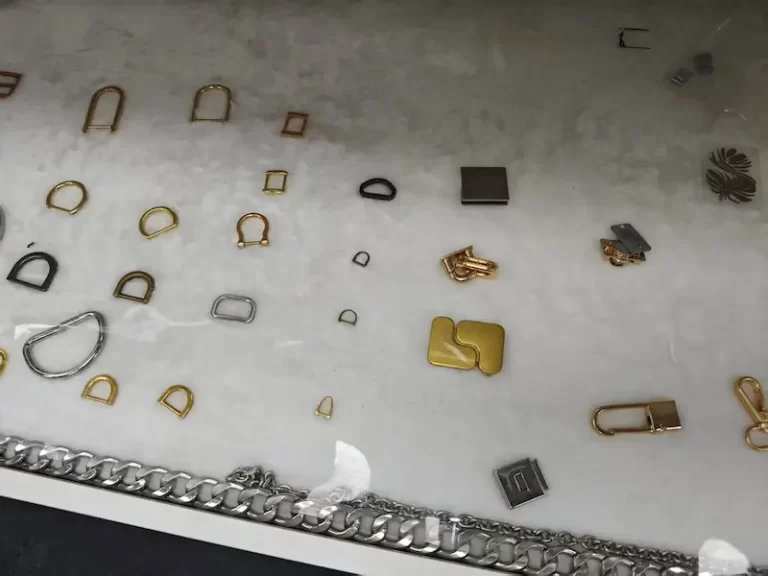
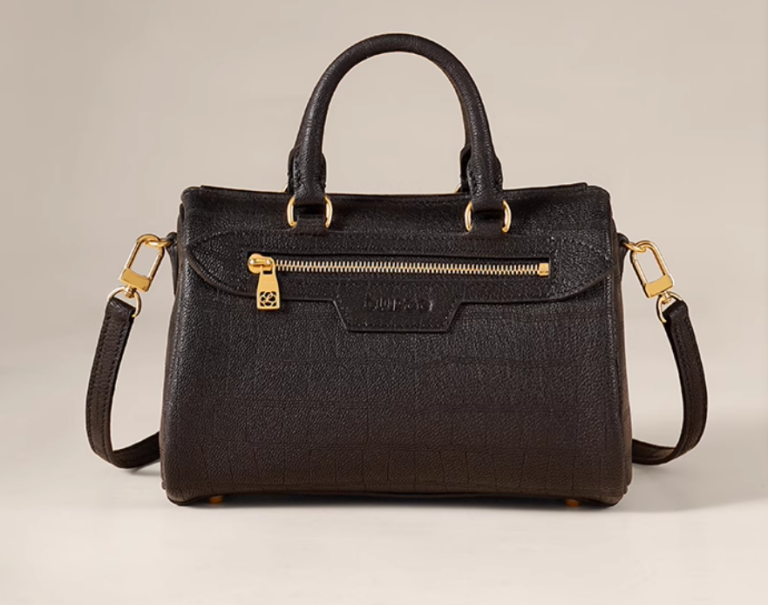
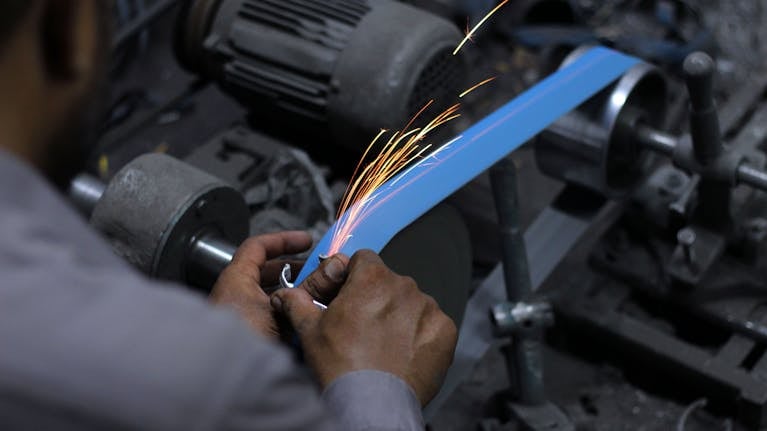
Those in the high-end leather goods and original handbag design industries have likely heard of “Italian hardware” to some extent. Whether it’s a buckle, a D-ring, or a stud, Italian-made hardware—in terms of plating texture, finishing details, and metallic luster—truly stands out from ordinary domestic products with a difference visible to the naked eye. Many “affordable luxury” and luxury handbag brands specifically select hardware from Italian factories for their key components.
However, many people face a very practical challenge: they want to find suppliers of Italian handbag hardware but don’t know where to start. The information found online is scattered and fragmented, making it hard to distinguish between original manufacturers and middlemen; emails often go unanswered; and even when contact is finally established, it’s difficult to understand minimum order quantities, sample lead times, and delivery schedules.
Many beginners mistakenly believe that simply typing keywords into Google will allow them to connect directly with factories, but the reality is far from that simple. Many Italian leather goods hardware manufacturers are small family-run workshops that aren’t skilled at online operations; their websites are updated very slowly, and some don’t even have online stores. They don’t sell directly to consumers but only work with B2B brand clients and don’t accept small orders.
This article takes a down-to-earth approach to clearly explain all the channels for finding Italian handbag hardware suppliers, including online searches, on-site visits to industrial zones, industry trade shows, and sourcing through intermediaries. It also covers communication and negotiation strategies, as well as key tips for avoiding pitfalls, to help you avoid detours and find reliable suppliers. This article is suitable for leather goods manufacturers, designers of original handbag brands, and procurement professionals.
First, understand where Italian handbag hardware is primarily concentrated
Distribution of core industrial clusters—prioritize these regions when searching for manufacturers
If you want to find source factories, you first need to know where Italian leather goods hardware is concentrated—don’t just search aimlessly all over the internet. The Italian leather goods supply chain isn’t all concentrated in Milan; rather, it’s spread across several industrial clusters, with each region’s factories having distinct characteristics.
The first key region is the Marche region, which serves as the heartland of Italy’s leather goods hardware industry
Many well-known factories producing buckles, clasps, and luggage hardware are located here, specializing in die-cast zinc alloy (Zamak) and brass hardware for handbags. The region is home to both large factories with decades of history and numerous small, family-run workshops with exceptional craftsmanship. F.&G. , a long-established buckle manufacturer, is located in this region. With nearly 60 years of experience producing accessories for handbags and belt buckles, it supplies a large volume of products to European fashion brands.
The second is the Lombardy region, near Milan, around Varese and Como.
A representative factory here is Miperval, a family-owned business founded in 1963. It started out specializing in small hardware for luggage and bags, capable of producing brass, bronze, and zinc alloys. The company supports custom mold development and exports extensively to leather goods brands worldwide. Factories in this area tend to focus on high-end customization, excelling in complex designs and demanding electroplating processes; many luxury brands’ partner factories are located in this region.
The third area is Florence and the surrounding region of Prato.
Florence itself is a mecca for Italian handcrafted leather goods, and the surrounding area is dotted with numerous small and medium-sized hardware workshops. Italcerniere, located in Florence, has specialized in handbag clasps, hinges, and zipper pulls for over thirty years. It excels at producing small batches of exquisite components, and many independent designer brands prefer to source niche hardware from workshops in this area. The Macrolotto industrial zone in Prato is not only home to a wide variety of textiles but also hosts a concentration of leather goods accessory suppliers, making it ideal for buyers seeking mid-volume suppliers.
Distinguish between different types of factories and make sure you’re connecting with the right one.
Before looking for a supplier, you should have a clear idea of what you’re looking for. Italian handbag hardware falls into three categories, and depending on your specific needs, the right supplier for you will vary significantly.
Category 1: Large-scale industrial chemical plants.
These facilities are large-scale and fully equipped, capable of handling high-volume orders. They support in-house mold making and have comprehensive quality control systems, ensuring compliance with regulations such as REACH and nickel-free plating. The drawbacks are high minimum order quantities and expensive prototyping fees, making them suitable for established brands with stable, large annual orders. For example, Fibel Group and Miperval fall into this category and serve major luxury fashion brands.
Category 2: Small family-run workshops
Many are run by two generations—father and son—with a small workforce, but they excel at hand-polishing techniques. They specialize in niche, highly artistic hardware components and offer flexible customization; some workshops can accept relatively lower minimum order quantities. The downside is limited production capacity, making them unable to handle large orders. Delivery times are easily affected by worker vacations; with Italy having particularly many holidays, production slows significantly during summer and Christmas breaks.
The third category consists of trading intermediaries and wholesalers
They do not manufacture products themselves but consolidate stock of hardware from multiple factories. They allow for small-batch purchases and can handle customs clearance and logistics on your behalf. The downside is that they mark up prices, so you won’t get the factory’s original quote. This option is suitable for small brands testing the market or obtaining samples, but not for long-term, high-volume production.
A quick tip: Many websites list “Made in Italy hardware,” but this doesn’t necessarily mean they manufacture the products themselves. It’s possible that they’re middlemen who source goods from various factories and resell them to overseas customers. Be sure to ask whether they have their own production lines.
Online Channels: How to Find Italian Hardware Suppliers Without Leaving China
For most domestic buyers, it’s not feasible to fly to Italy right away, so going online is the first step. But don’t just rely on Google Translate for a casual search—your choice of keywords, the platforms you use, and how you write your emails will all directly determine whether you receive a response.
Google Search: Mastering the Right Search Terms
Google is the most straightforward tool, but many people use the wrong search terms, resulting in a flood of domestic and international trade websites. Don’t just search in Chinese for “Italian handbag hardware”; be sure to use a combination of Italian and English in your search.
Here are a few sets of useful search terms:
- English: handbag hardware supplier Italy, bag lock buckle manufacturer Italy, leather goods metal fittings Italy
- Italian: minuteria metallica borse italia, fibbie e chiusure per borse made in italy
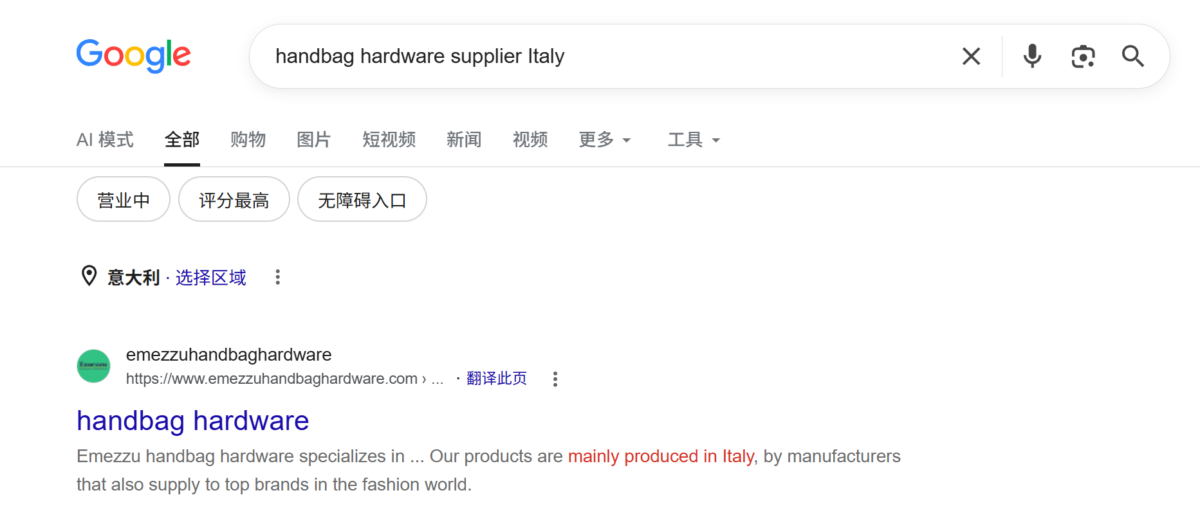
Once you’ve found a match, prioritize visiting the official website. Note that many Italian manufacturers’ websites do not list prices and do not accept direct online orders; you can only view product case studies, contact email addresses, and factory locations. It’s perfectly normal for a website not to have a “Shop” page—they exclusively serve B2B clients.
Once you have their email address, don’t start with a long message in Chinese—Italian manufacturers almost never translate Chinese emails. We recommend writing your email in English, keeping it simple and clear. Be sure to specify: your company name, the hardware you need (latches, D-rings, foot pegs, etc.), material requirements, sample requests, and estimated order volume. Attach drawings or reference images. Never just write, “Please send me your full quote”—such emails are highly likely to be ignored.
A vertical B2B platform that curates certified Italian manufacturers
General international B2B platforms are flooded with Chinese exporters, which can easily lead to confusion; therefore, prioritize B2B websites that focus specifically on the Italian fashion industry.
ItalianModa
This is a B2B platform dedicated to the Italian fashion industry. The platform features exclusively vetted Italian manufacturers, including suppliers of leather goods, fabrics, and hardware accessories. You can directly filter by the “leather goods accessories” category to find handbag hardware manufacturers, view company profiles, and send inquiries directly. After registering for an account, you can also browse the manufacturers’ online product catalogs. On the plus side, all listed companies are based in Italy, so you are less likely to encounter fake Italian suppliers; on the minus side, small and medium-sized workshops dominate the platform, and large factories occupy a relatively small share.
Lineapelle Official Supplier Directory
Lineapelle, also known as the Lineapelle Exhibition, is the world’s most authoritative trade show for leather and leather goods. The official website publishes a complete list of exhibitors, which includes a dedicated “Accessori” section. All participating Italian hardware manufacturers are listed there, along with their official websites, email addresses, and phone numbers. Even if you don’t attend the show in person, you can download the directory to filter suppliers in bulk—it’s essentially an authoritative industry directory. This is highly recommended; the companies listed are all reputable and well-established manufacturers in the industry.
Social Media Research: Finding Contacts on LinkedIn
Many people overlook LinkedIn, but it’s actually a very useful channel. Many Italian factory owners and sales managers have LinkedIn accounts. You can search for keywords like “handbag hardware Italy” to directly find the factory’s business contacts.

Compared to email, LinkedIn direct messages sometimes have a higher response rate. However, don’t ask for a quote right away. Start with a brief self-introduction, explain your company’s business, briefly express your interest in collaboration, and then ask if they can provide a product catalog and email address for further communication. Avoid sending mass direct messages, as this can easily be flagged as spam.
Instagram can also be a useful supplementary resource. Many Italian hardware workshops post photos of finished hardware products and electroplating samples on Instagram. You can find their official websites and email addresses through their profiles, making it ideal for locating niche workshops with strong design aesthetics. However, Instagram is only suitable for viewing samples and is not appropriate for formal procurement discussions.
Overseas Agents and Sourcing Service Providers: Ideal for Teams with No Foreign Language Skills
If your team doesn’t understand Italian, struggles with English communication, and doesn’t want to spend a lot of time screening suppliers, you can engage a local Italian procurement agent or sourcing company. These service providers are familiar with the local supply chain and can screen factories that match your needs, help you establish contact, translate emails, follow up on sample production, monitor delivery schedules, and even assist with product inspections.
There are many Chinese leather goods supply chain agents in Prato and Florence who can help overcome language barriers. However, it’s important to note that agents charge service fees—typically a percentage of the order value. Be sure to clarify the fee structure before partnering with them, and request that the agent provide the factory’s actual contact information to prevent them from marking up prices at every step or passing off domestic goods as Italian hardware.
In-person channels: Trade shows and on-site visits—the most efficient ways to connect
Online communication is ultimately limited by a screen; photos cannot convey the true texture of hardware plating, and back-and-forth email exchanges regarding details are highly inefficient. When budget and circumstances permit, in-person interactions are the best way to identify high-quality suppliers.
Lineapelle Milan Leather Fair (The Most Important Event)
Almost everyone in the leather goods industry knows about Lineapelle. The organizers hold the fair twice a year in Milan—once in February and once in September—and they restrict admission to industry professionals and buyers only; they exclude the general public
The fair brings together the vast majority of Italy’s renowned leather goods hardware manufacturers—from large factories to family-run workshops. You can touch and feel the clasps and fasteners firsthand, compare the polishing and plating finishes from different manufacturers, speak face-to-face with factory sales representatives and technical staff, pick up sample catalogs, and exchange contact information.
Many buyers advise that contacting factories by email online usually draws slow responses, but if you have talked with them face-to-face at the trade show, they will reply to your follow-up emails far more promptly
Practical Tips:
- Register as a buyer on the official website in advance to obtain your admission pass;
- Compile a list of the hardware items you need before you go, and bring reference samples with you;
- Don’t just collect a pile of brochures—briefly discuss your key requirements (materials, plating, estimated quantities) on-site, note which manufacturers meet your needs, and send a follow-up email within 24 hours of the show’s conclusion.
MIPEL Milan Bag and Accessories Fair, Garda Bags
In addition to Lineapelle, there are two other trade shows worth visiting. MIPEL primarily features finished bags, but many hardware and accessory suppliers also exhibit there; Garda Bags, held on the shores of Lake Garda twice a year, focuses on accessories for the leather goods supply chain and is a great place to scout for suppliers while you’re there.
If your schedule is tight, we recommend putting Lineapelle at the top of your list, because these two trade shows are marginally smaller than Lineapelle
Field Visits to Industrial Areas: Going Straight to Factories and Workshops
If you happen to be in Italy and have plenty of time, the most immersive way to explore is to visit industrial clusters directly. Examples include the Marche region, the areas around Varese, and the workshop districts near Florence.
Under no circumstances should you just show up unannounced—Italian factories place great importance on appointments. Schedule a visit in advance via email or LinkedIn to confirm that the relevant staff member is available. Small family-run workshops will most likely turn you away if you arrive without an appointment.
The biggest advantage of on-site visits is seeing the production lines firsthand—including their electroplating workshops and mold-making equipment—to confirm that they are indeed local manufacturers rather than trading companies. At the same time, observing the prototyping process on-site and discussing customization details face-to-face is highly beneficial for long-term collaboration.
The drawbacks are also obvious: it’s time-consuming and involves high travel costs, making it suitable for brands with stable, large orders that plan for long-term, in-depth cooperation. For small-scale startup brands, it’s not necessary to fly over specifically for this purpose.
Two Alternatives: Domestic Intermediaries and the Asia-Pacific Leather Fair in Hong Kong
Not everyone can connect directly with Italian factories online, so here are two alternative options
Domestic Traders Dealing in Italian Hardware in Stock
There are a few leather goods trading companies in Guangzhou and Dongguan that specialize in importing Italian handbag hardware and keep some items in stock. The advantage is that you can order small sample quantities without having to deal with the hassles of overseas communication, customs clearance, international shipping, and foreign currency payments, and delivery is fast.
However, you must be vigilant. First, prices will be significantly higher than purchasing directly from factories. Second, you must request the original factory documentation to verify the hardware’s engravings and craftsmanship, to prevent suppliers from passing off high-quality domestic imitations as Italian imports. If possible, ask for import customs clearance documents to assist with verification. This approach is suitable for early-stage prototyping and small-batch testing by startup brands, but not for large-scale mass production.
APLF Asia-Pacific Leather Fair in Hong Kong
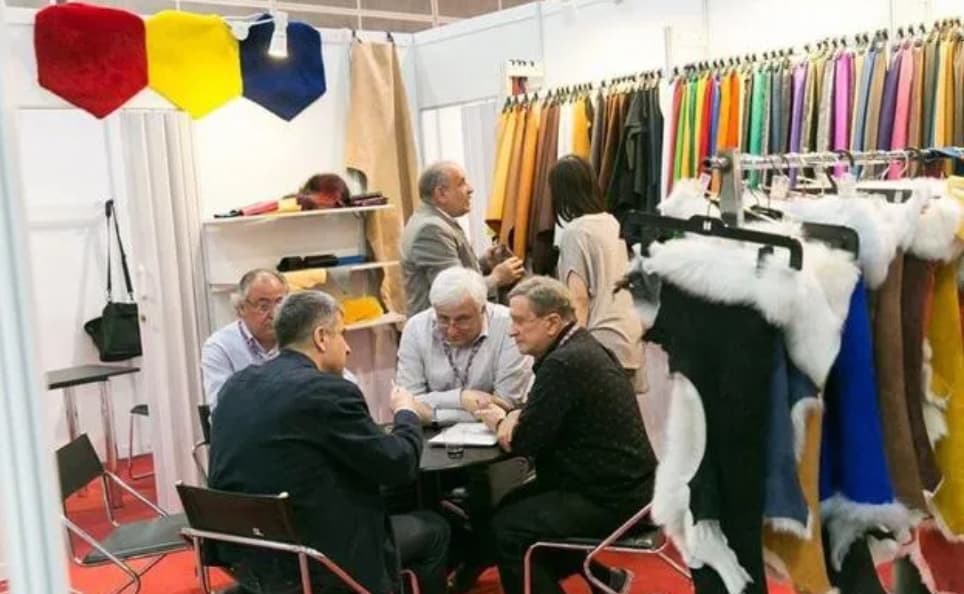
If you don’t want to travel to Europe, the APLF Leather Fair in Hong Kong features annual group exhibitions by Italian manufacturers, and many Italian hardware factories set up booths there. You can view samples and connect with suppliers in person right here in China—it’s a great opportunity to engage with Italian suppliers without leaving the country.
Real Challenges You Must Be Aware of When Dealing with Italian Suppliers
Many people finally manage to find a factory, only to have the partnership fall apart—not because of poor quality, but because they didn’t understand Italian business customs and fell into common pitfalls.
Minimum Order Quantity Thresholds: Distinguishing Between Stock Items and Custom Molded Products
The vast majority of Italian hardware manufacturers do not sell to retail customers. For standard stock items, the minimum order quantity is typically several thousand pieces; if you need a brand-new mold created for custom hardware, the mold-making costs are very high, and the minimum order quantity requirements are even stricter.
Small family-run workshops may have slightly more flexible MOQs, but they still won’t produce just a few dozen pieces for you. If you only need a few hundred pieces per style, approaching a large factory will likely result in a rejection; instead, prioritize small-to-medium-sized workshops or contact a trading company for stock items.
A word of advice: don’t start by asking, “Can you make 100 snap fasteners?” Most factories will simply ignore such requests. Instead, be honest about your situation—for example, mention the quantity of your current sample order and your estimated annual order volume for the future. Many factories are willing to accept a sample fee to produce a prototype for you, with the expectation of a subsequent bulk order.
Lead Times: Be Aware of Delays Due to Holidays
In China, hardware prototyping typically takes 7–15 days, and mass production takes 3–4 weeks; in Italy, the process is much slower. Prototyping often takes 3–6 weeks, and mass production taking 6–12 weeks is considered normal.
Also keep in mind that Italy has a huge number of holidays: the entire country takes a summer break in August, and many factories shut down for the entire month; there are also widespread production stoppages around Christmas. If you place an order in August, it’s very likely to be delayed by more than a month. When scheduling production, be sure to factor in these holidays—don’t expect them to follow the same pace as the domestic supply chain.
Quotes and plating standards must include clear details.
Italian factories often list only the base metal price in their quotes, and they charge separately for special plating, nickel-free treatments, REACH compliance testing, packaging fees, and mold fees. We advise you never to focus solely on the total price; when you confirm via email, make sure you state everything clearly in writing.
- Metal substrate: brass or Zamak zinc alloy;
- Plating color, plating thickness, whether nickel-free, and compliance with REACH standards;
- Mold costs and ownership of the molds;
- Prototyping lead time and mass production delivery schedule;
- Trade terms (FOB or CIF), who bears the freight costs, and payment terms.
Many conflicts arise from verbal communication, and subsequent disputes lack supporting documentation. Therefore, all key information must be documented via email.
Samples are not the same as production runs—always place a trial order first.
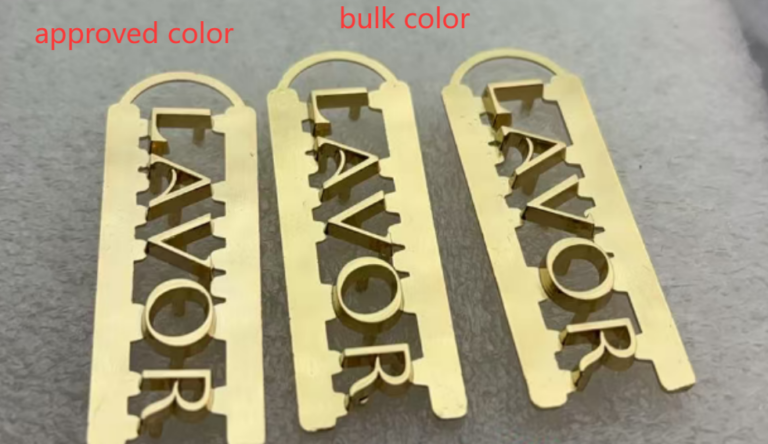
Even if the sample’s finish is stunning, do not place a large order right away. Italian factories can also experience color variations in plating and fluctuations in defect rates during production runs. Prioritize small-batch trial orders; once you receive the goods, conduct a quality inspection to confirm that the plating and dimensions meet all standards before placing a large order.
Guide to Avoiding Pitfalls: These Are the Pitfalls That Novice Buyers Often Fall Into
Beware of “Fake Italian Hardware Suppliers”
Many websites claim to be Italian factories, but in reality, they’ve simply registered an Italian company while outsourcing all production to Asia. How can you tell the difference? Look at photos of the actual factory premises to see if there are local production lines, and request the factory’s registration information. If possible, ask for a video tour of the production floor. Don’t just rely on a few attractive product photos on the website.
Don’t Just Chase the Lowest Price
Italian hardware is inherently expensive due to the costs of brass raw materials, labor, and electroplating processes. You should treat a supplier’s quote with great suspicion when it falls significantly below the industry average, because they have very likely compromised the base material or skimped on the electroplating process, leaving the finish vulnerable to fading and oxidation. For high-end hardware, the thickness and quality of the plating are the core of its value.
Don’t rely on machine translation for long passages of text when communicating.
Avoid pasting long blocks of machine-translated Italian directly into emails—machine translation can easily lead to ambiguities. Prioritize concise English. When writing inquiry emails, avoid lengthy explanations; instead, attach drawings and images, and list specifications clearly so the recipient can quickly understand your needs.
Distinguishing Between Off-the-Shelf and Custom Products
Off-the-shelf products are styles the factory already has in stock; they do not require new molds, have short lead times, and are low-cost. Custom products require mold making, which is more expensive and takes longer. For a brand that is just getting started, we recommend working with the factory’s existing styles and making only minor surface-finish changes—this provides much greater value than investing in entirely new molds
Summary: The Most Appropriate Approach to Finding Suppliers for Different Needs
Finally, here’s a brief overview of how to choose the right channel based on your specific circumstances.
Established brands with stable, high-volume orders seeking custom hardware: Prioritize attending the Lineapelle trade show to obtain a directory for screening large manufacturers; schedule meetings via email; and, if conditions permit, conduct on-site visits to industrial zones.
Small and medium-sized brands with moderate order volumes that seek Italian craftsmanship but have limited budgets: Use Google and ItalianModa online to discover small and medium-sized family-run workshops, or connect with manufacturers at the APLF trade show in Hong Kong. Prioritize making minor adjustments to the factory’s existing designs to reduce mold-making costs.
We prioritize sourcing ready-made stock from reliable domestic import traders for our startup brands, which focus on pattern making and small-batch testing with very small orders. We do not recommend directly contacting Italian manufacturers, as their minimum order quantities rarely accommodate small orders.
Those with no knowledge of foreign languages and no overseas sourcing experience: Find a reliable local Italian sourcing agent, but agree on service fees in advance and verify the factory’s actual information to avoid excessive markups by middlemen.
There’s no quick fix for finding the right Italian handbag hardware supplier. It’s not enough to just find an email address—you can’t cut corners at any stage of the process, from screening suppliers to communicating with them, testing samples, and placing trial orders. Italian hardware excels in craftsmanship and the texture of its plating, but it also comes with higher costs, longer lead times, and minimum order quantity requirements. It’s essential to choose a supplier that aligns with your brand’s order volume and budget, rather than blindly relying on the “Made in Italy” label.