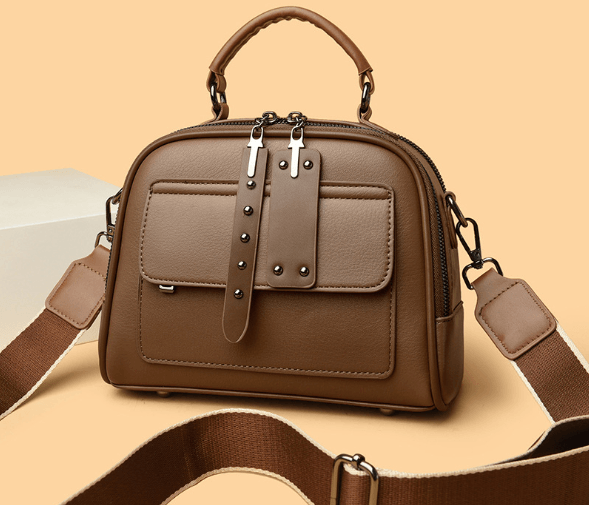
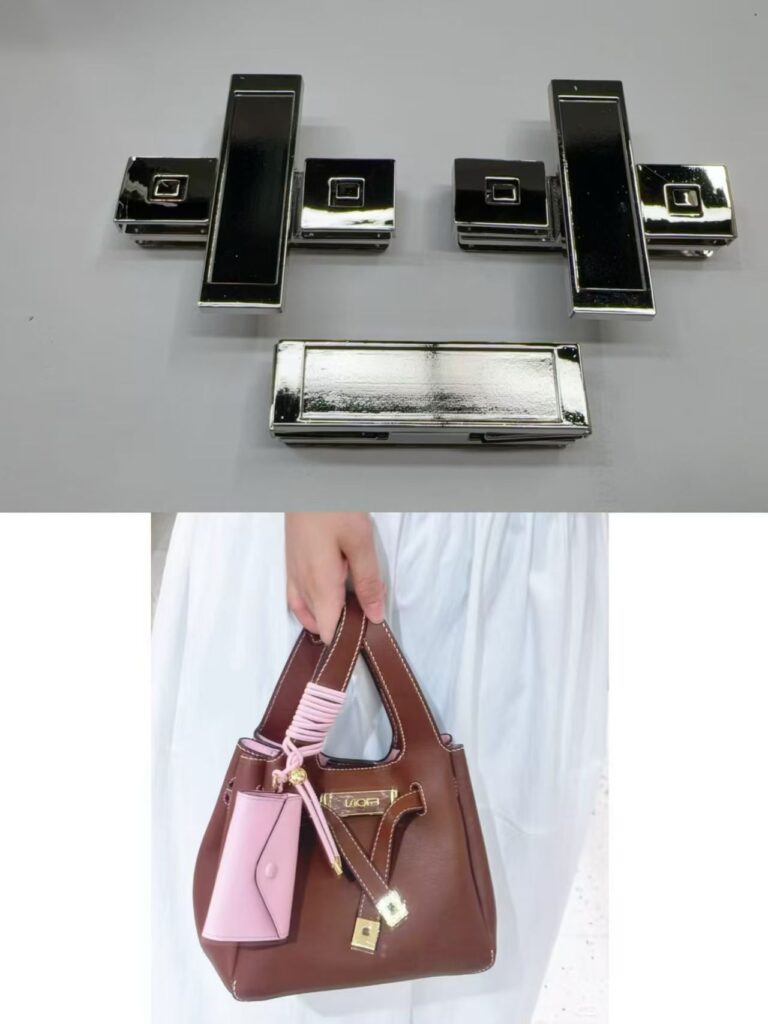
Why Do High-Quality Luggage Hardware Components Wear Out and Fade Easily?
Luggage is a necessary piece of equipment for everyday living that not only holds possessions but also expresses the user’s personal preferences. The hardware elements of luggage, including hinges, buckles, zippers, and ornamental pieces, frequently act as the focal point of the entire design. Even premium baggage hardware, however, is subject to deterioration and discoloration, according to numerous customers. Why is this the case? The causes of wear and discoloration in high-quality luggage hardware will be examined in this article from four angles: usage precautions, manufacture protection measures, clear coating application, and salt spray testing. Additionally, it will offer pertinent remedies. This essay, which is over 3,000 words long, attempts to provide readers a better grasp of this phenomenon.
Salt Spray Testing: The Cornerstone of High-Quality Hardware Protection
A crucial standard for assessing the corrosion resistance of luggage hardware is salt spray testing. To guarantee longevity in challenging conditions, high-quality hardware components usually need to pass a salt spray test that lasts longer than 48 hours. However, why might hardware that passes such a test nonetheless deteriorate or fade? We must first comprehend the requirements and restrictions associated with salt spray testing.
Salt Spray Test Conditions
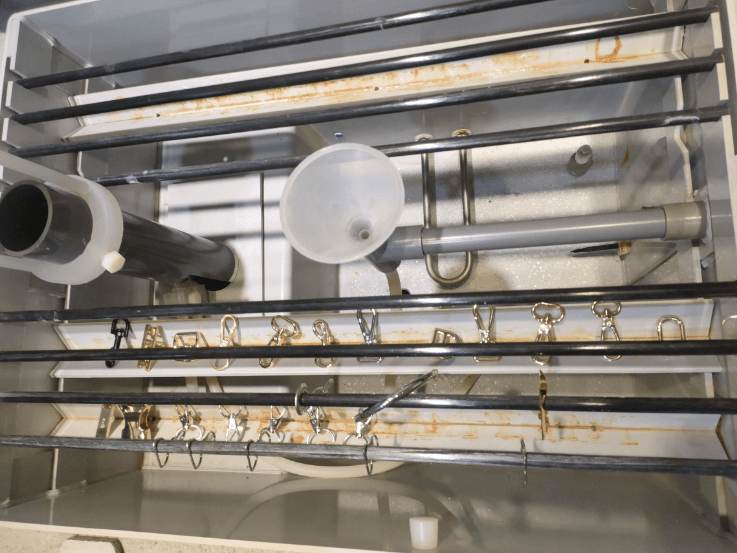
Salt spray testing is an accelerated test method that simulates chloride ion corrosion in marine or industrial environments. Test conditions typically include the following parameters:
Test Solution: To replicate the corrosive effects of salt in natural settings, a 5% sodium chloride (NaCl) solution with a pH regulated between 6.5 and 7.2 is utilized.
Temperature Test: To speed up corrosion reactions, it is kept at a steady 35°C ± 2°C.
Spraying Method: Salt mist is uniformly dispersed onto test specimen surfaces via compressed air, with a typical spray rate of 1-2 mL/h per 80 cm².
Test Duration: To assess long-term corrosion resistance, high-quality hardware must be exposed for more than 48 or even 72 hours.
Evaluation Criteria: Specimens must not exhibit significant blistering, flaking, or rusting after testing. It is OK to have only minimal pitting corrosion or discolouration.
Limitations of Salt Spray Testing
Salt spray testing can accurately forecast a piece of hardware’s ability to withstand corrosion, but it is not able to recreate real-world operating conditions. In contrast to the test’s primary focus on chloride ion corrosion, hardware may come into contact with a variety of corrosive substances in daily living, including perspiration, makeup, and rainwater. Additionally, because salt spray testing is a static process, it cannot simulate the impact, friction, or temperature changes that occur during real-world use. Because of the cumulative impacts of several causes, hardware may still experience wear and discolouration in complex usage situations, even if it passes a 48-hour salt spray test.
The Relationship Between Salt Spray Testing and Wear/Fading
Superior hardware Its substrate and coating’s ability to withstand corrosion is demonstrated by passing salt spray tests. On the other hand, inadequate testing time or loose testing guidelines might not uncover fundamental hardware flaws. For example, during salt spray testing, poor substrate treatment (e.g., uneven electroplating thickness) could only show small problems. However, with continued use, these issues progressively manifest, resulting in wear and discolouration. As a result, a 48-hour salt spray test is only one measure of hardware durability; a thorough analysis taking into account additional variables is necessary to determine true lifetime.
In conclusion, salt spray testing is not a cure-all but does offer vital assurance for hardware durability. Customers should check if brands publish testing standards when choosing luggage and take into account extra safety precautions to evaluate the overall quality of the gear..
Applying Clear Coat: Balancing Protection and Aesthetics
Applying clear coat is one of the key processes for preventing wear and color fading in luggage hardware. It not only enhances the hardware’s appearance but also forms a protective layer that isolates it from external corrosive agents. However, if the paint parameters are substandard or the application is improper, it can actually accelerate wear and color loss. The following details the parameters of clear coat and their impact on hardware durability
Key Parameters for Clear Coat Paint
A number of factors, including as composition, adhesion, thickness, viscosity, and hardness, affect how well clear coat paint performs. Typically, epoxy or polyurethane-based coatings with the following specifications are used in high-quality luggage hardware:
Composition: To improve aging resistance, the paint should include curing agents, corrosion-resistant resins (like epoxy), and additives (like UV absorbers).
Viscosity: To guarantee uniform coverage and avoid sagging or orange peel effects, maintain a viscosity of 15–25 seconds (based on Cup No. 4) during spraying.
Dry Film Thickness: 15–25 microns is the optimal thickness. While too thick could lead to peeling or cracking, too thin could provide insufficient protection.
Hardness: According to ASTM D3363, pencils must have a hardness of 2H–3H in order to resist daily abrasion
Adhesion: Receives a score of 0-1 (no peeling) on the cross-hatch adhesion test (e.g., ASTM D3359).
Chemical Resistance: After testing, it doesn’t discolor or peel when exposed to common chemicals like alcohol, perspiration, and weak acids and alkalis.
Impact of Spraying Process
Paint’s ability to provide protection is directly impacted by the spraying procedure. Automated spraying lines are used by high-quality hardware to provide consistent coverage. However, poor environmental control—such as high humidity or temperatures—can degrade the protective layer by causing paint to develop pinholes or bubbles. The curing procedure is also crucial; in order to create a dense film layer, paint must cure for 20 to 30 minutes at 80 to 100°C. Overcuring results in brittleness and cracking, whereas insufficient curing produces soft, easily worn paint.
Correlation Between Clear Coat Wear and Fading
Wear and fading of clear coats are frequently caused by inadequate parameters or flaws in the process. For example, inadequate adhesion results in edge peeling that reveals the substrate, whereas inadequate hardness produces quick abrasion during daily contact. Inadequate UV absorbers can also result in chalking or yellowing when exposed to sunlight.
In summary, clear coat application is a critical factor in hardware durability. Brands must strictly control paint parameters and processes, while users should prioritize maintenance to extend hardware lifespan.
Production Protection: The Critical Role of Transparent Tape
Although they are crucial for avoiding wear and colour fading, protection measures for luggage hardware are sometimes disregarded during manufacture. Among these, applying clear tape for protection is a popular yet very successful method. Why does production require this kind of protection? What effect does it have on the hardware’s ultimate quality? A thorough analysis will be given in this section.
Purpose of Transparent Tape
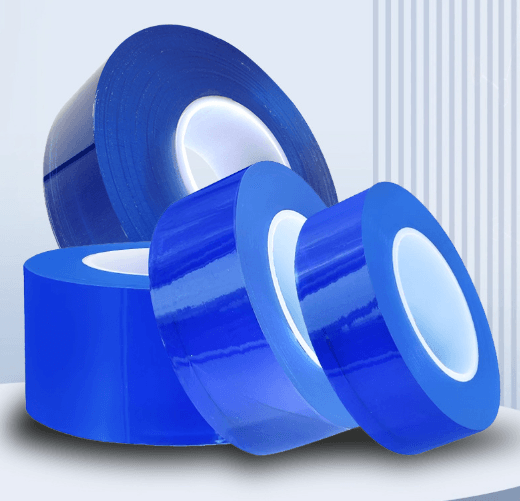
Hardware parts may be subjected to several handling, stitching, and packaging procedures throughout baggage assembly. This leaves them vulnerable to friction with tools or other components, which may result in scratches or coating damage. Hardware components are covered with transparent tape, usually composed of PET or OPP, to create a temporary barrier that guards against chemical contamination and physical harm. For instance, the tape shields the plating layer from needle scratches during zipper sewing and shields the paint from contamination prior to its complete curing after spraying.
Transparent Tape Specification Requirements
The following requirements must be fulfilled by high-quality transparent tape used in production:
- Material: Low-adhesion PET tape that leaves no residue after removal, with an adhesive strength regulated at 3-5N/25mm..
- Thickness:The base material is between 0.05 and 0.08 mm thick, offering sufficient protection without interfering with functionality.
- Temperature Resistance: Adapts to industrial conditions by withstanding brief high temperatures (up to 80°C).
- Transparency: High transparency facilitates workers’ inspection of hardware surface conditions
Consequences of Improper Protection
Micro-scratches or stains may appear on the hardware surface if transparent tape is not utilized or is placed incorrectly during manufacturing. Although these flaws are hard to spot at first, they weaken the hardware’s ability to withstand corrosion, which speeds up wear and color fading over time. A little scratch, for example, could break the plating layer’s continuity, exposing the base material to moist air and causing rust to form. Transparent tape is therefore a crucial part of quality control in addition to being a production detail.
Implications for Consumers
When buying baggage, buyers can check the hardware surfaces for minor damage or any remaining protective film to determine the quality of the product. This strategy can even be used while the device is being used; for example, tape can be used to temporarily shield hardware from wear while traveling.
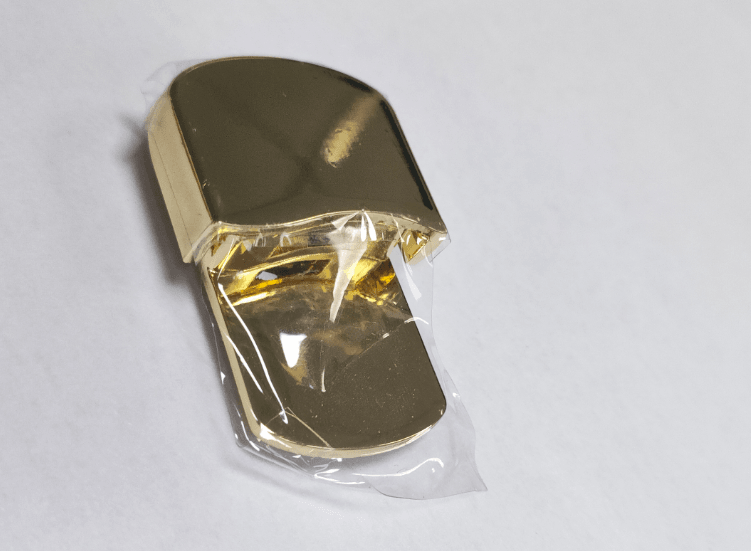
In conclusion, the first line of defense for the durability of hardware is production protection. This procedure should be given top priority by brands, and customers should understand that fine baggage is the result of careful workmanship management..
Use Caution: Steer clear of corrosive materials
Even with strict testing and safe manufacturing procedures, baggage hardware can quickly wear out and discolor if it is not properly maintained while in use. It’s important to stay away from really caustic materials. Common corrosive elements are listed, their effects are examined, and usage advice is given in this section.
Common Corrosive Substances
During regular use, hardware parts in bags and baggage may come into contact with a variety of corrosive substances, such as:
- Sweat: Consists of acidic and salty substances. Long-term exposure can discolor plating layers by corroding them..
- Cosmetics: Alcohol, oils, or chemical solvents that remove paint or plating layers are frequently used in products like lotions, sunscreen, and perfume.
- Rainwater and Air Pollutants: Chemical corrosion can be caused by sulfides or chloride ions in industrial air.
- Household Cleaners: Bleach and acidic cleaners can cause quick fading when they come into direct touch with skin
Analysis of Corrosion Mechanisms
Through chemical or electrochemical processes, these chemicals deteriorate the surfaces of hardware. For example, solvents in cosmetics may weaken paint coatings, making them more vulnerable to abrasion; and chloride ions in perspiration can create galvanic reactions with metal substrates, speeding up the formation of rust. Even if premium hardware has protective coatings, extended or intense contact can nevertheless overcome these coatings’ defenses.
Usage and Maintenance Recommendations
Users should take the following actions to increase the longevity of their hardware:
- Daily Cleaning: Avoid using chemical cleaners and use a gentle cloth to wipe away dust or sweat stains from hardware.
- Dry Storage: To stop moisture from hastening corrosion, keep luggage in a dry area.
- Avoid Exposure: Reduce the amount of time spent in the rain or the sun.
- .
- Regular Inspection: Quickly detect and fix minor damage, such as by using specialist care products for repairs.
Dual Insights for Brands and Consumers
Brands should educate users on maintenance through labels or instructions, while consumers must cultivate proper usage habits. Only through joint efforts can the durability of hardware be maximized.
In conclusion, the last line of defense against deterioration and discoloration is in-use protection. We can greatly increase the luggage hardware’s lifespan by keeping it away from corrosive materials
Conclusion
The wear and discoloration of high-quality luggage hardware stem from multiple factors, involving production testing, manufacturing protection, and usage maintenance. Salt spray testing provides foundational corrosion resistance, yet real-world environments are far more complex. Transparent paint spraying enhances protection but relies on strict parameter control. Transparent tape protection during production demonstrates meticulous attention to detail, preventing initial damage. Meanwhile, usage precautions are key to extending product lifespan. As consumers, understanding these factors not only helps us select more durable luggage but also reduces issues through proper usage. Moving forward, brands and users should collaborate to comprehensively enhance hardware durability—from technology to habits—ensuring luggage retains its luster through the passage of time.
Through this 3,000-word analysis, we hope readers gain a more comprehensive understanding of the causes behind luggage hardware wear and discoloration, enabling them to take effective measures in daily life to protect these intricate details.