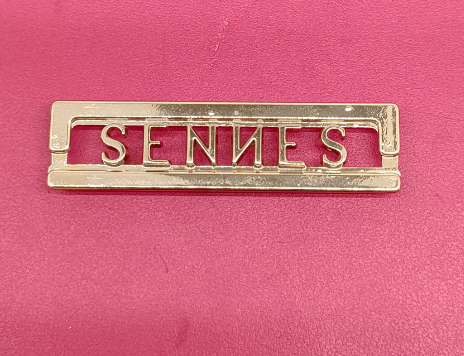
How to Choose the Right Hardware Fittings for Different Types of Luggage (Practical Guide to Procurement and Selection)
The durability, user experience and aesthetic appeal of finished luggage and bags are largely determined by the hardware fittings used. For luggage manufacturers, leather goods brand design teams and international trade buyers, selecting hardware is by no means simply a matter of choosing a particular style; it requires a comprehensive assessment that takes into account the product’s intended use, load-bearing capacity, target customer base and export environmental standards.
Luggage and bags on the market can be categorised into seven major types based on their functional use: business briefcases, ladies’ fashion shoulder bags, rucksacks, outdoor and hiking bags, pet carriers, tool storage bags, and high-end gift-box leather goods. Different categories of luggage and bags vary greatly in terms of load-bearing capacity, frequency of opening and closing, exposure to the elements, and usage environments, and consequently require specific latches, connectors, rivets, bases and labels—in terms of specifications, materials and surface finishes.
Many novice buyers base their selection solely on the appearance of samples, overlooking core metrics such as load-bearing capacity, abrasion resistance, environmental compliance and corrosion resistance. This leads to issues in mass production, such as hardware breaking easily, colour fading, allergic reactions, failure to pass export inspections and bulk returns from customers, significantly increasing production costs and after-sales losses. Drawing on years of B2B supply experience from source factories, this article breaks down the hardware selection criteria, material combinations, manufacturing processes and component configuration schemes for seven major functional bag categories. It addresses the dual requirements of bulk procurement for domestic brands and ROHS-compliant export orders, providing leather goods designers and factory procurement managers with practical, actionable guidance for product selection.
Selection Criteria for Metal Fittings in Business Briefcases and Laptop Bags
Business briefcases and laptop bags are designed for professionals, with usage scenarios primarily centred on indoor office work and short commutes. Key requirements include: a simple, understated appearance; smooth opening and closing mechanisms; stable load-bearing capacity; hardware fittings free from sharp burrs; resistance to oxidation during long-term indoor use; and compatibility with corporate branding and custom logo requirements.
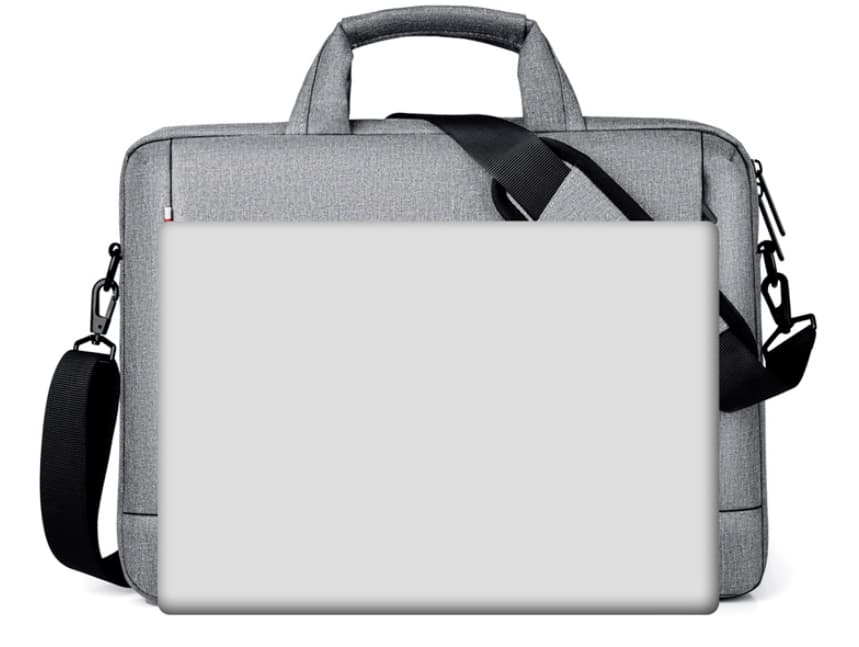
Essential Hardware Checklist
- Closure mechanisms: Small magnetic clasps, push-button luggage clasps
- Shoulder strap attachments: Small D-rings, half-round buckles, standard dog clips
- Reinforcement fittings: Thin corner protectors, small eyelet rivets
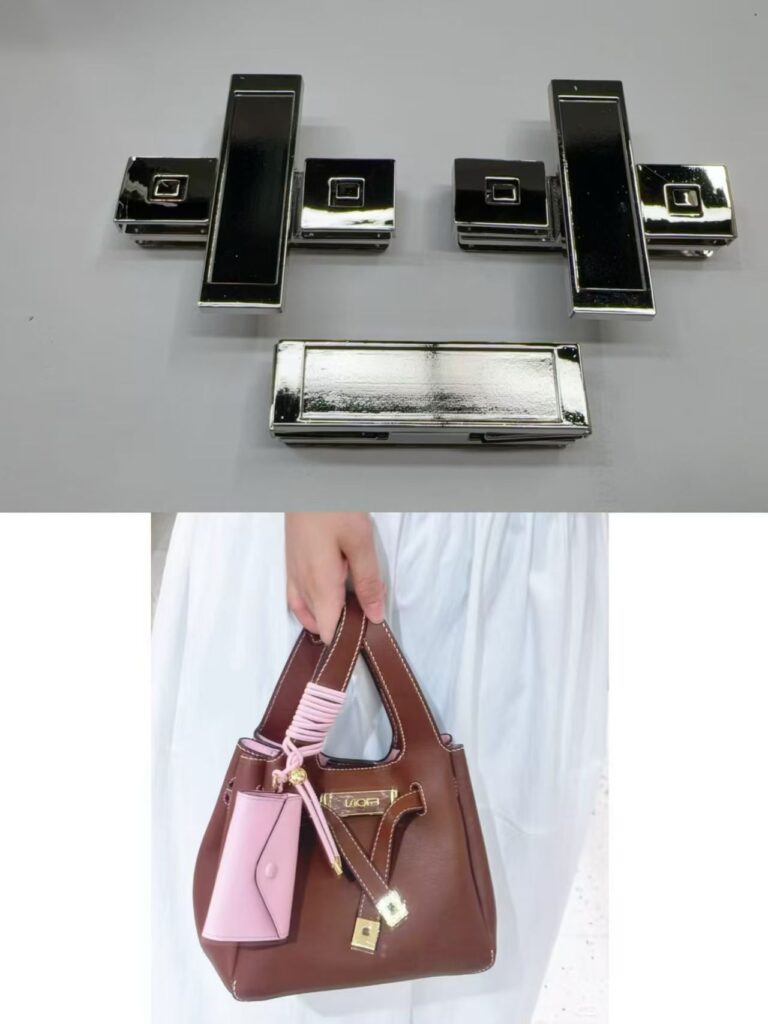
- Brand identifiers: Metal nameplates, customised hardware with laser-engraved logos
Choosing Material Combinations
Mid-to-low-end bulk briefcases: Featuring cold-rolled iron hardware fitting, these offer controllable costs and are suitable for bulk procurement by affordable leather goods factories operating offline. For the surface finish, nickel plating or black electrophoretic coating are the preferred options, as they provide a subdued metallic sheen that aligns with a minimalist, business-oriented aesthetic. The iron harware fittings are suitable for use in dry indoor environments; however, prolonged exposure to damp conditions may lead to oxidation spots, so they are not recommended for export orders destined for coastal, rainy countries.
Mid-to-high-end branded briefcases and export-oriented business leather goods: Primarily zinc alloy, with brass available for certain logo plaques. The one-piece moulded zinc alloy buckles and D-rings feature a robust construction; edges and corners can be passivated and polished to eliminate sharp edges, preventing scratches to leather surfaces and electronic device casings; Brass plaques have a refined texture and, following electroplating, exhibit a sophisticated metallic lustre, making them well-suited to the customisation requirements of mid-to-high-end business brands. Eco-friendly alloy materials can serve as a compromise, balancing cost considerations with basic environmental testing requirements.
Surface Finish Guidelines
For business luggage, avoid high-gloss and vintage-style finishes; give priority to matt finishes.
- Electroplated nickel: a matt silver finish that complements a wide range of black, coffee-brown and grey briefcases; it is resistant to scratches and is a standard finish for business bags;
- Electrophoretic black: a pure matt black finish with a minimalist business style, suitable for laptop bags;
- Light brushed finish: Used on metal nameplates to enhance refinement; intended for small areas only and not recommended for large-scale application on buckles or fastenings;
For business orders exported to Europe and the US, all hardware fittings are uniformly treated with hypoallergenic, eco-friendly plating that complies with ROHS hazardous substance testing standards, thereby mitigating the risk of goods being detained at customs.
Key Points for Avoiding Pitfalls in Procurement
The shoulder straps of briefcases typically bear a load of 3–5 kg; D-rings and dog clips do not require heavy-duty, reinforced versions, and standard thicknesses are sufficient; excessive reinforcement would increase material costs;
For fastenings, select built-in magnetic closures with moderate holding power; if the magnetic force is too strong, opening and closing the bag becomes difficult; if it is too weak, the lid may accidentally come loose whilst walking, posing a risk of the laptop inside being knocked or bumped;
Rivets and the edges of the corner protectors must be rounded and smoothed; sharp hardware fittings will wear down the PU leather or genuine leather body of the bag, leading to complaints of fabric damage following prolonged use.
Selection Guide for hardware Fittings for Women’s Fashion Shoulder Bags and Clutches
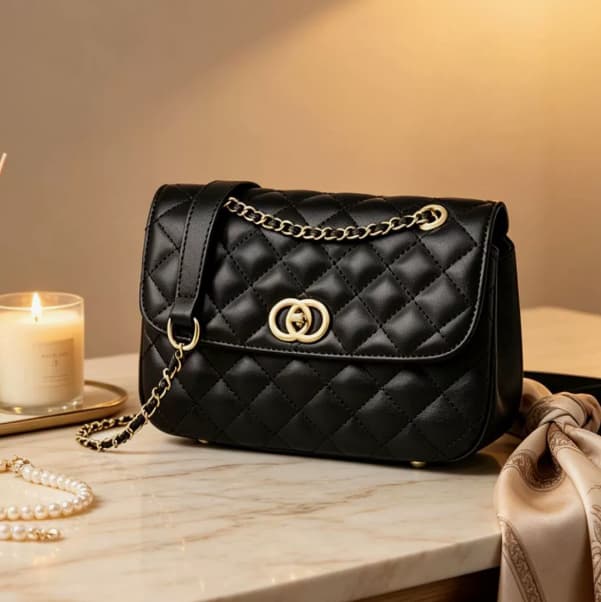
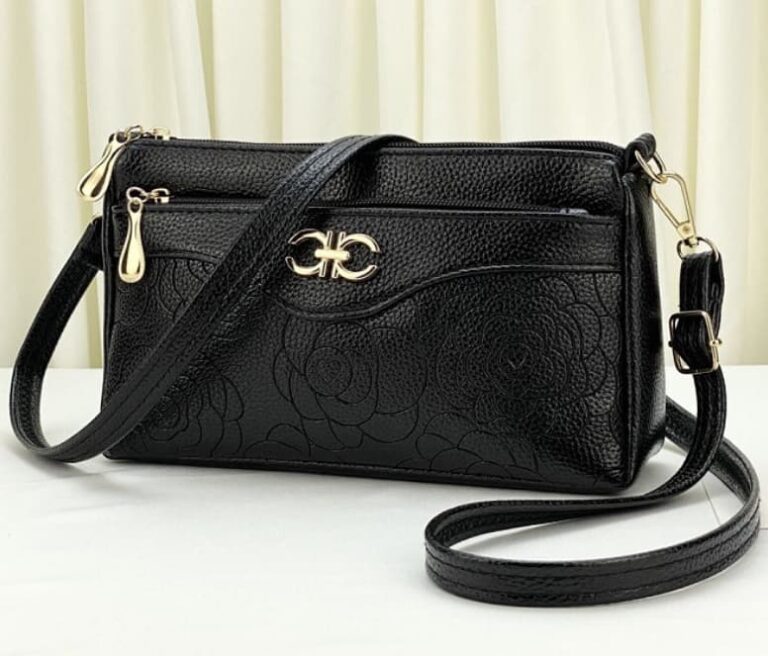
Women’s handbags, clutches and chain-strap mini-bags are classified as fashion-oriented accessories; their hardware fittings serve both functional and decorative purposes, with design taking precedence over load-bearing capacity. They are intended for use whilst shopping, on dates and for everyday outings. Key requirements include a wide variety of styles and silhouettes, a diverse range of electroplated finishes, lightweight and compact designs, and the option for custom moulding to match each season’s fashion trends.
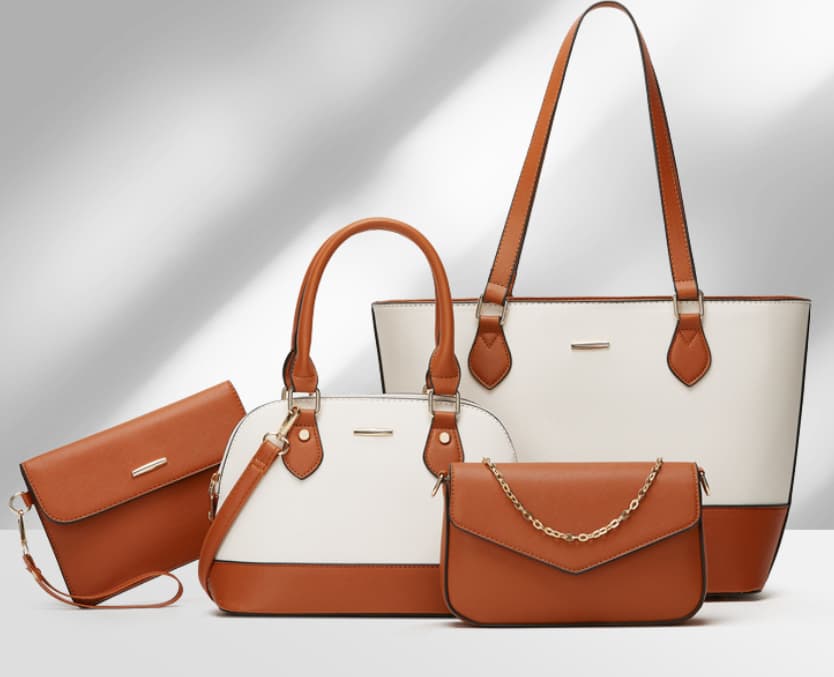
Essential Hardware Checklist
- Closure Hardware: Custom-shaped magnetic clasps, twist locks, push-lock bag fasteners
- Shoulder Strap Connectors: Slim D-rings, mini square buckles, small spring-loaded dog clips
- Decorative and Reinforcing Hardware: Decorative rivets, compact corner protectors, chain connectors
- Brand Embellishments: Custom-shaped logo hardware plaques, customised metal lettering components
Materials and Their Applications
Affordable fast-fashion women’s handbags: Primarily made from zinc alloy, with moderate moulding costs, allowing for complex designs such as curved, openwork and irregular shapes. Styles are updated rapidly, making them suitable for the mass production of new seasonal collections;
Mid-to-high-end genuine leather women’s handbags sold in physical retail outlets: Paired with brass hardware fittings; brass offers high malleability, and antique bronze or black gold plating techniques create a distinctive vintage aesthetic. It is resistant to extensive colour fading with long-term use and is the preferred choice for repeat purchases of branded items;
Low-cost women’s handbags sold at street stalls: Featuring iron fastenings, these are suitable only for short-term use and are not recommended for long-term, stable brand orders, as they are highly prone to colour fading and rusting in damp environments.
Eco-friendly alloys are commonly used in cross-border trade orders for budget-priced women’s handbags. They are less expensive than brass, pass basic environmental testing, and are suitable for small-batch orders in cross-border e-commerce.
Approaches to Combining Diverse Surface Finishes
There is greater freedom in selecting hardware fitting finishes for ladies’ handbags, which can be matched to the style of the bag:
- Affordable luxury handbags: nickel plating and light gold plating, with a soft sheen;
- Vintage-style leather handbags: antique bronze and black gold plating, with a distressed finish to enhance the vintage atmosphere;
- Niche ‘dark’ style handbags: electrophoretic black and matt spray finishes, for a low-key, niche look;
All hardware fittings that come into direct contact with the skin—such as clutch bag clasps and shoulder strap buckles—must use hypoallergenic, eco-friendly plating for all export orders to minimise after-sales issues relating to skin allergies.
Key Considerations for Selection
Decorative hardware features a lightweight, slim design and suits only small shoulder bags and clutches. We must not use it on large-capacity women’s handbags designed for heavy loads, because heavy loads deform or break the fastenings.
For customised, trendy, irregularly shaped hardware, it is necessary to liaise with the factory in advance to arrange mould making, allowing for a production lead time of 10–15 days; procurement during peak seasons requires advance planning to ensure sufficient stock;
Chain connectors and small rivets are relatively diminutive; during production, ensure that the hole diameters of the fittings match the thickness of the fabric to prevent misalignment when drilling holes during assembly.
Selection Criteria for Hardware Components in Rucksacks and School Bags
Load-bearing capacity and fatigue resistance dominate the key performance indicators for rucksacks, school bags, and large-capacity commuter rucksacks. The hardware must withstand the weight of books and everyday items over the long term and endure extremely frequent opening, closing, and pulling—so we place strict requirements on its hardness and structural integrity. We divide these products into two distinct segments: children’s and students’ rucksacks, and adult commuter rucksacks.
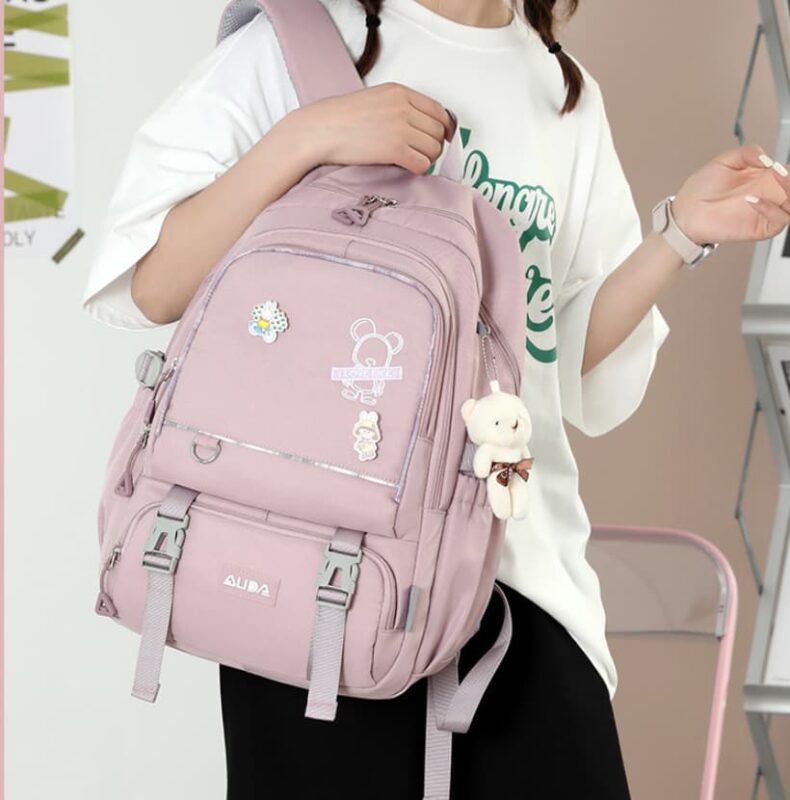
Essential Hardware Checklist
Strap Adjustment: Webbing buckles, adjustable buckles, reinforced D-rings
Closure Fastenings: Strong magnetic clasps, plastic-edged metal buckles
Bag Reinforcement: Reinforced eyelet rivets, wide corner protectors, bag base plates
Branding Accessories: Wear-resistant metal nameplates, simple stamped logo hardware
Mandatory Material Selection Criteria
We do not recommend thin iron hardware fittings for rucksack hardware; we give priority to the following two materials:
Standard adult commuter rucksacks: Standard-thickness zinc alloy, one-piece die-cast buckles with stable tensile strength; these are unlikely to deform when carrying 5–10 kg of items on a daily basis;
Children’s school bags and export-oriented school rucksacks: a combination of eco-friendly alloy and thickened zinc alloy, with controlled heavy metal content that complies with domestic and international environmental standards for children’s products;
We may use small amounts of brass for specific load-bearing components on high-end outdoor rucksacks; however, because the overall material cost runs relatively high, we rarely adopt it for large-volume school orders.
Surface treatments prioritise wear resistance
Rucksack hardware rubs constantly against clothing, walls, and tabletops, so we prioritise wear-resistant finishes:
Electrophoretic black: Offers superior wear resistance to standard electroplating; the base colour is less likely to show through when rubbed, making it suitable for black rucksacks in general;
Thickened nickel plating: The silver hardware fitting features a thicker wear-resistant layer, making it suitable for light-coloured rucksacks and light-coloured canvas rucksacks;
Daily friction on school rucksacks wears down antique bronze and black gold finishes rapidly; this creates significant cosmetic damage and triggers a high rate of customer complaints—so we discourage their use
Key Pitfalls to Avoid in Procurement
We must reinforce and widen adjustable buckles and D-rings, because children’s schoolbag shoulder straps undergo significant pulling forces, and thin buckles crack within 1–3 months of use.
Fitting a metal base to the bottom of the rucksack reduces friction and wear caused by contact with the ground, extending the bag’s overall lifespan; this is a standard feature that enhances the product’s competitiveness;
Select wide eyelet rivets to distribute the stress points across the fabric; this prevents the fabric—whether canvas or nylon—from tearing at the rivet points.
Selection Guidelines for Hardware in Outdoor Rucksacks and Camping Luggage
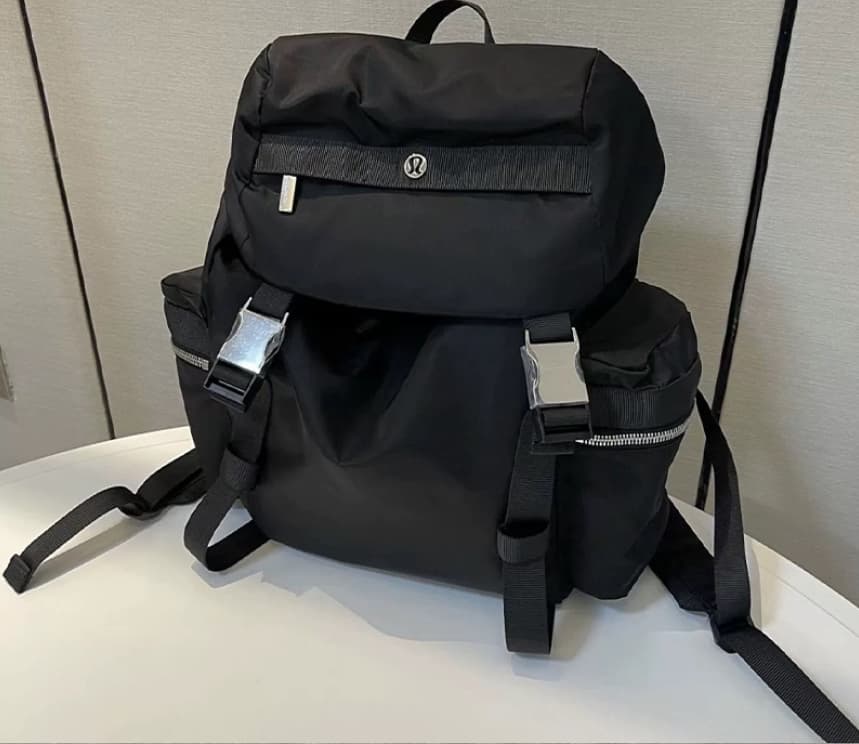
Outdoor luggage includes rucksacks, camping storage bags and cycling bags. These are used in the wild, in forests, by the seaside and in rainy, humid environments. Key challenges include corrosion from rainwater and sea mist, heavy loads requiring high load-bearing capacity, and frequent knocks and bumps whilst outdoors. When selecting hardware fitting , priority should be given to corrosion-resistant, high-hardness materials; environmental testing standards for outdoor products exported overseas are even more stringent.
Essential Hardware Checklist
- Load-bearing fastenings: Heavy-duty, reinforced dog clips; oversized D-rings; reinforced square buckles
- Waterproof fastenings: Sealed magnetic clasps; metal snap fasteners
- Wear-resistant reinforcements: Reinforced corner protectors; large solid rivets; fully enclosed bag bases
- Outdoor identification: Corrosion-resistant stamped metal nameplates
The Only Recommended Material Options
We must not use ordinary cold-rolled steel in outdoor luggage, because it rusts and corrodes quickly in damp environments. We recommend only the following two materials:
Thickened zinc alloy: The standard material for mainstream outdoor bags, featuring a dense die-cast structure and a thick electroplated anti-corrosion coating to withstand erosion from rain and dew;
Eco-friendly alloy: Designed specifically for the cross-border trade in outdoor equipment, it has fully passed ROHS environmental testing and demonstrates superior salt spray test endurance compared to standard zinc alloy and iron combinations;
High-end professional mountaineering equipment may incorporate brass hardware fittings in limited quantities; however, this significantly increases overall procurement costs, and such materials are rarely used extensively in mass-produced outdoor bags for the general public.
Mandatory Requirements for Anti-Corrosion Processes
The key factor in the surface treatment of outdoor hardware fitting is its resistance to salt spray:
Double-layer nickel plating: a basic anti-corrosion process, suitable for camping luggage used in inland mountainous regions;
Thickened black electrophoretic coating: This process offers superior salt spray resistance, so we specify it for waterproof luggage intended for use in coastal and seaside areas.
For all overseas outdoor orders, all hardware components undergo a standardised hypoallergenic and eco-friendly plating process, and environmental compliance test reports for the materials are provided to facilitate customs clearance inspections for buyers.
Points to Note When Purchasing Outdoor Hardware
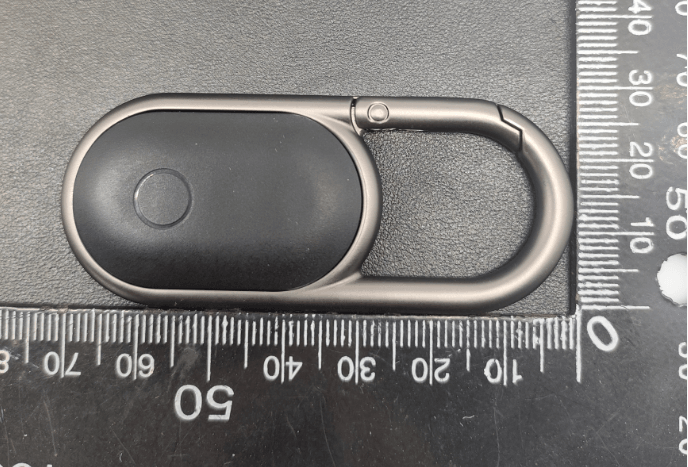
We must perform load-bearing tensile strength tests on heavy-duty carabiners and D-rings at the factory; before bulk procurement, we may request samples for tensile testing to verify that they show no deformation or breakage.
Select corner protectors and bases with fully edged designs to prevent direct wear and tear to the leather or nylon fabric caused by impacts from outdoor gravel and branches;
Increase the magnetic clasp strength to secure equipment and prevent loss when walking on uneven outdoor terrain
Key Considerations for Selecting Hardware Components for Pet Travel Bags / Pet Luggage
Pet luggage includes portable travel bags for cats and dogs, airline-approved pet carriers and car-mounted pet carriers. These are used in domestic settings, in vehicles and for outdoor walks with pets. Special usage conditions include scratching and biting by pets, corrosion from urine and moisture, and impacts from the pet’s movements; therefore, the hardware fitting must be bite-resistant, corrosion-resistant and free from sharp edges. A distinction is made between small pet bags and large car-mounted pet carriers.
Essential Hardware Checklist
- Strap fittings: Medium-sized D-rings, spring-loaded buckles, webbing adjustment buckles
- Compartment closures: Reinforced metal clasps, push-button safety fasteners
- Bag reinforcement: Oversized non-slip rivets, all-round corner protectors
- Brand accessories: Small waterproof metal nameplates
Material Selection Guide
Small, portable pet carriers (cat carriers, small dog travel bags): Standard zinc alloy is sufficient; it is lightweight and will not add to the overall weight of the carrier;
Large car-mounted pet carriers: We require thickened zinc alloy or eco-friendly alloy because pets may strike the carrier with considerable force, and thinhardware deforms easily under impact
We do not recommend iron hardware fittings because prolonged contact with pet urine and moisture can cause rust, which may stain the pet’s fur and lead to a high number of negative customer reviews
Logic behind the choice of finishes
Prioritise water-resistant and easy-to-clean finishes: Electrophoretic black and thick-layer nickel plating produce dense surface coatings that allow users to wipe away water marks and stains easily; antique bronze and spray-painted finishes, however, trap dirt and grime in their crevices and therefore do not suit long-term use on pet carriers.
All hardware fittings that come into contact with the pet’s body have their edges and corners rounded and polished to prevent sharp metal from scratching the pet’s skin.
Special Considerations for Product Selection
The cage door latch features a snap-fastening mechanism designed to prevent accidental opening; this ensures that the latch cannot be forced open by the pet’s scratching, thereby preventing escape;
The density of rivets and corner reinforcements is higher than that of standard ladies’ handbags; as the pet moves about inside the bag, it will continuously pull at the fabric, and these reinforced fittings help to minimise fabric tearing;
For export orders of pet products, it is essential to request a full set of environmental testing reports for all metal fittings, as overseas regulations governing pet products are stringent.
Tool Storage Bags and Cases / Selection Criteria for Hardware in Industrial Storage Bags
Tool kits and instrument storage bags are procured for the industrial, maintenance and electrical sectors. The core requirements are exceptional load-bearing capacity, impact resistance and resistance to oil and corrosion. As the hardware is in constant contact with engine oil and metal tools, the industry demands the highest standards in terms of hardness, corrosion resistance and wear resistance.
Essential Hardware Checklist
Handle and Strap Connectors: Reinforced heavy-duty D-rings, solid carabiner clips, wide square buckles
Lid Fastenings: Heavy-duty push-button latches, double-buckle locking mechanisms
Case Reinforcement: Solid, reinforced rivets, full-wrap metal corner protectors, raised base supports
Corporate Branding: Reinforced stamped metal nameplates, customisable with company logos
Material Selection Criteria
For industrial tool kits, we recommend only heavy-duty zinc alloy and eco-friendly alloys. Iron components oxidise and rust upon even brief contact with oil, whilst brass is too costly and is rarely selected for bulk industrial procurement. Heavy-duty zinc alloy one-piece die-cast fasteners have no hollow sections internally, making them resistant to breakage and deformation when subjected to the pulling forces of heavy-duty tools.
Surface treatments suitable for oily environments
A standardised approach involves the use of electrophoretic black coating and double-layer nickel plating; the dense coating provides protection against corrosion from engine oil and cleaning agents, and surface stains can be easily wiped away. In contrast, coatings with an ‘aged’ finish tend to accumulate oil residue in their crevices and are therefore unsuitable for use on industrial toolboxes and cases.
Industrial tool kits do not involve direct skin contact, so we can employ standard electroplating for domestic orders; for export orders, however, we require hypoallergenic, environmentally friendly electroplating to pass customs inspections
Key Points for Avoiding Pitfalls in Industrial Procurement
Require the manufacturer to provide tensile test samples for all load-bearing fasteners, and carry out destructive testing prior to bulk procurement to ensure the safety of tool loading;
Raise and reinforce the base of the case to protect the case body from oil stains and abrasion caused by loose stones on the ground
Choose dual-point locking latches so that they secure the lid and stop it from springing open if the tool case suffers a drop or knock, thereby containing the tools inside
Approach to Selecting Customised Hardware fitting for High-End Gift Boxes and Leather Goods / Small Gift Bags
Gift leather goods, gift box wallets, business card holders, and leather gift bags and cases demand core features such as a premium feel, an exquisite appearance, and personalised logo customisation. They carry very little weight, emphasise decoration and brand presentation, and serve frequently as corporate gifts and luxury accessories
Essential Hardware Checklist
Opening and Closing Fittings: Mini magnetic clasps, small decorative clasps
Decorative Hardware: Micro rivets, ultra-thin corner protectors, metal nameplates
Customised Fittings: Custom-moulded, custom-shaped logo hardware, metal lettering patches
Material and Texture Classification
Mass-market corporate gift leather goods: zinc alloy, allowing for rapid mould production and customisation of corporate logos, with moderate costs for bulk purchases;
High-end gift boxes and premium-style souvenirs: brass fittings, which, following electroplating, exhibit a refined metallic lustre and a superior texture to zinc alloy, making them suitable for high-end brands’ long-term gift ranges;
We frequently use eco-friendly alloys in affordable cross-border gift leather goods, striking a balance between cost and environmental compliance requirements.
Craftsmanship for a Premium Feel
We offer a wide range of finishes for gift-box leather goods—nickel plating, light gold, antique bronze, and black gold—so you can select the one that suits the gift’s positioning; we can also add a subtle brushed finish to the surface to enhance the sense of refinement, and matt spray-finished versions work ideally for minimalist business gift sets
We use hypoallergenic, eco-friendly plating on all export orders because gift leather goods often serve as personal storage items
Points to Note for Customised Purchasing
As promotional metalware tends to be small in size and requires high moulding precision, please confirm the depth of the logo engraving and the clarity of the font on a sample before placing an order;
As gift boxes and leather goods do not need to bear any weight, select lightweight, one-piece moulded fastenings to reduce overall material costs;
We accommodate small-batch corporate gift orders with small-batch moulding, and our source factories flexibly cater to different companies’ personalised logo requirements.
A Comparative Analysis of Common Materials for Luggage Hardware fitting to Assist Purchasing Teams in Quickly Selecting the Right Products
Based on the seven main categories of luggage selection requirements outlined above, we have compiled a comprehensive comparison of the performance characteristics of four standard materials used in our factory. Purchasing teams can quickly identify the most suitable option according to the specific requirements of each order:
Zinc alloy
- Overall advantages: Moulded in one piece, suitable for complex, irregular shapes; moderate hardness; stable electroplating and colouring; compatible with 90% of functional bags and cases;
- Suitable product categories: Briefcases, ladies’ handbags, rucksacks, pet carriers, and gift leather goods;
- Limitations: Select the reinforced version for extra-heavy-duty industrial toolboxes and cases, because the standard-thickness zinc alloy offers limited load-bearing capacity
Iron
- Overall advantages: Relatively low unit purchase price; meets basic load-bearing requirements;
- Suitable product categories: Affordable luggage for the domestic market; short-term fast-fashion items;
- Weaknesses: Poor corrosion resistance; prone to rusting in damp, outdoor and pet-related environments; not recommended for long-term use in export orders.
Brass
- Overall advantages: A refined metallic finish; strong adhesion of the electroplated coating; wear-resistant and corrosion-resistant; retains its colour well over prolonged use;
- Suitable product categories: High-end genuine leather handbags for women, gift boxes and leather goods, and high-end business briefcases;
- Disadvantages: The cost of raw materials is relatively high, and purchasing large quantities of affordable luggage may increase the overall budget.
Environmentally Friendly Alloy
- Overall Advantages: Stable environmental performance indicators; fully compliant with RoHS testing; superior salt spray resistance compared to standard iron components;
- Suitable Product Categories: All categories of luggage and bags for export, and all functional luggage and bags for cross-border e-commerce;
- Drawbacks: Moulding costs for complex, irregular shapes are slightly higher than for standard zinc alloys.
General Guidelines for Surface Finishing of Luggage Hardware (General Procurement Reference)
Electroplated nickel: A versatile, universal finish in a matt silver colour with moderate wear resistance; suitable for business bags, rucksacks, outdoor bags and gift bags; suitable for both domestic and export orders;
Antique bronze / Black gold: A vintage decorative finish; limited to ladies’ handbags and vintage gift box leather goods; not recommended for outdoor, student or industrial luggage;
Electrophoretic Black: High wear resistance and corrosion resistance; the preferred black finish for rucksacks, outdoor bags, tool bags and pet carriers;
Brushed Finish: Suitable only for small-area nameplates and logo hardware; large-area fasteners with a brushed finish are prone to accumulating scratches;
Spray Painting: A matt, minimalist style; suitable for indoor business bags and small gift bags; paint is prone to chipping in outdoor environments subject to friction;
Hypoallergenic, eco-friendly electroplating: Mandatory for all export orders and leather goods intended for direct skin contact, to prevent skin allergies and issues with customs inspections
General Process for Customising Luggage Hardware: Plan Ahead to Avoid Delivery Delays
Because most branded luggage and international trade purchases involve customised logos and non-standard moulding requirements, we outline the standardised customisation process below to help purchasers plan their production cycles in advance
Requirement Discussion: Provide design drawings of the luggage styles, hardware fitting positions, intended usage scenarios, and environmental compliance requirements for domestic and export markets;
Sample Production: The factory selects suitable materials and manufacturing processes based on the drawings to produce physical samples, for confirmation of appearance, dimensions, magnetic strength and load-bearing capacity;
Sample Approval: The buyer’s designers and quality control team inspect the samples and adjust details such as plating colour, logo engraving and hardware thickness;
Mould Making and Production: Manufacture moulds for non-standard, non-stock designs; proceed directly to mass production for standard, in-stock hardware without making moulds
Environmental Testing: Issue a RoHS material compliance report simultaneously for export orders and deliver it to the buyer with the goods;
Packaging and Dispatch: Sort and package items by specification to minimise scratches and impact damage to the hardware during transit.
Standard stock hardware: 3–7 days’ delivery; new mould designs: 7 days for prototyping + 7–10 days for mass production; during peak seasons, please allow an additional 3–5 days’ buffer period.
A Comprehensive Guide to Avoiding Pitfalls When Sourcing Luggage and Bag Hardware fittings (Practical Advice Applicable Across All Categories)
Prioritise the intended use: determine the usage environment (indoor, outdoor, humid, or oily) first, then match materials and processes accordingly; do not base your decision solely on appearance.
Match load-bearing capacity to product size: Choose lightweight, slim hardware fittings for small decorative bags; rucksacks, outdoor bags and tool bags must use reinforced, heavy-duty hardware to avoid mass returns due to breakage;
Distinguish Between Environmental Standards: For domestic orders, standard electroplating is acceptable; for export orders, consistently use eco-friendly alloys combined with hypoallergenic electroplating. Request test reports in advance;
Prioritise electrophoresis and thickened electroplating for high-friction and outdoor applications, and limit vintage and distressed finishes to low-friction decorative bags only.
Advance prototyping and testing: Before placing bulk orders, be sure to request samples and carry out simple tensile, abrasion and salt spray tests to minimise wastage during mass production;
Allowance for lead times on custom orders: Do not place last-minute rush orders for logo moulds or custom-shaped hardware, as tight mould production schedules during peak seasons can easily delay the overall dispatch of bags.
Summary
There are no uniform, universal standards for the hardware fittings used in bags and luggage with different functions; therefore, procurement teams and designers must select the appropriate fittings by comprehensively considering four core factors: the load-bearing capacity of the bag, the usage environment, the target customer base, and export standards. Business briefcases prioritise a minimalist, high-quality feel; fashionable ladies’ handbags emphasise decorative styling; rucksacks focus on load-bearing capacity and durability; outdoor luggage prioritises corrosion resistance and robustness; pet carriers combine corrosion resistance with safety-oriented rounded corners; industrial tool kits offer exceptional load-bearing capacity and oil resistance; whilst high-end leather gift items emphasise exquisite customisation with brass hardware fittings.
Our source-based luggage hardware factory offers standard fasteners in stock, whilst also supporting moulding based on customer drawings and logo customisation. Materials cover the full range of zinc alloy, iron, brass and eco-friendly alloys, complemented by a complete suite of surface treatments including nickel plating, electrophoretic black, antique bronze and eco-friendly plating. This caters to the bulk supply needs of domestic leather goods manufacturers, brand companies and cross-border trade purchasers. When selecting products, we adhere to three core principles: suitability for the intended use, material grading and process compatibility. This effectively minimises common procurement issues such as colour fading, breakage and failure to meet quality standards, thereby controlling the overall production and after-sales costs of luggage.