How to Select Hardware Fittings for Different Luggage Applications? A Practical Guide to Purchasing Leather Goods Hardware
In the overall production and manufacturing of luggage, leather goods and handbags, although hardware fittings account for a small proportion of the product’s volume and represent a modest share of the cost, they are the core components that determine the product’s texture, lifespan, safety and market positioning. Many luggage factories, leather goods manufacturers and branded luggage companies frequently encounter issues with incorrect product selection when purchasing hardware fittings in bulk: whilst the same hardware may perform well in everyday women’s handbags, when used in outdoor luggage, pet carriers, briefcases and similar applications, it can lead to a range of problems such as colour fading, deformation, insufficient load-bearing capacity, stiff opening and closing mechanisms, and failure to meet environmental standards.
Ultimately, there is no single ‘one-size-fits-all’ solution for luggage hardware; rather, the optimal choice depends on the specific application. Different usage scenarios present distinct variations in frequency of use, stress levels, environmental humidity, abrasion resistance requirements and export inspection standards. Consequently, there are significant differences in the material of selecting hardware, structural designs, surface finishes and component types. Drawing on the extensive experience of a B2B luggage hardware manufacturer, this article provides a detailed analysis of the selection criteria for various hardware components, key considerations for material and process compatibility, and practical tips for avoiding pitfalls during procurement, tailored to the mainstream usage scenarios of luggage on the market. It offers professional and actionable guidance for leather goods designers, factory buyers, international trade buyers, and manufacturing plant managers.
Key considerations for selecting hardware for everyday fashion leather goods: handbags, rucksacks and clutch bags
Everyday fashion leather goods are the most widely available category of luggage on the market, encompassing affordable luxury handbags, casual rucksacks, business clutches and trendy shoulder bags. Their primary use cases include daily commuting, shopping trips and carrying items on short journeys. The key requirements for this category focus on aesthetic appeal, craftsmanship and lightness. The products are subjected to moderate stress and used in mild environmental conditions, without exposure to extreme conditions such as high-intensity friction, direct sunlight or heavy rain. Consequently, this is a category where the requirements for hardware compatibility are relatively moderate.
When selecting core hardware components, fashion leather goods prioritise lightweight fittings with a refined finish
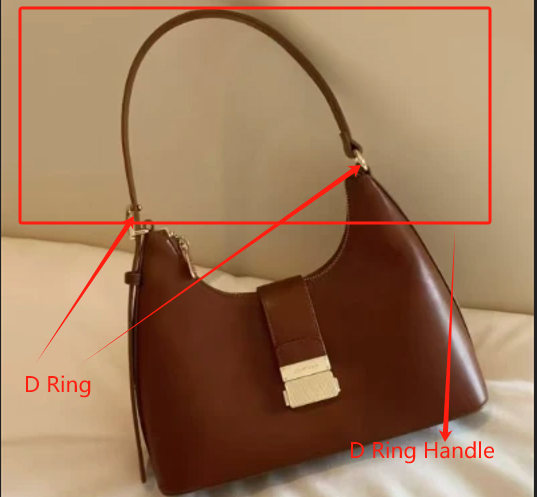
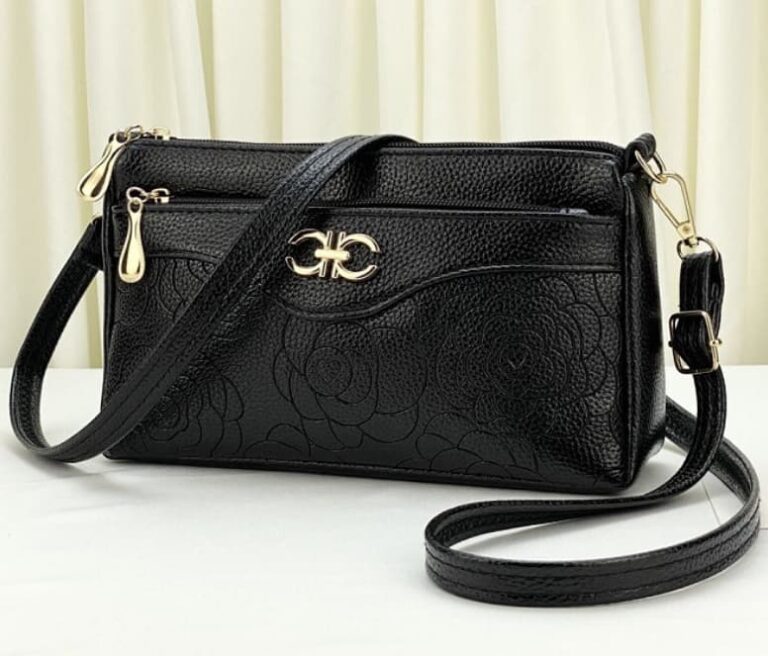
For fastening and securing the bag body, D-rings, square buckles and semi-circular buckles are the preferred choices. These fittings feature a simple structure and flowing lines, complementing a wide range of leather goods designs without detracting from the overall aesthetic of the bag, whilst also meeting the load-bearing requirements for everyday strap suspension and adjustment. For fastening mechanisms, magnetic closures and small bag locks are the preferred choices. Magnetic closures offer convenient, silent and smooth operation, aligning with the user experience of fashion bags; whilst exquisite locks enhance the perceived quality of premium-style bags, suiting the positioning of mid-to-high-end fashion leather goods.
Selection of accessories
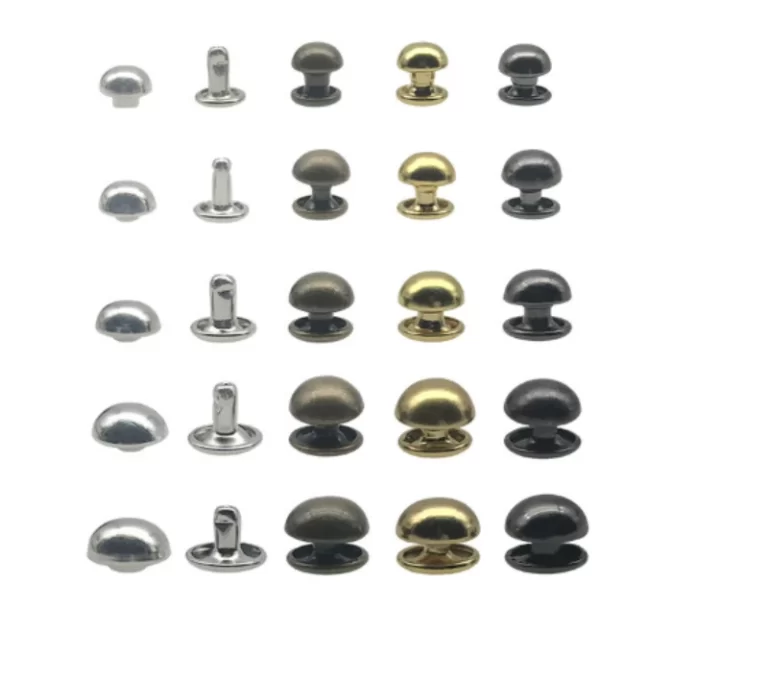
In terms of accessories, we use lightweight corner protectors to shield the edges of leather goods from long-term friction and wear. For brand branding, we employ customised logo plates and raised metal nameplates, which we can mould to order according to the brand’s design requirements to align with its unique positioning. We may also use small eyelet rivets at the seams and strap attachment points, offering adequate strength without compromising the overall aesthetic of the bag
Choice of Materials and Processes
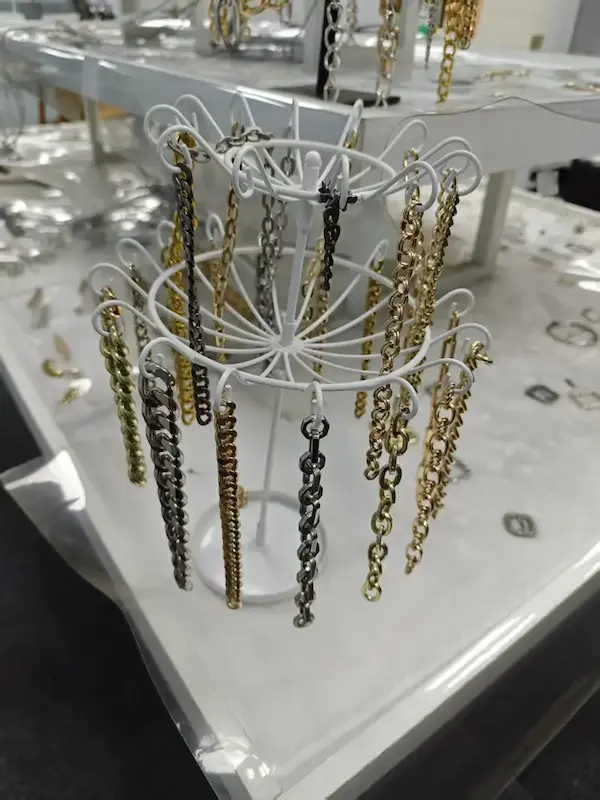
When it comes to material and process selection, zinc alloys and eco-friendly alloys are the mainstream choices for everyday fashion leather goods. These materials are lightweight and highly malleable, allowing for the production of intricate metal fittings in a wide variety of complex shapes, whilst offering excellent value for money that meets the demands of bulk purchasing. We select surface finishes according to the product’s positioning. For mass-market casual leather goods, we recommend standard nickel plating and electrophoretic black finishes, as they offer uniform colour and excellent value for money. For mid-to-high-end luxury leather goods, we prefer antique bronze, black gold, brushed and spray-painted finishes, as they impart a premium feel and enhance the product’s perceived value. Additionally, we can employ hypoallergenic, eco-friendly plating processes to comply with mainstream domestic quality inspection standards and meet the brand’s regular shipping requirements.
Key points to avoid pitfalls when sourcing
For everyday leather goods, there is no need to blindly opt for heavy iron fittings, as these will increase the weight of the bag and affect the user experience; avoid selecting hardware with rough surface finishes or thin plating, as long-term daily friction can easily lead to scratches and colour fading, which will affect the product’s reputation.
Business and Office Settings: Selection Criteria for Hardware in Briefcases, Laptop Bags and Business Tote Bags
Business and office luggage includes commuter briefcases, laptop bags, conference bags and document organisers, primarily designed for professionals and businesspeople. These items are intended for use in daily office work, business trips, client visits and commuting. The core requirements for this category are sturdiness and durability, a sleek and sophisticated design, quiet and smooth operation, and resistance to wear and tear. Whilst hardware need not feature elaborate designs, higher standards are required in terms of strength, stability and wear resistance, as the products must withstand frequent opening and closing, as well as repeated pulling and tugging.
The selection of core hardware components focuses on practicality and durability
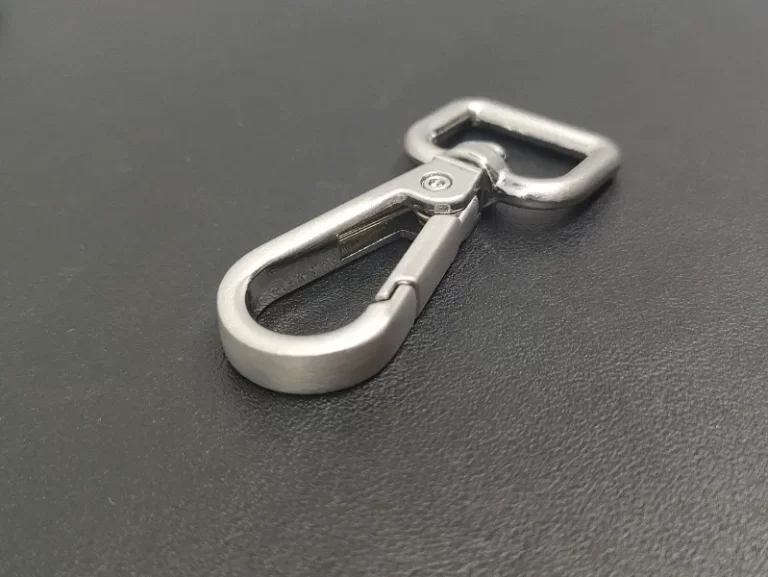
For the connections of shoulder straps and handles, we prioritise reinforced D-rings, square buckles and dog clips. Compared to standard thin hardware, these reinforced designs offer greater load-bearing capacity, capable of supporting the weight of laptops, documents and other heavy items. They resist deformation and loosening even under prolonged strain, thereby eliminating the risk of bag breakage or hardware detachment during business travel. For the fastening system, priority is given to silent magnetic clasps and minimalist anti-theft locks. These ensure a secure, rattle-free closure, preventing the bag from accidentally opening whilst in motion, whilst the absence of jarring noises aligns with the composed and understated tone of business settings.
Can fit the base of the bag with a hard base to prevent wear and moisture damage when placed on a table or the floor, thereby extending the bag’s lifespan. We use solid rivets at the seams and strap attachment points to ensure a secure fit that resists loosening, making it suitable for the frequent use typical of business luggage. We display the brand on a minimalist, matt-finish metal plaque, featuring a clean and elegant design that aligns with the product’s business positioning.
Material and Craftsmanship Selection
In terms of materials and craftsmanship, the hardware used in business luggage focuses on highly durable materials, with high-quality zinc alloy and iron being the primary choices. Core load-bearing components, such as dog clips, reinforced D-rings and buckle bases, are made from iron, which offers high hardness, strong load-bearing capacity and resistance to deformation; decorative elements and small fittings are made from zinc alloy, striking a balance between quality and value for money. Surface finishes are predominantly understated and wear-resistant, with brushed finishes, electrophoretic black and matt nickel plating being the preferred options. These finishes are scratch-resistant and do not easily show fingerprints, maintaining a neat, professional appearance even with long-term use, without the need for frequent maintenance.
Key points to avoid pitfalls in procurement
When selecting hardware for business luggage, we strictly prohibit thin-walled, lightweight, non-standard hardware fittings, as these deform and break easily under prolonged weight-bearing conditions. We also do not recommend high-gloss, flashy electroplating finishes, as these clash with the style of business products and detract from the overall quality of the product.
Outdoor Applications: Hardware Solutions for Outdoor Luggage, Rucksacks and Travel Bags
Outdoor functional luggage encompasses rucksacks, hiking bags, large-capacity travel bags and outdoor equipment storage bags. These are used for outdoor activities such as hiking, mountaineering, camping and long-distance travel, where conditions are complex and demanding. They face multiple challenges including exposure to sunlight, rain, wind and sand abrasion, alternating high and low temperatures, and high-intensity pulling. The core requirements for hardware components in this scenario are high hardness, corrosion resistance, resistance to ageing, high load-bearing capacity and colourfastness. This category imposes the most stringent performance requirements on hardware of all luggage applications.
High-strength, functional hardware is prioritised in the selecting hardware
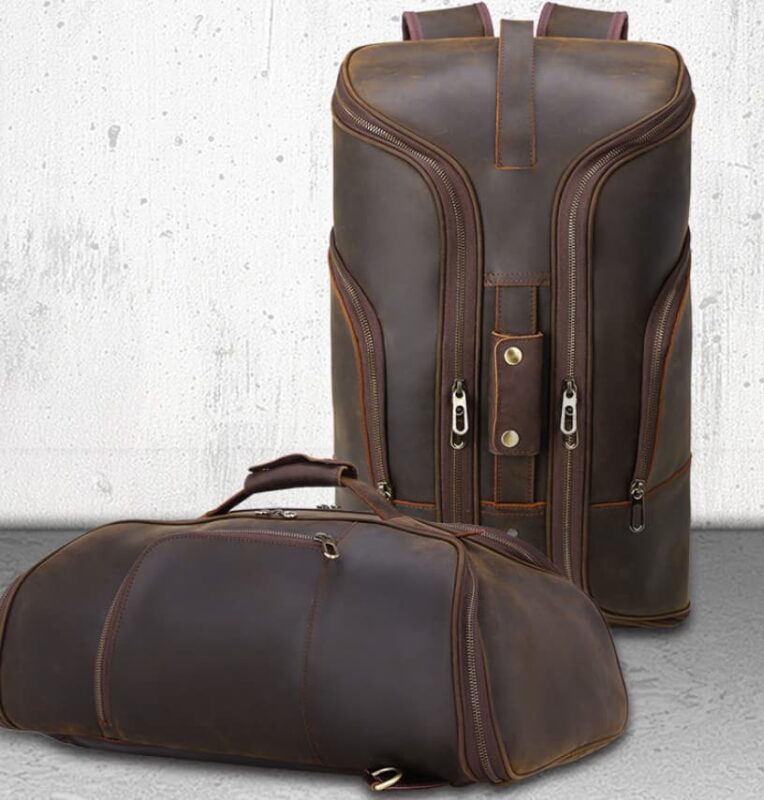
For shoulder strap adjustments and external attachment points, we exclusively use reinforced, high-strength dog clips, webbing buckles and square adjustment buckles. These fittings lock securely in place with precise alignment and offer excellent tensile strength, capable of supporting the heavy loads of outdoor equipment and supplies without coming undone or loosening during vigorous activity or rough handling. We employ thickened, abrasion-resistant corner protectors and rigid base plates for body reinforcement and corner protection. These withstand damage caused by outdoor knocks and friction, thereby safeguarding the main fabric of the bag
Use thickened solid rivets and high-strength eyelets at seam-joining points; these offer strong penetration and secure fastening, ensuring they are unlikely to come loose or crack under complex outdoor conditions.Utilise waterproof, wear-resistant buckles and reinforced magnetic closures for the fastening mechanisms, offering superior sealing and resistance to ageing. The design these to withstand damp, windy and sandy outdoor environments, preventing jamming or failure. We avoid excessive decorative hardware on outdoor luggage; instead, we prioritise practical, functional components and minimise protruding elements to reduce the risk of impact damage during outdoor use.
The selection of materials and manufacturing processes is of paramount importance for outdoor luggage hardware
For load-bearing components, iron and thickened zinc alloy are the preferred choices due to their high hardness and structural stability; their impact and tensile resistance far exceed that of standard alloys, making them well-suited to the demands of high-intensity outdoor use. Surface treatments must emphasise corrosion resistance and anti-ageing properties, with priority given to electrophoretic black coating, thickened electroplating and wear-resistant spray coating. These processes produce thick, dense coatings that effectively resist erosion from rain, moisture, wind and sand, thereby slowing down the rate of oxidation, rusting and colour fading in the hardware. For export orders of outdoor luggage, ROHS-compliant eco-friendly processes can be adopted throughout the production cycle to meet European and American export testing standards and avoid export quality inspection risks.
Key points to avoid pitfalls when selecting hardware
We never use thin-walled, substandard alloy fittings in outdoor luggage, as they deform and break easily during high-intensity outdoor use. We also avoid hardware fittings that lack anti-corrosion treatments, because they rust and jam after only a short period of use, severely affecting product quality and user experience.
Specialised applications: pet bags, tool kits, and niche customised luggage – selecting hardware components
In addition to mainstream luggage categories, specialised items such as pet bags, small tool pouches and gift-wrapped leather goods have significantly different usage conditions and requirements. These necessitate the customisation of hardware components to suit specific needs; generic selection schemes cannot be applied, making this the category where factories are most prone to errors in procurement.
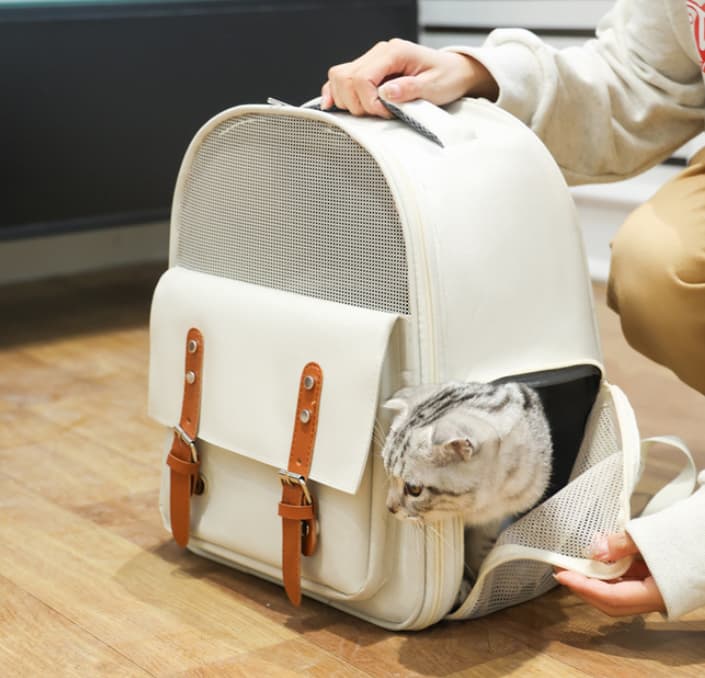
The primary use case for pet carriers is transporting pets when out and about the key requirements are safety and stability, lightness and durability, and the absence of sharp edges. As pets are prone to bumping into and tugging at hardware during activities, fittings must be smooth and burr-free to prevent scratches to both the pet and the user.Choose rounded D-rings and curved square buckles for shoulder strap connections, and we use anti-slip dog clips and anti-accidental-opening magnetic clasps for fastenings to prevent pets from breaking free. We incorporate breathable mesh panels into the bag and secure the seams with micro-rivets and flat eyelets, achieving a secure yet unobtrusive finish. We prioritise eco-friendly alloys and high-quality zinc alloys for their lightweight properties that reduce carrier load, and we apply an eco-friendly, anti-corrosion electroplating surface treatment to ensure suitability for damp outdoor environments and resistance to oxidation and rust
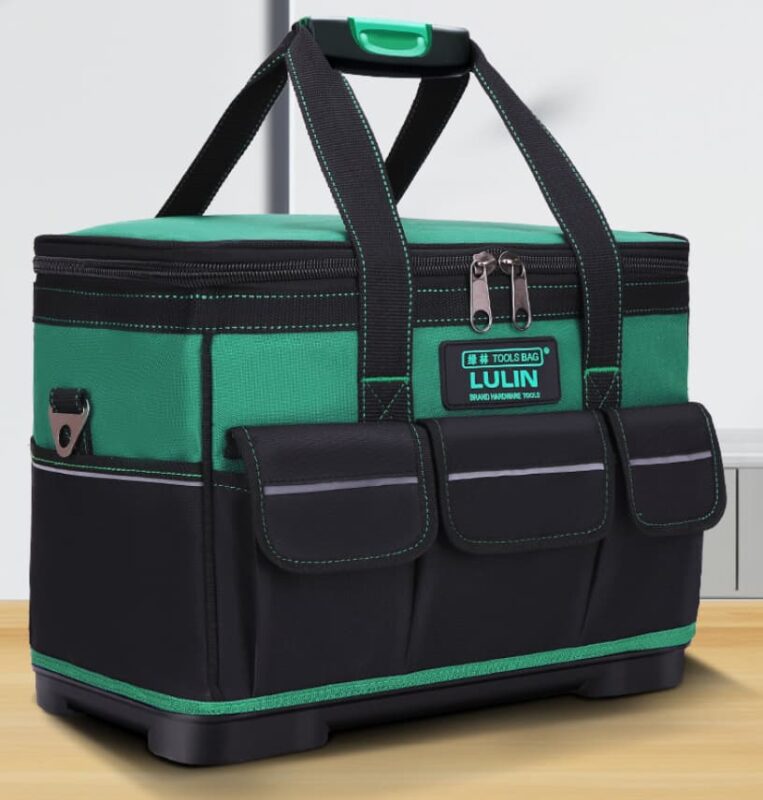
We design small tool kits and storage bags to be heavy-duty, impact-resistant, and resistant to deformation. then use them to store hardware tools, small accessories, and office supplies. We typically keep them in environments such as toolboxes, warehouses, and workshops, where they frequently endure knocks and compression. For hardware fittings, we prioritise thickened iron square buckles, solid rivets and reinforced corner protectors. These components offer high overall rigidity, resistance to compression and deformation, and can withstand the weight of tools and impact from collisions over the long term; their durability far exceeds that of standard fittings.
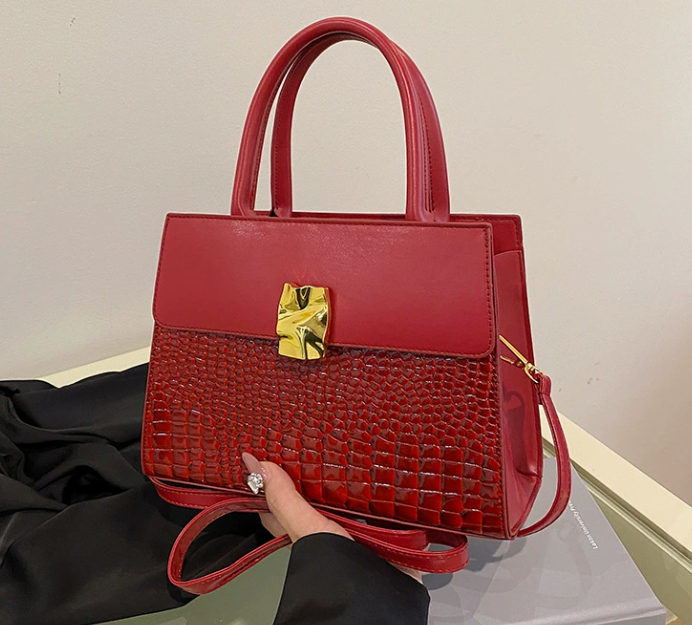
For high-end bespoke leather gifts and niche designer bags, the core requirements are differentiation, aesthetic appeal and customisation, with hardware fittings serving as the key differentiating feature of the product. We offer custom moulding based on design drawings and brand requirements, creating bespoke logo hardware, irregular-shaped loops, distinctive clasps and sculpted nameplates. Materials include brass and high-end eco-friendly alloys, delivering a refined and unique texture. We offer customised surface finishes—including antique bronze, brushed effects, and two-tone spray-painting—that precisely match the positioning of niche, high-end products.
Core Principles for Selecting General-Purpose Luggage Hardware (Suitable for All Scenarios)
Drawing on experience in adapting to multiple scenarios, when selecting hardware components in bulk via B2B channels for any type of luggage, it is essential to adhere to the following core principles in order to avoid quality issues, compatibility errors and potential after-sales problems from the outset.
Firstly, the principle of prioritising application scenarios
When selecting hardware for procurement, price should not be the primary criterion; instead, the specific application scenario should be the key consideration. For applications where lightweight and decorative features are paramount, zinc alloys or eco-friendly alloys are the preferred choice; for load-bearing, wear-resistant and durable requirements, iron is the preferred material; and for applications requiring a high-end finish, brass is a suitable option. By precisely matching the material to the application requirements, one can avoid using over-specified materials or materials with insufficient performance.
Second, the process matching standard
We apply conventional electroplating and spray-painting to standard domestic orders, as these processes adequately satisfy the requirements. We select brushed or antique bronze textural finishes for mid-to-high-end domestic orders. For export orders, we confirm environmental standards in advance and choose ROHS-compliant electroplating along with hypoallergenic processes, ensuring that all products pass customs inspections and third-party testing without issue.
Thirdly, the structural compatibility principle for selecting hardware
For slim and lightweight bag designs, select thin-walled, compact and lightweight hardware; for heavy-duty bags with high load-bearing requirements, opt for thickened, solid and reinforced hardware. At the same time, ensure that the dimensions and hole positions of the fittings are compatible with standard leather goods production processes, eliminating the need for re-drilling or re-sizing, thereby enhancing factory production efficiency.
Fourth, the principle of consistent batch quality
For B2B brands purchasing in bulk, the core requirements are consistent colour across batches, uniform dimensions and compliance with hardness standards, whilst avoiding inconsistencies in the texture of hardware within the same batch. Standardised production at the source factory ensures that the craftsmanship and specifications of fittings are consistent across every batch, thereby reducing rework and product defects.
VI. Custom Moulding Process for Luggage Hardware (Exclusively for Designers/Purchasing Managers)
We achieve precise customisation for niche designs, brand-exclusive requirements, and specific application scenarios that standardised hardware cannot meet—by using bespoke design based on provided drawings and custom moulding. Our standard customisation process remains clear and efficient, and it effectively caters to brands’ bulk customisation needs.
irst, we align requirements: the purchasing manager or designer provides product drawings, samples, usage scenarios, material and manufacturing specifications, and order quantities.
Next, we evaluate solutions: the factory assesses material selection, process feasibility, and structural optimisation based on the intended application, which helps mitigate potential issues during subsequent use.
Then, we produce samples: we create bespoke hardware samples to confirm dimensions, texture, load-bearing capacity, and craftsmanship.
Once the samples are approved, we commence mass production: we strictly control craftsmanship, hardness, and environmental standards throughout the entire process.
Finally, we conduct quality inspection and dispatch: we check appearance, durability, and environmental compliance prior to dispatch to ensure consistent quality across the entire batch.
Summary of Common Procurement Pitfalls in the Industry
Avoiding mismatched applications: Never use standard thin-walled alloy fittings for outdoor or heavy-duty luggage, as they are prone to deformation and breakage; similarly, heavy iron fittings are unsuitable for light luxury fashion leather goods, as they detract from the product’s aesthetics and user experience.
Avoiding manufacturing pitfalls: For export orders, confirm eco-friendly manufacturing processes in advance; standard electroplating fails to meet ROHS standards, which can easily lead to order returns and customs seizures.
Quality Pitfalls: Low-cost, inferior hardware is prone to issues such as plating peeling, colour fading, hole size deviations and substandard hardness, leading to a surge in after-sales service for finished bags and damaging brand reputation.
Customisation Pitfalls:Please make the sample for approved. Verify dimensions, processes and structure before mass production to avoid losses caused by errors in bulk production.