The Process, Lead Times and Cost Breakdown for Custom Luggage Hardware Moulding | A Guide to Avoiding Pitfalls in B2B Procurement
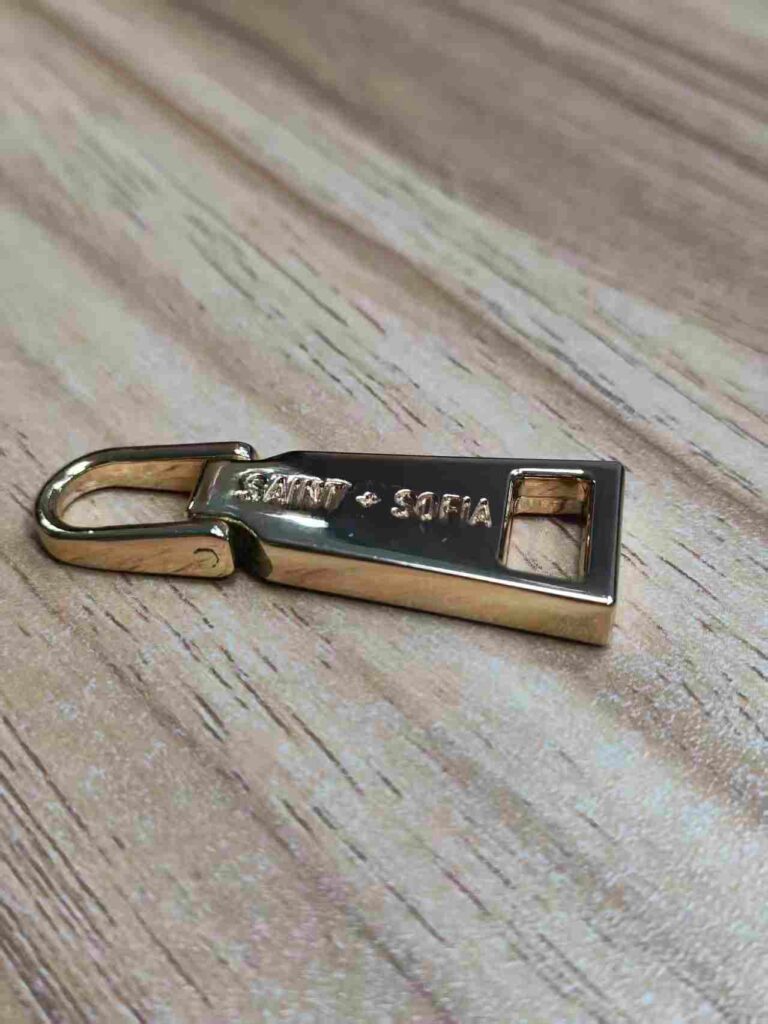
In B2B bulk procurement within the luggage, leather goods and handbag industries, standardised, off-the-shelf hardware fittings often fail to meet the demands of brand-specific design, bespoke high-end leather goods and exclusive fittings for export orders. As a result, custom-moulded hardware has become the preferred choice for many luggage manufacturers, brand companies and international trade buyers. Custom moulding allows core accessories such as D-rings, square buckles, magnetic clasps, latches, dog clips and metal nameplates to precisely match product designs, guarantee uniform product quality, and build a unique brand identity.
However, for most procurement managers, leather goods designers and manufacturing plant staff, the complete process of hardware mould making, key delivery milestones and cost breakdown have always been a source of difficulty in procurement. Many procurement professionals frequently encounter issues such as project delays caused by unclear processes, hidden charges driving up costs, defects in finished products due to substandard moulding techniques, and environmental processes that fail to meet international ROHS standards for export.
Drawing on the production experience of source factories, this article provides a comprehensive breakdown of the entire process for customising hardware moulds for luggage and bags. It clearly outlines the lead times and cost breakdowns for each stage, whilst highlighting key points to help procurement professionals avoid pitfalls. It serves as a professional reference for brands undertaking bulk procurement, fulfilling export orders and commissioning high-end custom leather goods, catering to the custom hardware requirements for a wide range of leather goods including rucksacks, ladies’ handbags, briefcases, outdoor luggage and pet carriers.
Scenarios for custom moulding of luggage hardware: When is moulding required?
Sourcing professionals do not need to mould all luggage hardware components; they can buy standard stock items in bulk, which gives them better cost efficiency and quicker lead times. Custom moulding is only the optimal choice in the following scenarios, and it remains a core requirement for most brands’ procurement and international trade orders.
Firstly, the demand for product differentiation and customisation
Branded luggage and high-end leather goods require hardware fittings with bespoke designs, specific dimensions and unique curves; standard fittings available on the market—such as D-rings, square buckles, magnetic clasps and hanging loops—cannot accommodate these product designs. By creating custom moulds, bespoke designs can be realised, thereby enhancing the products’ competitiveness in the market.
Secondly, there is a demand for customised logos and brand identifiers
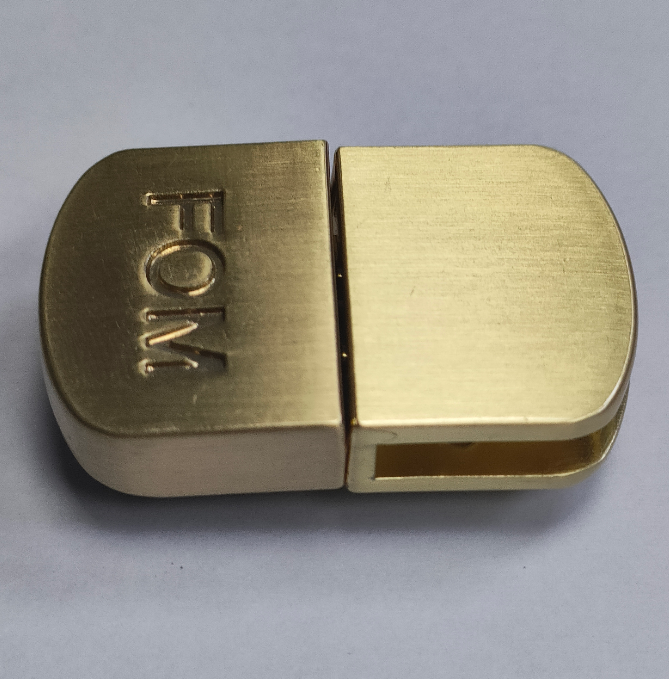
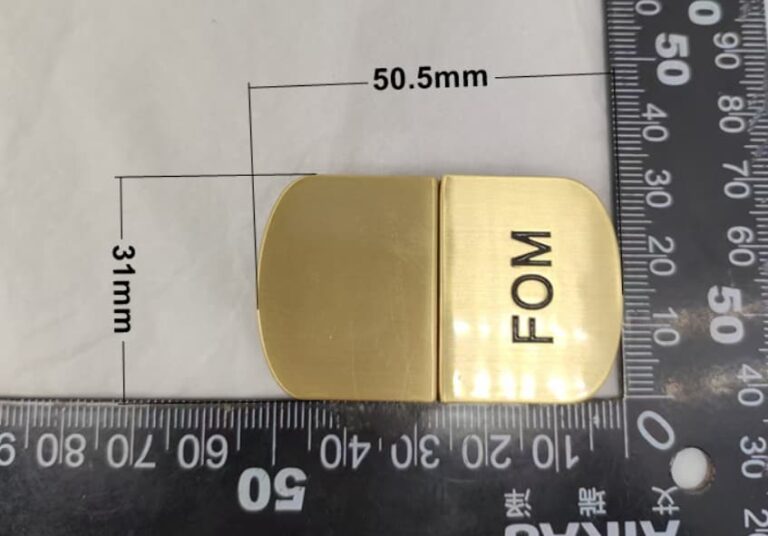
Manufacturers cannot produce exclusive identification components—such as luggage hardware nameplates, laser-engraved logo fittings, and embossed brand fasteners—using standard moulds. Instead, they must create these unique branded hardware fittings through mould-making and subsequent processing to enable standardised mass production.
Thirdly, special functional requirements and design adaptation needs
Outdoor luggage, pet carriers and work-style briefcases place specific demands on the hardness, load-bearing capacity and structure of metal fittings—for example, reinforced corner protectors, reinforced dog clips and specially designed webbing buckles. Brands require custom moulding for standard fittings, as these components do not offer the hardness and structural integrity needed for specific usage scenarios.
Fourthly, the demands of high-end export orders
Overseas brand procurement and cross-border luggage orders impose stringent requirements on the dimensional accuracy, environmental standards and manufacturing details of metal fittings. Off-the-shelf products from standard moulds often have significant dimensional tolerances and fail to consistently pass ROHS environmental testing; dedicated moulding allows for precise control of manufacturing standards, thereby meeting export requirements.
Complete Standard Process for Mould Making of Customised Luggage Fittings (Standardised Procedures at the Source Factory)
Reputable B2B luggage hardware factories operate under a strictly standardised mould-making process, with every stage directly impacting the precision of the finished product, the quality of workmanship and the lead time. Small-scale workshops on the market often simplify these processes, leading to defects in the finished products and dimensional deviations, whereas manufacturers at the source strictly adhere to the entire production process, ensuring the stability of mass production. Manufacturers divide the complete mould-making process primarily into seven core stages, maintain full traceability throughout, and align every stage with procurement acceptance standards.
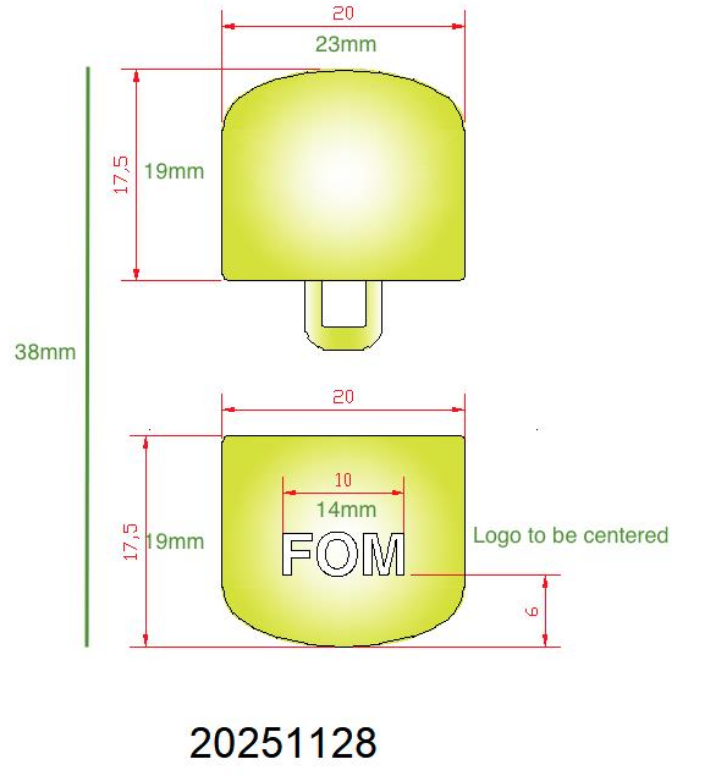 | 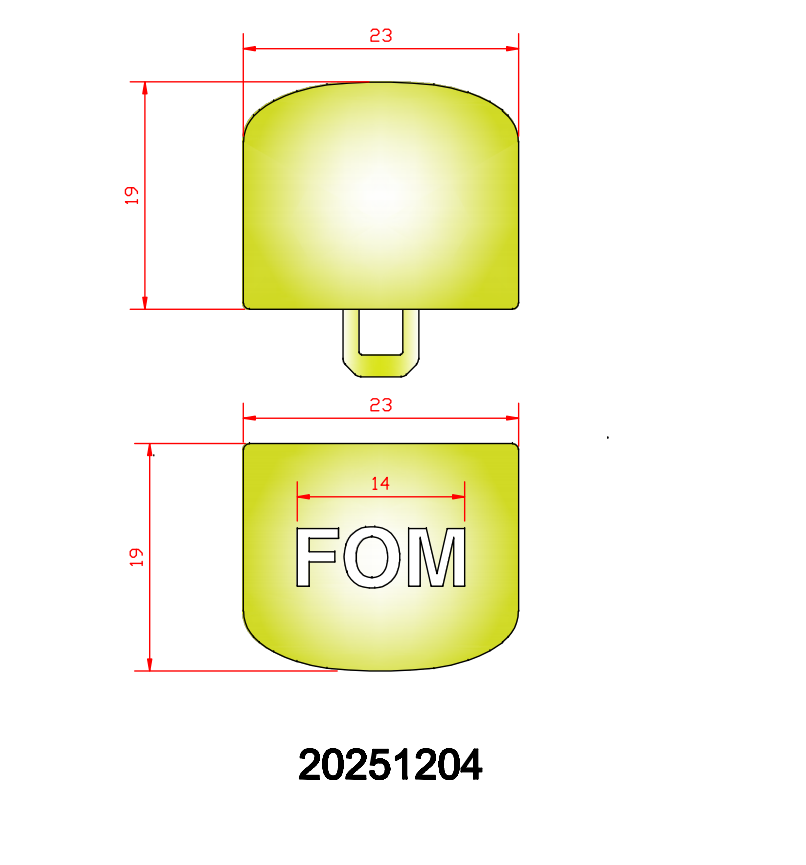 | 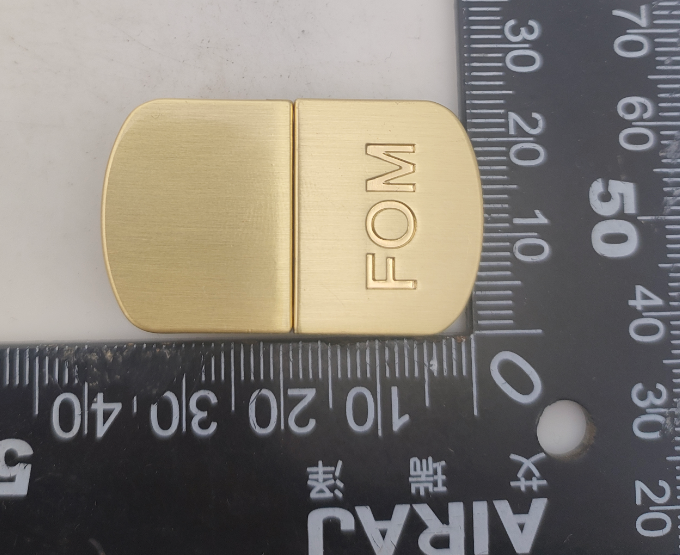 |
Requirements Alignment and Solution Confirmation (Key Initial Stage)
This stage forms the foundation of custom moulding and directly determines whether the final product will meet the purchaser’s requirements. The purchaser must provide comprehensive customisation specifications, including product design drawings, physical samples, dimensional parameters, material requirements, surface finish standards, intended use scenarios and production volume requirements. Leather goods designers may liaise with the factory’s technical team to discuss details such as the structure of components, load-bearing requirements and compatibility with bag patterns.
The factory’s technical team will assess the feasibility of mould making based on the client’s requirements, taking into account the properties of commonly used materials such as zinc alloy, iron, brass and eco-friendly alloys. They will identify any production challenges in the design structure, verify the feasibility of the manufacturing processes, and ensure that environmental standards comply with export requirements. At the same time, they will finalise the manufacturing process plan, confirming surface treatment options such as nickel plating, antique bronze, black gold, electrophoretic black, brushed finish, spray painting and hypoallergenic eco-friendly plating, before presenting a bespoke customisation proposal to the client. Once both parties have confirmed that everything is in order, the process moves on to the next stage.
Drawing Development and 3D Modelling
Once both parties have confirmed the design, the factory’s specialist technicians will digitise the hand-drawn sketches and physical sample specifications provided by the client to produce precise, detailed CAD drawings, whilst simultaneously creating 3D models. Designers and engineers pay particular attention to optimising structural details for complex components such as bag fasteners, magnetic clasps and metal nameplates, in order to prevent potential issues—including jamming, deformation or dimensional deviations—during subsequent production
Our design team will submit the completed models to the client for review, so the client can confirm all parameters—including styling, dimensions, structure and logo details. Upon client approval, we will finalise the drawing version, which will serve as the sole standard for subsequent mould making, trial moulding and mass production, thereby avoiding any specification disputes later.. This is a core compliance step in B2B custom procurement.
Mould Development and Manufacturing
Once the drawings have been reviewed and finalised, the mould development and production process commences in earnest. Moulds for luggage hardware fittings are all manufactured using specialised mould steel. Depending on the type of fitting, these are categorised into different types such as die-casting moulds and stamping moulds, to meet the production requirements for materials such as zinc alloy, iron and brass.
For standard small hardware components such as D-rings, square buckles, eyelet rivets and corner protectors, the mould structure is relatively simple; for complex fittings such as luggage locks, magnetic fasteners and modular metal nameplates, the machining precision requirements are higher, necessitating meticulous polishing of the cavities and adjustment of the opening and closing mechanisms to ensure the consistency, flatness and fit of the mass-produced finished products. The factory’s mould workshop carries out the entire process independently without outsourcing, thereby guaranteeing mould precision and confidentiality.
Initial Mould Trial and Sample Production
Manufacturers initiate the trial moulding phase immediately after machining the mould; this critical stage ensures the finished product meets quality standards The factory will conduct on-machine trial moulding, adjusting key parameters such as equipment settings, pressure and temperature to produce the first batch of rough samples. Technicians will carry out comprehensive inspections of the samples, covering indicators such as dimensional tolerances, structural integrity, hardness and surface flatness, to identify any common defects such as burrs, deformation, material shortages or porosity.
Raw samples that pass the trial moulding stage undergo basic surface treatment in accordance with customisation requirements, resulting in complete finished product samples. Our production team sends the samples to the purchaser for confirmation and acceptance, along with the product inspection parameters. If the factory finds any minor deviations in the samples, the technical staff will make targeted adjustments to the mould parameters and repeat the trial moulding process until the samples fully comply with the purchaser’s standards.
Sample Confirmation and Archiving
The purchaser conducts a comprehensive inspection of the sample’s appearance, dimensions, workmanship, structure and materials. Once confirmed to be correct, both parties proceed to seal the sample. The factory will archive the confirmed sample, finalised drawings and manufacturing standards together, serving as a unified benchmark for subsequent mass production and quality inspection. This effectively prevents common procurement issues during mass production, such as products not matching the sample, compromised workmanship and dimensional deviations.
For export orders, the factory will simultaneously carry out preliminary ROHS environmental testing to ensure that the finished products’ plating, materials and manufacturing processes comply with environmental standards for export, thereby mitigating the risk of failure during export inspections at an early stage.
Mass Production and Manufacturing Processes
Once the samples have been finalised, mass production commences in earnest. Utilising bespoke moulds, we are able to achieve large-scale, standardised production, ensuring a high degree of consistency in the dimensions, appearance, hardness and finish of every batch of hardware components. Throughout the production process, the factory maintains strict control over the materials used and adheres strictly to the approved surface treatment processes, including various types of electroplating, brushed finishes, spray coating and environmentally friendly treatments.
Production engineers give particular attention to managing issues such as colour fading, deformation and insufficient hardness in finished products, consistent with the core quality requirements for luggage hardware Through standardised production processes, we ensure that the finished products are wear-resistant, meet load-bearing standards and are suitable for long-term use, thereby satisfying the quality requirements of both brand bulk purchases and export orders.
Final Product Inspection, Packaging and Delivery
Once mass production is complete, the quality control department carries out both 100 per cent inspection and random sampling, covering a range of standards including dimensional accuracy, surface finish, hardness, environmental compliance and structural stability, in order to remove defective and substandard items. Our warehouse team sorts and packages the products that pass inspection in accordance with procurement requirements, applies moisture-proof protection to prevent scratches and oxidation during transport, and ensures on-time delivery
Standard Lead Times for Custom Moulding of Luggage Hardware (Explanation of Lead Times by Stage)
In B2B procurement, lead times are a key metric of primary concern to buyers; many order delays stem from a lack of clarity regarding the lead times for each stage of the mould-making process. Our team sets out the standard lead times for the full custom mould-making process for luggage hardware as follows, based on the standard production schedules of source factories (applicable to standard orders without special processes or urgent needs). We calculate all lead times in working days and do not include logistics or transit periods.
The design team handles requirement coordination and drawing confirmation in 1–3 working days. The team can complete design coordination and finalise drawings for standard, simple fittings (D-rings, square clasps, eyelets, corner protectors, etc.) within 1 working day. For structurally complex fasteners, magnetic clasps, and composite hardware nameplates, the team takes 2–3 working days to complete modelling, review and finalisation
2. Mould development and production lead time: 5–8 working days. The production lead time for moulds of simple, small hardware components is approximately 5 days; for moulds of functional hardware components with complex structures and high precision requirements, the lead time is 7–8 days to ensure mould precision and service life.
Manufacturers schedule 2–4 working days for the mould trial and sample approval cycle. They perform the initial mould trial within 1–2 days, and then use a further 1–2 days for sample inspection, finishing and dispatch for approval. If minor mould adjustments demand a repeat trial, they will add another 1–2 working days
4. Mass production lead time: Depends on the order quantity. Standard small-batch orders (several thousand pieces) take 3–5 working days; medium to large-volume brand orders (tens of thousands of pieces or more) take 7–10 working days; orders involving special eco-friendly electroplating, custom brushed finishes or spray-painting processes require an additional 1–2 working days for the production cycle.
Overall, the lead time for custom moulding of standard luggage and bag hardware—from initial consultation through to final sample approval—is approximately 8–15 working days. The lead time for bulk deliveries can be flexibly adjusted according to order volume. The factory supports the scheduling of rush orders and can prioritise production in line with procurement and delivery requirements to accommodate urgent orders.
The Breakdown of Moulding Costs and Pricing Logic for Luggage Hardware (No Hidden Charges)
Most buyers misunderstand moulding costs for hardware components, and small workshops lure them with low-price gimmicks that frequently lead to unexpected charges down the line. Reputable source factories publish their moulding costs openly and transparently. They base these costs on four key factors: mould material, component structural complexity, manufacturing precision and customisation requirements. These factories levy no hidden fees or later price hikes, making them ideal for B2B bulk procurement budget planning.
Basic mould manufacturing costs
These constitute the core costs of mould production and are priced according to the complexity of the component’s structure. Moulds for simple, flat hardware components (such as nameplates, basic D-rings, square buckles and corner protectors) feature a straightforward design and incur lower base costs; however, moulds for fasteners with moving parts, snap-fit mechanisms or irregular shapes—such as magnetic clasps and custom-shaped dog clips—involve greater manufacturing complexity and higher precision requirements, resulting in relatively higher base costs. Furthermore, the moulds are manufactured from high-quality mould steel, ensuring exceptional durability and suitability for long-term, repeated mass production, thereby meeting the needs of brands requiring long-term bulk procurement.
Additional charges for customised processes
There are no additional charges for standard processes such as electroplating, electrophoresis and brushed finishes; however, for high-end customised processes—such as hypoallergenic and eco-friendly electroplating, ROHS-compliant processes for export, special spray coating and antique/distressed finishes—a small additional charge may apply due to the more complex materials and procedures involved. The purchaser will be clearly informed of this in advance before a quotation is provided.
Costs associated with material differences
Suppliers offer zinc alloy and eco-friendly alloys as their standard custom materials, giving customers excellent value. For high-end options like brass and high-purity iron—whose raw material prices are higher—suppliers adjust the mass-production unit price accordingly, while they keep the mould base cost fixed
No hidden charges
Quotations from reputable factories for mould making include a full range of services such as drawing design, modelling, trial moulding, sample production and mould warranty, with no additional charges for drawings, trial moulding or modelling. Furthermore, once customisation is complete, the moulds are for the exclusive use of the purchaser and are archived and stored by the factory. They can be used for long-term, repeat mass production; for subsequent reorders, there is no need to create new moulds or pay moulding fees again, significantly reducing the brand’s long-term customisation costs.
A Guide to Avoiding Common Pitfalls When Procuring Custom Moulds for Luggage Hardware
Drawing on many years of experience in B2B factory services, this guide summarises the most common pitfalls encountered during the procurement process, helping buyers, designers and international trade professionals to mitigate risks and ensure the quality of customised products and efficient delivery.
Reject verbal agreements and insist on approved drawings and samples.
Some small workshops merely confirm customisation requirements verbally, without formal drawings or an approved sample process, making it highly likely that mass-produced items will suffer from dimensional and design deviations. Proper procurement requires the finalisation of written drawings, approved samples and manufacturing standards, with all requirements set out in writing to ensure there is a clear basis for acceptance.
Be wary of low-cost mould-making without a quality guarantee
Excessively low mould-making quotations often correspond to inferior mould steel and simplified production processes. This can lead to issues during mass production, such as mould deformation, numerous defects in the finished products, colour fading and substandard hardness; the cost of rework will far exceed the difference in the mould-making price. Prioritise sourcing directly from the manufacturer to ensure mould quality and the consistency of the finished products.
Confirm environmental standards in advance for international trade orders
When processing cross-border or international trade orders for luggage and bags, it is essential to confirm with the manufacturer in advance that the manufacturing processes will pass ROHS environmental testing. Prioritise environmentally friendly electroplating and lead-free, nickel-free processes to avoid order losses resulting from finished products failing to meet environmental standards and thus being unable to be exported.
Clarify mould ownership and after-sales support
Before commissioning mould production, procurement must confirm ownership of the moulds. In reputable factories, custom-made moulds are exclusively owned by the client; they are archived separately and not shared with third parties, thereby safeguarding the uniqueness of the brand’s products. Additionally, the factory provides a mould warranty and ongoing maintenance services.
Plan delivery lead times in advance
For bulk orders and orders during peak festive seasons, mould production coordination should commence 15–20 days in advance to allow sufficient time for trial moulding and adjustments, mass production, testing and logistics, thereby avoiding delays that could affect the overall delivery of the order.
The advantages of our factory’s bespoke mould-making services are tailored to meet B2B procurement requirements
As a source factory specialising in luggage and bag hardware, we focus on custom moulding and bulk wholesale of hardware for leather goods, handbags and luggage. With many years of experience in the industry, we cater to the hardware requirements of various brands, including luggage, high-end leather goods, outdoor bags, pet bags and briefcases, fully meeting the core needs of B2B procurement, international trade orders and bulk customisation for brands.
The factory supports customisation based on provided drawings, moulding from physical samples, and bespoke hardware featuring exclusive logos. Our product range covers the full spectrum of luggage hardware accessories, including D-rings, square buckles, dog clips, latches, magnetic clasps, eyelet rivets, corner protectors, hanging loops and metal nameplates. Standard materials include zinc alloy, iron, brass and eco-friendly alloys, whilst finishing processes encompass nickel plating, antique bronze, black gold, electrophoretic black, brushed finish, spray painting and hypoallergenic eco-friendly plating. The entire range complies with ROHS environmental standards for international trade, and we can provide compliance test reports.
All customised products meet the required hardness standards, feature precise dimensions, consistent craftsmanship and are colourfast. There are no high-pressure sales tactics or hidden charges throughout the process; the mould-making process is transparent, delivery lead times are manageable and quality is traceable. We are able to meet the needs of brands for long-term bulk procurement and large-scale custom orders for export, providing customers with a one-stop customised luggage hardware solution.